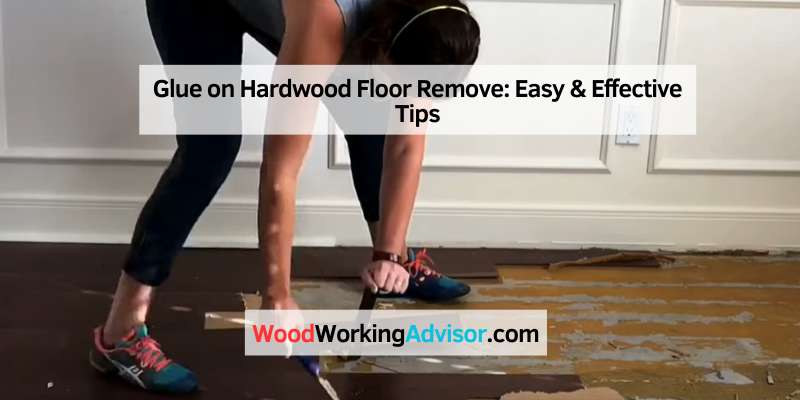
Glue on Hardwood Floor Remove: Easy & Effective Tips
To remove glue from a hardwood floor, use acetone cleaning solvent or try heating the glue with a hair dryer and then scraping it off. You can also use vinegar or vegetable oil to soften the glue before scraping it away.
When using solvents, ensure proper ventilation and wear protective gear. Struggling to remove glue from your hardwood floor? Whether it’s old adhesive or stubborn remnants, knowing the right techniques can make the process hassle-free. In this guide, we’ll explore effective methods such as using acetone cleaning solvent, heating the glue, and utilizing natural solutions like vinegar or vegetable oil.
By following these tips, you can restore the beauty of your hardwood floors without damaging the wood.
Introduction To Glue Removal From Hardwood Floors
Removing glue from hardwood floors can be a daunting task, but with the right techniques, it can be done hassle-free. One effective method is to apply acetone cleaning solvent to a small area, allowing it to sit for five minutes before attempting to scrape the glue off.
It’s important to wear protective gear and ventilate the room when using solvents. Alternatively, you can try heating the glue with a hair dryer or using vinegar or vegetable oil to soften it before scraping it away.
The Challenge Of Glue On Your Hardwood
If you’ve ever had to deal with glue on your hardwood floors, you know how challenging it can be to remove. Whether it’s from a previous flooring installation or an accidental spill, glue can leave behind stubborn residue that seems impossible to get rid of. But fear not! In this guide, we’ll walk you through the process of removing glue from hardwood floors, step by step.
What You’ll Need To Get Started
Before you begin the glue removal process, it’s important to gather the necessary tools and materials. Here’s a list of what you’ll need:
- Protective gloves
- Respirator mask
- Eye protection
- Ventilation (open windows or use fans)
- Acetone cleaning solvent
- Cotton balls
- Razor or scraper
- Rough towel
- Hair dryer (optional)
- Vinegar (optional)
These items will help ensure your safety and make the glue removal process as efficient as possible.
When it comes to actually removing the glue, there are several methods you can try. One option is to use acetone cleaning solvent. Apply a small amount to a cotton ball and let it sit on the glue for a few minutes. Then, use a razor or scraper to gently scrape away the softened glue. If the glue is particularly stubborn, you can try heating it with a hair dryer or using vinegar to further loosen the adhesive.
Remember to always test any solvents or cleaning agents on a small, inconspicuous area of your hardwood floor before applying it to the entire surface. This will help ensure that the solvent won’t cause any damage or discoloration.
By following these steps and using the right tools, you’ll be able to successfully remove glue from your hardwood floors and restore their natural beauty. Say goodbye to unsightly residue and hello to a clean, adhesive-free floor!
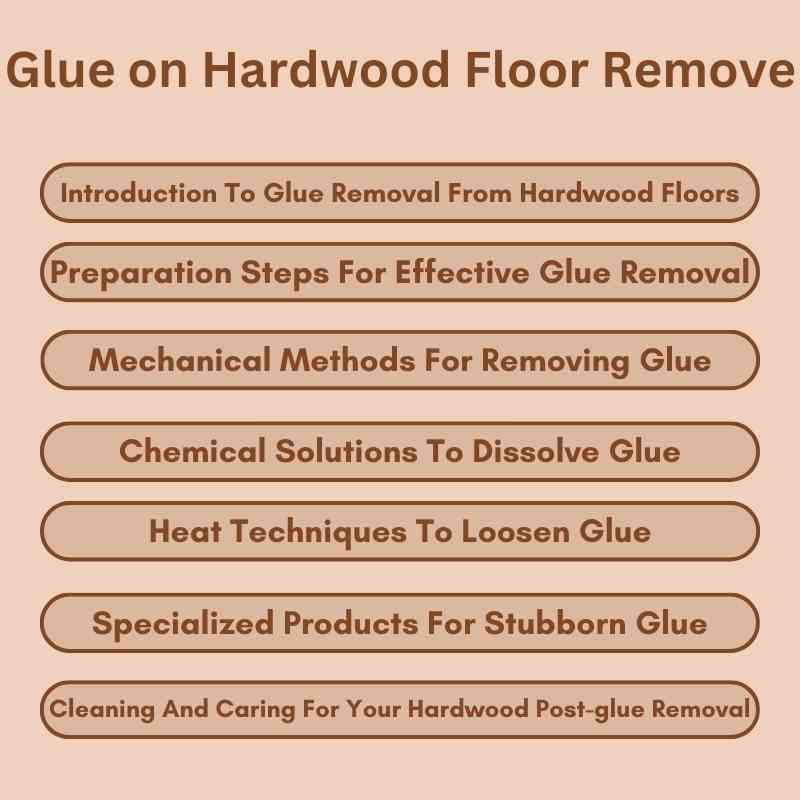
Preparation Steps For Effective Glue Removal
To effectively remove glue from hardwood floors, follow these steps for preparation. First, apply a cleaning solvent like acetone to a small area and wait for five minutes before scraping off the glue. If necessary, try heating the glue with a hair dryer or using vinegar to soften it.
Finally, use a razor, scraper, or rough towel to rub away the softened glue. Remember to wear protective gear and ventilate the room when using solvents.
Safety First: Protective Gear
Before you begin the process of removing glue from hardwood floors, it’s crucial to prioritize safety. Protecting yourself with the right gear is essential to prevent any accidents or injuries. Here are some safety measures you should take:
- Wear chemical gloves to protect your hands from any potential harm caused by the solvents or adhesive removers.
- Use a respirator to avoid inhaling any fumes or harmful particles during the glue removal process.
- Wear eye protection, such as safety goggles, to shield your eyes from any splashes or debris.
Ventilating The Area
Proper ventilation is crucial when removing glue from hardwood floors. The fumes from solvents or adhesive removers can be strong and potentially harmful if inhaled for an extended period. Follow these steps to ensure adequate ventilation:
- Open all windows and doors in the room to allow fresh air to circulate.
- Use fans or ventilators to enhance air circulation and remove any lingering fumes.
- Avoid working in confined spaces without proper ventilation.
By following these preparation steps, you can ensure a safe and effective glue removal process for your hardwood floors. Remember to always prioritize safety and take the necessary precautions to protect yourself.
Mechanical Methods For Removing Glue
Removing glue from a hardwood floor can be challenging, but there are mechanical methods that can help. Using a hand sander, fabric softener, or an oscillating tool to remove the adhesive can be effective. Acetone cleaning solvent, white vinegar, or vegetable oil can also be used to dissolve and remove the glue.
Scraping The Glue Away Carefully
One of the most effective mechanical methods for removing glue from hardwood floors is scraping. Using a putty knife or a floor scraper, carefully work on the glued areas, ensuring not to damage the wood underneath. Start from the edges and work your way towards the center to avoid causing any additional damage to the floor.
Using A Hand Sander
If the glue is particularly stubborn, using a hand sander can be an effective method for removing it. Ensure to use a fine-grit sandpaper and work gently to avoid creating uneven surfaces on the wood floor. Regularly check the sander to prevent it from clogging and causing damage to the floor.
Chemical Solutions To Dissolve Glue
To remove glue from hardwood floors, there are several chemical solutions you can try. One option is to use acetone cleaning solvent, applying it to a small area and scraping off the glue after five minutes. Another method is to use white vinegar, vegetable oil, eucalyptus oil, lemon oil, or petroleum jelly.
Soaking a paper towel in any of these substances and leaving it on the glue for five minutes should make it easier to peel off. Remember to wear protective gear and ventilate the room when using solvents.
Acetone And Other Solvents
Acetone is an effective solvent for removing glue from hardwood floors. Apply a small amount to the glued area and wait for approximately five minutes before attempting to scrape off the softened glue. When using solvents, it’s important to wear chemical gloves, a respirator, and eye protection. Additionally, ensure that the room is well-ventilated to minimize exposure to fumes.
Natural Alternatives: Vinegar And Oils
Vinegar can be used as a natural alternative to dissolve glue on hardwood floors. Apply vinegar to the affected area and allow it to sit for several minutes before attempting to remove the softened glue. Additionally, oils such as coconut or olive oil can help break down the adhesive properties of the glue, making it easier to scrape off.
Heat Techniques To Loosen Glue
To remove glue from hardwood floors, you can use heat techniques to loosen the adhesive. Try heating the glue with a hair dryer or using a solvent like acetone or vinegar to soften the glue before scraping it away. Applying the heat or solvent will make it easier to remove the stubborn glue from the hardwood surface.
Using A Hair Dryer Effectively
One heat technique that can be used to loosen glue on hardwood floors is to use a hair dryer. This method is ideal for small areas and requires only a few tools. To use a hair dryer effectively, set it on high heat and hold it a few inches away from the glued area. Slowly move the hair dryer back and forth over the glue until it begins to soften. Once the glue is softened, use a scraper or putty knife to remove it. Be sure to wear gloves and eye protection during the process.
The Role Of Heat Guns
Heat guns are another effective tool for removing glue from hardwood floors. They are especially useful for large areas. A heat gun works by emitting hot air that softens the glue, making it easier to remove. To use a heat gun, set it on low or medium heat and hold it a few inches away from the glued area. Move the heat gun back and forth over the glue until it begins to soften. Then, use a scraper or putty knife to remove the glue. Be sure to wear gloves and eye protection during the process.
Using heat techniques to remove glue from hardwood floors is an effective way to get rid of stubborn adhesive. Whether you use a hair dryer or a heat gun, be sure to take the necessary safety precautions and work carefully to avoid damaging your floors. With a little patience and effort, you can remove glue from your hardwood floors and restore them to their original beauty.
Specialized Products For Stubborn Glue
Easily remove stubborn glue from hardwood floors with specialized products designed to tackle the toughest adhesives. Safely and effectively eliminate dried or hardened glue without damaging the wood surface. Restore the natural beauty of your hardwood floors with these targeted solutions for glue removal.
Flooring Adhesive Strippers
When it comes to removing stubborn glue from hardwood floors, specialized products like flooring adhesive strippers can be the solution. These strippers are formulated to dissolve tough adhesive residue, making it easier to remove from the surface. However, it’s important to note that not all strippers are suitable for all types of hardwood floors. Some products may cause damage or discoloration to certain types of wood, so be sure to read the label carefully and test the product on a small, inconspicuous area before using it on the entire floor.
Goo Gone’s Application And Limitations
Goo Gone is a popular adhesive remover that is often used to remove glue from hardwood floors. While it is generally safe for use on most surfaces, including wood, there are some limitations to its effectiveness. Goo Gone may not be able to remove all types of glue, especially those that have been on the floor for a long time or are particularly stubborn. Additionally, Goo Gone should be used with caution on hardwood floors, as it may cause damage or discoloration if left on the surface for too long. It’s important to follow the manufacturer’s instructions carefully and to test the product on a small area before using it on the entire floor.
Overall, specialized products like flooring adhesive strippers and Goo Gone can be effective in removing stubborn glue from hardwood floors. However, it’s important to choose the right product for the job and to use it carefully to avoid damaging the floor. If you’re unsure about how to remove glue from your hardwood floors, it’s always best to consult with a professional to ensure that the job is done safely and effectively.
Cleaning And Caring For Your Hardwood Post-glue Removal
Once you’ve successfully removed the glue from your hardwood floor, it’s essential to take the necessary steps to clean and care for the wood to restore its natural beauty and ensure its longevity.
Neutralizing Chemical Treatments
After using chemical treatments to remove the glue, it’s crucial to neutralize the wood to prevent any potential damage. Begin by thoroughly rinsing the area with clean water to wash away any remaining chemical residue. Then, use a mixture of water and white vinegar to neutralize the wood surface. Simply apply the solution with a clean cloth and allow it to air dry.
Restoring The Wood’s Shine
Removing glue can leave the hardwood looking dull and lifeless. To restore its shine, consider using a high-quality wood polish or wax specifically designed for hardwood floors. Apply the product according to the manufacturer’s instructions, using a clean cloth or mop to evenly distribute it across the surface. This will not only enhance the natural shine of the wood but also provide an added layer of protection.
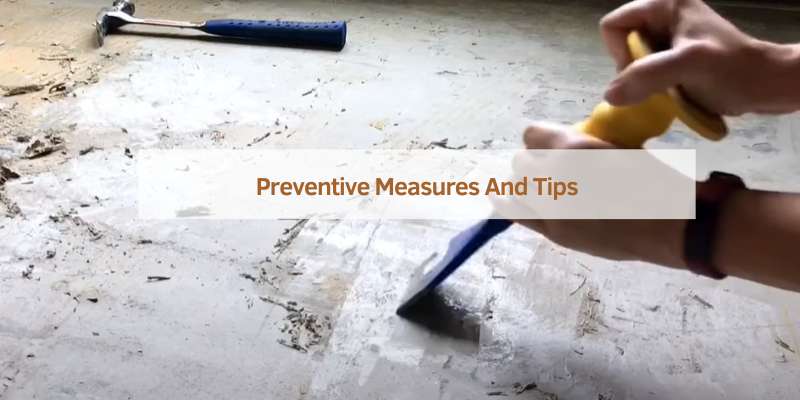
Preventive Measures And Tips
When it comes to maintaining the pristine condition of your hardwood floors, taking preventive measures and following the right tips can help avoid future glue mishaps. Here are some essential strategies to consider:
Avoiding Future Glue Mishaps
Preventing glue mishaps on hardwood floors is crucial for preserving their beauty and longevity. Here are some effective tips to prevent future adhesive accidents:
- Choose the right adhesive: Ensure that you use the recommended adhesive for hardwood floors to avoid any compatibility issues.
- Follow manufacturer guidelines: Always adhere to the manufacturer’s instructions when applying adhesive to your hardwood floors.
- Protect the floor during renovations: When undertaking renovation projects, safeguard your hardwood floors from accidental spills and glue mishaps by covering them with protective materials.
- Regular inspections: Periodically inspect your hardwood floors for any signs of adhesive seepage or damage, and address any issues promptly.
Maintaining Your Hardwood Floors
Proper maintenance is essential for preserving the beauty and integrity of your hardwood floors. Implement these maintenance tips to ensure the longevity of your flooring:
- Regular cleaning: Keep your hardwood floors clean by dusting, vacuuming, or sweeping them regularly to prevent the accumulation of dirt and debris.
- Protective measures: Use furniture pads and area rugs to prevent scratches and dents on the hardwood surface.
- Humidity control: Maintain optimal humidity levels in your home to prevent the expansion or contraction of the wood, which can lead to adhesive issues.
- Professional inspections: Schedule regular inspections by flooring professionals to detect and address any underlying issues before they escalate.
Frequently Asked Questions
What Dissolves Old Floor Glue?
To dissolve old floor glue, you can use acetone cleaning solvent. Apply it to a small area, wait for five minutes, then scrape off the glue. Remember to wear chemical gloves, a respirator, and eye protection when using solvents, and ventilate the room as much as possible.
How Do You Remove Old Hardwood Glue?
To remove old hardwood glue, you can try using acetone cleaning solvent. Apply it to a small area and wait for five minutes before attempting to scrape the glue off. You can also try heating the glue with a hair dryer or using vinegar to soften it before scraping.
Remember to wear protective gear and ventilate the room when using solvents.
How Do You Remove Hardened Floor Glue?
To remove hardened floor glue, you can try the following methods:
1. Use acetone cleaning solvent: Apply to a small area, wait for five minutes, then scrape off the glue. Remember to wear protective gear and ventilate the room.
2. Heat the glue with a hair dryer and then scrape it off.
3. Try using vinegar or acetone to soften the glue before scraping. Apply the solvent, let it sit for a few minutes, and then use a razor, scraper, or towel to rub off the glue.
4. You can also try using white vinegar, vegetable oil, eucalyptus oil, lemon oil, or petroleum jelly.
Soak a paper towel, press it onto the glue, and leave it for five minutes. Then peel off the glue. Remember to test any solvent or method on a small area first to ensure it does not damage the floor.
Is Goo Gone Safe On Hardwood Floors?
Goo Gone is safe to use on hardwood floors. It effectively removes crayon marks, glue, and adhesive from various surfaces, including wood. However, it is not recommended for use on silk or other delicate materials. Remember to follow the manufacturer’s instructions and test it on a small, inconspicuous area first.
Conclusion
Removing glue from hardwood floors can be a challenging task. However, there are several effective methods to get the job done. From using solvents like acetone to heating the glue with a hairdryer, each technique has its own benefits. It’s important to take proper precautions and wear protective gear when working with solvents.
Additionally, using white vinegar, vegetable oil, or even a cheap laundry detergent can also help dissolve and remove the adhesive. With the right approach, you can successfully remove glue from your hardwood floors and restore their beauty.