Rug Grips for Hardwood Floors: Ultimate Non-Slip Solution
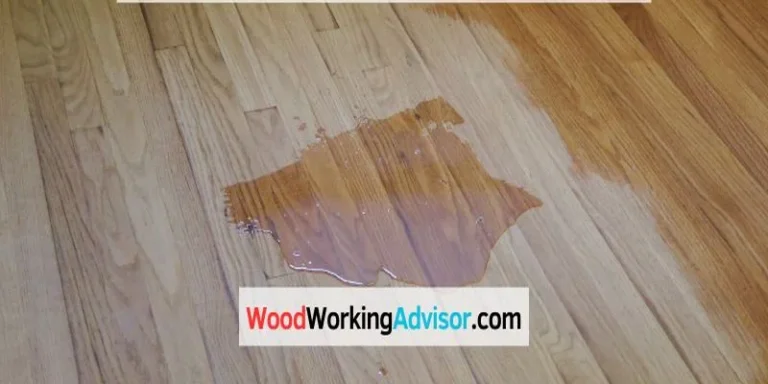
Rug grips keep area rugs from sliding on hardwood, but not every grip is actually safe for wood floors — some rubber and PVC-backed pads react with polyurethane floor finish over time, causing yellowing or a permanent discoloration outline where the pad sat. The safest choice for hardwood is a felt pad, or a felt-and-natural-rubber hybrid specifically labeled safe for hardwood — not a generic all-purpose rubber mat meant for tile or carpet.
Benefits Of Rug Grips
Best For Dual Hardwood + Carpet Safety
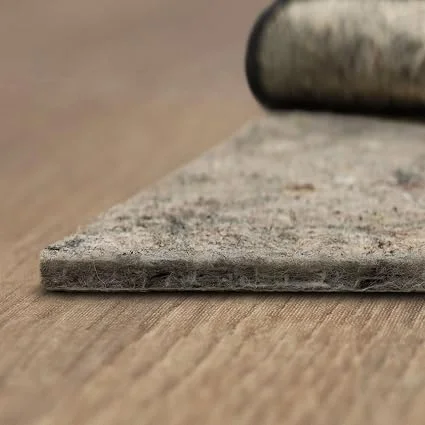 |
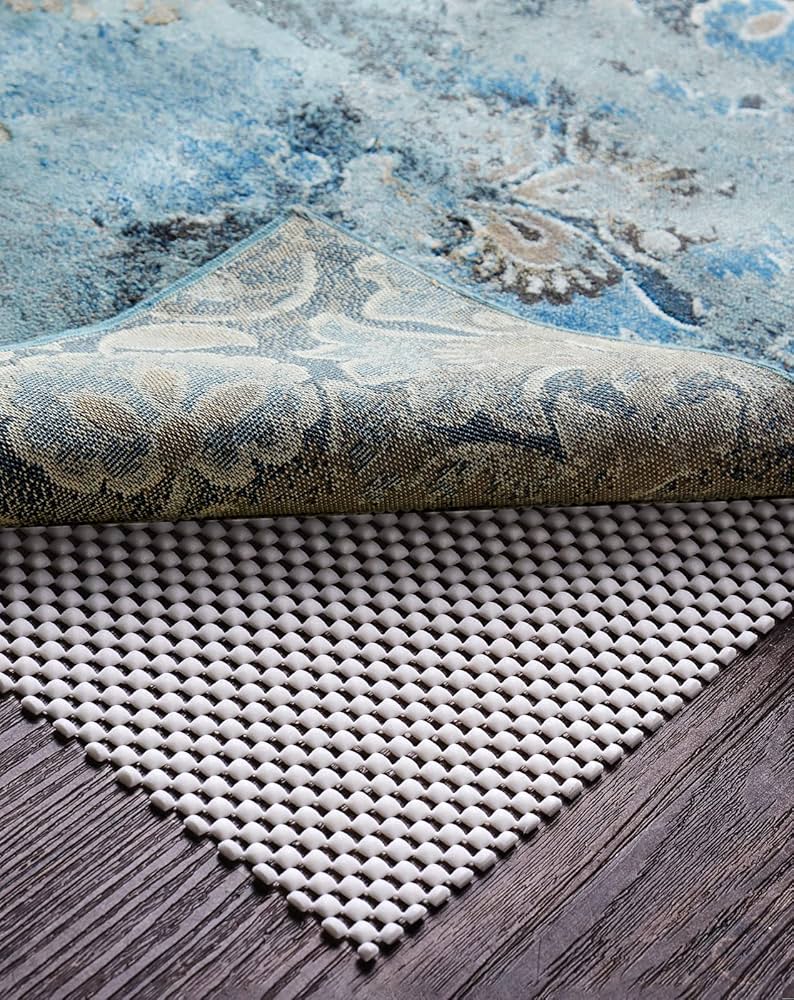
Mohawk Home Felt + Latex Rubber Rug Pad – $80.39 (8’x10′) Felt on top for cushion, natural latex rubber grip on the bottom — a combination that’s held up as hardwood-safe for years, not a generic rubber mat.
|
Beyond the safety issue, the core job of a rug grip is straightforward: it stops rugs from sliding underfoot (a real trip hazard on hardwood), reduces the scratching a rug’s rough backing can cause against a wood floor’s finish, and keeps rugs flat and in place while vacuuming instead of bunching up. A cushioned pad also makes standing and walking on the rug noticeably more comfortable, and works under rugs of essentially any size.
Types Of Rug Grips
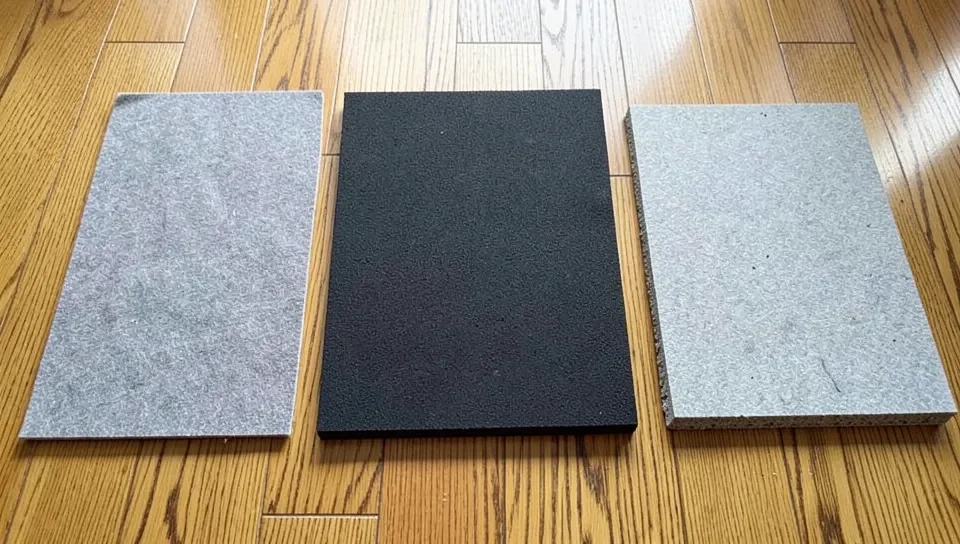
Felt pads are the safest default for hardwood — soft, non-reactive with floor finishes, and effective at reducing slip and scratch even without an aggressive rubber grip. Felt + rubber hybrids add a natural latex rubber layer for stronger grip while keeping felt against the floor, which is the combination most rug-pad manufacturers specifically rate as hardwood-safe. Adhesive strips or tape hold small rugs or rug corners directly to the floor — convenient, but they can leave a sticky or discolored residue behind if left in place for months, especially in a spot that gets direct sun or heat. PVC or vinyl-based rubber mats (common, cheap, and often marketed as generic “non-slip” pads) are the type most likely to cause the yellowing/discoloration reaction on polyurethane-finished wood — avoid these on hardwood specifically, even though they’re often fine on tile or carpet.
Choosing The Right Rug Grip
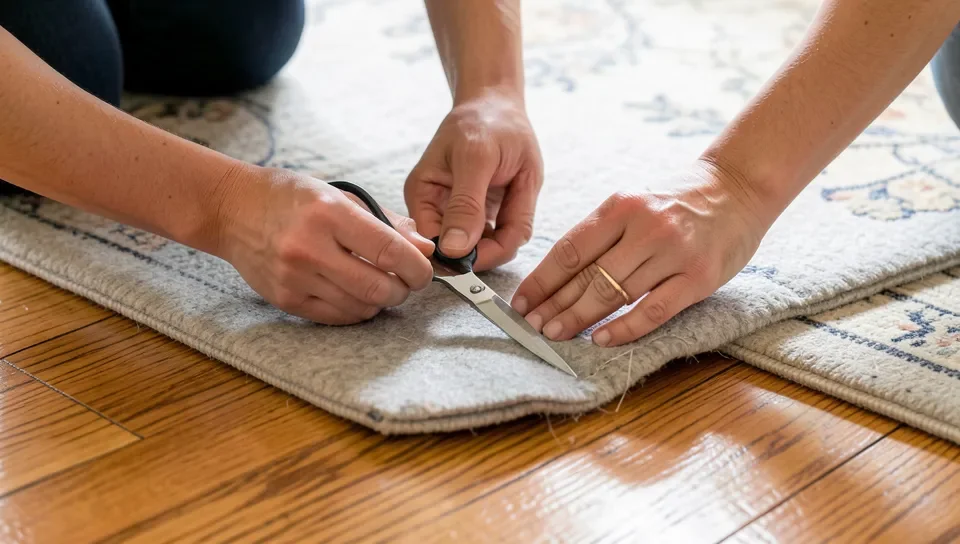
Check the packaging specifically for “hardwood safe” language, not just “non-slip” — those are different claims, and only the first one addresses the finish-reaction risk. Match grip strength to rug weight: a large, heavy rug needs a stronger grip to stay put, while a small, light rug can shift even with a decent pad if the grip is too thin. Also factor in how easily you can install and trim the pad yourself — most felt and felt-rubber pads just need scissors and a flat, clean floor.
Installation Tips
Sweep or vacuum the floor first so dust and grit don’t get trapped under the pad. Measure your rug and cut the pad slightly smaller than the rug all around (roughly 1-2 inches in) so it stays fully hidden underneath. Lay the pad flat with no wrinkles, position the rug on top, and press down evenly. Check the pad periodically — a dusty or dirty pad grips less effectively and can trap grit against the floor finish.
Common Mistakes To Avoid
- Using a generic rubber/PVC mat on hardwood: the single biggest mistake — these are the pads most likely to react with polyurethane finish and leave a permanent discolored outline. Confirm “hardwood safe” specifically before buying.
- Mismatching grip to rug weight: a thin pad under a heavy rug, or an overly aggressive grip under a light rug, both lead to poor performance — match the pad to the actual rug.
- Never checking underneath: rugs and pads shift and collect grit over time. Lift the rug periodically to check both the pad’s condition and the floor underneath for any early discoloration or wear.
Care And Maintenance
Clean pads with mild soap and water, not harsh chemicals, and let them dry completely before reusing — a damp pad is less effective and can trap moisture against the floor finish. Vacuum pads periodically to keep grit from grinding against the floor. Replace pads once they lose their grip or show tears; a worn-out pad protects nothing. Move rugs occasionally to even out wear on both the rug and the floor finish underneath.
Frequently Asked Questions
How Do Rug Grips Protect Hardwood Floors?
They stop rugs from sliding (a real trip hazard) and act as a cushioning barrier that reduces the scratching a rug’s rough underside can cause against the floor’s finish. The right pad — felt or a hardwood-rated felt/rubber hybrid — protects the floor without reacting with the finish itself.
Are Rug Grips Easy To Install?
Yes — most come pre-cut or trim easily with scissors. Lay the pad flat between the rug and the floor, sized slightly smaller than the rug itself so it stays hidden and covers the full rug area for even grip.
Can Any Rug Grip Be Used On Hardwood Floors?
No — this is the most important thing to check. Generic PVC or vinyl rubber pads can react with polyurethane floor finish and cause permanent yellowing or discoloration. Only use pads explicitly labeled safe for hardwood, typically felt or felt-and-natural-rubber hybrids.
Do Rug Grips Affect Floor Heating Systems?
Most quality rug pads are fine over radiant floor heating, but check the manufacturer’s specific guidelines — some materials handle sustained heat better than others, and a pad not rated for it can degrade or trap heat unevenly.
Conclusion
A good rug grip solves a real safety problem (sliding rugs) and protects your floor’s finish from scratches — but only if you pick one actually rated safe for hardwood. Skip generic PVC or rubber mats on wood floors, choose felt or a felt/rubber hybrid instead, size and install it properly, and check on it periodically. Get that right, and rug grips are a small investment that prevents both trip hazards and expensive floor damage.
Sponsored / affiliate links. As an Amazon Associate I earn from qualifying purchases. I may earn additional commission from eligible campaigns.