Green Treated Wood At Menards: Prices & What To Buy
It’s that time of year again. The sun is out, the birds are singing, and your mind drifts to those weekend projects. You know, the ones that make your home look amazing and work just right.
Maybe you’re building a new deck. Or perhaps a raised garden bed for those fresh veggies. Whatever it is, you need materials that will last.
You want wood that can handle the weather, bugs, and time. That’s where green treated wood comes in. But sometimes, finding the right information feels like a treasure hunt.
You want to know prices. You want to know what kind to grab. This guide is here to make that hunt easy.
We’ll walk through what Menards offers in green treated wood. We’ll help you pick the best pieces for your plans.
What is Green Treated Wood?
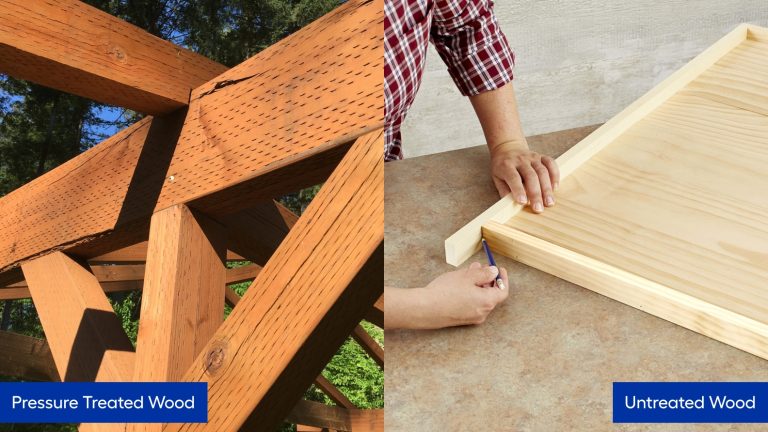
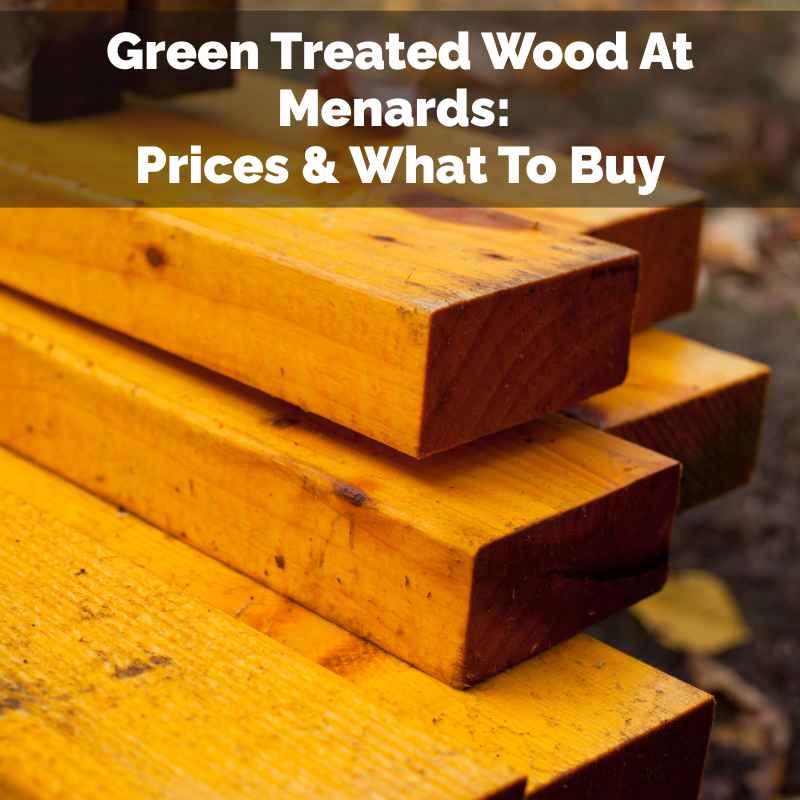
Green treated wood is a type of lumber that has been treated with chemicals. These chemicals protect the wood. They fight off decay, fungi, and insects.
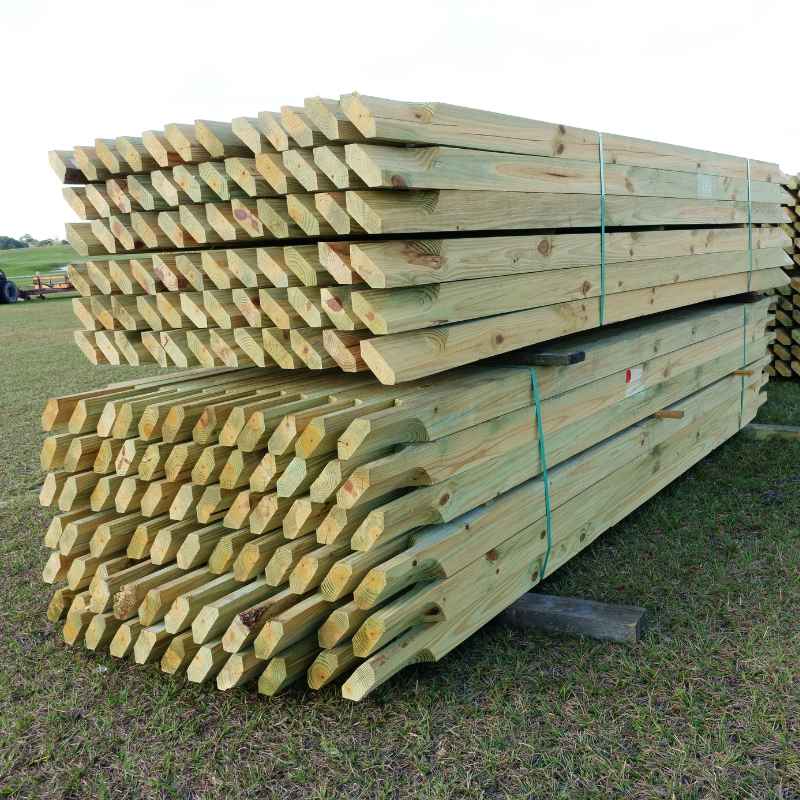
Think of it as giving the wood a shield. This shield helps it last much longer, especially when it’s outdoors. The “green” in its name comes from the appearance of the wood right after treatment.
It often has a greenish tint because of the copper compounds used. This tint fades as the wood dries out.
The process for treating the wood is quite involved. First, the wood is placed in a large, sealed cylinder. Then, a vacuum is pulled.
This removes air from the wood cells. Next, the treatment solution is pumped into the cylinder. Pressure is applied.
This forces the chemicals deep into the wood fibers. Finally, the excess solution is removed. The wood is then dried.
This ensures the chemicals are fixed within the wood. This makes it safe and effective for use.
There are different levels of treatment. The level depends on where the wood will be used. For wood that will be in constant contact with the ground or water, a higher level of treatment is needed.
For wood that is just exposed to the weather, a lower level might be fine. Menards offers various grades of treated lumber. Each grade is suited for different outdoor uses.
Understanding these grades is key to picking the right wood for your project.
The chemicals most often used are alkaline copper quaternary (ACQ) or copper azole (CA). These are designed to be effective yet safer than older treatments. They work by making the wood toxic to insects and fungi.
This stops them from eating or rotting the wood. It’s a smart way to build things that need to stand up to nature’s challenges. This makes it a popular choice for many DIYers and builders.
My Experience Building a Garden Bed
I remember wanting to build a raised garden bed. My old one was falling apart. It was just plain pine.
It had rotted in just a few years. I went to Menards, feeling a bit overwhelmed. There were so many types of wood.
I saw the piles of treated lumber. The lumber looked sturdy. It had that slight greenish hue.
I was worried about chemicals. Would they hurt my vegetables? A friendly worker helped me.
He explained the different treatments.
He showed me the lumber rated for ground contact. He explained that the newer treatments are safe for gardening. He said the chemicals don’t leach out much.
He pointed me towards the ACQ treated pine. It was the right choice for my garden bed. I ended up buying 2×6 boards.
I built a simple four-foot by eight-foot box. It was heavy work, but building it was smooth. The wood was easy to cut and screw together.
That was two years ago. My garden bed still looks as good as new. No rot, no bugs.
It made me a believer in treated wood for outdoor projects.
Understanding Pressure Treatment Levels
Ground Contact: This is the highest level of treatment. It’s for wood that will touch the soil or be submerged in water. Think fence posts, deck pilings, or garden beds.
Above Ground: This level is for wood that is elevated. It won’t directly touch the ground. Deck joists, beams, and railing posts often use this.
It still offers good protection.
Splash Zone: This is for wood that might get wet often but not constantly. It’s a middle ground. Some docks or boat-related structures might use this.
Why Choose Green Treated Wood for Outdoor Projects?
Outdoor projects face tough conditions. The sun beats down. Rain falls.
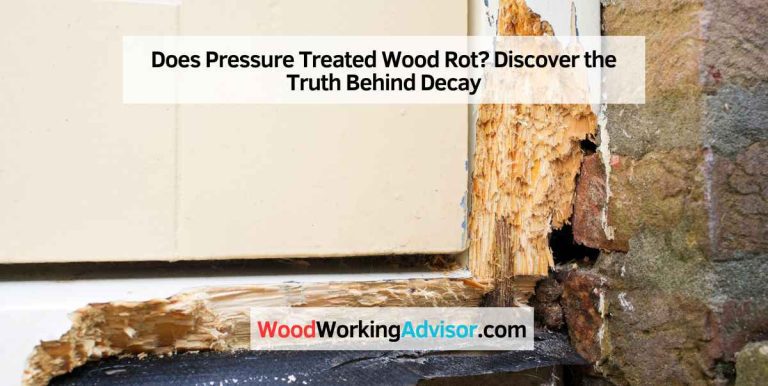
Snow piles up. Insects like termites and carpenter ants are always looking for a meal. Fungi can cause rot.
Untreated wood just can’t stand up to this for long. It starts to break down. It can become unsafe.
This is where treated wood shines. It’s built to resist these natural enemies. It offers much longer lifespan.
Using treated wood saves you money in the long run. You might spend a bit more upfront. But you won’t have to replace the project as often.
This means less labor and fewer material costs over time. It’s a more sustainable choice too. You’re not constantly cutting down new trees to replace worn-out structures.
It’s also versatile. You can use it for almost anything outside. Decks, fences, pergolas, sheds, retaining walls, and play structures are common.
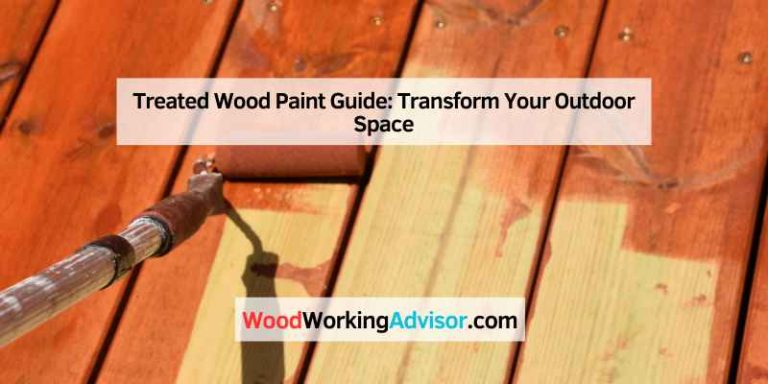
You can even paint or stain treated wood. This lets you match it to your home’s style. Just make sure the wood is dry enough first.
This usually takes a few weeks after purchase.
The treatment process makes the wood stronger against physical damage too. It’s less likely to warp or twist when exposed to moisture changes. This means your projects stay looking good and functional for years.
It gives peace of mind knowing your hard work will last.
Key Benefits at a Glance
- Durability: Resists rot, decay, and insect damage.
- Longevity: Lasts much longer than untreated wood.
- Cost-Effective: Saves money on repairs and replacements over time.
- Versatility: Suitable for a wide range of outdoor structures.
- Stability: Less prone to warping and splitting.
- Low Maintenance: Requires less upkeep compared to untreated wood.
Menards’ Selection of Green Treated Wood
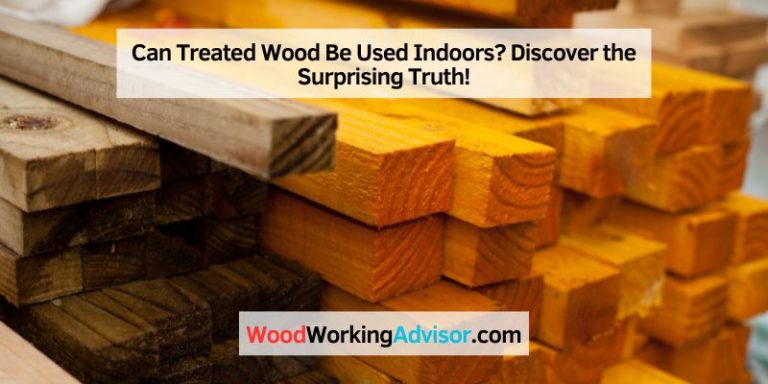
Menards is a go-to place for many DIYers. They have a large selection of treated lumber. You’ll find it in their lumber yard.
You can often buy it in different lengths. Common sizes include 2×4, 2×6, 2×8, 2×10, and 2×12. You can also find posts and larger beams.
The wood at Menards is typically pressure treated. This means it’s treated with chemicals under pressure. This forces the treatment deep into the wood.
You’ll see different wood species available. Pine is very common. Fir is also available.
The species can affect the price and strength.
When you’re at Menards, look for the tags on the wood. These tags tell you important information. They show the treatment level (ground contact or above ground).
They also show the type of treatment used (like ACQ or CA). Some tags might also mention the wood species and dimensions. It’s good to read these carefully.
Make sure you’re getting what you need for your specific project.
You’ll also notice some treated wood is labeled for specific uses. For instance, you might see “decking boards.” These are usually surfaced on all four sides and have rounded edges. Then there are structural beams.
These are built to hold weight. They might have a rougher finish.
Green Treated Wood Prices at Menards
Prices for green treated wood can change. They depend on the size of the lumber, the length, and the treatment level. Wood needed for ground contact is usually a bit more expensive.
This is because it has a higher concentration of treatment chemicals. Larger dimensions also cost more.
Here’s a general idea of what you might expect. Keep in mind these are estimates. Actual prices will vary.
You can always check the Menards website or visit a store for current pricing. Look for sales too. Menards often has deals on lumber.
2x4x8: For an above-ground treated 2x4x8, you might pay around $5 to $8. For ground contact, it could be $7 to $10.
2x6x8: An above-ground 2x6x8 could cost between $7 and $12. A ground contact version might be $9 to $15.
2x8x8: For an above-ground 2x8x8, expect to pay $10 to $18. Ground contact might range from $12 to $20.
2x10x8: An above-ground 2x10x8 might be $15 to $25. Ground contact could go from $18 to $30.
4x4x8 Posts: Treated posts are essential for many projects. An above-ground 4x4x8 post could be $8 to $15. A ground contact post might be $10 to $20.
These are often treated to a higher level.
Decking Boards: Pricing for decking boards is usually per linear foot or per board. A common 5/4×6 deck board might be $1 to $3 per linear foot. This adds up quickly for a large deck.
Large Timbers: For larger projects like pergolas or heavy-duty frames, you’ll buy larger timbers. A 6x6x8 for example, can range from $30 to $60 or more, depending on treatment and grade.
Factors Affecting Price:
- Dimensions: Wider and thicker boards cost more.
- Length: Longer boards are priced higher.
- Treatment Level: Ground contact costs more than above ground.
- Wood Species: Pine is common and often less expensive than fir or cedar.
- Markups: Prices can vary slightly between Menards store locations.
- Market Conditions: Lumber prices fluctuate based on supply and demand.
Quick Price Comparison (Estimates)
| Wood Size | Treatment Level | Approximate Price Range (Menards) |
|---|---|---|
| 2x4x8 | Above Ground | $5 – $8 |
| 2x4x8 | Ground Contact | $7 – $10 |
| 2x6x8 | Above Ground | $7 – $12 |
| 2x6x8 | Ground Contact | $9 – $15 |
| 4x4x8 Post | Ground Contact | $10 – $20 |
Prices are estimates and subject to change. Always check Menards for current pricing.
What to Buy at Menards for Your Project
Choosing the right wood at Menards starts with knowing your project needs. First, decide on the size of the wood. This depends on the structural requirements.
For a simple garden bed, 2×6 boards are usually enough. For a deck, you’ll need larger joists like 2x8s or 2x10s. You’ll also need posts, often 4x4s or 6x6s.
Next, consider the treatment level. If your wood will touch the ground or water, you MUST get ground contact rated lumber. This is crucial for longevity.
If it’s for a deck frame that’s elevated, above-ground treatment might be sufficient. But ground contact offers extra protection and peace of mind.
Look at the wood itself. Try to pick boards that are straight. Avoid pieces with large cracks or knots.
Some knots are okay. But big ones can weaken the wood. Also, check for any signs of damage.
You want wood that will hold up for years.
Don’t forget fasteners. You’ll need screws or nails that are rated for treated lumber. These are usually coated to resist corrosion.
Regular galvanized fasteners can corrode when they react with the treatment chemicals. Menards sells these specialized fasteners. They are essential for the long-term integrity of your project.
If you’re building a deck, you’ll need deck screws. For structural framing, structural screws or ring-shank nails are a good choice. For garden beds, strong deck screws work well.
Consider your finishing plans. If you want to stain or paint your project, check the wood’s moisture content. Treated wood often comes wet from the treatment process.
It needs to dry out before you can apply a finish. This can take a few weeks. Some people choose to let it air dry for a month or two.
Others might use a moisture meter to check.
When Is It Normal for Treated Wood to Be “Green”?
As we touched on, the “green” appearance is normal. It’s a sign that the wood has been treated. The greenish color comes from the copper in the treatment.
When the wood is first treated, it’s quite wet. The chemicals are mixed with water. This makes the wood look distinctly green.
It might also feel damp to the touch.
Over time, as the wood dries, the green color will fade. It will start to turn a grayish-brown color. This is a natural weathering process.
It happens to all wood exposed to the elements. For treated wood, this fading doesn’t mean the protection is gone. The chemicals are bonded to the wood fibers.
They remain effective even as the color changes.
Most treated lumber sold at stores like Menards is shipped wet. This is standard practice. It ensures the chemicals are distributed properly.
You’ll often see handling instructions. They might tell you not to cover it with plastic. This allows it to dry.
Proper drying before finishing is important for paint or stain adhesion.
If you buy treated wood and it looks almost brown already, that’s okay too. It might have dried out a bit more during transport or storage. The key is that it has been pressure treated.
The green color is just a visual cue. It indicates recent treatment and moisture content.
Treating Levels and What They Mean
For Ground Contact: Highest protection. Essential for posts, decks directly on ground, retaining walls, or any part touching soil. Chemicals are forced deeper and at higher concentrations.
For Above Ground: Good protection. For parts of a deck that are elevated, fences not touching ground, or general yard structures. Less intense treatment but still effective.
Not for Above Ground: Some very basic treated wood might not even be for above ground. Check labels carefully. These are rare for project lumber.
What This Means for Your Projects
Knowing about green treated wood helps you make smart choices. For your outdoor projects, treated wood is often the best investment. It lasts.
It resists common problems. It helps your projects look good longer.
When you go to Menards, have a plan. Know the sizes you need. Know if you need ground contact.
This saves you time. It also prevents mistakes. Buying the wrong type of treated wood can lead to premature failure.
That means replacing parts or the whole thing sooner than you’d like.
Think about the fasteners too. Using the wrong screws can cause them to rust and fail. This compromises your structure.
Always get the appropriate hardware. Menards has these specialized screws and nails.
Consider the drying time if you plan to paint or stain. Rushing this step leads to peeling finishes. Be patient.
Let the wood dry properly. This will make your finished project look professional and last longer. A moisture meter can be a handy tool for this.
For garden beds, remember that while the newer treatments are safer, you still might want a barrier. A heavy plastic liner between the soil and the wood can offer extra peace of mind. Though many people use treated wood directly without issues.
It’s a personal choice.
Quick Fixes & Tips for Treated Lumber
Even treated wood needs some care. Here are a few tips to help your projects stay strong and look good:
- Inspect Before Buying: Always look over the boards at the store. Pick the straightest ones with the fewest defects.
- Use Proper Fasteners: Always use coated screws or nails designed for treated lumber. This prevents corrosion and rust stains.
- Cut Ends Need Protection: When you cut treated wood, the treated end-grain is exposed. This is the most vulnerable spot. Use a good quality wood preservative spray or dip on all cut ends. Menards sells these.
- Allow Wood to Dry: If you plan to paint or stain, let the wood dry for several weeks. A moisture meter helps confirm it’s ready.
- Regular Cleaning: Clean your deck or other structures annually. Remove leaves and debris. This prevents moisture from staying trapped. It also helps stop mold and mildew growth.
- Seal It: Applying a water-repellent sealer every few years can add extra protection. It helps prevent drying and cracking from the sun.
- Build Smart: Ensure your design allows for water drainage. Avoid flat spots where water can pool. Good airflow is also important, especially for decks.
Post-Purchase Care for Treated Wood
Cutting: Always seal cut ends with a wood preservative. This is a critical step.
Drilling: When drilling holes for fasteners, seal those holes too.
Drying: For finishes, wait for the wood to dry. This usually takes 2-3 weeks, but can be longer.
Fasteners: Use exterior-grade, hot-dipped galvanized or stainless steel fasteners.
Frequently Asked Questions
Is green treated wood safe for vegetable gardens?
Yes, modern green treated wood (like ACQ and CA) is generally considered safe for vegetable gardens. The chemicals used are less toxic than older treatments. They bind well to the wood.
Leaching into the soil is minimal. However, for extra peace of mind, you can add a plastic liner between the soil and the wood. Always check product labels for specific use recommendations.
How long does green treated wood last?
Green treated wood can last for many years, often 20 to 30 years or even more. This depends on the treatment level, exposure to elements, and maintenance. Ground contact rated wood will last longer when in contact with soil.
Above ground wood also has a very long lifespan.
Can I paint or stain green treated wood?
Yes, you can paint or stain green treated wood. However, it must be dry first. Treated wood often comes wet from the factory.
Allow it to dry for several weeks or months. Use a moisture meter to check if it’s below 15% moisture content. Then use an exterior-grade paint or stain.
What is the difference between ground contact and above ground treated wood?
Ground contact treated wood has a higher concentration of preservatives. It is designed to resist decay and insects when in direct contact with soil or freshwater. Above ground treated wood has a lower level of preservatives.
It is suitable for structures not touching the ground, like deck frames.
Do I need special screws for treated wood?
Yes, it is highly recommended to use special fasteners for treated wood. Standard galvanized fasteners can corrode when they react with the copper in the wood treatment. Use hot-dipped galvanized or stainless steel screws and nails.
Menards sells these specifically for treated lumber.
Why is treated wood green?
The green color comes from the copper-based preservatives used in the treatment process. These chemicals protect the wood from rot, fungi, and insects. The color is most noticeable when the wood is new and wet.
It fades to a gray or brown as the wood dries and weathers.
Conclusion
Building with green treated wood from Menards offers a fantastic way to ensure your outdoor projects stand the test of time. Understanding the different treatment levels, what the prices mean, and how to select the best boards will set you up for success. Remember to use the right fasteners and protect your cuts.
With a little planning, your new deck, fence, or garden bed will be a source of pride for years to come.