Glass Deck Railing Systems: Best Options For Every Budget
Glass deck railings are a beautiful addition to any home. They offer clear views and a modern look. But choosing the right system can feel overwhelming.
You might wonder about costs, installation, and how well they hold up. We get it. It’s a big decision for your home.
This guide breaks it all down. You’ll learn about the different types, what to expect price-wise, and how to pick the perfect fit. Let’s make your deck dreams a reality.
Glass deck railing systems provide unobstructed views and a sleek, modern aesthetic for outdoor spaces. They come in various styles, materials, and price points, catering to different needs and budgets. Understanding the options, installation, and upkeep is key to a successful project.
What are Glass Deck Railings?
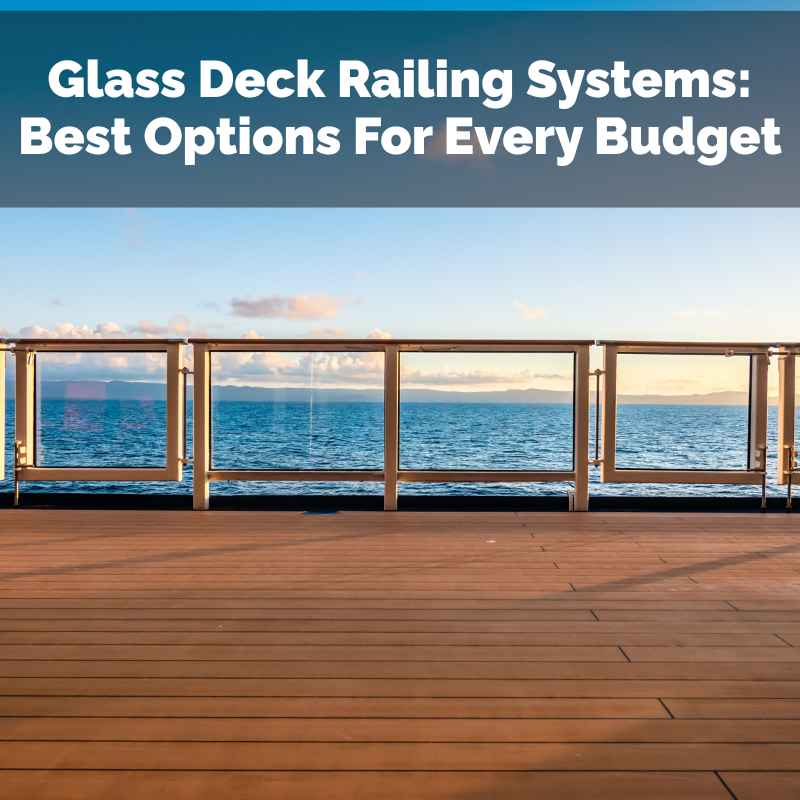
Glass deck railings use panels of glass instead of traditional wood or metal balusters. These glass panels create a seamless barrier. They allow you to see your yard or view.
They don’t block your sightline at all. This makes your deck feel bigger. It also connects your indoor space to the outdoors better.
The glass is usually tempered or laminated for safety. This means it’s strong and breaks into small, dull pieces if it does break. This is much safer than sharp shards.
The framing for the glass can vary. Some systems have a full frame. Others have minimal posts.
Some even offer a frameless look. The type of glass and framing impacts the style and cost. It also affects how easy it is to clean and maintain.
Think about the overall look you want for your home. Do you prefer something very modern? Or something that feels a bit more classic?
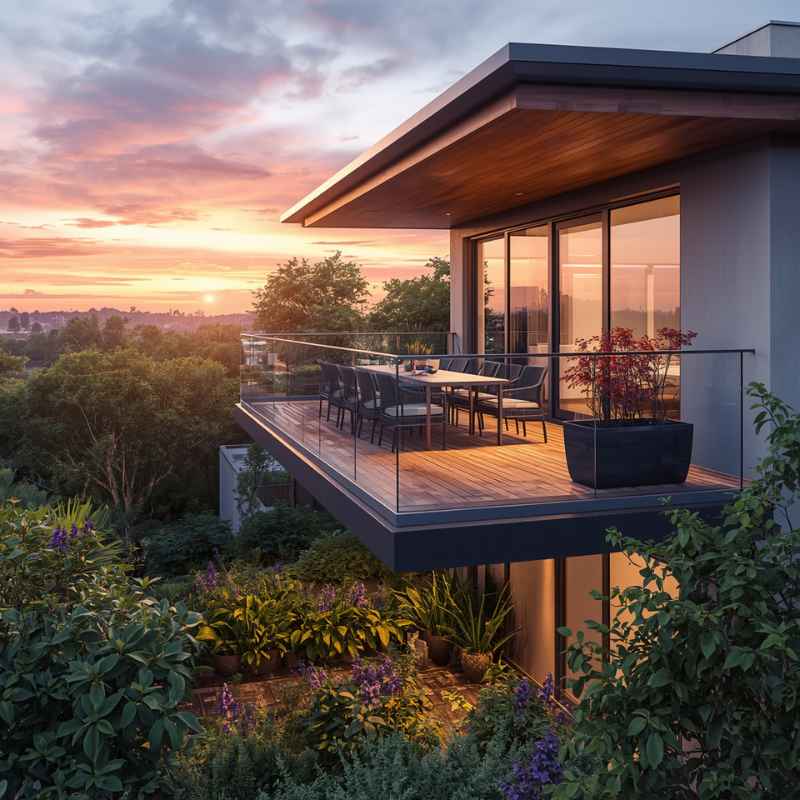
My First Encounter with Glass Deck Railings
I remember visiting a friend’s new house a few years ago. They had just finished renovating their backyard deck. It was a sunny Saturday afternoon.
As I walked onto the deck, I was struck by the view. Their deck overlooked a lush garden and a small pond. Before, there had been old wooden railings.
They were functional but blocked so much of the scenery. Now, it was like the deck opened up to the entire yard. The glass panels just shimmered in the sun.
I remember reaching out to touch the cool glass. It felt solid and safe. My friend told me they debated it for months.
The cost seemed high at first. But seeing it, I understood why they felt it was worth it. The whole space felt so much more open and airy.
It was a real game-changer for their outdoor living.
Key Components of Glass Railing Systems
Glass Panels: These are the main feature. They are typically made from tempered or laminated safety glass. Thickness matters for strength and wind resistance.
Standard sizes are common, but custom cuts are possible.
Mounting Hardware: This secures the glass panels. Options include posts, channels, or clamps. Metal types like stainless steel or aluminum are popular for durability and looks.
Top Rails (Optional): Some systems have a top rail for a finished look and added grip. This can be metal, wood, or sometimes even integrated into the glass system.
Types of Glass Deck Railing Systems
There are several main types of glass deck railing systems. Each has its own look and price. Knowing these helps you narrow down your choices.
It also helps you fit your budget.
Framed Glass Railings
These systems use a full frame around each glass panel. The frame is usually made of aluminum or vinyl. It’s often painted to match your home’s style.
This type of system is very common. It’s also usually the most budget-friendly option for glass railings.
The frame adds extra support. This makes them very durable. They are also simpler to install.
Many DIYers choose framed systems. The frame itself can be a design element. You can choose different colors for the frame.
This helps it blend with your deck or house. However, the frame does take up some of the view. It’s not as open as frameless systems.
Framed Railing Pros & Cons
- Pros: Lower cost, easier installation, strong support, durable frame.
- Cons: Frame partially obstructs views, can look less modern than other options.
Semi-Frameless Glass Railings
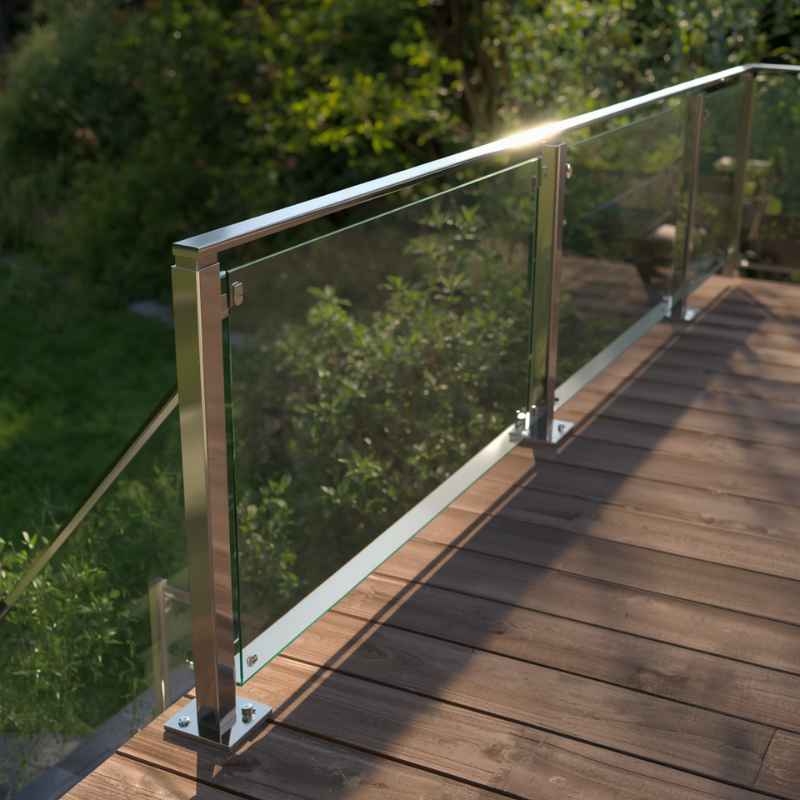
These systems have a frame along the top rail. The sides of the glass panels might be exposed. Or they might be held by smaller posts or clamps.
This design offers a good balance. You get a lot of the open feel. But you still have a sturdy top rail.
Semi-frameless systems look more elegant than fully framed ones. They offer a cleaner line. The top rail is great for resting drinks or leaning.
The glass panels themselves are still usually supported by posts or a channel at the bottom. This type is a step up in price from fully framed. But it gives you a nicer aesthetic.
It’s a popular choice for many homeowners.
Semi-Frameless Railing Quick Scan
Look: Modern, clean lines.
Support: Top rail, post/channel support below.
View: Mostly unobstructed.
Cost: Mid-range.
Installation: Moderate.
Postless Glass Railings (or Frameless)
This is the most sleek and modern option. Postless systems have no vertical frames. The glass panels are often supported by small metal clamps or a slim channel at the bottom.
Sometimes, the glass panels are set directly into the deck or a base. This creates an almost completely invisible barrier.
Postless systems offer the ultimate open view. They make your deck feel like an extension of your landscape. The look is very high-end.
However, they are also the most expensive. Installation can be more complex. It requires precise measurements and mounting.
If you want the most stunning, unobstructed view, this is the way to go. But be prepared for a higher price tag and potentially more involved installation.
Postless System Comparison
| Feature | Framed | Semi-Frameless | Postless |
| View Obstruction | High | Medium | Very Low |
| Cost | Low | Medium | High |
| Installation Ease | Easy | Moderate | Complex |
Glass Options and Considerations
Not all glass is created equal when it comes to railings. Safety and durability are top priorities. You’ll encounter different types of glass.
Knowing the difference helps you make a smart choice.
Tempered Glass
This is the most common type for deck railings. Tempered glass is heat-treated. This makes it much stronger than regular glass.
It’s about four to five times stronger. If it does break, it shatters into small, blunt pieces. These pieces are much less likely to cause serious injury.
This is why it’s a safety standard for railings.
Tempered glass is great for areas with kids or pets. It can withstand everyday bumps and knocks better. It’s also resistant to temperature changes.
This is important for outdoor use where weather can be extreme. Most building codes require tempered glass for deck railings. Always check your local building codes.
Laminated Glass
Laminated glass has a layer of plastic or vinyl between two panes of glass. This layer holds the glass together if it breaks. So, it cracks but stays in one piece.
This is the same type of glass used in car windshields.
Laminated glass offers an extra layer of security. It’s also good for soundproofing. However, it can be more expensive than tempered glass.
Some high-end railing systems might use laminated glass for extra safety and security. For most home decks, tempered glass is perfectly sufficient and meets safety standards.
Glass Thickness
The thickness of the glass is crucial. It affects its strength and how much wind it can handle. For residential decks, 1/4 inch (6mm) or 3/8 inch (10mm) tempered glass is common.
Thicker glass, like 1/2 inch (12mm), offers more robustness.
Your location and deck height matter. Coastal areas with strong winds might need thicker glass. Taller decks also experience more wind force.
Always consult with your railing supplier or installer. They can advise on the correct glass thickness for your specific situation. They know building codes too.
Glass Type Summary
Tempered Glass: Strong, breaks into small dull pieces. Standard safety choice.
Laminated Glass: Two panes with a plastic layer. Cracks but stays together. Extra security.
Thickness: 1/4″ to 1/2″ is typical. Thicker for windy areas or higher decks.
Cost of Glass Deck Railings
The price of glass deck railings can vary a lot. It depends on the system type, materials, and installation. It’s important to have a realistic budget in mind.
This helps you choose the best option for your home.
DIY vs. Professional Installation
DIY kits are usually less expensive. You buy pre-cut panels and hardware. You do all the work yourself.
This saves on labor costs. However, it requires time, skill, and the right tools. Mistakes can be costly.
You might need to replace parts or hire someone to fix them.
Professional installation costs more. But it ensures the job is done right. Installers have experience with different systems.
They know how to meet building codes. They can also offer warranties on their work. For complex systems like postless railings, professional installation is highly recommended.
Factors Affecting Price
Here are the main things that influence the cost:
- Type of System: Frameless is most expensive, followed by semi-frameless, then framed.
- Glass Thickness and Type: Thicker or laminated glass costs more.
- Hardware Materials: Stainless steel is usually more expensive than aluminum.
- Length of Railing: More linear feet means higher cost.
- Complexity of Installation: Stairs, curves, or difficult terrain increase labor costs.
- Brand and Manufacturer: Some brands are known for higher quality and price.
- Local Labor Rates: Installation costs vary by region.
As a rough estimate, framed glass railing systems might start around $75-$150 per linear foot. Semi-frameless systems could range from $150-$300 per linear foot. Fully frameless systems can go from $250-$600+ per linear foot.
These are just estimates. Get quotes for your specific project.
Budget Breakdown Example (Per Linear Foot)
Framed System (DIY): $75 – $120
Framed System (Pro): $100 – $175
Semi-Frameless (Pro): $150 – $300
Postless (Pro): $250 – $600+
Note: These are general estimates. Actual costs vary widely.
Installation Process for Glass Deck Railings
Installing glass deck railings can be a big project. The exact steps depend on the system you choose. But here’s a general idea of what’s involved.
Pre-Installation Checks
Before any work begins, you need to plan. Measure your deck area carefully. Note any obstructions like posts or steps.
Check your local building codes for railing height and spacing requirements. Most codes require railings to be at least 36 inches high for residential decks. Some areas may have higher requirements.
Gather all your tools. This might include a level, tape measure, drill, screws, and safety gear. If you’re using a professional, they will handle measurements and planning.
Mounting the Posts or Channels
For framed and semi-frameless systems, posts are usually installed first. These posts are bolted securely to the deck frame. They must be plumb (perfectly vertical) and spaced correctly.
The distance between posts depends on the glass panel size and type.
For postless systems, you’ll either install a continuous base channel along the edge of the deck. Or you’ll mount small clamps directly to the deck surface or edge. This step is critical for the stability of the entire railing.
Precision is key here.
Installing the Glass Panels
Once posts or channels are secure, the glass panels are carefully installed. For framed systems, the panels slide into the frames. For semi-frameless or postless systems, the glass is often secured with specialized clamps.
These clamps are tightened to hold the glass firmly.
It’s important to handle glass panels with care. Wear gloves to avoid fingerprints. Use a level to ensure each panel is straight.
The glass panels are heavy. You might need help lifting them into place.
Adding Top Rails (If Applicable)
If your system includes a top rail, it’s usually installed last. The top rail attaches to the tops of the posts or directly to the glass panels. This provides a finished look and an extra handhold.
For postless systems, some designs have a very slim top rail. Others are designed to be used without one. Make sure all hardware is tightened securely.
Double-check everything for stability and safety. A final inspection is always a good idea.
Installation Flow
1. Measure & Plan: Check codes, note obstructions.
2. Install Posts/Channels: Securely bolt to deck frame.
3. Mount Glass Panels: Use clamps or slide into frames.
4. Add Top Rail (if any): Secure to posts or glass.
5. Final Check: Ensure all hardware is tight and stable.
Maintenance and Cleaning of Glass Railings
Glass deck railings look stunning when clean. But like any outdoor feature, they need regular care. Maintenance is usually straightforward.
Cleaning the Glass
The most frequent task is cleaning the glass panels. Use a soft cloth or squeegee with mild soap and water. Avoid abrasive cleaners.
These can scratch the glass. For stubborn spots like bird droppings or hard water stains, a solution of white vinegar and water can work well. Rinse thoroughly with clean water.
Dry with a clean, lint-free cloth to prevent water spots.
You’ll likely need to clean your glass railings more often than you’d clean traditional railings. This is especially true if you live near trees or bodies of water. Rain can also leave marks.
A routine cleaning schedule will keep them looking their best.
Checking Hardware
Regularly inspect all hardware. This includes posts, clamps, and screws. Over time, especially in harsh weather, things can loosen.
Check for any signs of rust or corrosion, especially on metal parts. Tighten any loose screws or bolts. This ensures the safety and stability of the railing system.
If you notice any damage or wear, address it promptly. Small issues can become bigger problems if ignored. For stainless steel hardware, occasional polishing can help maintain its shine.
Cleaning Tips
Daily/Weekly: Quick wipe-down to remove dust or light spots.
Monthly: Deeper clean with soap and water or vinegar solution.
Tools: Soft cloth, squeegee, mild soap, white vinegar.
Avoid: Abrasive cleaners, harsh chemicals.
Real-World Context: When Glass Railings Shine
Glass deck railings are fantastic for specific situations. They really enhance certain types of properties and views.
Homes with Great Views
If your home sits on a beautiful lot, a glass railing is a must. Think oceanfront properties, mountain homes, or houses overlooking a lake. The railing becomes almost invisible.
It doesn’t interfere with the stunning scenery. It lets the natural beauty take center stage. This is a huge selling point for such homes.
Modern Architecture
For homes with modern or minimalist designs, glass railings fit perfectly. They offer clean lines and a sleek, sophisticated look. They complement materials like concrete, steel, and wood.
This creates a seamless flow between indoor and outdoor spaces.
Small or Compact Decks
On smaller decks, traditional railings can make the space feel cramped. Glass railings open up the area. They create an illusion of more space.
This is great for urban homes or smaller backyards where maximizing usable outdoor area is important.
Scenario Spotlight: Beach House Deck
Challenge: Maximize ocean views, withstand salt air.
Solution: Stainless steel framed or semi-frameless glass railings. Tempered glass for safety. Regular cleaning to combat salt spray.
Benefit: Unobstructed panoramic ocean views, modern aesthetic.
What This Means for You: Normal vs. Concerning Signs
It’s good to know what to look for with your glass railings. When should you be happy, and when should you worry?
Normal Signs
- Light Scratches: Minor surface scratches can happen over time. They might be from cleaning or small debris.
- Water Spots: If you don’t dry the glass thoroughly, water spots can appear. These are usually easy to clean.
- Minor Wiggle: A very slight, almost imperceptible movement in the railing might occur in some systems. However, it should never feel loose or unsafe.
- Fingerprints: Glass shows fingerprints easily. This is normal and just means it’s time for a clean.
Concerning Signs
- Cracks or Chips: Any visible crack or chip in the glass is a serious safety concern. This means the glass needs immediate replacement.
- Loose Posts or Clamps: If posts wobble or clamps feel loose, the structural integrity is compromised. This needs to be fixed right away.
- Corrosion: Significant rust or corrosion on metal hardware can weaken it. Inspect metal parts regularly.
- Sagging Top Rail: If the top rail seems to be sagging or not straight, it might not be properly supported.
- Difficulty Opening Doors: If the railing interferes with the opening of nearby doors, it may have been installed too close or at the wrong height.
If you see any concerning signs, don’t hesitate. Contact the installer or a professional. Safety is the top priority.
It’s better to be safe than sorry with your deck railing.
Quick Check List
Check for: Cracks, chips, loose hardware, rust.
Test for: Wobble, sagging, stability.
When in doubt: Call a professional.
Quick Fixes and Tips for Glass Railings
While major repairs should be left to pros, a few tips can help you keep your glass railings in top shape.
- Clean Regularly: Make it a habit to wipe down the glass weekly. This prevents dirt and grime from building up.
- Address Spots Quickly: Don’t let stains sit. Bird droppings or sap can etch the glass if left for too long.
- Keep Hardware Tight: Periodically check and tighten any screws or bolts on the posts and clamps.
- Use a Squeegee: After washing, use a good quality squeegee. This removes excess water and prevents streaks.
- Protect from Impact: Be mindful of heavy objects or tools near the glass. Avoid leaning on it with excessive force.
- Consider Protective Coatings: Some hydrophobic coatings can be applied to glass. These can help repel water and dirt, making cleaning easier.
These small steps can make a big difference in the longevity and appearance of your glass deck railing system. They help maintain that beautiful, clear view for years to come.
Frequently Asked Questions About Glass Deck Railings
Are glass deck railings safe?
Yes, glass deck railings are very safe when installed correctly. They use tempered or laminated safety glass. This type of glass is designed to break into small, dull pieces if damaged, reducing the risk of injury.
Building codes often mandate specific safety standards for glass railings.
How much do glass deck railings cost?
The cost varies widely, typically from $75 to over $600 per linear foot. Factors include the system type (framed, semi-frameless, postless), glass thickness, hardware material, and whether it’s DIY or professionally installed. Framed systems are usually the most budget-friendly.
Can I install glass railings myself?
Some framed glass railing systems are designed for DIY installation. However, semi-frameless and postless systems often require specialized tools and precise measurements, making professional installation highly recommended for safety and proper fit. Mistakes can be costly and compromise safety.
How do I clean glass deck railings?
Cleaning is simple. Use mild soap and water with a soft cloth or squeegee. Avoid abrasive cleaners that can scratch the glass.
A solution of white vinegar and water is effective for tough spots. Rinse thoroughly and dry with a lint-free cloth to prevent water spots.
Are glass railings durable enough for outdoor use?
Yes, glass railings are very durable. They are typically made from tempered or laminated safety glass, which is strong and resistant to weather. However, like any glass, they can be scratched or broken by severe impact.
Regular maintenance helps ensure their longevity.
What is the difference between tempered and laminated glass for railings?
Tempered glass is strengthened by heat treatment and breaks into small, blunt pieces. Laminated glass consists of two panes bonded by a plastic layer, so it cracks but stays together. Both are safe, but laminated offers an extra layer of security.
Tempered glass is more common for standard railings.
Conclusion
Glass deck railings can transform your outdoor living space. They offer unobstructed views and a modern touch. Whether you choose a budget-friendly framed system or a high-end postless design, they add value and beauty.
By understanding the options, costs, and maintenance, you can select the perfect glass railing for your home. Enjoy your enhanced view!