Electric Hand Saw For Wood: Best Picks That Actually Cut
The best electric hand saws for wood make straight, clean cuts with ease. Key features include motor power, blade type, depth and bevel adjustments, and safety guards. Picking the right one depends on your project’s needs, from simple DIY tasks to more demanding woodworking.
Understanding the Electric Hand Saw
An electric hand saw is a power tool. It uses a motor to spin a blade very fast. This spinning blade cuts through materials.
For wood, there are a few main types. Each type is good for different kinds of jobs. Knowing these types helps you pick the right one for your needs.
Think about what you’ll be cutting most often.
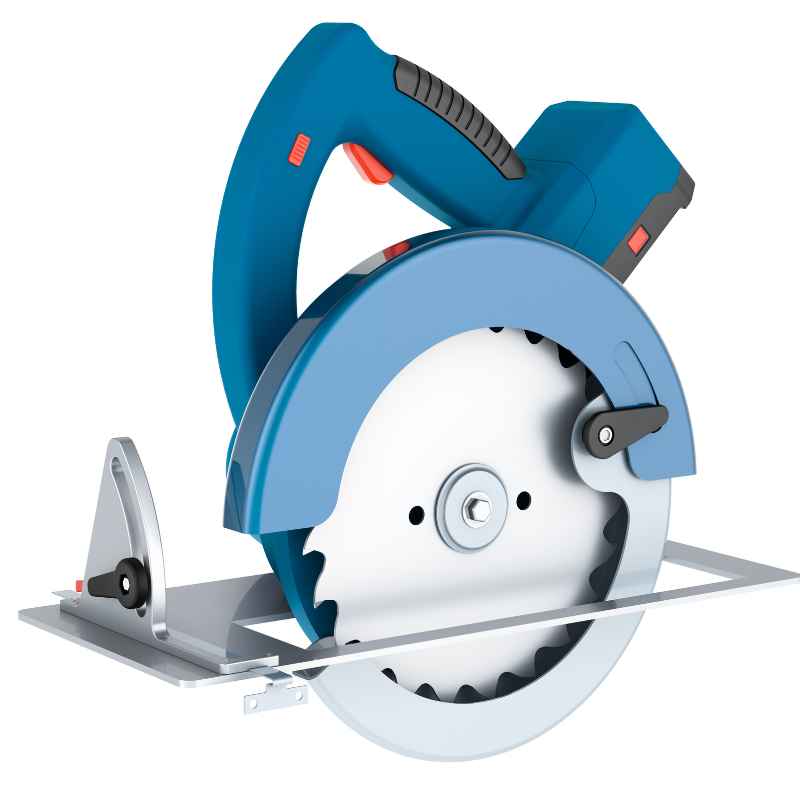
The most common type is the circular saw. It has a round, toothed blade. This blade spins and cuts through wood quickly.
It’s great for straight cuts. You can cut plywood, lumber, and other wood pieces with it. It’s a workhorse for many DIY tasks.
It’s often used for framing a house or building a deck.
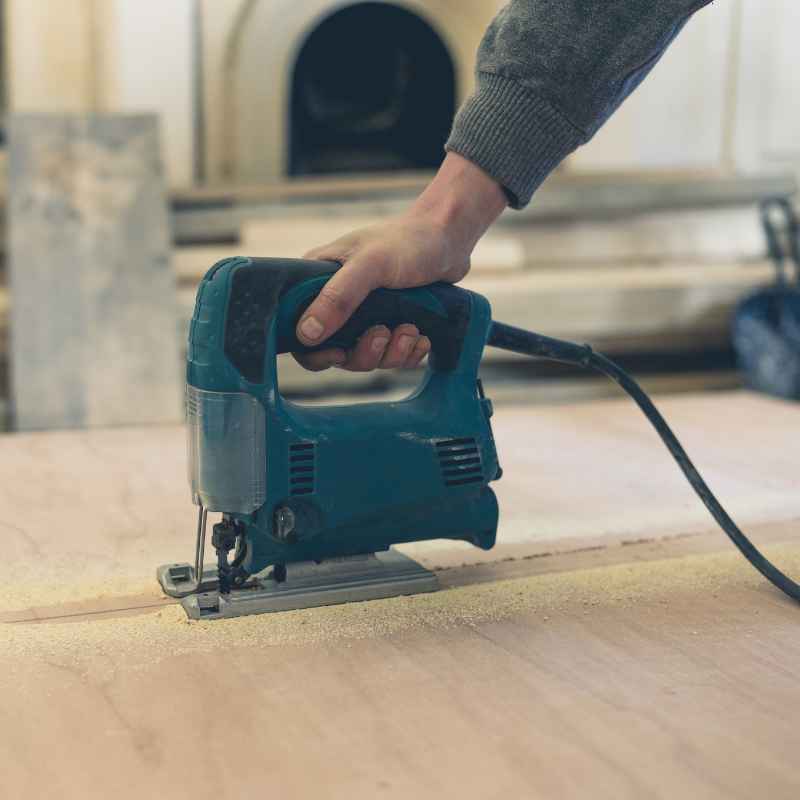
Another popular choice is the jigsaw. This saw has a thin, up-and-down blade. It can cut curves and shapes.
If you need to cut a hole or make a fancy design in wood, a jigsaw is the tool. It offers more control for detailed work. It’s not as fast as a circular saw for long straight cuts.
The reciprocating saw is also called a “Sawzall.” It has a blade that moves back and forth. This saw is very powerful. It’s good for rough cuts.
You can use it to cut through wood, but also nails and other materials. It’s often used in demolition. It’s not ideal for precise, clean cuts on nice wood.
Finally, there are special saws like the D-handle circular saw or the track saw. D-handle saws give you more control. Track saws use a guide rail for super straight cuts.
These are for folks who need extra precision. For most home projects, a standard circular saw or jigsaw will do the job well.
My First Sawing Mishap
I remember when I first tried to build a simple bookshelf. I was so excited. I had bought all the wood.
I had this new electric hand saw. It looked powerful. I plugged it in.
The noise was pretty loud. I tried to make the first cut on a nice pine board. It was wobbly.
The cut was jagged. Sawdust flew everywhere. I felt a bit defeated.
The edge looked chewed up. It wasn’t the clean line I pictured. I had to go back and sand it a lot.
Sometimes, the tool just doesn’t match the vision in your head.
That experience taught me a lot. It wasn’t just about having a saw. It was about having the right saw.
And knowing how to use it. A good saw makes all the difference. It saves you time and frustration.
It helps your projects look professional. I learned that day that investing a little more in a quality tool pays off. It makes the whole process more enjoyable.
And the results are much better.
Circular Saw Basics
What it is: A power tool with a round, spinning blade.
Best for: Straight cuts on lumber, plywood, and sheet goods.
Key features: Motor power (amps), blade diameter (inches), cutting depth, bevel angle.
Tip: Use the right blade for the wood type.
Choosing the Right Type of Saw
When you’re looking for an electric hand saw, the first big choice is the type. This choice depends on what you plan to do. Are you building a fence?
Cutting lumber for a shed? Or are you making decorative shelves? Let’s break it down simply.
For making long, straight cuts in boards or sheets of wood, a circular saw is usually your best bet. Think about cutting planks for a deck. Or ripping a large sheet of plywood down to size.
A circular saw excels here. They are fast and efficient for these tasks. They leave a nice, straight edge.
If your projects involve curves, circles, or intricate shapes, then a jigsaw is the way to go. Imagine cutting out a sink hole in a countertop. Or creating a decorative archway.
A jigsaw’s thin blade can turn and maneuver. It allows for much more detail. It’s like a pen for cutting wood.
For demolition or rough cutting where precision isn’t the main concern, a reciprocating saw is a powerful option. This is for taking things apart. Or cutting through studs and nails.
It’s a brute force tool. It’s not for fine woodworking. The cuts can be rough.
There are also specialty saws. A miter saw is great for angled cuts. But it’s not a “hand” saw.
A circular saw with a guide rail (track saw) offers extreme precision for long cuts. But these are pricier and more specialized.
Most home users will find themselves choosing between a circular saw and a jigsaw. Or maybe owning both! A good all-around circular saw is essential for basic DIY.
A jigsaw adds versatility for more creative projects. Consider your most common tasks. That will guide your decision.
Key Features to Look For
Once you know the type of saw you need, let’s talk about what makes one saw better than another. It’s not just the brand name. There are specific features that matter.
These features affect how well the saw cuts. They also impact how easy and safe it is to use.
Motor Power: For circular saws, this is often measured in amps. More amps generally mean more power. More power helps the saw cut through thicker wood.
It also means the blade won’t slow down as much under load. For most wood cutting, 10-15 amps is a good range. For jigsaws, look at watts or voltage.
More is usually better for tougher jobs.
Blade Size and Type: For circular saws, blade diameter is key. Common sizes are 6.5 inches and 7.25 inches. Larger blades can cut deeper.
They also tend to make smoother cuts. But they make the saw heavier. Always check what blade size the saw accepts.
The type of blade matters too. There are blades for ripping (long cuts) and blades for cross-cutting (short cuts). There are also multi-purpose blades.
Cutting Depth and Bevel Capacity: How thick of a board can the saw cut? This is the cutting depth. Make sure it’s enough for the wood you use.
Can the saw make angled cuts? This is the bevel capacity. Many saws can tilt from 0 to 45 degrees.
This is useful for many projects. Check how easy it is to adjust these settings. Do you need a tool to do it?
Or can you do it by hand?
Ergonomics and Weight: You’ll be holding this saw. How does it feel in your hands? Is it comfortable to grip?
Is it too heavy for you to control? Some saws are lighter than others. Look for a good balance.
A comfortable handle can prevent fatigue. It also helps you make better cuts.
Dust Collection: Cutting wood creates a lot of dust. Some saws have a dust port. You can attach a vacuum cleaner to it.
This helps keep your workspace cleaner. It also improves visibility. You can see your cut line better without dust in the way.
Safety Features: This is super important. Look for a blade guard. It should retract smoothly.
And cover the blade when you’re not cutting. Electric brakes are also great. They stop the blade almost instantly when you let go of the trigger.
This is a huge safety improvement.
Corded vs. Cordless: Corded saws offer unlimited runtime. They are usually more powerful for their price.
Cordless saws offer freedom of movement. You’re not tied to an outlet. Battery life is important here.
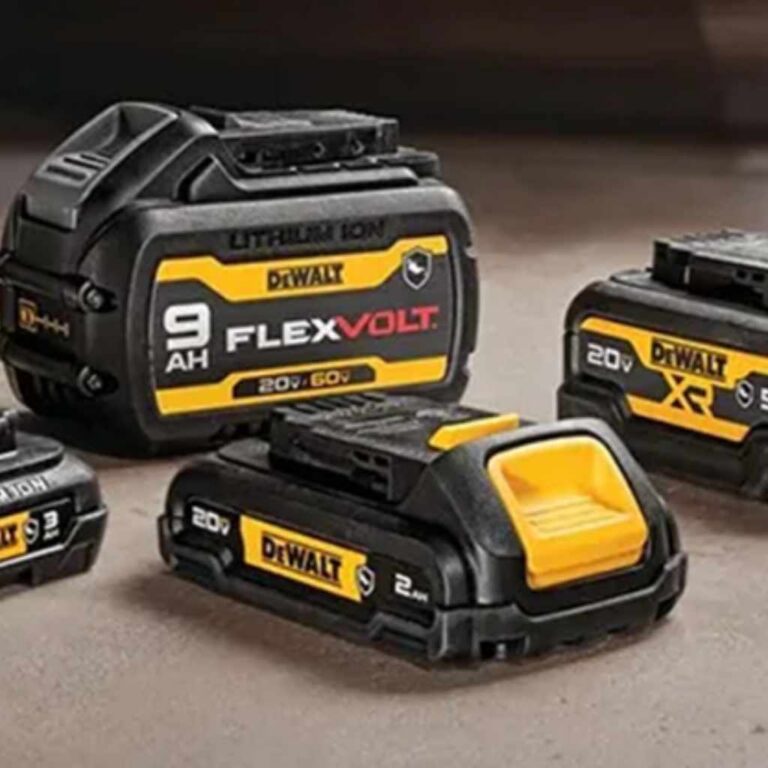
Make sure the battery lasts long enough for your needs. Consider the battery platform if you have other tools from the same brand.
Jigsaw vs. Reciprocating Saw
Jigsaw: Thin, up-and-down blade. For curves and detailed cuts. Good for craft projects, making openings.
Reciprocating Saw: Long, back-and-forth blade. For rough demolition cuts. Can cut through nails and wood.
Key Difference: Precision vs. Power. Jigsaws are for detail.
Reciprocating saws are for rough work.
Top Picks for Electric Hand Saws (2024-2025)
Okay, let’s get to some specific tools. These are saws that are highly rated. They offer good performance for their price.
Remember, the “best” saw is the one that fits your needs and budget. I’ve tried to pick a mix of options.
1. For the DIY Enthusiast: DEWALT 20V MAX XR Brushless Cordless Circular Saw Kit
This is a fantastic cordless option. DEWALT is a trusted brand. The XR line means it’s built for tougher jobs.
The brushless motor is efficient. It gives you more power and longer battery life. The 7.25-inch blade is a good size.
It offers a good cutting depth. It has an electric brake for safety. It’s relatively lightweight for its power.
The kit usually comes with a battery and charger. It’s great for cutting framing lumber, plywood, and sheet goods. It makes clean, straight cuts when used with a guide.
2. For Precision and Curves: Bosch Professional JS572EK 7.2-Amp Top-Handle Jigsaw
If you need to cut curves or make intricate shapes, this Bosch jigsaw is superb. Bosch tools are known for their quality. This jigsaw has a powerful 7.2-amp motor.
It offers variable speed control. This is crucial for different wood types and finishes. The “Constant Response Circuitry” helps maintain speed under load.
It has a tool-less blade change system, which is super convenient. The vibration control is excellent. It makes the saw easier to handle for longer periods.
It’s ideal for detailed woodworking, cabinet making, or craft projects.
3. The Budget-Friendly All-Rounder: SKIL 5280-01 15-Amp 7-1/4-Inch Circular Saw
For those on a tighter budget, this SKIL circular saw is a solid performer. It has a powerful 15-amp motor. It can handle most common DIY tasks.
The 7-1/4-inch blade is standard. It offers a decent cutting depth. It has a dust blower to help clear the cut line.
The construction is sturdy for the price. It might not have all the bells and whistles of higher-end models. But it gets the job done reliably.
It’s a great starter saw for anyone beginning their DIY journey.
4. The Lightweight Champion: Makita XVJ03Z 18V LXT Lithium-Ion Cordless Brushless Jig Saw (Tool Only)
Makita is another top-tier brand. This cordless jigsaw is praised for its light weight and ergonomic design. The brushless motor provides efficiency.
It’s very comfortable to hold and maneuver. It has a variable speed trigger. It also features a LED light.
This helps illuminate the cutting line. It’s great for tight spaces or detailed work. Remember, this is a “tool only” purchase.
You’ll need a battery and charger. But if you already have Makita 18V LXT batteries, this is an excellent addition.
5. For Tougher Jobs: Milwaukee M18 FUEL SAWZALL Reciprocating Saw Kit
While not for fine cuts, if you need sheer power for demolition or cutting through tough materials like old wood with nails, the Milwaukee M18 FUEL SAWZALL is a beast. The FUEL line means it has advanced brushless motor technology. It offers more power, speed, and battery life.
It has a POWERSTATE™ brushless motor. It delivers up to 30% faster cutting. It also features an LED light.
The anti-vibration system is decent for such a powerful tool. This is for when you need to cut through anything.
Blade Matters
Material: Blades are usually steel, carbide-tipped, or diamond. Carbide-tipped are best for wood.
TPI (Teeth Per Inch): More TPI means smoother cuts. Fewer TPI means faster, rougher cuts.
Tooth Count: For circular saws, common are 24T (ripping), 40T (cross-cutting), or 60T (fine cuts). Jigsaws vary widely.
Specialty Blades: Look for blades for clean finishes, metal cutting, or masonry if needed.
Real-World Scenarios and Usage
Let’s put these saws into action. Imagine you’re building a birdhouse. You need to cut small pieces of wood.
You need to make a round opening for the bird to enter. For this, a jigsaw would be ideal. You can carefully cut the circular entrance.
Then you can cut the smaller pieces for the walls and roof. The control of a jigsaw is perfect for this scale.
Now, imagine you’re building a garden shed. You have large sheets of plywood for the walls. You need to cut them down to size.
You also have 2×4 lumber for the frame. For these long, straight cuts, a circular saw is your best friend. It will quickly and accurately cut through the plywood and lumber.
It makes the framing process much faster.
What if you’re doing a renovation? You need to remove an old wooden partition wall. It has nails embedded in it.
This is where a reciprocating saw shines. It can power through the wood. It can also cut through the nails without much effort.
It’s the tool for messy, demolition-style work.
Sometimes, the type of wood itself matters. Softwoods like pine are easy to cut. Hardwoods like oak are much denser.
You’ll need a more powerful saw and a good blade for hardwoods. For very fine woodworking, like making furniture, you might need saws with even more precision. Or you might use jigsaws with very fine blades for smooth edges.
The environment you work in also plays a role. If you’re working in your garage, a corded saw might be fine. If you’re working outside with no power nearby, a cordless saw is essential.
Dust collection is also more important if you’re working indoors. It helps keep the air cleaner. And your workspace tidier.
Corded vs. Cordless Considerations
Corded:
- Pros: Unlimited power, generally less expensive for same power.
- Cons: Limited by extension cord length, can be a tripping hazard.
Cordless:
- Pros: Freedom of movement, no cord to get tangled, great for remote locations.
- Cons: Battery life is limited, batteries can be expensive, tool might be slightly less powerful than equivalent corded model.
Battery Platforms: If you own tools from a certain brand (like DeWalt, Milwaukee, Makita), look for saws that use the same battery system. This saves money.
What This Means for You
So, what does all this information mean for your projects? It means you have choices. And these choices can make a big difference in your success and enjoyment.
When is a basic saw enough? If you only do occasional small projects, like cutting a board for a shelf or a small repair, a budget-friendly circular saw or jigsaw might be all you need. You don’t need the most expensive, feature-packed model.
When should you invest more? If you plan to do more frequent or complex DIY projects, investing in a higher-quality saw is wise. A more powerful motor, better ergonomics, and advanced safety features will make your work easier and safer. For example, if you’re building a deck or a serious piece of furniture, a good cordless circular saw with a quality battery is a great investment.
When to be extra careful: Always consider safety. No matter the saw, wear safety glasses. Use hearing protection.
Keep your work area clear. Make sure the blade guard is working. If a saw feels too powerful, too heavy, or too difficult to control, it might not be the right saw for you.
Or you might need more practice. Don’t be afraid to slow down. Take breaks.
Rushing leads to mistakes.
Simple checks: Before you buy, try to hold the saw. If you can’t, read reviews focusing on ergonomics. Check the weight.
Look at the depth and bevel adjustments. Are they easy to use? Does the blade retract smoothly?
These small things add up. They affect your experience significantly.
Quick Checks Before Buying
Grip Comfort: Does it feel good in your hand?
Weight Balance: Is it too front-heavy or awkward?
Adjustment Ease: Can you change depth and bevel easily?
Blade Guard: Does it move freely and cover the blade?
Cord Length (if corded): Is it long enough for your typical use?
Battery Life (if cordless): Will it last for your usual tasks?
Quick Tips for Better Cuts
Having the right saw is only half the battle. Using it correctly makes a huge difference. Here are some simple tips to help you get cleaner, straighter cuts every time.
Use the right blade: This is huge. A blade with more teeth per inch (TPI) gives a smoother finish. A blade with fewer teeth cuts faster but can be rougher.
Match the blade to the wood type and the desired finish. For example, use a fine-tooth blade for hardwood. Use a ripping blade for long cuts along the grain.
Use a cross-cut blade for cuts across the grain.
Mark your cut line clearly: Use a pencil and a straight edge (like a ruler or speed square) to draw a clear line. You can even score the line with a utility knife. This gives the saw blade a guide to follow.
It helps prevent the blade from wandering.
Support your material: Make sure the wood you are cutting is well-supported. Use sawhorses or a workbench. If a piece of wood is not supported, it can bind the blade.
This can cause kickback or an uneven cut. Allow the cut-off piece to fall freely. Don’t let it drag on the blade.
Let the saw do the work: Don’t force the saw through the wood. If you push too hard, the motor can bog down. The cut can become rough.
And the blade can overheat. Apply steady, even pressure. Let the speed of the blade do the cutting.
Use a guide for straight cuts: For super straight cuts with a circular saw, use a guide. This can be a factory-made edge guide. Or you can clamp a straight piece of wood or metal to your workpiece.
Align it with your cut line. Then run the edge of your saw’s base plate against the guide.
Watch out for kickback: This is when the saw jumps back towards you. It can happen if the blade binds in the wood. Or if you try to cut with a damaged blade.
Always stand to the side of the blade. Never directly behind it. Keep a firm grip on the saw.
Be aware of where the blade is going.
Keep your saw clean: Sawdust can build up in the motor housing and vents. This can cause overheating. Clean your saw regularly.
Use compressed air to blow out dust. Make sure the blade area is also clean.
Tips for a Clean Cut
- Blade Choice: Use a blade with enough teeth for a smooth finish.
- Marking: Draw a clear, precise cut line.
- Support: Ensure the wood is stable and well-supported.
- Gentle Pressure: Let the saw’s speed do the cutting. Don’t force it.
- Guides: Use a straight edge or clamp for perfect lines.
- Safety First: Be aware of kickback and always use protection.
Frequently Asked Questions
What is the most important feature on an electric hand saw?
For many users, safety features like an electric brake are most important. Power and the right blade type are also crucial for good cutting performance. Ergonomics and weight matter for comfort and control.
Can I use a circular saw for plywood?
Yes, a circular saw is excellent for cutting plywood. Use a blade with more teeth per inch (like 40T or 60T) for a cleaner edge on plywood. Ensure the plywood is well-supported.
How do I make a straight cut with a jigsaw?
Making perfectly straight cuts with a jigsaw is difficult. They are designed for curves. For straighter cuts, you can use a guide.
Clamp a straight edge to the wood. Then run the jigsaw base against that guide. Practice is key.
What’s the difference between a corded and cordless saw?
Corded saws plug into an outlet and offer unlimited power. Cordless saws run on batteries, giving you freedom to move anywhere. Cordless saws require charged batteries, while corded saws are limited by the cord length.
How do I choose the right blade for my saw?
The best blade depends on the material and cut. For wood, consider the TPI (Teeth Per Inch). More TPI means smoother cuts.
Fewer TPI means faster cuts. Also, consider if you need to rip (cut along the grain) or cross-cut (cut across the grain).
Is it safe to use an electric hand saw without experience?
Electric hand saws are powerful tools. It’s best to start with basic safety training and practice on scrap wood. Always wear safety glasses and follow the manufacturer’s instructions.
Take your time to learn how the saw behaves.
Final Thoughts
Finding the right electric hand saw for wood can seem daunting. But by understanding the types, key features, and your own project needs, you can make a great choice. A good saw is an investment.
It makes your DIY projects smoother and more rewarding. Don’t settle for frustration. Pick a tool that works with you.
Happy cutting!