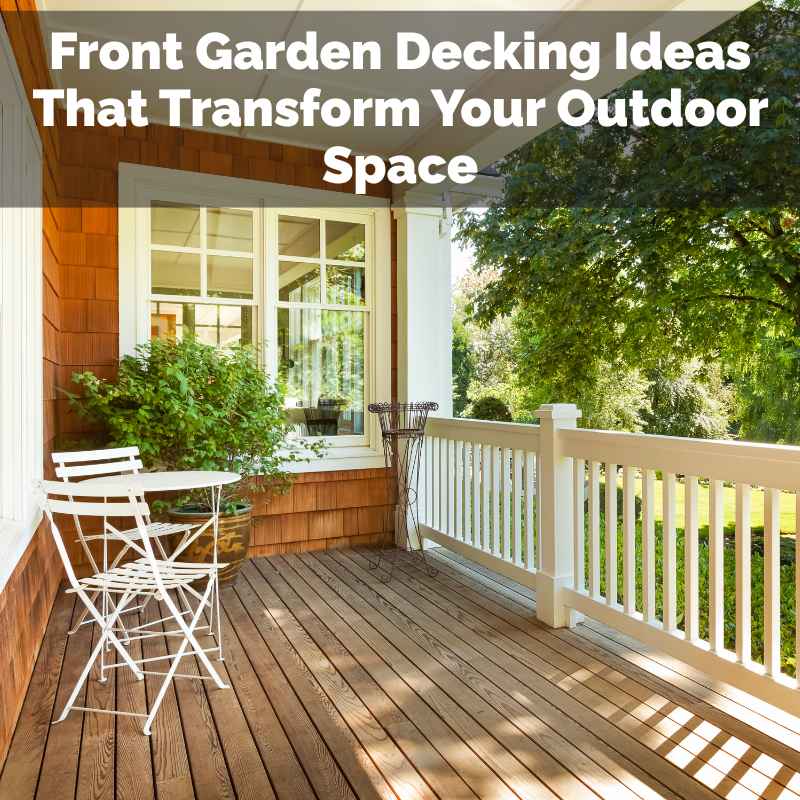
Front Garden Decking Ideas That Transform Your Outdoor Space
It’s all about making your front porch or garden area more welcoming and attractive using decking. You can create pathways, seating areas, or even raised platforms. Decking offers a warm, natural look that can significantly boost your home’s charm and usability.
What Front Garden Decking Can Do for Your Home
Front garden decking is a clever way to add beauty and function to your home’s entry. It’s more than just a path. It can be a whole new outdoor room. Think of it as extending your living space right to your front door. Decking materials are strong and last a long time. They can handle sun, rain, and snow. This makes them perfect for outdoor use.
Why does this matter so much? Well, the front of your house is your home’s handshake. It’s what greets visitors and passersby. A well-designed deck can make your home look more elegant and cared for. It adds real value to your property. People notice these details. It shows pride in ownership.
You might be picturing a massive wooden structure. But front garden decking can be subtle and stylish. It can be small paths weaving through flower beds. Or it could be a lovely platform for a bench and some potted plants. The key is to blend it with your home’s style and the surrounding landscape. It’s about creating harmony.
We’ll explore different materials that can be used. We will look at shapes and sizes that work best. We will also talk about how to pick the right style for your home. You’ll see how decking can change a plain front yard into something amazing. Get ready to rethink your front entrance.
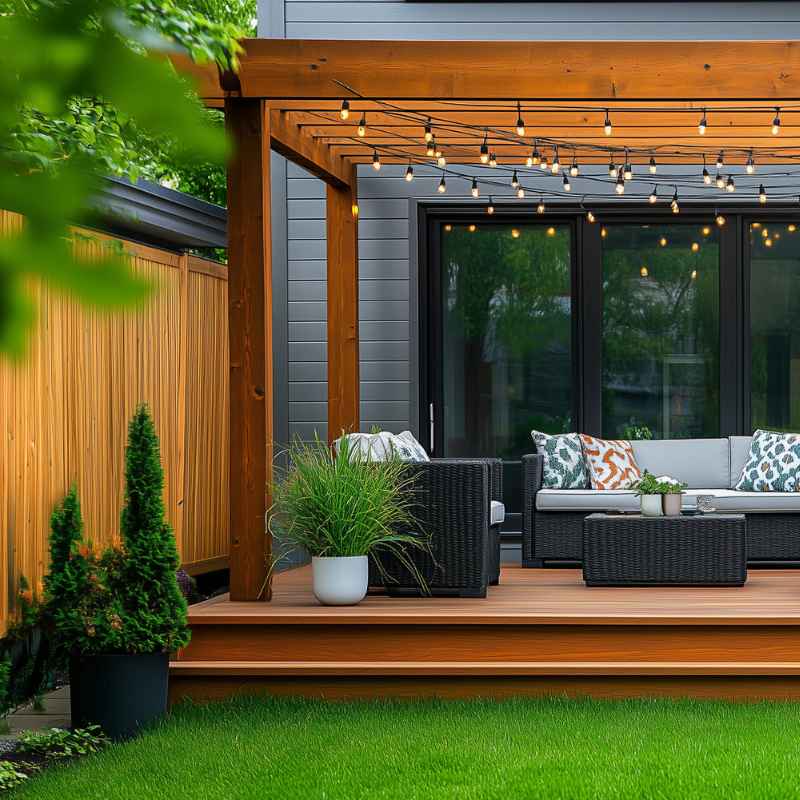
My Own Front Yard Awakening
I remember staring at my own front yard years ago. It was… fine. Just fine. A cracked concrete walkway led to a plain wooden door. On either side were sad little flower beds that never quite thrived. I’d get mail, I’d get packages, I’d leave for work. That was it. No joy, no welcome. It felt like a space that just existed, not one that lived.
One dreary Tuesday, a neighbor installed a beautiful new deck on their small front porch. Suddenly, their home popped! It had a little seating area with colorful cushions and a cute bistro table. It felt so inviting. I felt a pang of envy, but also inspiration. I realized my front yard wasn’t doomed to be boring.
I started researching. I saw pictures of homes with winding wooden paths through gardens, little raised platforms for enjoying a morning coffee, and even multi-level decks that artfully guided you to the front door. It opened my eyes to what was possible. My own project started small: a simple, curved deck landing at the base of my porch stairs. It was just wide enough for a couple of planters and a small bench.
The change was incredible. Even that small addition made the front of my house feel more welcoming. It wasn’t just a path anymore. It was a destination, however small. I started spending time there, watering plants, reading mail. It felt like a little outdoor haven. This experience showed me firsthand how impactful front garden decking can be.
Why Decking Works Wonders
Decking offers a natural, warm look.
It can last for many years with good care.
It adds significant curb appeal to your home.
Decking can be shaped in many creative ways.
Choosing Your Decking Material
Picking the right material is a big step. It affects how your deck looks, how long it lasts, and how much work it needs. There are great options out there. Each has its own charm and its own set of pros and cons.
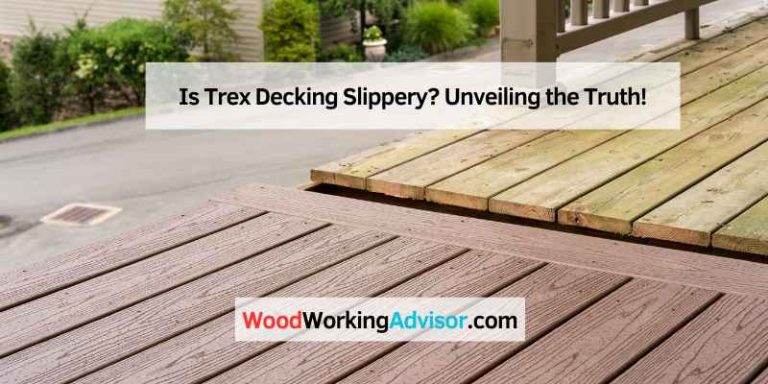
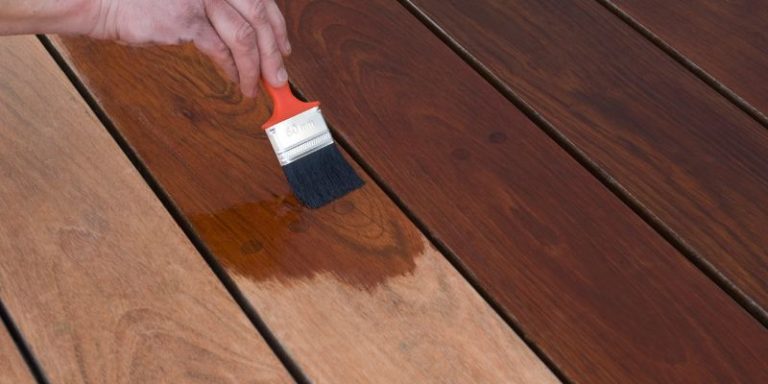
Wood is a classic choice. It looks beautiful and feels natural underfoot. Common woods include cedar, redwood, and pressure-treated pine. Cedar and redwood are naturally resistant to rot and insects. They have a lovely reddish-brown color. Pressure-treated pine is more affordable. It’s treated with chemicals to prevent decay. Wood needs regular sealing or staining. This protects it from the sun and rain. Without it, wood can gray and crack over time.
Composite decking is a popular modern option. It’s made from a mix of wood fibers and plastic. This gives it the look of wood but with less upkeep. Composite decks don’t need sealing. They are resistant to rot, insects, and warping. They come in many colors and styles. Some even mimic exotic hardwoods. They can be more expensive upfront than wood. But their low maintenance often saves money over time. It’s a very durable choice for busy homes.
PVC (Polyvinyl Chloride) decking is another low-maintenance option. It’s entirely plastic. This makes it very resistant to moisture, stains, and fading. PVC decks are lightweight and easy to clean. They can sometimes look a bit more plastic-like than composite. But newer versions are getting very good at mimicking real wood grain. It’s a great choice if you live in a very wet climate.
When choosing, think about your climate. Think about your budget. And think about how much time you want to spend on upkeep. For a natural look, wood is hard to beat. For minimal work and long-term durability, composite or PVC are excellent. You can also mix materials. For example, use a sturdy composite for the main deck and add wood accents.
Material Quick View
| Material | Pros | Cons | Upkeep |
|---|---|---|---|
| Wood (Cedar, Redwood) | Natural beauty, warm feel | Needs regular sealing, can rot/warp | High (sealing/staining) |
| Wood (Pressure-Treated) | Affordable, rot resistant | Can splinter, less natural look | Medium (sealing/staining) |
| Composite | Low maintenance, durable, many colors | Higher initial cost, can get hot | Low (cleaning) |
| PVC | Very low maintenance, moisture/stain proof | Can look less natural, less rigid | Very Low (cleaning) |
Design Ideas for a Welcoming Entry
Once you’ve picked your material, it’s time to think about design. How do you want your front garden decking to look and function? There are so many ways to make it work for your home. It’s not just about a flat surface. It’s about creating a flow and a feeling.
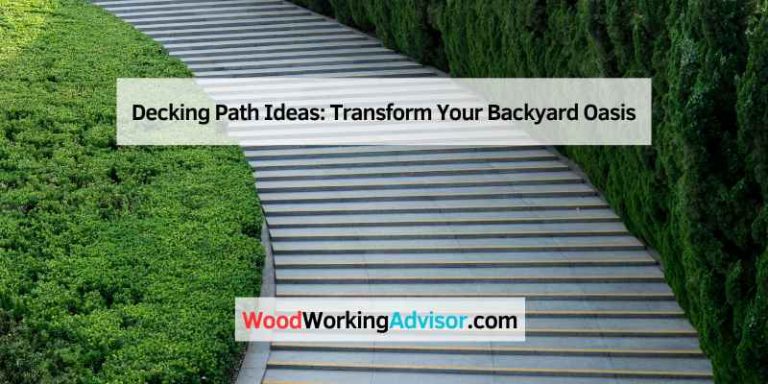
Pathways are a great use of decking. If your front door is a bit far from the sidewalk, a simple path can make the walk more pleasant. You can lay decking boards end-to-end. Or you can create a winding path that meanders through your garden beds. This adds visual interest and guides people gently to your door. A gently curving path feels more natural and inviting than a straight one.
Welcome Platforms are perfect for smaller porches or entryways. Imagine a small square or rectangular deck just outside your front door. This platform can hold a few potted plants, a welcome mat, and maybe a small bench or a couple of chairs. It’s a cozy spot to pause, check the mail, or wait for a ride. It makes your entrance feel more like a proper outdoor room.
Raised Decks can add a touch of elegance. If your front porch is low, a slightly raised deck can give it more presence. This is especially true if you have steps leading up to your door. The deck can create a unified landing area. It can also help to define the entryway. You can add railings for safety and style. Even a small elevation can make a big difference.
Multi-Level Designs are for those with a bit more space or a sloped front yard. You can create different zones. Maybe a lower deck area for seating and a slightly higher one that leads directly to the door. This adds architectural interest. It also helps manage the landscape on uneven ground. Think about how people will move through the space. Design the levels to make that journey easy and attractive.
Don’t forget about details like lighting. Subtle landscape lights can illuminate pathways at night. Deck lights can add ambiance to a seating area. These touches make your front deck usable and beautiful after dark. Consider the shape of your property and the layout of your existing home. The best designs feel like they were always meant to be there.
Design Styles to Consider
- Curving Pathways: Gentle, natural flow through gardens.
- Square/Rectangular Landing: Cozy, defined entry space.
- Tiered Levels: Adds visual depth and manages slopes.
- Integrated Seating: Built-in benches for practical charm.
- Mixed Heights: Different levels for distinct zones.
Matching Decking to Your Home’s Style
Your front deck shouldn’t look like it belongs to a different house. It needs to feel connected. This means matching the decking style to your home’s architecture. It also means considering your neighborhood’s look.
For traditional homes, like Victorians or Colonials, natural wood materials like cedar or redwood work well. A simple, classic design is often best. Think straight lines or gentle curves for pathways. A well-maintained wooden deck with a natural stain can complement the classic charm of these homes perfectly. Avoid overly modern or flashy designs.
Modern homes, with their clean lines and minimalist aesthetics, often suit composite or PVC decking. Look for sleek, darker colors or shades that mimic contemporary wood tones. Straight lines and geometric shapes are usually a good fit. A composite deck in a charcoal gray or deep brown can enhance a modern home’s look. Simplicity is key here.
Craftsman or Bungalow style homes have a warm, rustic feel. Natural wood is ideal here. Think rich, warm stains that highlight the wood grain. Designs can be a bit more robust. Maybe a wider plank or a slightly more intricate railing if you add one. The goal is to echo the handcrafted feel of these homes.
Coastal or cottage style homes can look great with lighter-colored decking, perhaps a weathered gray or a soft tan. Materials like composite or treated pine can work well, especially if you want less maintenance in a salt-air environment if you live near the coast. Add planters with flowers and perhaps a charming bench to complete the look.
Consider the color of your home’s siding and trim. The decking should complement these colors, not clash. If you have a busy exterior, a more subdued decking color might be best. If your home is more neutral, you have more freedom with the decking color. Step back and look at your house. Imagine different deck colors and styles. This will help you find the perfect match.
Style Matching Guide
Traditional: Natural wood (cedar/redwood), classic shapes, natural stains.
Modern: Composite/PVC, dark colors, clean lines, geometric patterns.
Craftsman/Bungalow: Natural wood, warm stains, robust designs.
Coastal/Cottage: Lighter decking colors, weathered looks, charming accents.
Adding Personal Touches and Functionality
Once the basic deck is in place, it’s time to make it your own. This is where personality shines through. Think about what you want to do in your front garden space. This will guide your choices.
Seating is a must for many. A simple bench can be built right into the deck design. Or you can place comfortable outdoor chairs on a platform. Consider weather-resistant cushions. Adding a small outdoor rug can make the space feel cozier. This turns a simple deck into a welcoming spot to sit and relax.
Planters and Greenery bring life to the deck. Large pots can define edges or corners. Hanging baskets add vertical interest. Choose plants that suit your climate and the amount of sun the area gets. Flowers add color. Small shrubs add structure. Even a few well-placed pots can make a deck feel more inviting.
Lighting is crucial for both safety and ambiance. Solar-powered path lights can edge a deck or walkway. Small deck lights can be installed along the edges of steps or the deck itself. Uplighting a nearby tree or shrub can create a beautiful effect at night. Soft lighting makes your front entrance feel warm and safe after dark.
Decorative elements can add unique character. Think about wind chimes, a stylish doormat, or even small sculptures. However, avoid clutter. The goal is to enhance, not overwhelm. Keep it tasteful and in keeping with your home’s overall style. Remember, the front of your house is the first impression.
Consider weather. If you live in an area with harsh winters, you’ll want durable materials. If it’s very sunny, choose materials that resist fading and warping. Think about ease of cleaning. Leaves, dirt, and pollen can accumulate. How easy will it be to sweep or hose down your deck?
Adding Value and Charm
Function: Where will you sit? What will you do?
Plants: Add color and life with pots or planters.
Light: Enhance safety and mood with outdoor lighting.
Decor: Use tasteful accents to express your style.
Balancing Aesthetics and Practicality
It’s tempting to go all-out with the prettiest designs. But practical needs are just as important. Front garden decking needs to be safe and functional. It also needs to be easy to care for.
Safety first! If your deck is more than a few inches off the ground, consider railings. This is especially true if you have children or elderly visitors. Ensure your decking boards are not slippery when wet. Some materials have better grip than others. Make sure any steps are clearly defined and easy to navigate.
Drainage is a vital, often overlooked, detail. Water needs to drain away from your house. Ensure your deck is sloped slightly away from the foundation. Proper spacing between deck boards also helps water escape. Poor drainage can lead to rot, mold, and foundation issues over time. This is a major factor for long-term durability.
Maintenance should be a key consideration. If you choose wood, are you prepared to seal and stain it every year or two? If you opt for composite or PVC, what is the cleaning routine? Understand the long-term commitment for each material. Low-maintenance options are often best for busy homeowners. They ensure your deck stays beautiful with less effort.
Budget plays a role. Fancy materials and complex designs cost more. Get quotes for different options. Factor in the cost of any necessary permits or professional installation. Sometimes a simpler design using a slightly more expensive material can be better value long-term. Balance your dream look with what your wallet can handle.
When you are planning, walk around your front area. Think about how you and others use the space now. Then, imagine how a deck could improve it. Does it need to be a place to sit? Does it need to be a clear path? Does it need to add a bit of grandeur? The best designs solve real problems.
Practicality Checklist
Safety: Are railings needed? Are boards slip-resistant?
Drainage: Will water run off properly?
Maintenance: How much upkeep is required?
Budget: Does the design fit your finances?
When to Call a Professional
For many DIYers, a simple front porch deck can be a rewarding project. However, there are times when it’s best to bring in the experts. Understanding when to call a professional can save you time, money, and a lot of headaches.
Complex Designs. If you’re planning a multi-level deck, a curved design, or a deck that integrates with existing structures like retaining walls, a professional can help. They have the experience to ensure these complex designs are structurally sound and look great. They know how to handle slopes and different ground conditions.
Structural Integrity. Decking needs a solid foundation. A professional contractor will know how to properly anchor posts and beams to the ground. They understand load-bearing requirements. This is crucial for safety and the longevity of your deck. Poorly built decks can sag, warp, or even collapse.
Building Codes and Permits. Many areas require permits for deck construction. Professionals are familiar with local building codes. They can ensure your project meets all regulations. This avoids potential fines or the need to redo work. They handle the paperwork for you.
Time Constraints. If you have limited time or are not confident in your carpentry skills, hiring a pro is a smart move. They can complete the project efficiently. You’ll get a finished deck much faster than if you tried to do it yourself.
Unusual Site Conditions. If your front yard has significant slopes, poor soil, or underground utilities, a professional can assess the situation. They can develop a plan that addresses these challenges safely and effectively. Don’t guess when it comes to your home’s foundation.
Always get multiple quotes from reputable contractors. Check reviews and ask for references. A good contractor will listen to your ideas and offer expert advice. They will provide a clear, detailed estimate. Trust your gut. If something feels off, keep looking.
Frequently Asked Questions About Front Garden Decking
Can I put decking on uneven ground in my front yard?
Yes, you can. Professionals use techniques like building on posts with adjustable footings to create a level surface even on slopes. This is one area where hiring an expert is often recommended to ensure stability and safety.
How much does front garden decking typically cost?
Costs vary widely. It depends on the material (wood vs. composite), the size of the deck, the complexity of the design, and whether you hire a professional. Simple wood decks can start a few hundred dollars, while larger composite decks with professional installation can run into thousands.
Is wood or composite better for front decks?
It depends on your priorities. Wood offers a natural beauty and can be more affordable initially, but requires regular maintenance. Composite is more expensive upfront but offers superior durability and very low maintenance, making it ideal for busy homeowners.
Do I need planning permission for a front deck?
In many locations, yes, you might need planning permission or a building permit, especially if the deck is elevated or affects drainage or property lines. Always check with your local council or building department before starting any work.
How can I make a small front deck feel more inviting?
Add comfortable seating, colorful potted plants, and outdoor lighting. A small outdoor rug can also define the space and add warmth. Even a few well-chosen decorative items can make a big difference in creating a cozy atmosphere.
What are some low-maintenance decking options?
Composite and PVC decking are the leading low-maintenance choices. They resist rot, insects, and fading, and typically only require occasional cleaning with soap and water. They eliminate the need for staining or sealing that wood requires.
Final Thoughts on Your Front Garden Deck
Creating a beautiful front garden deck is an investment. It enhances your home’s curb appeal. It makes your entrance more welcoming. It can even add functional living space. Think about your home’s style. Consider your lifestyle. And don’t forget about the practical aspects of maintenance and safety.
Whether you choose a simple path or an elaborate platform, the right decking can transform your front yard. It’s a chance to make a great first impression. Enjoy the process of designing and building a space that welcomes you home every day.