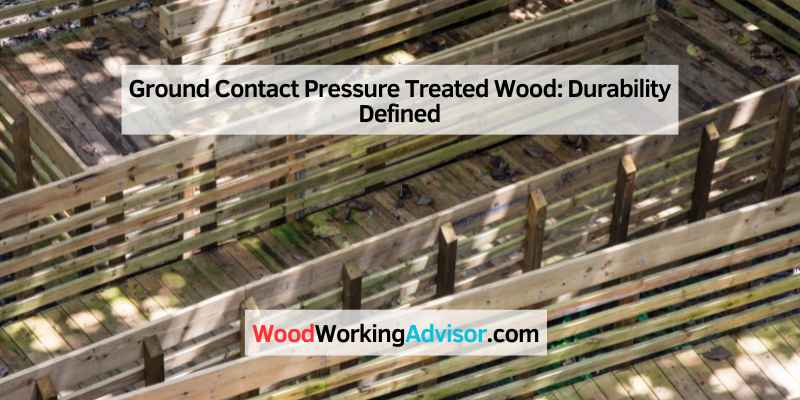
Ground Contact Pressure Treated Wood: Durability Defined
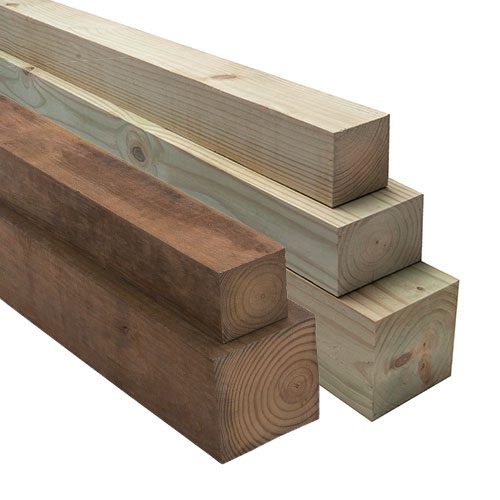
Pressure-treated wood is chemically treated to resist rot, decay, and termites, and is suitable for ground contact. This type of lumber has a high chemical retention level and can be placed directly on or in the ground.
Ground contact pressure-treated wood is an essential material for outdoor construction projects. It is treated to withstand the effects of being close to or in contact with the ground, making it ideal for various applications such as decks, fences, and posts.
The chemical treatment protects the wood from moisture, insects, and decay, ensuring its longevity and durability in outdoor environments. Understanding the benefits and applications of ground contact pressure-treated wood can help ensure the success and longevity of outdoor construction projects. By using this type of lumber, you can build structures that will withstand the test of time and environmental elements.
The Essence Of Pressure Treated Wood
When it comes to outdoor projects, one material that stands out for its durability and resistance to rot, decay, and termites is pressure treated wood. This specially treated lumber, typically made from southern yellow pine, undergoes a chemical treatment process to enhance its longevity and protect it from environmental elements. But what exactly makes wood ‘pressure treated’ and how does it differ from other types of wood? Let’s explore the key characteristics of pressure treated wood and why it is ideal for ground contact.
What Makes Wood ‘pressure Treated’
Pressure treated wood is created through a process called pressure impregnation, where preservative chemicals are forced deep into the wood fibers. This helps the wood become highly resistant to decay, insects, and fungal growth. The treatment process involves placing the wood in a sealed cylinder and applying pressure to force the preservatives into the wood. This ensures that the chemicals penetrate the wood cells, creating a long-lasting protective barrier.
Chemical Retention Levels For Ground Contact
When it comes to using pressure treated wood for ground contact applications, it’s important to consider the chemical retention levels. This refers to the amount of preservative chemicals that remain in the wood after the treatment process. For ground contact, the wood needs to have a high chemical retention level to provide adequate protection against moisture, soil, and other potential threats.
Pressure treated wood labeled as “ground contact” meets the requirements for long-term durability in ground applications. It has a higher level of chemical retention compared to wood labeled for above-ground use. This ensures that the wood can withstand constant exposure to moisture and soil, making it suitable for applications such as deck posts, fence posts, and retaining walls.
By using pressure treated wood with appropriate chemical retention levels for ground contact, you can ensure the longevity and stability of your outdoor structures. It provides a reliable solution for withstanding the challenges posed by the elements, ultimately saving you time and money on repairs or replacements.
Overall, pressure treated wood is an essential material for outdoor projects that require durability and resistance to rot. Its unique characteristics, including the pressure impregnation process and high chemical retention levels, make it ideal for ground contact applications. Whether you’re building a deck, installing a fence, or constructing a garden bed, pressure treated wood is a reliable choice that will stand the test of time.
Ground Contact Pressure Treated Wood
Ground contact pressure treated wood is chemically infused to resist decay, rot, and termites. This type of lumber has a high chemical retention level and is suitable for direct ground placement, providing long-lasting durability and protection against environmental elements. Ideal for various construction projects and outdoor structures.
Defining ‘ground Contact’ Lumber
Ground Contact Pressure Treated Wood refers to lumber that has been chemically treated to resist rot, decay, and termites, making it suitable for direct contact with or placement in the ground. This type of treated wood has a high chemical retention level, ensuring its long-term durability in severe weather conditions. It is typically made from softwood lumber, such as southern yellow pine, which has undergone a preservation process to enhance its resistance to environmental factors.
Benefits Of Using Ground Contact Treated Wood
Using Ground Contact Pressure Treated Wood offers several advantages, making it a popular choice for various construction projects. Here are some key benefits:
- Enhanced Durability: Ground Contact Pressure Treated Wood has a higher chemical retention level compared to other types of treated wood, providing enhanced protection against rot, decay, and termite infestation. This increased durability ensures that the wood will last longer, even when exposed to moisture or soil.
- Versatility: Ground Contact Treated Wood can be used for both above-ground and in-ground applications. This versatility makes it suitable for various projects, including decks, fences, retaining walls, and outdoor furniture.
- Cost-Effective: Investing in Ground Contact Pressure Treated Wood can be cost-effective in the long run. Its resistance to deterioration means that it will require less maintenance and replacement compared to untreated wood, saving you money on repairs and replacements over time.
- Environmental Sustainability: Ground Contact Treated Wood is often made from renewable softwood lumber, which is sourced from responsibly managed forests. Choosing this type of wood helps support sustainable forestry practices and reduces the demand for non-renewable materials.
- Wide Availability: Ground Contact Pressure Treated Wood is readily available at hardware stores and lumberyards, making it easily accessible for your construction needs.
In conclusion, Ground Contact Pressure Treated Wood provides enhanced durability, versatility, cost-effectiveness, and environmental sustainability. Its high chemical retention level ensures long-term protection against rot, decay, and termites, making it an excellent choice for various construction projects. Whether you’re building a deck, fence, or outdoor furniture, using Ground Contact Treated Wood can offer peace of mind and long-lasting results.
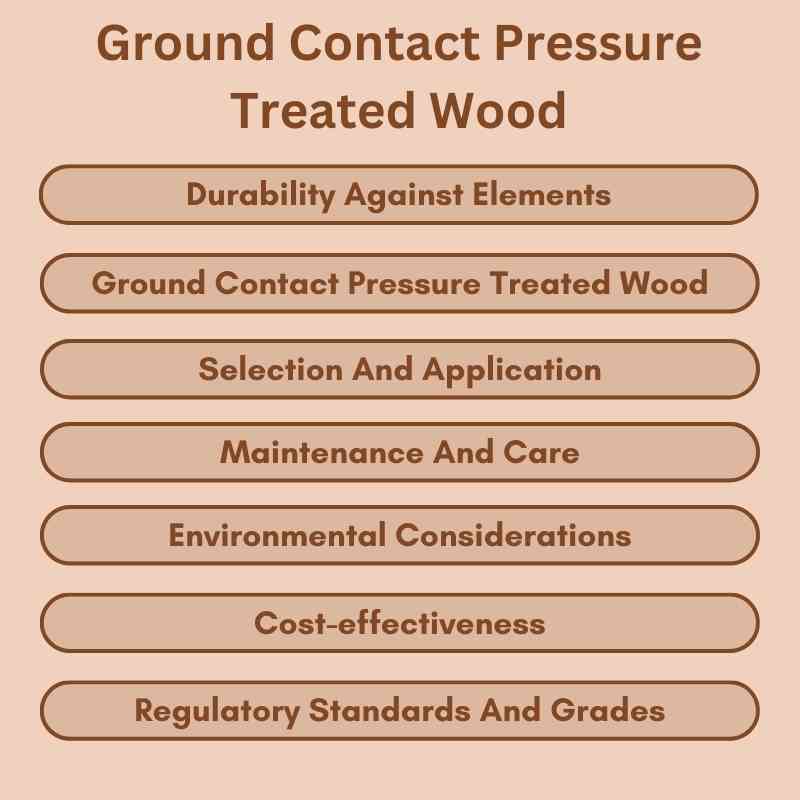
Durability Against Elements
When it comes to outdoor wood applications, durability against the elements is a top priority. Ground contact pressure-treated wood is specifically designed to withstand the harshest conditions, making it an ideal choice for outdoor projects.
Rot Resistance
Pressure-treated wood is infused with preservatives to protect against rot, ensuring longevity even in damp and humid environments.
Decay Resistance
The chemical treatment of ground contact pressure-treated wood provides a strong defense against decay, making it suitable for direct ground contact.
Termites Resistance
With its high chemical retention level, pressure-treated wood is highly resistant to termite infestations, offering long-term protection against these destructive pests.
Lifespan: How Long Will It Last?
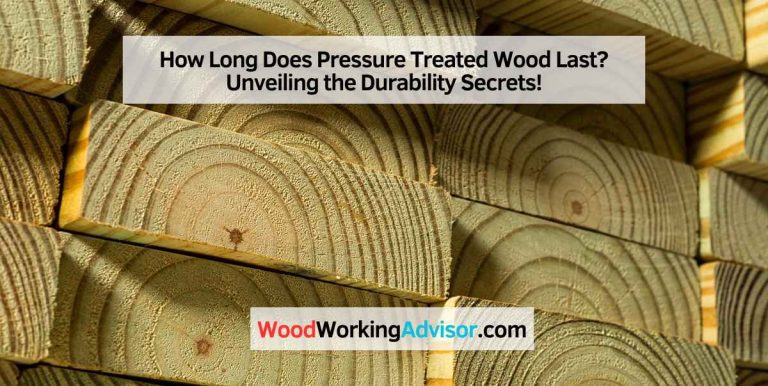
The lifespan of ground contact pressure-treated wood can vary depending on factors such as environmental conditions and maintenance. However, when properly installed and maintained, it can last for several decades, providing enduring support and stability for outdoor structures
Selection And Application
Ground Contact Pressure Treated Wood is chemically treated to resist rot, decay, and termites, making it suitable for direct contact with the ground. It offers durability and longevity, making it an ideal choice for outdoor projects such as decking, fencing, and landscaping.
Shop for Ground Contact Pressure Treated Wood at Lowe’s or Capitol City Lumber for a wide selection of high-quality options.
Choosing The Right Wood For Ground Contact
When it comes to selecting wood for ground contact, it is important to choose a species that is naturally resistant to rot, decay, and termites. Some examples of such species are Osage orange, black locust, and white oak. However, if you prefer to use pressure-treated lumber, make sure it is labeled as “ground contact” as it has a higher level of chemical retention and can withstand exposure to moisture and soil.
Installation Tips For Maximum Longevity
Proper installation is crucial to ensure the longevity of ground contact pressure treated wood. Here are some tips to follow:
- Make sure the wood is installed on a stable and level surface.
- Provide adequate drainage to prevent water from pooling around the wood.
- Use a barrier such as gravel or landscape fabric between the wood and soil to prevent direct contact.
- Avoid burying the wood in soil or concrete as this can accelerate decay.
- Apply a sealant or stain to the wood to protect it from moisture and UV rays.
By following these tips, you can ensure that your ground contact pressure treated wood lasts for years to come.
When it comes to selecting and installing ground contact pressure treated wood, it is important to choose the right species and follow proper installation techniques. By doing so, you can ensure maximum longevity and protect your investment.
Maintenance And Care
To ensure the longevity of ground contact pressure treated wood, regular maintenance and care are essential. Properly sealing the wood and using protective coatings can help prevent rot and decay, prolonging the lifespan of the wood. Regular inspections for any signs of damage and prompt repairs are also crucial in maintaining the wood’s durability.
Maintenance and Care are crucial aspects of ensuring the longevity of Ground Contact Pressure Treated Wood. Routine inspections and proper maintenance are necessary to extend the life of the wood. Here are some essential tips to follow:
Routine Inspections For Durability
Regular inspections are necessary to ensure that the wood remains durable and strong over time. Inspect the wood for any signs of decay or insect infestation, especially in areas that are in contact with the ground. Check for any cracks or splits in the wood, and make sure that the fasteners and connectors are secure.
Maintenance Tips To Extend Life
To extend the life of Ground Contact Pressure Treated Wood, it is important to take proper care of it. Here are some tips to follow:
- Keep the wood clean and dry to prevent moisture from penetrating the surface.
- Apply a high-quality sealer or stain to protect the wood from UV rays and moisture.
- Do not use harsh chemicals or cleaners on the wood as they can damage the surface.
- Trim any bushes or plants that are in contact with the wood to prevent moisture buildup.
- Avoid stacking or storing heavy objects on the wood as it can cause damage over time.
- Remove any debris or leaves that accumulate on the wood to prevent moisture buildup.
By following these tips, you can ensure that your Ground Contact Pressure Treated Wood remains durable and strong over time. Regular inspections and proper maintenance are essential to extend the life of the wood and prevent costly repairs or replacements in the future.
Environmental Considerations
Ground contact pressure treated wood is chemically treated to resist rot, decay, and termites, making it suitable for direct ground placement. This type of treated wood is essential for outdoor construction projects, offering enhanced durability and longevity in various environmental conditions.
When it comes to using ground contact pressure treated wood, it is important to consider the environmental impact of this type of lumber. While it may be a popular choice for outdoor projects due to its resistance to rot, decay, and termites, there are some eco-friendly alternatives that can be considered.
Eco-Friendly Alternatives
One option is to use naturally rot-resistant wood species such as Osage orange, black locust, or white oak. These woods are naturally resistant to rot and do not require chemical treatment. Another option is to use composite lumber made from recycled materials, which is a sustainable and durable alternative to traditional wood.
Disposal and Recycling of Treated Wood
If using ground contact pressure treated wood is necessary, it is important to properly dispose of and recycle it. Treated wood should not be burned or used as mulch, as this can release harmful chemicals into the environment. Instead, it can be taken to a designated recycling facility or landfill that accepts treated wood.
In conclusion, while ground contact pressure treated wood may be a popular choice for outdoor projects, it is important to consider the environmental impact and explore eco-friendly alternatives. Proper disposal and recycling of treated wood is also crucial in minimizing its impact on the environment.
Cost-effectiveness
Ground Contact Pressure Treated Wood is a cost-effective option for outdoor projects. With its high chemical retention level, it resists rot, decay, and termites, making it suitable for direct ground contact. Choose from a variety of rot-resistant wood species like Osage orange, black locust, or white oak for increased longevity.
Shop for Ground Contact Pressure Treated Wood at Lowe’s or Capitol City Lumber for all your building needs.
Analyzing Long-term Savings
Ground contact pressure treated wood is an excellent investment for those looking for a long-term solution. While the upfront cost may be slightly higher than regular pressure treated wood, the long-term savings make it a more cost-effective option in the end.
Comparison: Ground Contact Vs. Regular Pressure Treated Wood
When it comes to comparing ground contact pressure treated wood with regular pressure treated wood, the difference lies in the level of chemical retention. Ground contact wood has a higher level of chemical retention, making it more resistant to rot, decay, and termites. Regular pressure treated wood, on the other hand, is not designed to come in contact with the ground.
Using regular pressure treated wood for ground contact may result in a shorter lifespan and the need for frequent replacements, which can add up in cost over time. Ground contact pressure treated wood, on the other hand, can withstand the elements and last for decades, making it a more cost-effective investment in the long run.
In conclusion, while ground contact pressure treated wood may have a slightly higher upfront cost, it is a more cost-effective option in the long run due to its durability and resistance to rot, decay, and termites. Choosing the right type of wood for your project can save you money and time in the long run, making it a wise investment.
Regulatory Standards And Grades
When it comes to ground contact pressure treated wood, it’s crucial to understand the regulatory standards and grades that govern the quality and durability of the lumber. By comprehending the industry standards and the different grades of lumber, you can make informed decisions when selecting the right materials for your outdoor projects.
Understanding Industry Standards
Industry standards for ground contact pressure treated wood are established to ensure the safety and longevity of outdoor structures. The American Wood Protection Association (AWPA) sets the standards for the treatment and use of pressure treated wood, while the International Code Council (ICC) provides guidelines for the proper construction and installation of treated lumber in outdoor applications.
Grades Of Lumber And What They Mean
Pressure treated wood is available in various grades, each indicating the quality and suitability for specific applications. The most common grades include:
- #1 Grade: This grade of lumber is of higher quality, with fewer knots and minimal blemishes, making it suitable for more visible and demanding outdoor projects such as decks and fences.
- #2 Grade: Lumber in this grade may have more knots and blemishes but is still suitable for many outdoor applications, including structural framing and support posts.
- Common Grade: This grade is more budget-friendly and may contain more knots and blemishes. It is often used for less visible structural components in outdoor projects.
Understanding the grades of pressure treated wood is essential for choosing the right material based on the specific requirements of your outdoor construction project.
Case Studies
Discover how ground contact pressure treated wood has revolutionized outdoor construction with our insightful case studies. Explore the long-term durability of pressure-treated wood in severe conditions and the best wood species suitable for ground contact, ensuring a lasting and resilient outdoor structure.
Browse a variety of ground contact pressure treated lumber at our store for your next project.
When it comes to ground contact pressure treated wood, case studies provide valuable insights into its real-world applications and performance. These studies showcase success stories and lessons learned, shedding light on the effectiveness and durability of this type of wood in various scenarios.
Real-world Applications And Performance
In real-world applications, ground contact pressure treated wood has proven to be a reliable and long-lasting choice. Whether used in outdoor decking, fence posts, or landscaping structures, this type of wood has shown exceptional resistance to rot, decay, and termites.
One case study conducted in Austin, Texas, demonstrated the effectiveness of ground contact pressure treated wood in a severe climate. The wood was exposed to high levels of moisture, extreme temperatures, and constant ground contact. After several years of observation, the wood showed minimal signs of deterioration, highlighting its exceptional durability.
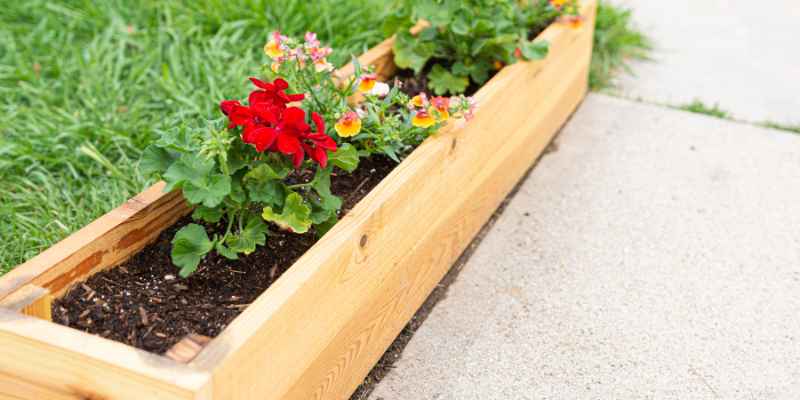
Another case study focused on the use of ground contact pressure treated wood in building raised garden beds. The wood was constantly exposed to soil and water, providing an ideal environment for decay and rot. However, the treated wood displayed impressive resistance, withstanding the harsh conditions without compromising its structural integrity.
Success Stories And Lessons Learned
Success stories involving ground contact pressure treated wood are abundant. Many homeowners and contractors have reported significant cost savings and reduced maintenance efforts when using this type of wood. Its resistance to rot and decay eliminates the need for frequent replacements, making it a cost-effective choice in the long run.
Lessons learned from these case studies highlight the importance of choosing the right wood species for ground contact applications. While pressure-treated wood is generally recommended, selecting a rot-resistant species such as Osage orange or black locust can further enhance the longevity of the wood.
Additionally, proper installation techniques, such as using adequate drainage and avoiding direct soil contact, can further extend the lifespan of ground contact pressure treated wood. These lessons learned serve as valuable guidelines for anyone considering the use of this type of wood in their projects.
In conclusion, case studies offer valuable insights into the real-world applications and performance of ground contact pressure treated wood. These studies demonstrate its effectiveness in various scenarios and provide success stories and lessons learned for those looking to utilize this type of wood for their projects.
Purchasing Advice
When purchasing ground contact pressure treated wood, it is important to choose a wood species that is resistant to rot, such as Osage orange, black locust, or white oak. This type of treated wood is chemically treated to resist decay, termites, and rot, and can be placed directly on or in the ground for long-lasting durability.
Where To Buy Ground Contact Pressure Treated Wood
When it comes to purchasing ground contact pressure treated wood, there are several options available. One of the most popular choices is to buy from home improvement stores like Lowe’s, Home Depot, and Menards. These stores offer a wide selection of pressure treated lumber and have both physical locations and online platforms for convenient shopping. You can visit their websites or visit a local store near you to browse and purchase the wood you need.
Another option is to buy from specialty lumber suppliers like Capitol City Lumber, which provide high-quality pressure treated wood specifically designed for ground contact applications. These suppliers often have a larger variety of wood species and can offer expert advice on the best type of wood for your project. Lastly, consider checking with local building supply stores and lumberyards in your area, as they may also carry ground contact pressure treated wood.
Price Considerations And Value
When it comes to price considerations for ground contact pressure treated wood, it’s important to factor in the quality and durability of the wood. While it may be tempting to opt for the cheapest option available, it’s essential to choose wood that can withstand the harsh conditions of being in direct contact with the ground. Investing in higher quality pressure treated wood may initially cost more, but it can save you money in the long run by providing greater durability and longevity.
Additionally, consider the value of the wood in terms of its resistance to rot, decay, and termites. Wood species such as Osage orange, black locust, and white oak are naturally rot-resistant and can significantly enhance the lifespan of your project. Keep in mind that the price of ground contact pressure treated wood may vary depending on the supplier, location, and specific wood species. It’s advisable to compare prices from different sources to ensure you are getting the best value for your money.
Frequently Asked Questions
Is Pressure-treated Lumber Ok For Ground Contact?
Pressure-treated lumber is suitable for ground contact. It is chemically treated to resist rot, decay, and termites. The wood has a high chemical retention level, making it safe to place directly on or in the ground. This type of lumber is typically made from southern yellow pine.
How Long Will Treated Wood Last In Contact With Ground?
Pressure-treated wood can last up to 20-30 years in ground contact, depending on the type of treatment.
What Is The Difference Between #1 And #2 Ground Contact Pressure-treated Lumber?
#1 and #2 ground contact pressure-treated lumber differ in their level of treatment and intended use. #1 has a higher level of treatment and can be used in direct ground contact, while #2 is meant for above-ground use and has a lower level of treatment.
What Wood Can Be Used For Ground Contact?
Pressure-treated wood, typically southern yellow pine, is suitable for ground contact. It has been chemically treated to resist rot, decay, and termites. All treated wood is now considered “ground contact,” with a high chemical retention level that can be placed directly on or in the ground.
Choosing rot-resistant wood species such as Osage orange, black locust, and white oak can also increase longevity.
Conclusion
Ground contact pressure treated wood is a type of lumber that has been chemically treated to resist rot, decay, and termites. It has a high chemical retention level, making it suitable for direct contact with the ground. This type of wood is commonly used for outdoor projects such as decks, fences, and landscaping structures.
By choosing ground contact pressure treated wood, you can ensure the longevity and durability of your projects. Remember to select a wood species that is naturally resistant to rot for added protection.