Harbor Freight Wood Stoves: Honest Review Before You Buy
So, you’re thinking about a wood stove from Harbor Freight. That’s smart. You’re looking for a way to heat your home or a workshop, and maybe you’ve seen those prices and thought, “Wow, that seems affordable!” I get it.
When you’re trying to cut down on heating bills or just want that cozy fire feeling, a new wood stove can sound like a great idea. But before you take the plunge, let’s talk about what you really need to know. It’s more than just the price tag.
Understanding if a Harbor Freight wood stove is the right choice involves looking beyond the initial cost. We’ll explore their features, safety aspects, and how they stack up for real-world use. This will help you make an informed decision for your home or workspace heating needs.
What Are Harbor Freight Wood Stoves?
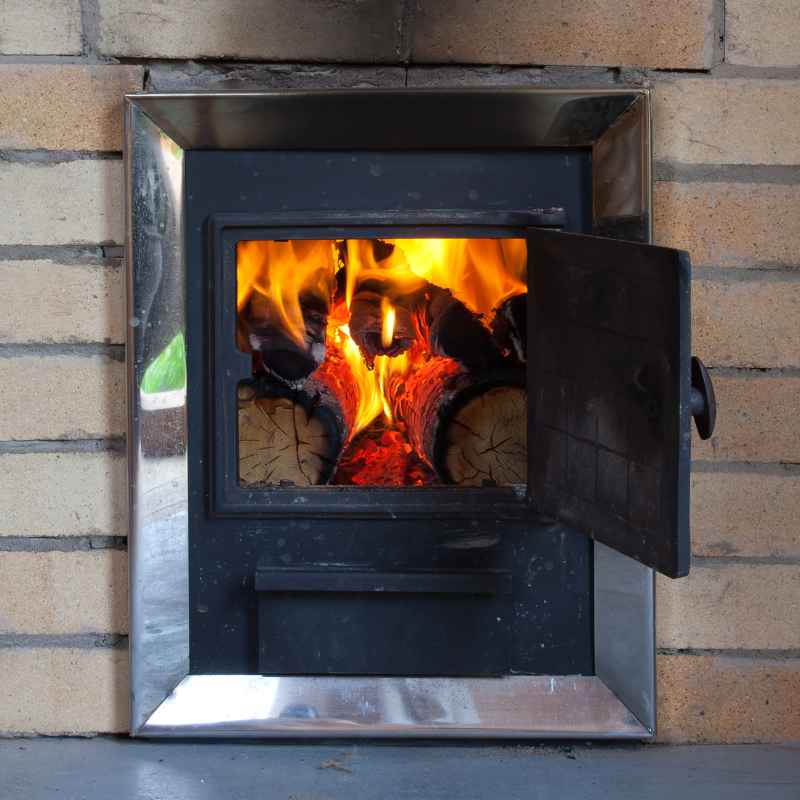
Harbor Freight Tools sells a line of wood stoves. They are typically designed to be budget-friendly options for heating smaller spaces. Think garages, workshops, sheds, or even small cabins.
These stoves are usually smaller than those you’d find in a main living area of a house. They often have a more basic design.
The goal of these stoves is to offer an accessible heating solution. They use firewood, which can sometimes be a cheaper fuel source than electricity or gas. Harbor Freight is known for its low prices on tools and equipment.
Their wood stoves follow this trend. They aim to be a low-cost entry into wood-burning heat.
When you look at them, you might notice they don’t have all the fancy features of high-end stoves. Things like catalytic converters for cleaner burning or advanced air control systems might be missing. The focus is on simple, functional heat.
They are often made with cast iron or steel. The build is meant to be sturdy enough for their intended use.
It’s important to understand that “budget-friendly” can mean different things in the world of wood stoves. What works well for a detached garage might not be suitable for a main house. We need to look at how they perform and what safety factors are involved.
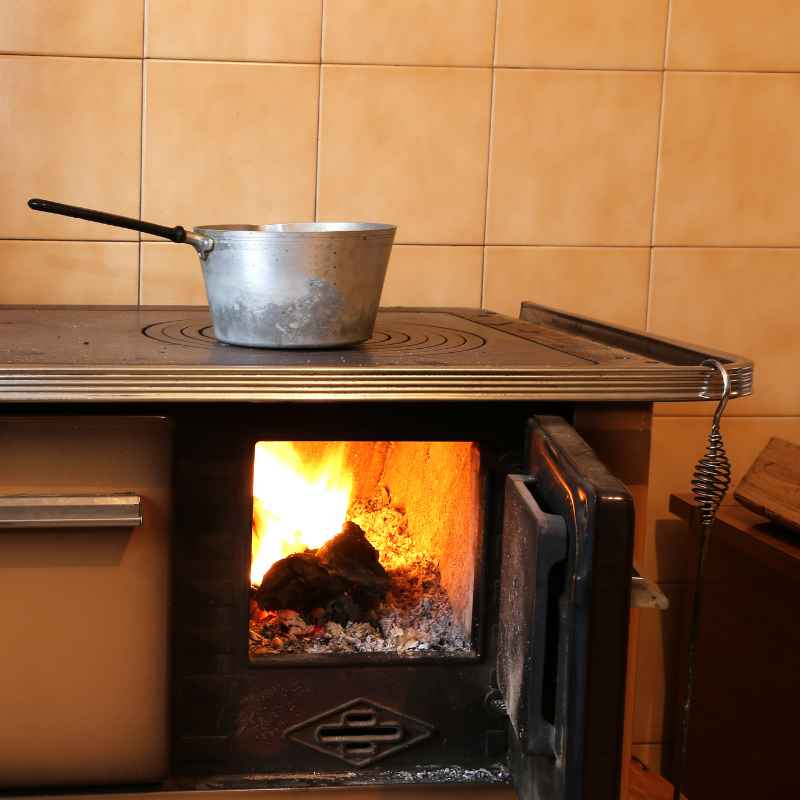
My Own Experience with a Budget-Friendly Heat Source
I remember a few years back, I was helping a friend set up a small woodworking shop in his garage. He was on a tight budget. He wanted to work on projects through the colder months.
He spotted one of these smaller, more affordable stoves online that looked a lot like what you might find at Harbor Freight. He bought it, excited about the low price.
The day it arrived, it looked okay. It was smaller than I expected. Assembly was pretty straightforward.
We got it installed, making sure to follow all the safety codes for a detached structure. The first time we fired it up, it put out a good bit of heat. That was exciting!
The garage warmed up quickly. We felt pretty good about it.
But then, as the evening wore on, I started noticing things. The heat output seemed to drop off faster than I was used to. We were adding wood more often than we had planned.
And the air control, which was very basic, felt hard to manage. It was either burning too fast or the fire was almost out. I also noticed more smoke creeping out around the door seal than I liked.
It made me a little nervous. We were definitely getting heat, but it felt like we were constantly tending the fire and worrying about the smoke. It made me think about the trade-offs of choosing a lower-cost option.
Key Features to Consider
When you’re looking at any wood stove, especially a budget one, there are a few key things to keep an eye on. These are the bits that tell you how well it will work and how safe it is.
Understanding Stove Features
Material: Most stoves are cast iron or steel. Cast iron holds heat well. Steel can heat up faster.
Both can be durable if maintained.
Size: Check the BTU output. This tells you how much heat it makes. Match this to the size of the space you want to heat.
A too-small stove won’t do much. A too-big stove can overheat a small space.
Efficiency: How much heat do you get from the wood? Look for efficiency ratings if available. Higher efficiency means you use less wood.
Budget stoves are often less efficient.
Air Control: This is how you manage the fire. Good air control lets you slow the burn for longer heat. Basic controls can be tricky.
Emissions: Modern stoves have strict limits. Older or simpler designs might not meet current standards. This affects air quality.
For Harbor Freight stoves, you’ll likely find they focus on the basics. They offer a heat source. They use wood.
The materials are usually adequate for the price. But don’t expect the complex, high-efficiency burn you might see on pricier models. This means you’ll likely burn more wood to get the same amount of heat.
You’ll also need to tend the fire more often.
Safety First: This is Non-Negotiable
This is the most important part. Wood stoves, no matter where you buy them, need to be installed and used safely. For budget stoves, this attention to detail is even more critical.
You can’t cut corners here.
First, check local building codes and fire department regulations. These are different everywhere. They tell you how far a stove needs to be from walls, ceilings, and furniture.
This distance is called clearance. You also need to know about proper chimney installation. A good chimney is vital for drawing smoke out and preventing fires.
Harbor Freight stoves might not come with the same detailed installation manuals as stoves from specialized companies. You may need to do more research or consult a professional. Always use a carbon monoxide detector.
This is absolutely essential. Wood fires produce carbon monoxide. It’s a colorless, odorless gas that can be deadly.
Think about the type of space you are heating. If it’s a detached garage or shed, the rules might be different than for a home. You’ll need proper hearth protection.
This is a non-combustible floor under and around the stove. It protects your floor from heat and falling embers.
One thing I’ve learned is that stoves are rated for specific square footage. Using a stove that’s too big for the space can be dangerous. It can overheat the room.
It can also lead to a runaway fire if not managed well. For smaller, budget stoves, they are usually meant for smaller areas. They are not typically designed to heat an entire house.
Safety Checklist
- Clearances: Always follow manufacturer and local code requirements.
- Chimney: Use a proper, insulated chimney system.
- Carbon Monoxide Detector: Install and test regularly.
- Hearth Protection: Use non-combustible material.
- Fire Extinguisher: Keep one nearby and know how to use it.
- Ash Removal: Empty ashes into a metal container away from buildings.
- Supervision: Never leave a wood stove unattended when burning.
If a stove doesn’t have clear safety information or instructions, that’s a big red flag. It’s often better to pay a bit more for a stove with thorough documentation. Your safety is worth far more than the price difference.
Real-World Performance and Limitations
Let’s talk about what you can realistically expect from a Harbor Freight wood stove in terms of performance. They are designed to heat a space, and they do that. The issue often lies in how efficiently and consistently they do it.
Many users report that these stoves burn wood quite quickly. This means you’ll be feeding the stove more often. For overnight heat, this can be a challenge.
They might not hold coals as long as more expensive models. This can lead to a cooler house in the morning.
The temperature control can also be a bit of a guessing game. With simpler air intake systems, finding that “just right” setting for a slow, steady burn can be tough. You might find yourself fiddling with the controls a lot.
This takes away from the “set it and forget it” idea of heating.
Ash build-up can also be a factor. Some designs might make it a bit harder to access the ash pan. Regular cleaning is crucial for efficient burning and safety.
If it’s a hassle, you might be tempted to skip it. That’s a bad idea.
One common scenario is using these stoves in garages or workshops. For a few hours of heat while you’re working, they can be great. They take the edge off the cold.
But if you’re looking for a primary heat source for a living space, you’ll likely find them lacking. They aren’t built for the long burns and consistent temperatures needed for comfort in a home.
Performance Snapshot
Heat Output: Adequate for small, well-insulated spaces.
Fuel Consumption: Tends to burn wood faster than higher-efficiency models.
Burn Time: Shorter burn times, especially overnight.
Temperature Control: Can be difficult to maintain a steady temperature.
Maintenance: Regular ash removal and cleaning are essential.
The materials might also be thinner on some budget stoves. This can mean they don’t hold residual heat as long. It also might mean they are more prone to warping or damage over time.
This isn’t to say they’re flimsy, but they are built to a price point.
Comparing to Other Options
It’s useful to see how Harbor Freight stoves compare to other wood stove options out there. This helps put their features and price into perspective. You’re not just choosing between a Harbor Freight stove and no stove.
You’re choosing between different types of stoves.
High-End Stoves: These are often EPA-certified. They are designed for maximum efficiency. They use advanced technology like secondary combustion.
This burns off more smoke and uses less wood. They have excellent air controls. They provide long, consistent heat.
They are also usually more expensive. They are built to last for decades.
Mid-Range Stoves: These offer a good balance of features and price. They might not have all the bells and whistles of top-tier models. But they offer better efficiency and air control than basic stoves.
They are often a good choice for many homes.
Used Stoves: Buying a used stove can sometimes be a good option. You might find a quality brand for less money. However, you need to be very careful.
Check for cracks, rust, warped doors, and damaged firebricks. Make sure it hasn’t been illegally modified or is too old to meet current safety standards.
Stove-like Heaters: Some people might consider electric heaters that look like wood stoves. These are for aesthetics only. They don’t produce real heat from burning fuel.
They are decorative. They don’t offer the same kind of warmth or ambiance.
Stove Comparison
Harbor Freight Style: Lowest cost, basic function, best for small auxiliary spaces, requires frequent tending.
Mid-Range: Moderate cost, good efficiency, better control, suitable for primary or secondary heating.
High-End: Highest cost, EPA certified, most efficient, longest burn times, best for primary home heating.
Used Stoves: Variable cost, requires careful inspection, potential for good value or hidden problems.
When you look at the prices of a Harbor Freight stove, it’s easy to see the appeal. But when you compare it to the long-term benefits of a more efficient stove – like saving money on wood, better heat, and cleaner burning – the initial savings might not be as significant. It really depends on your specific needs and budget.
Is it Right for Your Home?
So, the big question: Is a Harbor Freight wood stove right for your home? For most houses, especially as a primary heating source, the answer is likely no. Here’s why:
Efficiency: Modern homes need efficient heating. These stoves are usually not EPA-certified. They don’t burn wood as completely.
This means more smoke and less heat from the same amount of wood. You’ll use more fuel, which adds up.
Burn Time: As mentioned, they tend to burn wood fast. You won’t get the long, overnight burns that keep a house warm consistently. You’ll be getting up to add wood.
This isn’t ideal for comfort or sleep.
Emissions: Older or simpler stove designs often produce more particulate matter. This is bad for air quality, both inside and outside. If you or someone in your home has respiratory issues, this is a major concern.
Safety Standards: While they sell them, you need to be extra diligent about ensuring safe installation and use. They might not meet the same rigorous testing as stoves sold by dedicated hearth retailers. You are the primary safety inspector.
However, there are situations where they might be a reasonable choice:
- Detached Garages/Workshops: If you need occasional heat for a space where you spend a few hours at a time, and safety codes allow it, it could work.
- Backup Heat for Small Areas: Perhaps for a very small, well-insulated shed or hunting blind where you’re present.
- Temporary Solution: If you need some heat very quickly and on a tiny budget, and plan to upgrade later.
When a Harbor Freight Stove Might Work
- Space: Small, detached, well-ventilated spaces (e.g., garage).
- Usage: Occasional, short-term heating.
- Budget: Extremely limited initial purchase cost is the main driver.
- Owner Knowledge: Willingness to thoroughly research safety, installation, and operation.
If you are thinking about heating your primary living space, I would strongly advise looking at stoves that are EPA-certified. They are designed for modern homes and cleaner burning. The investment will pay off in efficiency, comfort, and safety over time.
Installation and Setup: Don’t Skimp!
Even if you choose a budget stove for a secondary space, the installation process needs to be taken very seriously. This is where many people run into trouble.
Chimney System: This is crucial. You need a proper Class A insulated chimney. It must be the correct diameter for the stove’s flue collar.
It must extend the right height above your roof line to ensure proper draft. A poorly installed chimney is a major fire hazard.
Clearances: Again, this is paramount. Measure twice, cut zero. The distances from the stove and the chimney pipe to combustible materials are non-negotiable.
Check the stove’s manual and your local fire codes. If the manual is vague, err on the side of caution.
Hearth Pad: The floor under the stove needs to be protected. This is usually a thick layer of non-combustible material like cement board covered with tile, stone, or brick. It must extend far enough in front and to the sides of the stove.
Ventilation: Stoves need combustion air. In a very tightly sealed space, you might need to add a dedicated outside air intake. This prevents the stove from drawing air from the room, which can lead to drafts or pull in dangerous fumes.
Professional Help: If you are not 100% confident in your ability to install it correctly, hire a professional. A certified chimney sweep or a qualified installer can ensure everything is done right. The cost of professional installation is far less than the cost of a house fire or injury.
Installation Essentials
- Professional Advice: Consult local building codes and fire departments FIRST.
- Chimney: Use the correct type and size for the stove.
- Clearances: Maintain specified distances from all combustibles.
- Hearth: Install adequate non-combustible floor protection.
- Air Supply: Ensure sufficient combustion air.
- Professional Installation: Consider hiring a pro if unsure.
I’ve seen too many situations where people try to cut corners on installation to save a few bucks. This is a direct path to disaster. The stove itself is only one part of the equation.
How it’s put into your space is just as, if not more, important for safety.
Maintenance and Upkeep
Like any mechanical device, your wood stove needs regular care to perform well and safely. For simpler stoves, this maintenance might be even more critical because they don’t have built-in features to compensate for neglect.
Ash Removal: This is probably the most frequent task. Ashes can block airflow. They can insulate the fire.
You need to remove them regularly, usually once a day or every few days, depending on use. Always use a metal bucket and store ashes away from combustible materials. Wait until they are completely cold.
Creosote Sweeping: Creosote is a tar-like substance that builds up inside your chimney. It’s highly flammable. If too much builds up, it can cause a chimney fire.
You need to have your chimney inspected and swept at least once a year, more often if you use the stove frequently or burn unseasoned wood. Budget stoves might produce more creosote due to lower efficiency.
Door Gaskets: The seal around the stove door keeps smoke inside. Over time, these gaskets can wear out. If they start to look frayed or you notice smoke leaking, they need to be replaced.
This is a relatively simple fix.
Firebricks: The bricks inside the stove protect the metal from intense heat. They can crack or crumble over time. If you see significant damage, they should be replaced.
This is important for the stove’s lifespan and efficiency.
Exterior Cleaning: Keep the outside of the stove clean. This not only looks better but also helps with heat radiation. You can use a soft brush or a damp cloth.
Routine Stove Care
- Daily/Regular: Empty ashes into a metal container, store safely.
- Weekly/Monthly: Check door gaskets, inspect firebricks.
- Annually: Have chimney professionally inspected and swept for creosote.
- As Needed: Replace worn gaskets or damaged firebricks.
Neglecting maintenance is one of the quickest ways to turn an affordable stove into a dangerous problem. It’s part of the cost of owning any wood-burning appliance, even a budget model.
What People Are Saying: Online Reviews and Feedback
When I’m considering any product, especially something functional like a wood stove, I always look at what other people are saying. For Harbor Freight wood stoves, the reviews tend to be a bit mixed, which is pretty typical for budget items.
Many users confirm that the stoves provide heat for smaller spaces. They often mention that the price is a big draw. Some people are perfectly happy using them in garages or workshops.
They state they do the job they need them to do.
On the other hand, common complaints include the quick burn rate, difficulty in controlling the temperature, and a perceived lower build quality compared to premium brands. Some users mention that they had to make modifications to improve the stove’s performance or safety.
There are also discussions about the instructions not being as clear as they could be. This circles back to the importance of doing your own research. You can’t rely solely on the provided documentation.
It’s worth noting that many of the positive reviews are for secondary spaces. Reviews for people trying to use them as a primary home heat source are often less enthusiastic. They usually highlight the limitations in efficiency and burn time.
User Feedback Summary
Pros often mentioned: Low initial cost, heats small spaces, good for workshops/garages.
Cons often mentioned: Burns wood fast, difficult temperature control, requires frequent tending, potential build quality concerns.
Key takeaway: Best suited for auxiliary heat in non-living spaces.
Reading these reviews can give you a real-world perspective. It helps you understand what to expect. It also reinforces the idea that these stoves are best suited for specific applications rather than whole-house heating.
Frequently Asked Questions About Harbor Freight Wood Stoves
Can I use a Harbor Freight wood stove to heat my entire house?
No, typically not. These stoves are generally designed for smaller spaces like garages, workshops, or sheds. They lack the efficiency and burn time needed for a whole house. Using them in a larger space could also be a safety concern if not properly sized and installed.
Are Harbor Freight wood stoves safe?
Any wood stove can be safe if installed and operated correctly according to all safety codes and manufacturer instructions. However, budget stoves may have fewer safety features and require extra diligence from the user regarding installation, maintenance, and constant monitoring. Always install carbon monoxide detectors.
What is the main advantage of a Harbor Freight wood stove?
The primary advantage is their low upfront cost. They offer an accessible way to get a functional wood-burning heat source for situations where a more expensive stove isn’t feasible or necessary, such as in a detached workshop.
What are the main disadvantages of these stoves?
Common disadvantages include lower efficiency (meaning you burn more wood for less heat), shorter burn times (requiring more frequent refueling), and potentially less precise air control for managing the fire. They may also have simpler construction compared to higher-end models.
Do I need a special chimney for a Harbor Freight wood stove?
Yes, absolutely. All wood stoves require a properly installed, insulated chimney system (usually Class A) that meets local building codes and manufacturer specifications. This is crucial for safely venting smoke and preventing fires. Do not use single-wall stovepipe for the entire chimney run.
Are these stoves EPA-certified?
Most budget-friendly stoves, including those found at Harbor Freight, are not EPA-certified. EPA certification indicates that a stove meets strict standards for emissions and efficiency. Non-certified stoves often burn less cleanly and less efficiently.
What kind of wood should I burn in a Harbor Freight wood stove?
You should always burn dry, seasoned hardwood. Burning wet or unseasoned wood creates more creosote buildup, reduces heat output, and can be a fire hazard. Avoid burning treated lumber, garbage, or plastics, as this can release toxic fumes and damage the stove.
Conclusion: A Tool for Specific Jobs
So, to wrap things up, a wood stove from Harbor Freight can be a tool. Like any tool, it has its specific uses. For heating a detached garage, a workshop, or a small shed where you need occasional warmth, it can serve its purpose.
The low price point is its biggest draw.
However, for heating a primary living space, it’s generally not the best option. The trade-offs in efficiency, burn time, and control mean you’ll likely be spending more on wood and dealing with more hassle. Safety must always be your top priority.
Ensure proper installation and vigilant use.