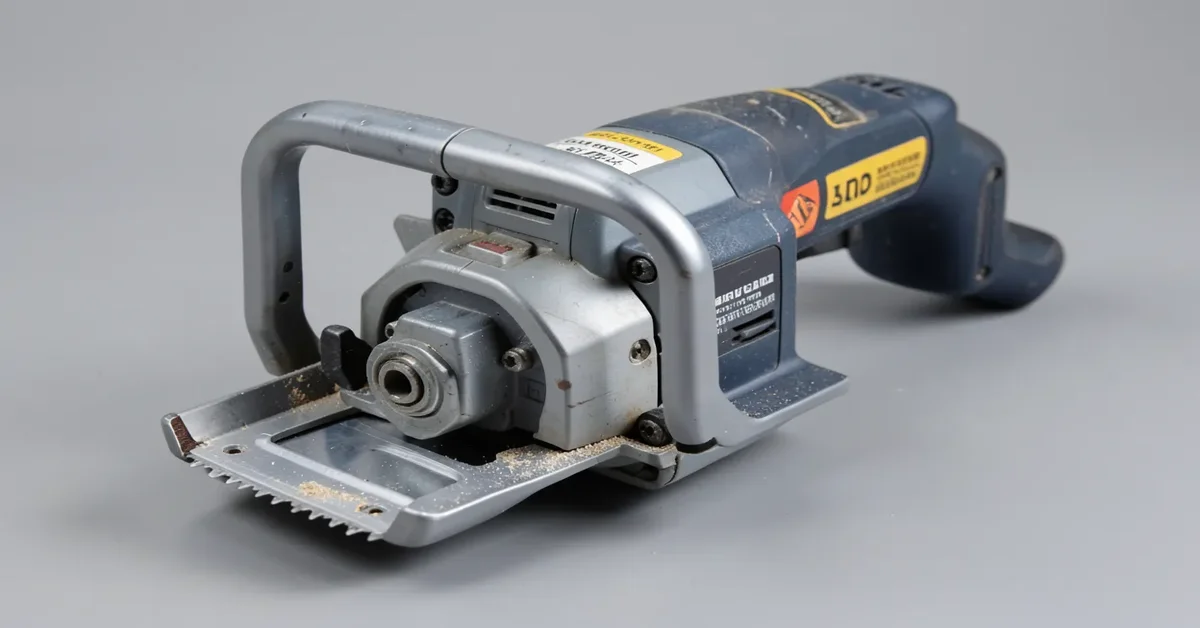
Hercules Reciprocating Saw: Full Review & Performance Test
It can be frustrating when you’re trying to get a job done and your tools just aren’t keeping up. You might be looking at the Hercules reciprocating saw and wondering if it’s the right choice for your needs. Many people feel stuck between powerful, expensive brands and cheaper options that don’t last.
Let’s dive into what makes this saw tick and if it’s a good fit for your workshop.
Hercules reciprocating saws are known for offering a balance of power and affordability. They aim to provide solid performance for DIYers and professional tradespeople on a budget. Features often include variable speed control, anti-vibration technology, and a tool-free blade change system, making them a practical choice for various cutting tasks.
Understanding the Hercules Reciprocating Saw
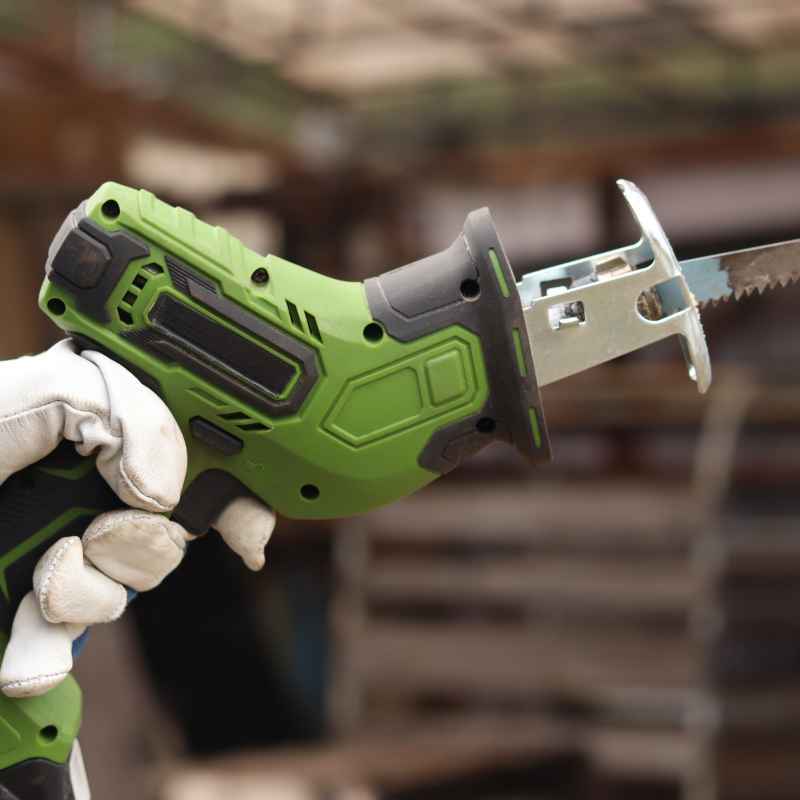
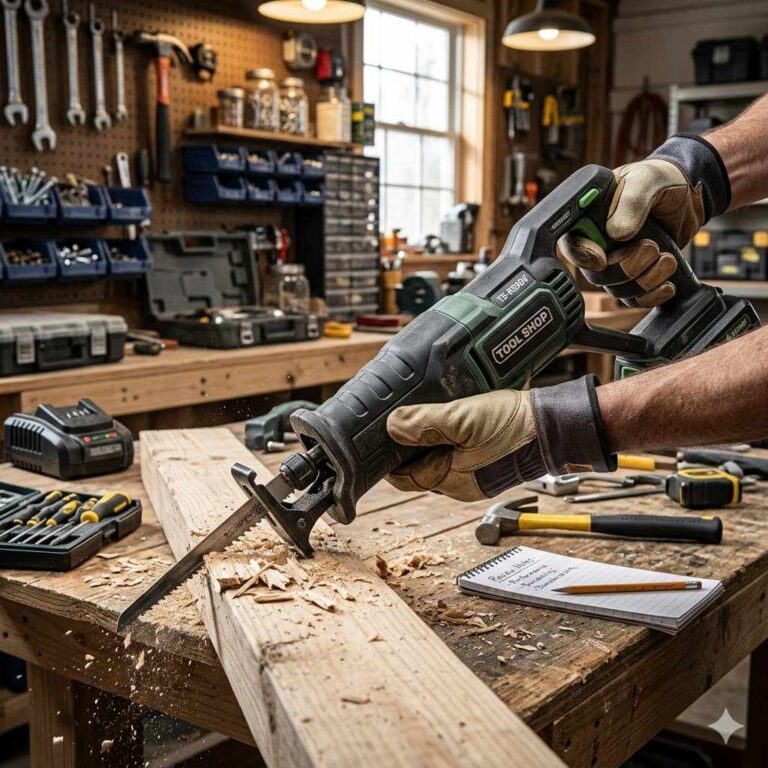
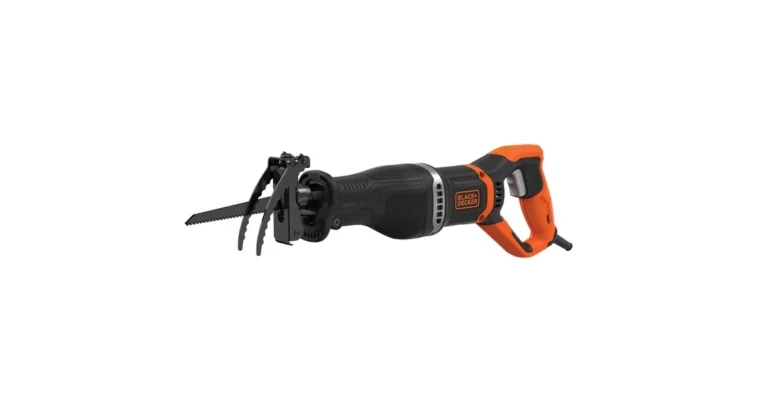
A reciprocating saw is a versatile tool. It uses a push-and-pull motion to cut through materials. Think of it like a fast, powerful hand saw.
It’s great for demolition work. You can use it to cut wood, metal, plastic, and even plaster. The blade moves back and forth.
This action makes quick work of tough jobs.
Hercules is a brand often found at Menards. They focus on providing good value. This means you get a tool that works well without breaking the bank.
Many users look for tools that are reliable for home projects. They also want tools that can handle occasional heavier use. The Hercules line often fits this description.
When you look at a reciprocating saw, there are a few key things to consider. Power is important. This is often measured in amps for corded tools.
For cordless, it’s the voltage of the battery. Speed is also key. Variable speed lets you adjust how fast the blade moves.
This is helpful for different materials.
Comfort and control matter too. Tools with good ergonomics are easier to use for long periods. Anti-vibration systems help reduce fatigue.
A tool-free blade change makes swapping blades quick. This is a big help when you’re switching between cutting wood and metal, for instance.
Hercules aims to pack these features into their saws. They want to give you a tool that feels good in your hand. They also want it to perform well on a variety of tasks.
We’ll explore how well they do this in the following sections.

My Own Brush with a Tough Cut
I remember a time I was remodeling an old deck. The wood was thick, weathered, and full of old nails. I needed to remove some of the support beams.
My old saw just wasn’t cutting it. The blade kept binding. I was sweating, frustrated, and making very little progress.
It felt like I was wrestling with the wood instead of cutting it.
I’d heard about Hercules tools being good for the price. So, I picked up one of their reciprocating saws. The moment I started using it, I felt a difference.
The power was much better. It chewed through the old wood with less effort. The anti-vibration feature was noticeable.
My hands didn’t feel as shaky after a few minutes.
The tool-free blade change was a lifesaver. I had a metal-cutting blade handy. I needed to cut through a stubborn bolt holding a beam.
Switching the blades took seconds. This saved me a lot of time and hassle. It wasn’t a professional job, but it felt professional.
That day, my Hercules saw proved its worth. It turned a frustrating task into something manageable.
Key Features to Look For
Power Source: Corded (more consistent power) or Cordless (more portability).
Motor Power: Measured in amps (corded) or volts (cordless). More power usually means tougher cuts.
Variable Speed: Allows you to control blade speed for different materials. Important for precision.
Orbital Action: Some saws have this. It adds a slight rocking motion to the blade for faster, more aggressive cuts in wood.
Blade Clamp: Tool-free systems are very convenient for quick blade changes. Universal shanks fit most blades.
Anti-Vibration: Reduces fatigue during long use. Makes the tool easier to control.
Performance in Real-World Scenarios
When you’re choosing a tool, you want to know how it performs. Not just in perfect conditions, but in the mess of a real job. Hercules reciprocating saws are often put to the test in home renovations and DIY projects.
Let’s break down how they usually handle common tasks.
Cutting Wood
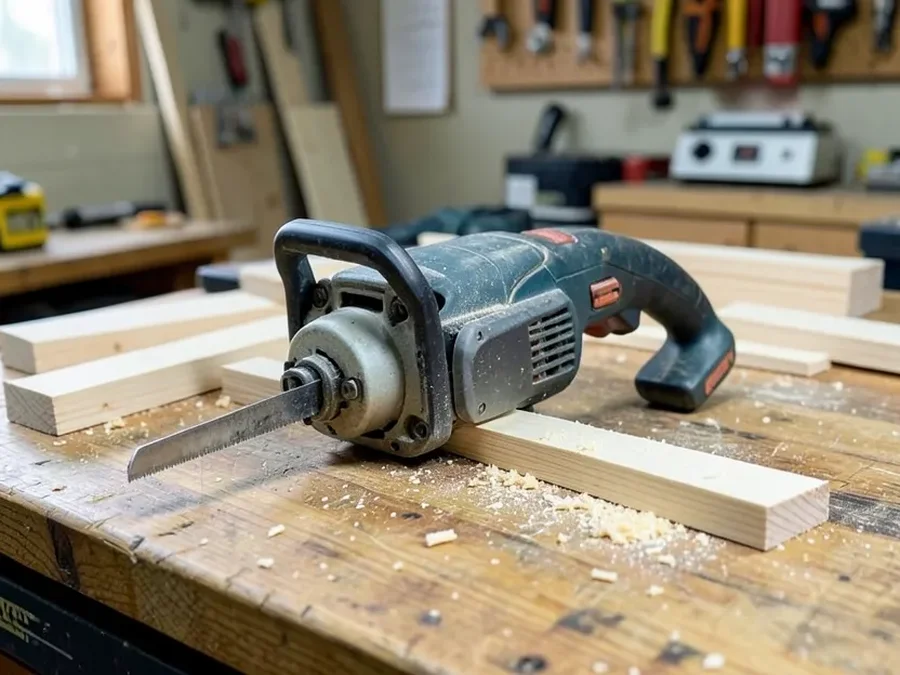
Wood is what reciprocating saws often do best. Whether it’s framing lumber, plywood, or even branches, these saws can usually handle it. The power of the motor helps push the blade through.
Variable speed is great here. For softwoods, you can use a faster speed. For hardwoods, you might want to slow it down a bit.
Many Hercules models come with a decent stroke length. This is the distance the blade travels. A longer stroke length can mean faster cutting.
For demolition, where speed is key, this is a big plus. You can rip through old 2x4s quickly.
Tip: Use a wood-cutting blade with larger teeth for faster wood cutting. For cleaner cuts, a blade with more teeth per inch works better.
Wood Cutting Performance Snapshot
Material: 2×4 Pine Stud
Blade: Standard wood-cutting blade
Speed Setting: Medium-high
Result: Cuts are generally fast and efficient. Minimal binding if the blade is sharp and the speed is appropriate. Older, harder wood might require slower speeds or more pressure.
Cutting Metal
Cutting metal with a reciprocating saw is possible. But it requires the right blade and technique. You’ll need a metal-cutting blade.
These have finer teeth. The speed should also be set much lower. Trying to cut metal too fast can overheat the blade and the motor.
Hercules saws with good variable speed control shine here. You can dial it down to a crawl. This lets the blade do the work without excessive heat.
For thin metal like sheet metal or conduit, it works well. For thicker pipes or rebar, it will take more time and effort. You might feel more vibration when cutting metal.
Metal Cutting Performance Snapshot
Material: 1-inch Metal Pipe (EMT Conduit)
Blade: Metal-cutting blade
Speed Setting: Low
Result: The saw makes steady progress. Clean cuts are achievable with patience. Higher-end saws might be faster, but for occasional use, it’s very capable.
Watch for sparks and wear safety glasses.
Cutting Plastic and PVC
Plastic and PVC pipes are generally easy materials to cut. A standard wood-cutting blade can often handle these. The key is to use a moderate speed.
Going too fast can melt the plastic. This can clog the blade and create a messy cut. A slower speed allows the blade to slice cleanly.
Many users find that reciprocating saws are excellent for plumbing rough-ins. They can quickly cut through PVC pipes in tight spaces. The compact design of some models helps.
They can get into corners where other tools might not fit. This makes them a go-to for many home plumbers.
Plastic Cutting Performance Snapshot
Material: 3-inch PVC Pipe
Blade: Standard wood-cutting blade
Speed Setting: Medium
Result: Cuts are smooth and fast. Minimal effort required. The saw handles this task with ease.
This is one of the easiest materials for a reciprocating saw to cut.
Ergonomics and User Comfort
How a tool feels in your hand is super important. Especially if you’re working for a while. Hercules usually tries to make their tools comfortable.
They know that most people using their saws aren’t professional contractors working 10 hours a day. But they still want the tool to feel good.
Grip: Most models have a rubberized grip. This helps prevent your hand from slipping. It also makes the tool feel more secure.
A good grip means better control. This is vital when you’re cutting at an angle or overhead.
Weight: Reciprocating saws can be a bit heavy. The weight can make them feel powerful. But it can also cause fatigue.
Hercules saws are often designed to be balanced. This helps distribute the weight. It makes them feel less cumbersome.
Vibration: This is a big one. Constant vibration can make your hands numb. It can also cause long-term issues.
Many Hercules saws include anti-vibration technology. This isn’t always as advanced as on high-end professional saws. But it does make a difference.
It helps soak up some of the shock.
Trigger: The trigger is usually a variable speed type. This means the harder you press, the faster the blade moves. This is great for control.
You can start cuts slowly and then ramp up the speed. This prevents the saw from jumping around when you first start.
Ergonomic Design Elements
Soft Grip: Rubberized handles reduce slipping and absorb some shock.
Balanced Weight: Helps reduce user fatigue during extended use.
Anti-Vibration System: Built-in dampening reduces the transfer of vibration to the user.
Variable Speed Trigger: Allows for precise control over cutting speed.
Compact Size: Some models are designed to be more compact for easier maneuverability in tight spaces.
Durability and Build Quality
When you buy a tool, you want it to last. Nobody wants to buy something only to have it break after a few uses. Hercules tools are generally seen as durable for their price point.
They might not be built to withstand daily professional abuse. But for the average homeowner or DIYer, they often hold up well.
The housing is usually made of sturdy plastic. This protects the internal motor. The metal parts, like the blade clamp and shoe, are typically robust.
The shoe is the part that rests against the material you’re cutting. It helps stabilize the saw.
Occasional issues might arise. Like any power tool, parts can wear out. The motor might eventually become less powerful.
The trigger switch could fail after thousands of presses. However, for the cost, the durability is often considered good. Many users report satisfaction with how long their Hercules tools last.
It’s important to remember that proper maintenance helps. Keeping the tool clean. Storing it correctly.
And using the right blades for the job. These things contribute to a tool’s lifespan. They help prevent unnecessary wear and tear.
Durability Factors
Motor: Often a brushed motor, which is common for this price point. Can last for many hours of use.
Housing: Made from tough plastic to protect internal components.
Blade Clamp: Typically a metal mechanism designed for frequent blade changes.
Shoe: A metal plate that contacts the workpiece for stability. Usually adjustable.
Lifespan: Generally good for DIY and moderate use. Professional, heavy daily use may reduce lifespan compared to premium brands.
What About Cordless vs. Corded?
Hercules offers both corded and cordless reciprocating saws. The choice between them depends on your needs and preferences.
Cordless Models: These offer the ultimate freedom. You can take them anywhere. You’re not tied to an outlet.
This is perfect for working outside or in areas without power. They use battery packs, usually part of a larger battery system. This means if you have other Hercules tools, you might already have batteries.
The power of cordless saws is usually measured by voltage. Common voltages are 18V or 20V MAX. Higher voltage generally means more power.
Battery life is also a consideration. For heavy tasks, you might need spare batteries. Charging times can also vary.
Corded Models: These give you consistent, unlimited power. As long as you have an outlet, you have power. They often have a bit more raw power than their cordless counterparts in the same price range.
The main downside is the cord. It can get in the way. You need to be careful not to cut it.
Corded saws are great for workshops or jobs where you’re always near an outlet. They are often a bit less expensive than comparable cordless models. The power draw is usually measured in amps.
Higher amps mean more power.
Cordless vs. Corded: Key Differences
Mobility: Cordless wins hands down. Corded requires a power outlet.
Power: Corded models might offer slightly more consistent power for demanding tasks. Cordless power depends on battery voltage and charge.
Cost: Corded saws are often cheaper upfront. Cordless requires battery and charger investment.
Runtime: Corded has unlimited runtime. Cordless is limited by battery life.
Convenience: Cordless for portability. Corded for uninterrupted workshop use.
Tool-Free Blade Changes: A Closer Look
This feature is a real game-changer. Older saws required a small wrench to loosen a screw and swap blades. This was fiddly and took time.
A tool-free blade change system usually involves a lever or a collar you twist. You simply pull out the old blade and insert the new one.
Hercules models often include this. It makes switching between cutting wood, metal, or even plaster quick and easy. If you’re in the middle of a project and realize you need a different type of cut, this feature saves you precious minutes.
It means less downtime and less frustration. It’s one of those small things that makes a big difference in the user experience.
When you insert a new blade, make sure it locks in securely. Most systems have a click or a visual indicator. You want to be sure the blade won’t come loose while you’re using the saw.
Safety first!
When Is a Hercules Reciprocating Saw a Good Fit?
So, who is this saw really for? Based on its features and typical performance, it’s best suited for a few types of users. It’s a great option if you’re a homeowner who tackles various DIY projects.
Think small renovations, garden clean-up, or occasional demolition.
It’s also a solid choice for budget-conscious individuals. If you need a tool that can perform a range of tasks but don’t want to spend top dollar, Hercules is often a strong contender. It offers a good balance of features for the price.
For hobbyists or makers who need a versatile cutting tool, it can also be ideal. If you’re building custom furniture, doing set design, or even working on automotive projects, a reciprocating saw can be incredibly useful. The ability to cut different materials makes it highly adaptable.
If you are a professional contractor who uses a reciprocating saw all day, every day, you might want to consider higher-end brands. Those tools are built for extreme durability and prolonged heavy use. But for anyone else, a Hercules reciprocating saw can be a very capable tool.
Ideal User Profiles
DIY Homeowners: For home repairs, renovations, and projects.
Budget-Conscious Buyers: Seeking good value for their money.
Hobbyists & Makers: For creative projects and custom builds.
Occasional Users: People who don’t use the tool daily but need it for specific tasks.
Tradespeople Needing a Secondary Tool: For tasks outside their primary focus.
When Might You Need to Look Elsewhere?
There are situations where a Hercules reciprocating saw might not be the best fit. If you are a professional contractor who uses a reciprocating saw for 8 hours a day, 5 days a week, you might need something more robust. The daily wear and tear of professional use can be extreme.
Higher-end brands often offer better longevity and more advanced features. Things like superior anti-vibration systems, more powerful motors, and more rugged construction are found in premium tools. These are built for continuous, heavy-duty work.
Also, if you need extremely precise cuts or specialized functions. For example, if you need to make very fine, detailed cuts, a reciprocating saw might not be the tool. Other saws are better suited for that.
Reciprocating saws are generally for demolition, rough cuts, and general-purpose cutting.
If you’re looking for features like brushless motors (which offer more power and longer tool life) or advanced battery technologies, you might need to explore other brands. While Hercules focuses on value, some other brands push the envelope on technology.

Common Questions About Hercules Reciprocating Saws
What kind of blades can I use with a Hercules reciprocating saw?
Most Hercules reciprocating saws use universal shank blades. This means they are compatible with a wide variety of blades from different manufacturers. You can find blades for wood, metal, plastic, demolition, and even specialized blades for cutting tile or masonry.
Always ensure the blade is securely locked in place.
Are Hercules reciprocating saws powerful enough for demolition?
Yes, for most homeowner-level demolition tasks, Hercules reciprocating saws offer sufficient power. They can cut through wood framing, drywall, and even some light metalwork. For extremely demanding demolition jobs, professional-grade saws might be faster, but Hercules provides good performance for its price point.
How do I maintain my Hercules reciprocating saw?
Keep the saw clean, especially the vents. Wipe it down after use. Store it in a dry place.
For cordless models, follow battery storage guidelines. Ensure the blade clamp is free of debris. Periodically check the cord (for corded models) for any damage.
What is the warranty on a Hercules reciprocating saw?
Hercules tools sold at Menards typically come with a warranty. The length can vary by specific model. It’s always best to check the product packaging or Menards’ website for the exact warranty details for the saw you are interested in.
Keep your receipt!
Can I use a Hercules reciprocating saw for tree pruning?
Yes, for smaller branches and light pruning, a reciprocating saw can be effective. Use a wood-cutting blade designed for pruning. For larger branches or full tree felling, a chainsaw is a more appropriate and safer tool.
Always use caution and proper safety gear.
How does the anti-vibration feature work?
Anti-vibration systems typically involve counterweights or dampening materials within the saw’s design. These elements absorb some of the shock and vibration generated by the reciprocating blade. This reduces the amount of vibration that travels to your hands and arms, making the tool more comfortable to use over longer periods.
Conclusion
The Hercules reciprocating saw often hits a sweet spot. It offers a good blend of power, usability, and value. For homeowners, DIYers, and hobbyists, it’s a tool that can handle a wide variety of tasks without a hefty price tag.
It’s reliable enough for many home projects. It makes jobs like demolition or cutting materials much easier.
While it might not be the choice for heavy, daily professional use, it’s a strong performer for its intended audience. The features like variable speed and tool-free blade changes add to its convenience. It’s a smart tool to have in your arsenal.
},
},
},
},
},
}
]
}