Hardwood Floors In San Rafael: Best Local Installers Near You
The best hardwood floor installers in San Rafael combine NWFA-level licensing, verifiable reviews, and hands-on experience with your specific wood species. Skipping that vetting is the top cause of the gaps, cupping, and squeaks that cost $3-$7 per square foot to fix later. This guide covers what separates a qualified installer from a risky one, real San Rafael installation costs, and the exact questions to ask before signing a quote.
Finding expert hardwood floor installers in San Rafael is key. Look for licensed pros with good reviews, clear quotes, and experience with your chosen wood type. They ensure beautiful, lasting floors for your home.
Understanding Hardwood Flooring
Hardwood floors are a classic choice for many reasons. They bring warmth and elegance to any room. Wood floors can also increase your home’s value.
They feel good underfoot and offer a natural beauty that’s hard to match. From light oak to rich walnut, there’s a wood for every style.
When we talk about hardwood floors, we mean solid wood planks. These come from a single piece of timber. Engineered hardwood is another option.
It has a real wood top layer glued to a sturdy base. Both have their pros and cons. Solid wood can be sanded and refinished many times.
Engineered wood is often more stable and can work in more places, like basements.
The type of wood you choose matters. It affects the look, durability, and cost. Oak is popular for its strength and classic grain.
Maple is harder and has a smoother look. Cherry wood offers a warm, reddish tone that darkens over time. Each type has a Janka hardness rating.
This tells you how well it resists dents and scratches. Higher numbers mean harder wood.
Wood Flooring Types Explained
Solid Hardwood: Made from one piece of wood. Can be sanded many times. Good for main living areas.
Engineered Hardwood: Real wood top layer over plywood or HDF. More stable. Good for areas with moisture changes.
Bamboo: A grass, but acts like hardwood. Eco-friendly. Strong and durable.
Cork: Natural, soft, and warm. Good for sound insulation. Needs sealing.
Installation is a critical part of getting great hardwood floors. It’s not just about laying planks. It’s about preparing the subfloor.
It’s about acclimating the wood to your home’s climate. A good installer knows how to handle different subfloors, like concrete or existing wood. They also know the right fasteners or adhesives to use.
The goal is to create a seamless, beautiful floor. There should be no gaps. The planks should lie flat.
The finish should be smooth and even. This requires skill and attention to detail. That’s why choosing the right professional is so vital.
Why Choosing the Right Installer Matters
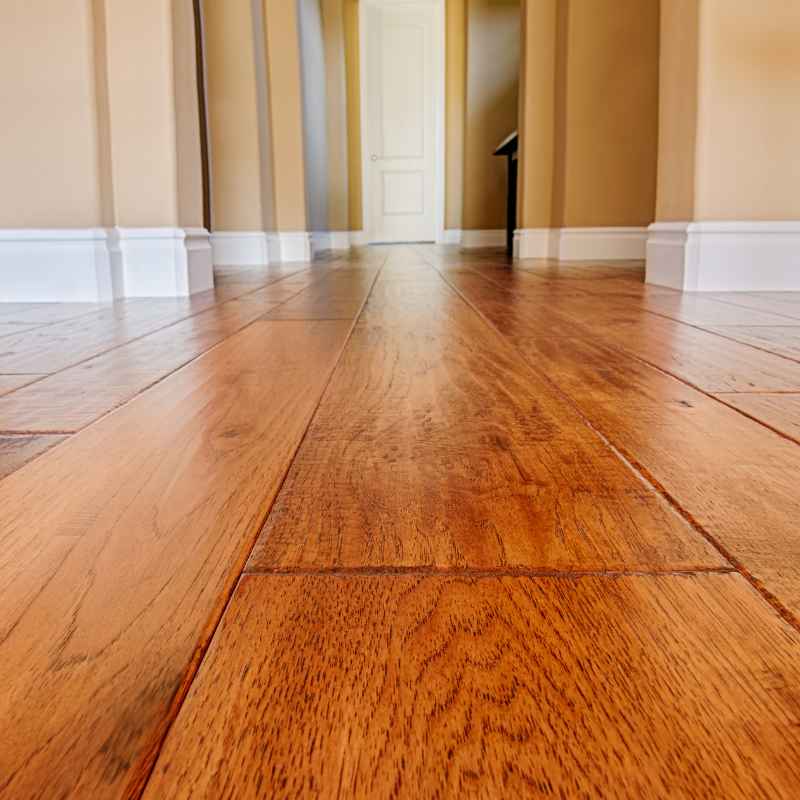
It might seem like any contractor can lay wood floors. But installing hardwood is a craft. It requires specific knowledge and tools.
Poor installation can lead to problems down the road. These issues can be costly and frustrating to fix. They can even damage your new floors.
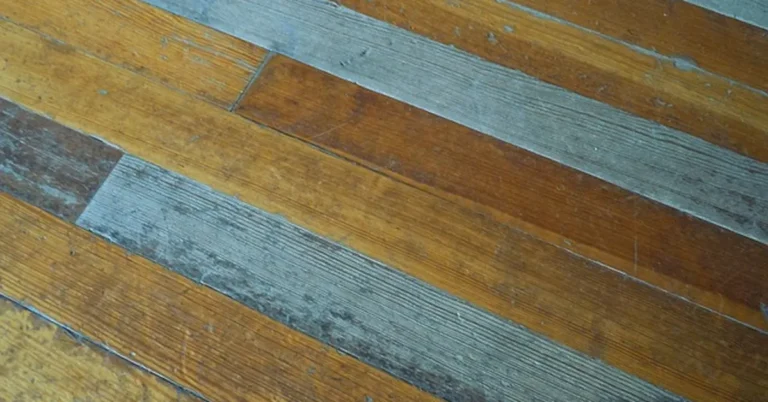
What are some common problems from bad installation? Gaps between planks are a big one. This happens if the wood isn’t acclimated properly or if planks are forced.
Cupping or crowning is when the wood bends. This can be due to moisture issues or improper fastening. Squeaky floors are another sign of trouble.
It often means the wood isn’t secured well to the subfloor.
A skilled installer understands these risks. They take steps to prevent them. They will inspect your subfloor.
They will ensure the wood is ready for installation. They use the right nails, staples, or glue. They will also know how to cut around obstacles and create clean transitions to other flooring types.
Experience is a huge factor. An installer who has done hundreds of hardwood floors will know tricks of the trade. They can spot potential issues before they become problems.
They have learned from past jobs. This experience translates to a better finished product for you. It means less stress and more beauty in your home.
Finding Hardwood Floor Installers in San Rafael
San Rafael has many contractors. Finding the right one for your hardwood floors means doing some research. Start with recommendations.
Ask friends, family, or neighbors who have had hardwood floors installed. They can share their good and bad experiences.
Next, look for local specialists. Search online for “hardwood floor installation San Rafael.” Check out reviews on sites like Google, Yelp, or Angie’s List. Look for companies with many positive reviews.
Pay attention to what people say. Do they mention craftsmanship? Did they finish on time?
Were they clean and professional?
Professional affiliations can also be a good sign. Look for members of the National Wood Flooring Association (NWFA). These professionals often adhere to higher standards.
They may have more training and certification. This shows a commitment to quality in the wood flooring industry.
When you find a few potential installers, it’s time to get quotes. Always get at least three written estimates. This helps you compare prices and understand what’s included.
A good quote will be detailed. It should list the cost of materials, labor, and any extras. It should also have a timeline.
Questions to Ask Potential Installers
- How long have you been installing hardwood floors?
- Are you licensed and insured? Can I see proof?
- Do you have references from recent jobs?
- What is your process for preparing the subfloor?
- How do you handle acclimation of the wood?
- What type of warranty do you offer on your labor?
- Can you provide a detailed written estimate?
Don’t be afraid to ask lots of questions. A good installer will be happy to answer them. They should be transparent about their process and pricing.
If someone seems evasive or pressures you, it might be best to look elsewhere.
What to Look For in a Qualified Installer
Beyond just having a business, a truly qualified installer brings more to the table. They have a deep understanding of wood. They know how different species behave.
They understand moisture content. They know how to work with various subfloors, including concrete, plywood, and old existing floors.
Their work will show attention to detail. This means clean cuts around doorways and cabinets. It means precise fit of each plank.
It means a smooth, even finish that is free of streaks or imperfections. They will also manage dust well. Installing wood floors can create a lot of dust.
A good pro will use dust containment systems.
They should also be knowledgeable about the products. This includes different types of wood, finishes, and installation methods like nail-down, staple-down, or glue-down. They can guide you based on your home’s conditions and your lifestyle.
For example, if you have a home near the coast in San Rafael, humidity might be a factor. They’d recommend wood and installation methods that handle that well.
The best installers are often passionate about their work. They take pride in creating beautiful, lasting floors. This passion comes through in the quality of their craftsmanship.
They see your home as a canvas. They want to create something beautiful for you.
Signs of a Top-Notch Installer
Experience: Years of dedicated hardwood floor work.
Knowledge: Understands wood types, finishes, and installation methods.
Cleanliness: Manages dust and keeps the worksite tidy.
Detail-Oriented: Precise cuts, smooth finishes, no gaps.
Communication: Clear explanations and honest advice.
Professionalism: Punctual, respectful, and organized.
The Installation Process: What to Expect
Once you’ve chosen an installer, they’ll guide you through the process. It starts with a final consultation. They’ll confirm the wood type, the layout, and the finish.
They’ll measure your space accurately.
The first actual step on-site is preparation. This is crucial. The old flooring must be removed.
The subfloor will be inspected. Any repairs needed will be done. This might include leveling, cleaning, or reinforcing the subfloor.
Then, the new hardwood planks need to acclimate to your home’s temperature and humidity. This can take several days.
Acclimation is vital. Wood expands and contracts with changes in moisture. If you install it too soon, it might swell and buckle later.
Or it might shrink, leaving gaps when the air gets dry in winter. The installer will follow the manufacturer’s recommendations for acclimation time.
After acclimation, the installation begins. This is where the planks are laid. Depending on the type of wood and your subfloor, this might involve nailing, stapling, or gluing.
The installer will work from one side of the room to the other. They carefully cut planks to fit around walls and obstacles. They ensure a tight fit with no gaps.
Once all planks are laid, the floor is often sanded. This is to create a perfectly smooth surface. Then, the finish is applied.
This could be a polyurethane, water-based, or oil-based finish. Multiple coats are usually applied. Each coat needs time to dry.
Sanding might happen between coats too. This is a dusty process, which is why good dust control is important.
Finally, any trim or molding is installed. This covers the expansion gap around the edges of the room. The installer will clean up the work area.
They’ll do a final walkthrough with you to ensure you’re happy with the result. The whole process can take anywhere from a few days to a couple of weeks, depending on the size of the job and the type of finish.
Phases of Hardwood Installation
Preparation: Removing old flooring, inspecting and repairing subfloor.
Acclimation: Wood adjusts to your home’s environment (days).
Installation: Laying the planks (nail, staple, or glue).
Sanding: Creating a smooth, even surface.
Finishing: Applying multiple coats of protective sealant.
Trim & Cleanup: Installing baseboards and cleaning the site.
A common mistake happens when a homeowner is eager to finish a renovation fast and skips the oak flooring’s acclimation period to meet a deadline.
A rushed installation can look fine on day one, but as the house dries out during a hot San Rafael summer, small gaps often start appearing between the planks within weeks.
Fixing gaps after the fact means pulling up flooring and reinstalling it, which costs far more than the few extra days of acclimation would have. It’s a clear example of why patience with the process matters as much as picking the right installer.
Hardwood Floor Installation Costs in San Rafael
The cost of installing hardwood floors in San Rafael can vary quite a bit. Several factors influence the price. These include the type of wood you choose, the complexity of the installation, and the installer’s rates.
The square footage is also a major driver, of course.
Generally, you can expect to pay anywhere from $6 to $12 per square foot for materials and labor combined. This is a rough estimate. Solid hardwood floors tend to be more expensive than engineered ones.
Exotic wood species will cost more than domestic ones like oak or maple. High-end finishes can also add to the cost.
Labor costs are a significant part of the total. Skilled hardwood floor installers are in demand. Their expertise and tools command a fair price.
In an area like San Rafael, where the cost of living is higher, labor rates might be on the higher end of that range.
Other factors that can increase the cost include:
- Subfloor issues: If your subfloor needs extensive repair or leveling, this adds time and material costs.
- Complex room shapes: Rooms with many corners, angles, or built-in features take longer to install.
- Stair installation: Adding hardwood to stairs is labor-intensive and usually costs extra per step.
- Patterned layouts: Diagonal or herringbone patterns require more skill and time than a simple straight layout.
- Existing floor removal: If you have old flooring that needs to be torn out, this is an additional charge.
When you get your quotes, make sure they are itemized. This helps you see exactly what you’re paying for. Ask if there are any potential extra charges you should be aware of.
Understanding the breakdown helps you make an informed decision.
Cost Factors for Hardwood Installation
Wood Type: Oak, maple, walnut, exotics.
Installation Method: Nail-down, glue-down, staple-down.
Subfloor Condition: Needs for repair, leveling.
Room Complexity: Number of corners, angles, and obstacles.
Finishing: Type and number of coats.
Labor Rates: Varies by installer and location.
Caring for Your New Hardwood Floors
Once your beautiful new hardwood floors are installed, proper care is essential. This will keep them looking great for many years. It also protects your investment.
The good news is that hardwood floor maintenance is generally quite simple.
The most important thing is to keep them clean. Sweep or vacuum them regularly. Use a soft brush attachment on your vacuum.
This removes grit and dirt that can scratch the finish. Avoid using steam mops or excessive water. Water can seep into the wood and cause damage over time.
For deeper cleaning, use a hardwood floor cleaner recommended by your installer or the manufacturer. These cleaners are usually pH-neutral and designed to clean without stripping the finish. Always follow the product’s instructions.
Apply the cleaner to your mop, not directly to the floor.
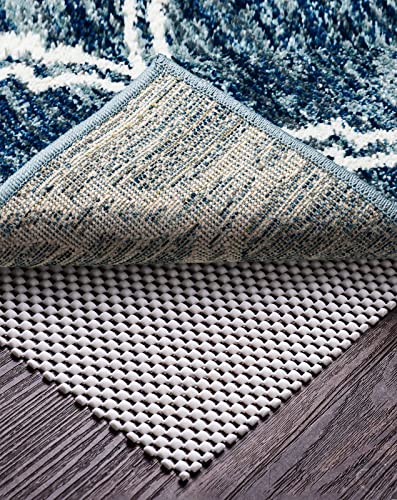
Use mats at entryways. This traps dirt and moisture before it gets onto your floors. Place felt pads on the legs of furniture.
This prevents scratches when you move chairs or tables. If you have heavy furniture, consider using furniture coasters.
Protect your floors from direct sunlight. Intense UV rays can cause some wood species to fade over time. Use curtains or blinds to block direct sun during peak hours.
Be mindful of pet nails. Keep your pets’ nails trimmed. If you have a very active dog, consider covering high-traffic areas with rugs.
Address spills immediately. Blot them up with a soft cloth. Don’t let liquids sit on the floor.
This can stain or damage the wood. If you notice any wear or dullness in high-traffic areas, touch-up finishing might be needed. A professional can advise you on this.
Regular maintenance will ensure your San Rafael hardwood floors stay beautiful and last a lifetime.
Quick Tips for Hardwood Floor Care
Sweep or Vacuum Daily: Use a soft brush attachment.
Clean Spills Immediately: Blot with a soft cloth.
Use Area Rugs: Especially at entrances and in high-traffic zones.
Felt Pads on Furniture: Prevent scratches when moving items.
Avoid Excessive Water: Never use steam mops.
Use Recommended Cleaners: pH-neutral products are best.
When to Call a Professional for Repairs
Even with the best care, hardwood floors might need occasional repairs. Small issues are sometimes fixable yourself. But for anything significant, it’s always best to call a professional installer or refinisher.
What are signs you should call a pro? Deep scratches or gouges in the wood are a clear indicator. If planks are loose, squeaky, or uneven, that’s a problem needing expert attention.
Water damage, such as staining or warping, requires immediate professional assessment.
If you notice a significant change in the floor’s appearance, like widespread fading or discoloration, it might be time to consult an expert. They can assess if refinishing or spot repairs are needed.
Trying to fix major damage yourself can sometimes make the problem worse. You might use the wrong materials or techniques. This could lead to more costly repairs later.
A professional has the right tools and knowledge to diagnose the issue correctly. They can then perform the repair effectively, restoring the beauty and integrity of your floor.
Choosing the Right Wood Species and Finish
Selecting the species of wood is a big part of the aesthetic for your San Rafael home. Each type offers a unique look and durability. Oak, for instance, is a staple.
It’s strong and has a distinct grain pattern. White oak is very durable and resistant to moisture. Red oak has a slightly pinker tone and a more open grain.
Maple is another popular choice. It’s one of the hardest woods available. It has a smooth, uniform grain and a light color.
This makes it a great canvas for staining. If you want something darker and richer, consider walnut. It’s a premium wood with beautiful natural variations.
Beyond species, the finish is crucial. It protects the wood and dictates the sheen. Polyurethane finishes are common.
They are durable and come in different sheens: matte, satin, semi-gloss, and high-gloss. Matte finishes are subtle and hide imperfections well. High-gloss finishes are very reflective and show more wear.
Water-based finishes are clear and dry quickly. They don’t add much color to the wood. Oil-based finishes often have a slight amber tone.
They can darken the wood over time. Some people prefer natural finishes, which are often made from plant oils. They offer a more matte look and can be easier to repair in small areas.
Your installer can show you samples. They can explain the pros and cons of each option. They will help you choose what best fits your lifestyle and design goals.
For a deeper side-by-side look at species, finishes, and installation methods, see this guide to San Rafael hardwood floor options.
For example, a busy household with kids and pets might benefit from a harder wood species with a more durable, matte finish.
Wood Species Quick Guide
Oak (Red/White): Very popular, durable, distinct grain. Good all-around.
Maple: Very hard, smooth grain, light color. Great for staining.
Walnut: Rich, dark color, beautiful natural variations. Premium choice.
Cherry: Warm, reddish tones that darken with age. Elegant.
Hickory: Very hard, strong grain patterns. Can be rustic or modern.
Commonly Asked Questions About Hardwood Floors
Can hardwood floors be installed over existing tile?
Yes, often they can. The existing tile needs to be in good condition, level, and well-adhered. The installer will assess this. Sometimes, the tile might need to be removed. Then, a new subfloor layer is added. This ensures a stable base for the hardwood.
How long does hardwood floor installation take?
It depends on the room size and complexity. For a standard-sized room, installation might take 3-5 days. This includes preparation, acclimation, installation, and finishing. Larger or more complex jobs can take longer, sometimes up to two weeks.
Is hardwood flooring noisy?
Hardwood floors can be noisier than carpet. This is especially true if they are not installed properly. Proper installation, including good subfloor preparation and the right fasteners, helps minimize squeaks and echoes. Underlayment or rugs can also reduce noise.
Can I install hardwood floors in a kitchen?
Yes, you can. Engineered hardwood is often recommended for kitchens due to its stability with moisture. Choose a hard wood species and a durable finish. Be sure to clean up spills quickly. Mats at the sink and dishwasher are also a good idea.
What’s the difference between solid and engineered hardwood?
Solid hardwood is made from a single piece of wood. It can be sanded and refinished many times. Engineered hardwood has a top layer of real wood over several layers of plywood or HDF. It’s more stable in changing humidity and can be installed in more places, but has fewer refinishing options.
How much does refinishing hardwood floors cost in San Rafael?
Refinishing typically costs between $3 and $7 per square foot. This includes sanding down the old finish and applying new coats. The price can vary based on the condition of the floor and the type of finish chosen. It’s a good way to update old floors without full replacement.
Conclusion: Your Beautiful Hardwood Floors Await
Investing in hardwood floors is a wonderful choice for your home. It adds beauty, warmth, and value. Finding the best hardwood floor installers in San Rafael is the next crucial step.
It ensures your floors are installed correctly and look stunning for years to come.
Remember to do your research. Ask for recommendations. Check reviews and credentials.
Get detailed quotes. Ask lots of questions. A good installer will be professional, experienced, and transparent.
They will guide you through the process, from choosing the right wood to the final polish.
With the right team by your side, your dream of beautiful hardwood floors can become a reality. Enjoy the process, and soon you’ll be walking on stunning, durable floors in your San Rafael home.
Sponsored / affiliate links. As an Amazon Associate I earn from qualifying purchases. I may earn additional commission from eligible campaigns.