Hardy Wood Burning Heaters: Top Models For Tough Winters
When winter bites hard, and the chill creeps into your bones, a reliable heat source becomes more than just comfort—it’s essential. Many folks are turning back to the old ways, or perhaps discovering them for the first time. That’s because a good wood burning heater can offer a warmth that feels different, deeper.
If you’re looking for a high-efficiency wood stove that can heat your whole home, our Pacific Energy wood stoves review covers all current models, BTU ratings, and whether they’re worth the price.
It brings a cozy glow and a sense of security, especially when the power grid feels fragile. But with so many options, how do you pick one that’s truly tough enough for those long, cold months? This guide will help you find the perfect hardy wood burning heater.
The best hardy wood burning heaters provide consistent, powerful warmth and reliable performance, even in extreme cold. They are built for durability, efficiency, and safety, making them a trusted choice for keeping homes cozy during tough winters when other heating methods might falter.
What Makes a Wood Heater “Hardy”?
Best For Wood Stove Safety
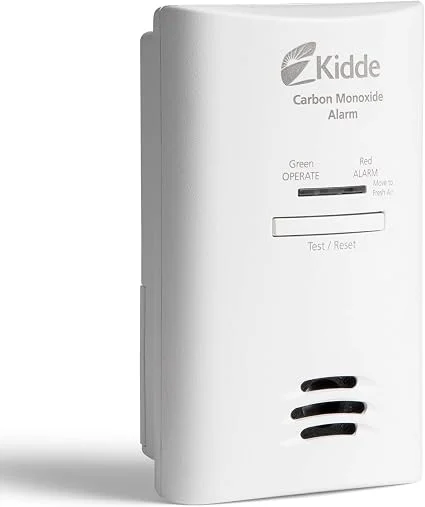 |
Kidde Plug-In Carbon Monoxide Detector – $31.90 A non-negotiable pairing with any wood-burning heater — plugs into any outlet with battery backup so it still works during the exact power outage a wood stove is often used for.
|
When we talk about a “hardy” wood burning heater, we’re looking beyond just a box that burns wood. We’re talking about a machine built to last and perform. This means it needs to handle the daily grind of heating a home through a long winter.
Several key things make a heater truly hardy.
First, durability is crucial. This means solid construction. Think heavy-gauge steel or cast iron.
These materials can take a beating and last for decades. A cheap, flimsy unit will warp or break under constant heat. Hardy heaters are built with quality craftsmanship.
Next, efficiency matters a lot. A hardy heater doesn’t just burn wood; it burns it well. This means more heat goes into your home, and less goes up the chimney.
Modern EPA-certified stoves are super efficient. They use less wood, save you money, and produce fewer emissions. This efficiency is key to sustained warmth.
Safety features are non-negotiable. A hardy heater must be safe to operate. This includes things like secure doors, proper baffling to contain flames, and good insulation.
It should also have clear instructions for safe installation and use. When heating your home, safety comes first.
Finally, performance in cold weather is the true test. Can it heat a large space? Does it maintain temperature for hours?
A hardy unit will provide consistent, powerful heat. It won’t struggle to keep up when the outside temperature plummets. It’s designed for those moments when you need it most.
Why Wood Heat Matters When The Power Goes Out
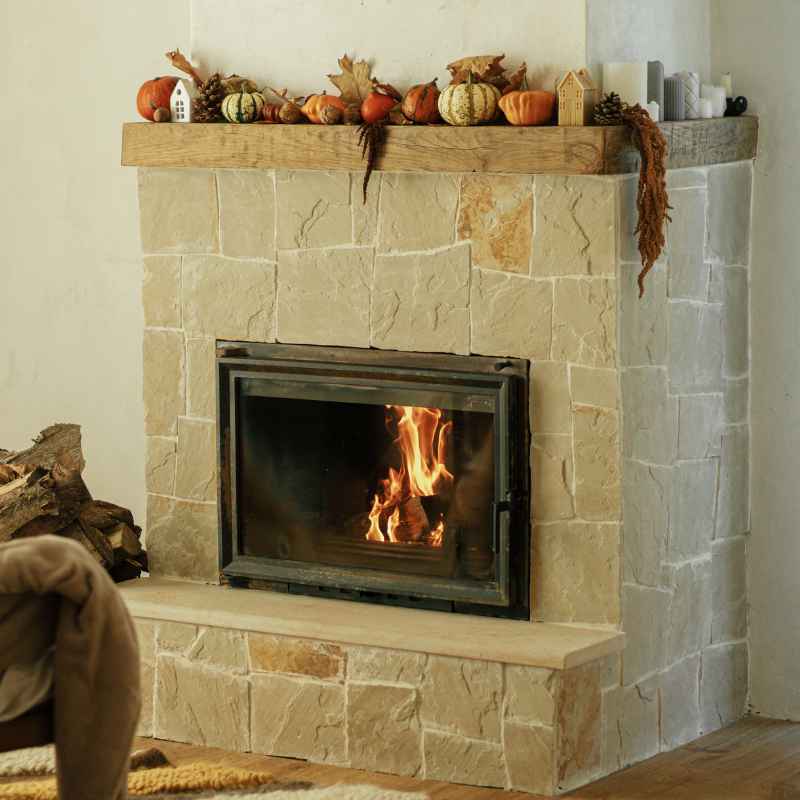
A furnace, no matter how efficient, stops working the moment the grid does — it needs electricity to run the blower and controls even on gas or oil systems. A wood-burning heater is one of the few home heat sources that keeps working through a multi-day outage with zero dependence on the power grid, which is exactly why it’s worth having as more than backup decoration.
That independence comes with real responsibility, though: a cold flue, damp wood, or a stove that’s sat unused for a season all make for a harder, smokier start exactly when you need reliable heat most. Keeping the stove, chimney, and a supply of properly seasoned wood ready year-round is what turns “I have a wood stove” into “I actually have backup heat that works.”
Key Components of a Hardy Wood Heater
Firebox: This is where the magic happens. For hardy units, look for thick steel (at least 3/16 inch) or cast iron. It needs to withstand intense heat and thermal shock.
Baffling System: This internal part helps direct heat and ensures more complete combustion. Better baffling means more heat for your home and cleaner emissions.
Door Seal (Gasket): A good, tight seal prevents air leaks. This is vital for controlling the burn rate and improving efficiency. Leaks mean wasted heat.
Ash Pan: Easy access and a decent size make cleaning much simpler. A well-designed pan helps keep your hearth area tidy.
Air Controls: These allow you to manage how much air feeds the fire. Precise controls are key to optimizing burn time and heat output.
Top Features to Look For in Hardy Wood Heaters
When you’re shopping for a wood heater that can stand up to the harshest winters, certain features make a big difference. It’s not just about brand names; it’s about what the heater is built to do and how it does it.
One of the most important features is non-catalytic combustion. This technology uses a secondary combustion system. It ignites smoke and gases that would otherwise escape up the chimney.
This results in more heat from your wood and fewer emissions. Many modern, efficient wood stoves use this system.
Another key feature is a large firebox. A bigger firebox means you can load more wood at once. This translates to longer burn times.
You won’t have to get up in the middle of the night or early morning to add more fuel. This is a huge comfort factor during deep winter.
Look for long burn times, often listed by manufacturers. This rating tells you how long a stove can burn on a single load of wood. For a hardy heater, you want models that offer 8-12 hours or even more.
This keeps your home warm overnight.
Heat output, measured in BTUs (British Thermal Units), is also vital. Make sure the heater’s BTU output matches the size of your home. You don’t want a stove that’s too small and struggles, or one that’s too big and makes your house uncomfortably hot.
Consider air wash systems. This feature uses pre-heated air to keep the glass door clean. It prevents creosote buildup and allows you to enjoy the view of the fire.
A clean glass door means more radiant heat can enter the room, too.
Finally, check for UL or CSA certification. This means the stove has been tested and meets safety standards. For a hardy heater, you want a unit that’s built to last and designed with user safety in mind.
Understanding BTU Output
BTU stands for British Thermal Unit. It’s a measure of heat energy.
Low BTU (under 30,000): Good for small spaces, cabins, or supplemental heat.
Medium BTU (30,000 – 50,000): Suitable for average-sized homes (1000-1500 sq ft).
High BTU (50,000+): Needed for larger homes (1500+ sq ft) or very cold climates.
Always check manufacturer recommendations for your home size.
Hardy Wood Heater Models for Tough Winters
Finding a specific model can feel overwhelming. But several brands have a reputation for building sturdy, efficient, and long-lasting wood stoves. These are often considered the workhorses of wood heating.
One very popular category is medium-sized wood stoves. These are often great all-rounders. They offer a good balance of heating capacity and manageable size.
They fit well in many homes without taking up too much space. Look for models with fireboxes that can accept 18-20 inch logs.
Another option is large wood stoves. If you have a larger home or live in a region with extremely cold winters, a larger stove might be your best bet. These can often heat 2,000 square feet or more.
They usually have the largest fireboxes for extended burn times.
The Regency (F3500) is a prime example of a robust model. It’s known for its excellent heating capacity and long burn times. Its classic design fits many home styles.
It uses a clean burn system that’s efficient and reduces emissions.
The Pacific Energy (Super 27) is another excellent choice. This stove is celebrated for its durable construction and incredible efficiency. It’s designed to provide consistent, powerful heat for larger areas.
Many users praise its ease of use and the clean view of the fire.
For those seeking maximum efficiency and lower emissions, check out models from Jotul. They have a long history of producing high-quality cast iron stoves. Many of their models are highly efficient and have elegant designs.
The Jotul F 602 V2 is a classic that’s still a favorite for its simplicity and heating power.
Osburn also offers some very hardy options. Their stoves are built with thick steel and designed for tough conditions. The Osburn 1800 is a popular model that delivers substantial heat output.
It’s known for its durability and consistent performance.
When looking at any model, always check its EPA certification. This ensures it meets current emissions standards. It also indicates a higher level of efficiency.
Hardy heaters are almost always EPA-certified because efficiency and clean burning are part of being robust.
Comparing Catalytic vs. Non-Catalytic Stoves
Non-Catalytic
How it works: Uses a secondary combustion system with baffles to ignite smoke and gases.
Pros: Simpler operation, less maintenance (no catalytic converter to replace), often more efficient.
Cons: Can produce higher surface temperatures.
Catalytic
How it works: Uses a catalytic combustor (like a car’s catalytic converter) to burn smoke and gases at lower temperatures.
Pros: Burns at lower temperatures, potentially longer burn times, very low emissions.
Cons: Catalytic combustor needs replacement every few years, more complex operation, requires specific wood moisture levels.
For hardy, reliable winter heating, non-catalytic models are often preferred for their simplicity and durability.
Installation and Safety Considerations
Even the hardiest wood heater needs proper installation to be safe and effective. This is not a DIY job for beginners. Incorrect installation is a major cause of house fires and carbon monoxide issues.
First, clearance is critical. Your wood stove needs space around it. This is to prevent heat from reaching combustible materials like walls, floors, or furniture.
Check the stove’s manual for exact clearance requirements. These are usually listed in inches. Always follow them strictly.
Use heat shields if you need to reduce clearances.
Next, the hearth pad is essential. The stove must sit on a non-combustible surface. This is typically a special hearth pad made of stone, tile, or brick.
It must extend far enough in front of the stove to catch any stray embers. This protects your floor.
The chimney and flue pipe are equally important. A proper chimney system is designed to safely vent smoke and gases outside. This includes the flue pipe connecting the stove to the chimney, the chimney itself, and the cap.
The flue pipe should be made of the correct material (like double-wall stovepipe) and installed with proper support and clearances.
A chimney sweep should inspect and clean your chimney at least once a year. This removes creosote, a flammable buildup that can cause chimney fires. A clean chimney ensures good draft and safe operation.
Carbon monoxide (CO) detectors are a must-have. Install them on every level of your home, especially near sleeping areas. CO is an odorless gas produced by burning fuel.
A detector can save your life if something goes wrong with your stove or chimney.
Always use seasoned firewood. This means wood that has been dried for at least 6-12 months. Wet or green wood burns poorly, produces more smoke, and creates dangerous creosote.
Dry wood is key to efficient and safe burning.
Finally, read the manual. Every stove is different. The manufacturer’s manual provides specific instructions for operation, maintenance, and safety.
Never assume you know how to use a particular stove model. Following these guidelines ensures your hardy heater provides warmth without posing a risk.
Quick Safety Checklist
- Clearances: Always maintain manufacturer-specified distances from walls and furniture.
- Hearth Pad: Ensure the stove sits on a non-combustible surface.
- Chimney: Use properly sized, approved chimney pipe and cap.
- CO Detectors: Install working detectors on every level.
- Firewood: Use only dry, seasoned wood.
- Manual: Read and follow the operating manual.
- Professional Installation: Hire a certified installer if unsure.
Fueling Your Hardy Heater: Wood Types and Quality
The fuel you use is just as important as the stove itself. A hardy heater deserves good fuel. Using the wrong kind of wood can reduce efficiency, create more smoke, and even damage your stove.
The best wood for burning is hardwood. Woods like oak, maple, ash, and hickory are dense. They burn longer and produce more heat than softwoods.
Hardwoods take longer to season, so plan ahead. They are worth the wait for their superior performance.
Softwoods like pine, fir, and spruce burn faster and hotter, but they don’t last as long. They also tend to produce more creosote due to their higher resin content. While they can be used to start a fire, they are not ideal for sustained heating.
If you use softwoods, be extra vigilant about chimney cleaning.
Seasoning is the process of drying wood. Proper seasoning is crucial. It reduces the moisture content to around 15-20%.
You can tell wood is seasoned if it’s cracked at the ends, sounds hollow when hit, and is lighter in weight. Wet wood burns poorly, producing lots of smoke and creosote. It also wastes energy boiling off water.
Avoid burning treated lumber, painted wood, or trash. These materials can release toxic chemicals into your home and the air. They can also damage your stove and chimney.
Only burn natural, untreated wood.
Consider the size of your logs. Most hardy wood heaters are designed to accept logs that are 16-20 inches long. Cutting your wood to the correct size makes loading easier and ensures a better burn.
Splitting larger logs also helps them season faster and burn more completely.
If you’re buying firewood, ask if it’s seasoned. Look for wood that is at least six months old. Ideally, it should be a year old.
Stacked wood with gaps for air circulation dries best. Proper fuel management is key to getting the most out of your hardy wood burning heater.
Wood Burn Time Comparison (General)
Dense Hardwoods (Oak, Maple): Longest burn time, consistent heat, less frequent reloading.
Medium Hardwoods (Ash, Birch): Good burn time, good heat output.
Softwoods (Pine, Fir): Fastest burn time, good for starting fires, may require more frequent reloading and cleaning.
Always ensure wood is dry and seasoned for optimal performance.
Maintaining Your Hardy Heater for Longevity
A hardy wood burning heater is an investment. To ensure it lasts for decades and performs its best, regular maintenance is key. It’s much simpler than you might think.
The most important task is cleaning the firebox. Remove ash regularly. Don’t let it build up too high.
A thick layer of ash can actually help insulate the firebed, but too much can restrict airflow and make the stove less efficient. Most stoves have a removable ash pan. Empty it when it’s about two-thirds full.
Inspect the door gasket. The rope-like gasket around the door creates a seal. Over time, it can wear out.
If you feel air leaks or notice the fire burns too fast even with controls closed, it’s time to replace the gasket. A good seal is vital for efficiency.
Clean the glass. The air wash system helps, but sometimes soot can build up. You can clean the glass with a damp cloth and a bit of wood ash or a specialized glass cleaner.
A clean glass lets you enjoy the fire and allows more heat to radiate into the room.
Check the baffles. Inside the firebox, baffles help direct heat and improve combustion. Make sure they are in place and not cracked or broken.
If they are damaged, they need to be replaced. This is crucial for efficiency and proper burning.
Annual chimney inspection and cleaning is non-negotiable. As mentioned before, creosote is a fire hazard. A professional chimney sweep can identify any potential problems with your chimney system, like cracks or blockages.
Inspect the stove body. Look for any signs of rust or damage, especially on steel stoves. Touch up any worn paint with high-temperature stove paint.
This keeps the stove looking good and protects it from corrosion.
Lubricate moving parts. The damper controls and door latches might need a little high-temperature lubricant now and then to keep them working smoothly. Don’t overdo it; a small amount is all that’s needed.
By performing these simple maintenance tasks, you ensure your hardy wood heater remains safe, efficient, and a reliable source of warmth for many winters to come. It’s a small amount of work for a significant return in comfort and peace of mind.
Simple Maintenance Schedule
Daily/Weekly:
- Remove ash from firebox/pan.
- Check door gasket for leaks.
- Clean glass if needed.
Monthly (during burn season):
- Inspect baffles for damage.
- Check stove body for rust.
Annually:
- Professional chimney inspection and cleaning.
- Replace door gasket if worn.
- Lubricate moving parts.
- Touch up paint if needed.
When Is It Time to Worry About Your Wood Heater?
While hardy wood heaters are built tough, there are signs that suggest something might be wrong. Paying attention to these signals can prevent minor issues from becoming major problems, or worse, safety hazards.
Excessive smoke coming into the room when you open the door is a common sign. This usually means the stove isn’t drafting properly. It could be a blocked chimney, a problem with the flue pipe, or the stove not being hot enough to create a good draw.
If the smoke persists even when the stove is burning well, it’s a concern.
Strange noises from the stove are also a red flag. This could be anything from creaking metal (which might be normal thermal expansion) to more alarming grinding or banging sounds. Grinding could indicate a fan issue if your stove has one, or a problem with internal parts.
Rapid creosote buildup in the chimney is serious. If you’re cleaning your chimney more often than annually and finding significant amounts of tar-like creosote, it points to inefficient burning. This is often caused by wet wood or poor airflow.
It’s a major fire risk.
Cracks or warping in the stove body itself are a sign of extreme stress or damage. While some minor expansion and contraction noises are normal, visible cracks in the steel or cast iron are not. This can compromise the integrity of the stove and lead to dangerous leaks.
A persistent odor that isn’t just the normal smell of burning wood can also be worrying. It could indicate incomplete combustion or a leak of gases you can’t see or smell. If you notice odd smells, investigate immediately.
The most critical warning sign is the absence of heat output when the stove appears to be burning normally. If you’re feeding it plenty of dry wood and the room isn’t warming up, there’s an efficiency problem. This could be due to poor baffling, air leaks, or an undersized unit for the space.
If you notice any of these issues, it’s wise to stop using the stove and consult a certified professional. They can diagnose the problem and recommend the necessary repairs. Your safety and the safety of your home depend on a well-maintained and properly functioning wood heater.
When to Call a Professional
- Visible cracks in the stove body or chimney.
- Excessive smoke entering the living space.
- Persistent, unusual odors.
- Rapid or excessive creosote buildup.
- Stove not heating effectively despite proper fuel.
- Strange noises that persist or worsen.
- If you suspect a carbon monoxide leak.
Frequently Asked Questions About Hardy Wood Heaters
Are hardy wood burning heaters expensive to buy?
The initial cost can be higher than basic models. Expect to pay anywhere from $1,500 to $4,000 or more for a high-quality, hardy wood heater. This includes the stove itself.
Installation costs can add $500 to $2,000, depending on your existing setup and the complexity of the installation. While the upfront investment is significant, their durability and efficiency often make them cost-effective over time through savings on fuel and reduced need for replacement.
How much wood do I need for a tough winter?
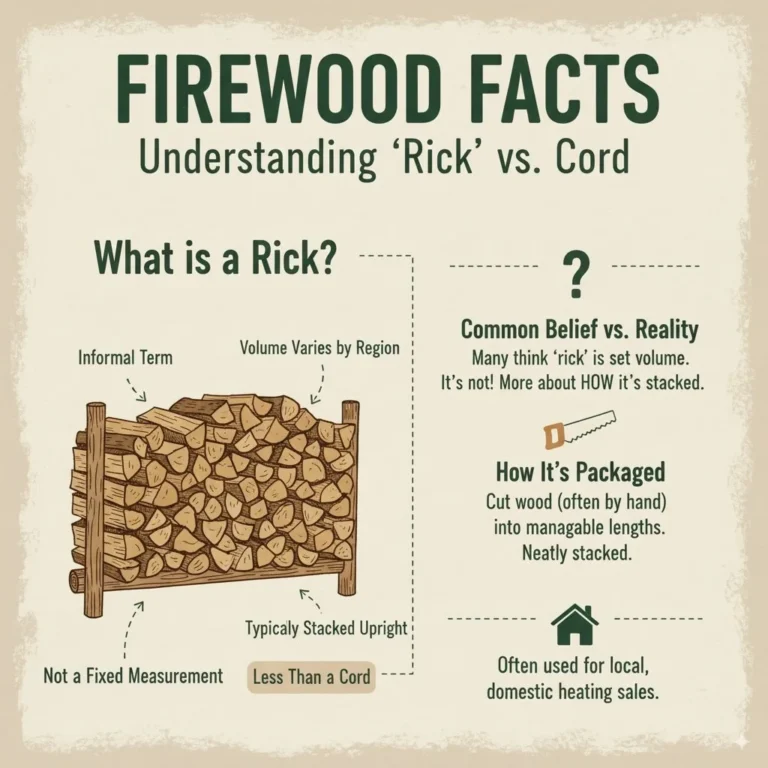
This varies greatly based on your home’s insulation, the size of your house, the efficiency of your stove, and how cold your winters are. A general estimate is 3 to 8 cords of wood per winter. A cord is a stack of wood that is 4 feet high, 4 feet wide, and 8 feet long.
For very cold climates or poorly insulated homes, you might need more. It’s always better to have a little extra on hand than to run out mid-season.
Can a wood heater heat my entire home?
Yes, a properly sized and installed hardy wood heater can effectively heat an entire home. This is especially true for well-insulated homes. Many larger models are designed to heat up to 2,000 square feet or more.
For very large or older, drafty homes, you might consider a combination of a central wood heating system and supplemental heating, or ensure your wood stove is rated for your square footage. Good air circulation throughout the house also helps distribute heat.
What is the difference between a wood stove and a wood furnace?
A wood stove is typically a standalone unit placed in a room, providing radiant and convective heat directly to that space. A wood furnace, on the other hand, is part of a central heating system. It heats air or water that is then distributed throughout the house via ducts or pipes, similar to a conventional furnace.
Wood furnaces are generally more complex and designed for whole-house heating.
How often do I need to clean my wood stove?
You should remove ash from the firebox and ash pan regularly, often every few days or once a week, depending on how much you use the stove. The stove’s glass door should be cleaned as needed. The most critical cleaning is the chimney sweep, which should be done at least once a year.
Some heavy users might need it done twice a year. This prevents dangerous creosote buildup.
Is burning wood bad for the environment?
Modern, EPA-certified wood heaters are significantly cleaner than older models. They burn wood more completely, reducing particulate emissions. Burning locally sourced, seasoned wood can be considered a carbon-neutral fuel source if forests are managed sustainably.
However, any combustion process does release emissions. The environmental impact is much lower with efficient stoves and proper burning practices. Compared to fossil fuels, wood burning can have a lower carbon footprint when done responsibly.
Conclusion: Warmth You Can Rely On
Choosing a hardy wood burning heater means investing in reliable warmth for the coldest months. It’s about comfort, security, and a cozy home atmosphere. These heaters are built to last, use fuel efficiently, and keep you warm when it matters most.
By understanding what makes a heater hardy and looking for key features, you can find a model that’s perfect for your needs. Proper installation, fuel choice, and regular maintenance are also vital. They ensure your heater performs safely and effectively for years to come.
Embrace the enduring warmth and dependability of a quality wood burning heater this winter.
Sponsored / affiliate links. As an Amazon Associate I earn from qualifying purchases. I may earn additional commission from eligible campaigns.