Hardwood Floor Cleaner DIY: Easy & Effective Solutions
The best homemade cleaner for wood floors is a mixture of water and white vinegar, with a ratio of one part vinegar to three parts water. Using this solution, you can effectively clean your wood floors without damaging the finish or leaving behind any residue.
While there are commercial wood-cleaning products available, using a homemade cleaner is a cost-effective and natural alternative. Cleaning hardwood floors can be a challenge, as many commercial cleaners contain harsh chemicals that can damage the finish or leave behind a residue.
However, with the right homemade cleaner, you can effectively clean your floors without any negative side effects. In this blog post, we will explore the best DIY hardwood floor cleaner and provide you with step-by-step instructions on how to make and use it. Whether you’re looking for a cost-effective alternative to commercial cleaners or want to use natural ingredients in your cleaning routine, this homemade cleaner is the perfect solution.
Introduction To DIY Hardwood Floor Cleaners
Discover the best DIY hardwood floor cleaners for a natural and effective way to keep your floors clean and shiny. Using simple ingredients like vinegar, water, and baking soda, you can create a homemade solution that is safe for your hardwood floors and the environment.
Say goodbye to harsh chemicals and hello to a healthier home with these easy DIY hardwood floor cleaners.
Benefits Of Homemade Solutions
Using homemade solutions for cleaning hardwood floors offers several benefits. Firstly, it is a cost-effective option compared to store-bought cleaners. You can easily find the ingredients in your kitchen pantry, such as vinegar and water, which are highly effective in cleaning wood floors. Secondly, homemade solutions are environmentally friendly as they do not contain harsh chemicals that can harm the environment or your health. Additionally, homemade solutions allow you to have control over the ingredients used, ensuring that no harmful substances are being applied to your floors. This is particularly beneficial for households with children or pets who may come into contact with the floors. By opting for homemade solutions, you can maintain a clean and healthy living space while saving money and protecting the environment.
Common Misconceptions
There are a few common misconceptions surrounding the use of homemade hardwood floor cleaners. One of the main misconceptions is that homemade solutions are not as effective as commercial cleaners. However, this is not true. Homemade solutions, when used correctly, can effectively clean and maintain the shine of your hardwood floors. Another misconception is that homemade solutions can damage the wood. This is only true if the solutions are not properly diluted or if abrasive materials are used. It is important to follow the recommended ratios and guidelines to ensure that your homemade cleaner is safe for your floors. By debunking these misconceptions, you can confidently choose homemade solutions for your hardwood floor cleaning needs.
In conclusion, homemade hardwood floor cleaners offer several benefits, including cost-effectiveness, environmental friendliness, and control over ingredients. It is important to understand the common misconceptions surrounding homemade solutions to make informed decisions. By using homemade cleaners correctly, you can maintain the beauty and longevity of your hardwood floors while promoting a healthy living environment.
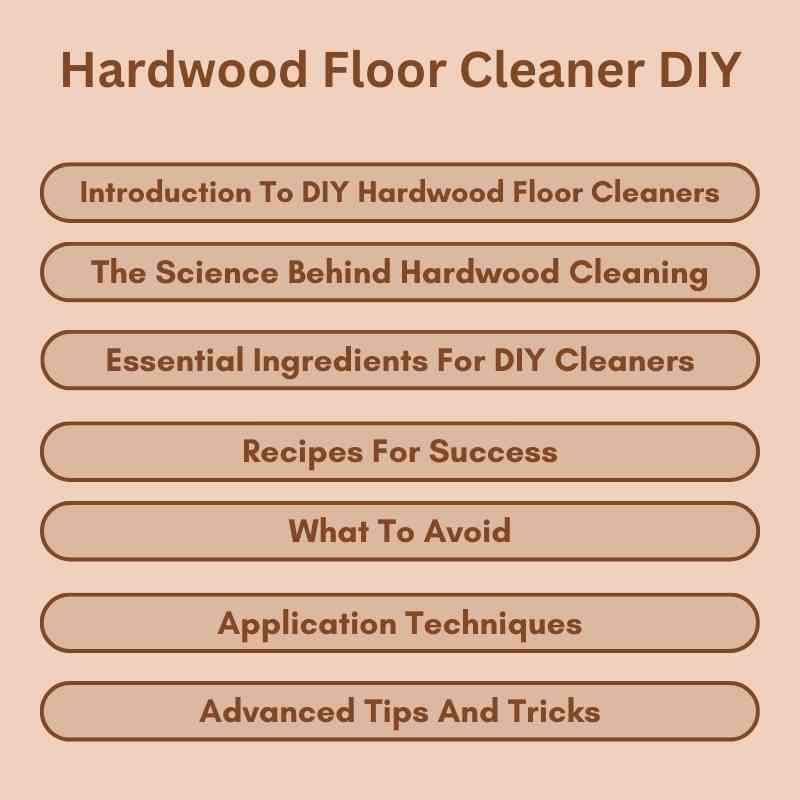
The Science Behind Hardwood Cleaning
When it comes to maintaining the beauty and longevity of your hardwood floors, it’s essential to understand the science behind hardwood cleaning. By delving into the intricacies of wood surfaces and the impact of chemical composition, you can ensure that your DIY hardwood floor cleaner is not only effective but also safe for your floors and the environment.
Understanding Wood Surfaces
Wood surfaces are porous, meaning they contain tiny openings that can trap dirt, moisture, and other particles. These surfaces are also sensitive to pH levels and can be easily damaged by harsh chemicals. Understanding the delicate nature of wood surfaces is crucial when formulating a DIY hardwood floor cleaner to ensure that it effectively removes dirt and grime without causing any harm to the wood.
Why Chemical Composition Matters
The chemical composition of a hardwood floor cleaner plays a significant role in its cleaning efficacy and safety. Certain chemicals can react with the natural compounds present in wood, leading to discoloration, warping, or deterioration of the finish. By choosing the right ingredients and understanding their interactions with wood, you can create a DIY cleaner that not only cleans the floors but also preserves their natural beauty and integrity.
Essential Ingredients For DIY Cleaners
When it comes to cleaning hardwood floors, using a DIY cleaner can be a cost-effective and eco-friendly option. By making your own hardwood floor cleaner, you have control over the ingredients and can avoid harsh chemicals that may damage the wood. In this section, we will explore the essential ingredients for DIY cleaners, including vinegar, water, and essential oils.
Vinegar: A Natural Disinfectant
Vinegar is a versatile ingredient that can be used in various DIY cleaning solutions. Not only is it effective in removing dirt and grime, but it also acts as a natural disinfectant. When using vinegar as a hardwood floor cleaner, it is important to dilute it with water to prevent any potential damage to the wood.
To create a vinegar-based cleaner for your hardwood floors, simply mix one part vinegar with three parts water. Pour the mixture into a spray bottle for easy application. Remember to test the solution on a small, inconspicuous area of your floor before applying it to the entire surface.
The Role Of Water
Water is a crucial ingredient in DIY hardwood floor cleaners. It helps to dilute other cleaning agents, making them safe for use on wood surfaces. Additionally, water helps to remove dirt and debris from the floor, leaving it clean and refreshed.
When mixing your DIY cleaner, ensure that you use clean, filtered water. This will prevent any impurities or minerals in the water from leaving residue on your hardwood floors. It is also important to avoid using excessive amounts of water, as excessive moisture can cause damage to the wood.
When To Use Essential Oils
Essential oils not only add a pleasant fragrance to your DIY hardwood floor cleaner but also offer additional cleaning benefits. Certain essential oils, such as tea tree oil and lavender oil, have antimicrobial properties that can help to disinfect the floors.
When using essential oils in your DIY cleaner, it is essential to use them sparingly. A few drops of essential oil mixed with the vinegar and water solution are typically sufficient. Be sure to choose high-quality essential oils and avoid using synthetic fragrances, as they may contain chemicals that could damage the wood.
In conclusion, creating your own DIY hardwood floor cleaner can be a simple and effective way to keep your floors clean and free from harsh chemicals. By using vinegar, water, and essential oils, you can create a natural and eco-friendly cleaning solution that is safe for your hardwood floors.
Recipes For Success
Keeping your hardwood floors clean and shiny doesn’t have to involve expensive commercial products. With a few simple ingredients, you can create your own effective hardwood floor cleaner. Here are some DIY recipes that are not only cost-effective but also eco-friendly.
Vinegar And Water Solution
A vinegar and water solution is a popular choice for cleaning hardwood floors. It is a simple yet effective cleaner that helps to remove dirt and grime without leaving behind any residue. Here’s how to make it:
- Mix one part vinegar with three parts water.
- Use this solution to mop your hardwood floors, ensuring that the mop is only damp and not overly wet.
- Allow the floor to air dry, and enjoy the natural shine of your clean hardwood floors.
Olive Oil For Shine
Olive oil can be used to add a natural shine to your hardwood floors. It not only gives the floors a lustrous finish but also helps to condition the wood. Here’s how to use olive oil for shine:
- Mix three parts olive oil with one part white vinegar.
- Apply a small amount of this mixture to a microfiber cloth and gently rub it onto the floor in a circular motion.
- Buff the floor with a clean cloth to remove any excess oil and reveal a beautiful shine.
Baking Soda For Tough Stains
Baking soda is a powerful natural cleaner that can help to tackle tough stains on hardwood floors. It works as a gentle abrasive to lift stubborn grime without damaging the wood. Here’s how to use baking soda for tough stains:
- Sprinkle a small amount of baking soda directly onto the stained area.
- Add a few drops of water to form a paste, and gently scrub the stained area with a soft brush.
- Rinse the area with a damp cloth and dry it thoroughly.
What To Avoid
Discover the best DIY hardwood floor cleaner recipes to keep your floors looking fresh and clean. Avoid using vinegar and Dawn, as they can leave residue and dull the shine over time. Instead, try a mixture of warm water, a few drops of Dawn, and white vinegar for an effective and safe homemade cleaner.
Harmful Chemicals
When it comes to making your own hardwood floor cleaner, it’s important to avoid using harmful chemicals. Many commercial cleaning products contain harsh chemicals that can damage your hardwood floors over time. Some common chemicals to avoid when making your own cleaner include ammonia, bleach, and hydrogen peroxide. These chemicals can strip the finish off your floors, leaving them vulnerable to scratches and other damage.
Instead, opt for natural ingredients that are gentle on your hardwood floors. White vinegar, for example, is a popular choice for making a DIY hardwood floor cleaner. When mixed with water, it can effectively remove dirt and grime without damaging the finish on your floors.
Too Much Water
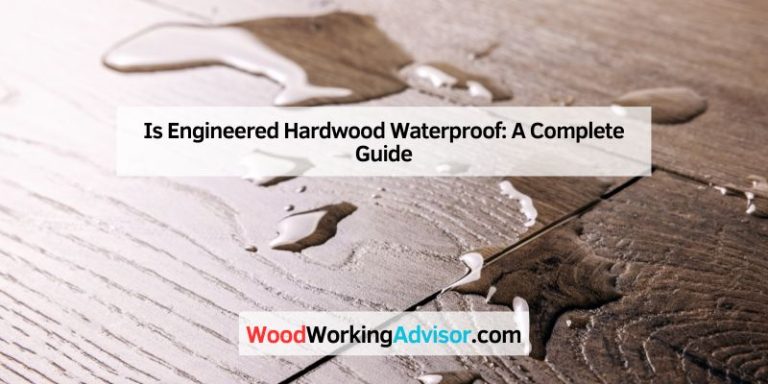
Another thing to avoid when making a DIY hardwood floor cleaner is using too much water. Hardwood floors are sensitive to moisture, and excessive water can cause them to warp or buckle. This is especially true for unfinished hardwood floors, which are more vulnerable to water damage.
To avoid damaging your hardwood floors, be sure to use a damp mop rather than a wet one. You can also opt for a spray bottle to apply the cleaner directly to the floor, rather than soaking the mop in the solution.
Scratch-inducing Tools
Finally, it’s important to avoid using scratch-inducing tools when cleaning your hardwood floors. This includes abrasive materials like steel wool or scouring pads, as well as tools with sharp edges like metal scrapers.
Instead, opt for soft, non-abrasive materials like microfiber cloths or a soft-bristled broom. These tools will effectively remove dirt and debris without scratching the surface of your hardwood floors.
By avoiding harmful chemicals, excessive water, and scratch-inducing tools, you can make a DIY hardwood floor cleaner that will effectively clean your floors without causing damage. With a little bit of effort, you can keep your hardwood floors looking beautiful for years to come.
Application Techniques
Create your own hardwood floor cleaner DIY by mixing one part vinegar with three parts water for a natural and effective solution. You can also add a few drops of Dawn dish soap to a warm water spray bottle for a homemade hardwood floor degreaser.
For a deeper clean, consider using a commercial wood-cleaning product like Bona or Murphy Oil Soap, following the manufacturer’s instructions carefully.
Mopping Right
When it comes to mopping your hardwood floors, it is important to do it right. First, sweep or vacuum the floor to remove any loose dirt and debris. Then, mix one part white vinegar with three parts warm water in a bucket. Dip your mop in the solution, wring it out well, and mop the floor in the direction of the wood grain. Rinse your mop frequently and change the solution if it becomes dirty. Finally, dry the floor with a clean towel or let it air dry.
Spot Cleaning
Even with regular mopping, your hardwood floors may still get the occasional spill or stain. For spot cleaning, use a soft cloth or sponge dipped in a solution of warm water and dish soap. Gently rub the affected area until the stain is removed, then rinse with clean water and dry with a towel. Avoid using harsh chemicals or abrasive scrubbers, as these can damage the wood.
Maintaining The Shine
To keep your hardwood floors looking shiny and new, it is important to maintain them properly. Avoid using too much water when mopping, as this can cause the wood to warp or crack. Instead, use a slightly damp mop and dry the floor thoroughly afterwards. You can also use a hardwood floor cleaner specifically designed to maintain the shine of your floors. Be sure to follow the manufacturer’s instructions and test the cleaner on a small, inconspicuous area first.
Advanced Tips And Tricks
When it comes to maintaining the beauty of your hardwood floors, advanced tips and tricks can make a significant difference. These advanced techniques can help you deal with pesky stains, create your own DIY degreaser for hardwood floors, and even craft a no-rinse cleaner to keep your floors looking pristine.
Dealing With Pesky Stains
When dealing with pesky stains on hardwood floors, it’s essential to act quickly to prevent them from setting in. One effective method is to create a solution of vinegar and baking soda, which can work wonders in removing stubborn stains without damaging the floor’s finish. Additionally, using a mixture of warm water, a few drops of Dawn, and white vinegar in a spray bottle can be an effective homemade hardwood floor degreaser.
DIY Degreaser For Hardwood Floors
Creating your own DIY degreaser for hardwood floors is a cost-effective and eco-friendly way to maintain the cleanliness of your flooring. By filling a spray bottle with warm water and adding a few drops of Dawn and white vinegar, you can shake up a powerful degreaser that will leave your floors sparkling clean.
Creating A No-rinse Cleaner
For a convenient and time-saving solution, consider crafting a no-rinse cleaner for your hardwood floors. A simple mixture of white vinegar and water in a 1:3 ratio can serve as an effective cleaner that does not require rinsing. This DIY cleaner not only saves time but also leaves your floors free from residue and streaks.
Beyond Cleaning: Maintaining Your Floors
Keeping your hardwood floors clean is important, but proper maintenance goes beyond just cleaning. By implementing a regular maintenance schedule, using mats and rugs strategically, and knowing when to call in professionals, you can ensure the longevity and beauty of your hardwood floors. Let’s explore these maintenance practices in detail.
Regular Maintenance Schedule
Establishing a regular maintenance schedule is crucial for preserving the quality of your hardwood floors. Here’s a simple routine to follow:
- Daily: Dust and sweep your floors using a soft-bristle broom or a microfiber mop. This helps remove dirt, dust, and debris that can cause scratches.
- Weekly: Use a hardwood floor cleaner DIY solution to mop the floors gently. Avoid using excessive water or harsh chemicals, as they can damage the wood. Instead, mix one part vinegar with three parts water for an effective homemade cleaner.
- Monthly: Inspect your floors for any signs of damage, such as scratches or dents. If necessary, consider using a wood floor polish or wax to restore their shine and protect the surface.
The Importance Of Mats And Rugs
Placing mats and rugs strategically throughout your home can significantly contribute to the maintenance of your hardwood floors. Here’s why:
- Prevents dirt and debris: Placing doormats at entryways and high-traffic areas prevents dirt, grit, and moisture from being tracked onto your floors. This reduces the risk of scratches and water damage.
- Provides cushioning: Using rugs in areas with heavy furniture or high foot traffic helps minimize the impact on your hardwood floors. This prevents dents and scratches caused by the weight or movement of objects.
- Reduces UV exposure: Sunlight can cause your floors to fade or discolor over time. By placing rugs or using window treatments, you can shield your hardwood floors from excessive UV exposure and maintain their natural beauty.
When To Call Professionals
While regular maintenance can keep your hardwood floors in excellent condition, there are instances when it’s best to seek professional help. Consider reaching out to professionals in the following situations:
- Deep scratches or gouges: If your floors have deep scratches or gouges that cannot be repaired with DIY methods, professional refinishing services may be necessary to restore their appearance.
- Water damage: If your hardwood floors have suffered water damage due to leaks, floods, or excessive moisture, it’s crucial to call professionals who specialize in water damage restoration. They have the expertise and equipment to mitigate the damage and prevent further issues like mold growth.
- Worn-out finish: Over time, the protective finish on your hardwood floors may wear off, leaving them vulnerable to damage. Professional refinishing can help restore the protective layer and enhance the overall look of your floors.
By following a regular maintenance schedule, strategically using mats and rugs, and knowing when to seek professional assistance, you can extend the life of your hardwood floors and keep them looking their best for years to come.
Frequently Asked Questions
What Is The Best Homemade Cleaner For Wood Floors?
The best homemade cleaner for wood floors is a mixture of water and white vinegar. Dilute one part vinegar with three parts water and use it to clean your wood floors. Avoid using vinegar and Dawn or vinegar and baking soda as they can damage the floor’s finish.
Stick to the vinegar and water solution for safe and effective cleaning.
What Is The Best Thing To Use To Clean Hardwood Floors?
The best thing to use to clean hardwood floors is a liquid cleaner. You can use a commercial wood-cleaning product like Bona or Murphy Oil Soap, or make your own homemade cleaner using water and vinegar. Mix one part vinegar with three parts water to clean your wood floors effectively.
Avoid using vinegar and dawn on hardwood floors as it can leave a residue that dulls the shine over time.
Can You Use Vinegar And Dawn On Hardwood Floors?
While vinegar and Dawn can be effective for many surfaces, it is not recommended for hardwood floors. The soap can leave a residue on the floor’s surface, which can dull the shine over time. Instead, use a commercial wood-cleaning product or a homemade solution of water and vinegar.
Mix one part vinegar with three parts water and use it to clean your wood floors.
Does Vinegar And Baking Soda Clean Hardwood Floors?
Yes, vinegar and baking soda can clean hardwood floors. However, it is important to dilute them properly to avoid damaging the floor’s finish. Mix one part vinegar with three parts water and add baking soda to create a natural stain remover.
Be cautious not to use too much vinegar or baking soda, as they can be corrosive.
Conclusion
To keep your hardwood floors clean and shiny, it’s important to use a DIY hardwood floor cleaner that is both effective and safe. Avoid using harsh chemicals that can damage the wood or leave residue behind. Instead, opt for a simple mixture of vinegar and water, which is considered one of the best homemade cleaners for wood floors.
Just mix one part vinegar with three parts water and use it to clean your floors. This natural solution will leave your hardwood floors looking beautiful without any harmful effects. Say goodbye to dirt and grime and hello to a cleaner, healthier home!