Is Engineered Hardwood Waterproof? Only With a Waterproof Core
Engineered hardwood is water-resistant, not waterproof – its real-wood top layer still absorbs standing water at the seams between boards. Leave a puddle overnight and the plywood or HDF core beneath can swell, cup, or delaminate, even with a good finish. This guide covers how that water resistance actually works, the waterproof-core versions now on the market, and how to spot moisture damage early. For the full range of options, see our wood flooring guide.
Engineered Hardwood Is Water-Resistant, Not Waterproof
Engineered hardwood is built from a thin layer of real hardwood veneer glued on top of several layers of plywood or high-density fiberboard (HDF), cross-stacked so the whole plank resists warping better than a single solid board. That construction makes it more dimensionally stable than solid hardwood, but it does not make it waterproof – the top layer is still genuine wood, and wood is porous.
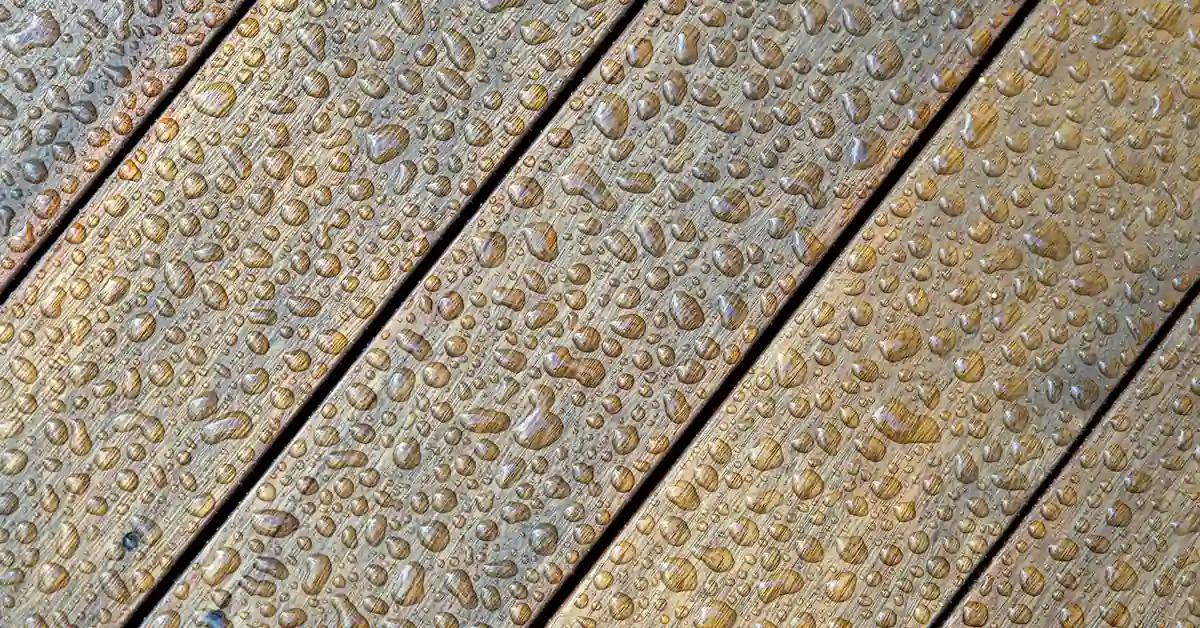
Water-resistant means the floor can shrug off a spilled glass of water or everyday humidity if you wipe it up within a reasonable time. Waterproof means the material can sit in standing water for hours without any damage. Engineered hardwood only meets the first definition. Once water gets past the finish and into the seams between boards, it reaches the core layer, and that’s where warping, swelling, and delamination start.
Best Moisture Meter Pick
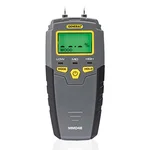 |
General Tools MMD4E Pinless Moisture Meter – $39.98 Before installing engineered hardwood in a kitchen, entry, or basement, check the subfloor and board moisture content against the 6-9% range this guide’s NWFA data covers – this pinless meter reads through the surface without leaving pin holes.
|
As an Amazon Associate we earn from qualifying purchases.
What Actually Happens When Water Reaches the Core
The finish on top of an engineered hardwood board is the first line of defense – polyurethane, aluminum oxide, or a UV-cured coating that beads up light moisture. That finish only covers the flat surface, though. The seams between boards, and any scratch or worn spot in the finish, are the weak points where water actually gets in.
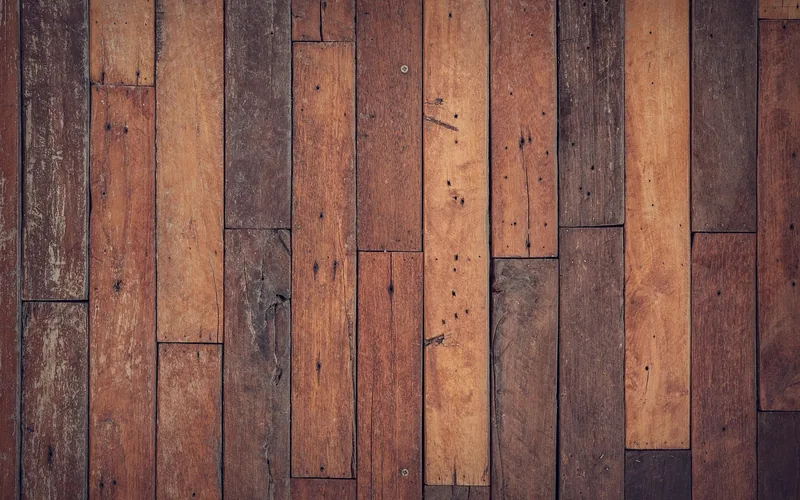
Once water reaches the plywood or HDF core, the damage compounds quickly. Plywood cores swell along the grain and can delaminate layer from layer. HDF cores, which are made of compressed wood fibers and glue, actually absorb water faster than plywood and can turn soft or crumbly if they stay wet – this is why cheaper HDF-core engineered hardwood is a worse choice than plywood-core for any room with real moisture risk.
Waterproof-Core Engineered Hardwood: A Real Option Now
Standard engineered hardwood tops out at water-resistant, but a newer category of waterproof-core engineered hardwood genuinely closes that gap. These products swap the plywood or HDF core for a rigid composite core – often SPC (stone plastic composite) or a similarly treated waterproof substrate – and still glue a real hardwood veneer on top. The result looks and feels like traditional engineered hardwood but can handle standing water at the core without swelling.
Bruce’s Hydropel line, Hartco’s HydroBlok, and Robbins’ HydroGuard are current examples of this construction, aimed specifically at kitchens, entryways, and powder rooms where standard engineered hardwood would be a risk. They cost more per square foot than standard engineered hardwood – budget for a premium, since a waterproof core is genuinely different manufacturing, not a marketing label on the same product.
One caveat worth knowing before you buy: a waterproof core stops water from reaching the substrate, but the real-wood top veneer is still wood. Standing water left on the surface for days can still dull the finish or, in rare cases, stain a light-colored wood species. Waterproof-core buys you protection from the failure mode that ruins standard engineered hardwood (core swelling); it doesn’t make the surface indestructible.
Engineered Hardwood vs. Other Water-Resistant Flooring
Here’s how engineered hardwood’s water performance compares to the other flooring types homeowners usually weigh against it:
| Flooring Type | Water Performance | Best For |
|---|---|---|
| Solid hardwood | Least water-resistant – warps and cups from spills, cannot be used below grade | Living rooms, bedrooms, dry climates |
| Standard engineered hardwood | Water-resistant surface, vulnerable core – handles spills wiped up promptly | Living rooms, dining rooms, low-humidity basements |
| Waterproof-core engineered hardwood | Waterproof core (SPC/composite), real wood surface still needs prompt cleanup | Kitchens, entryways, powder rooms |
| Luxury vinyl plank (LVP) | 100% waterproof top to bottom, including standing water | Full bathrooms, laundry rooms, basements |
| Laminate | Water-resistant at best (unless labeled waterproof laminate); the photo layer swells if the core gets wet | Budget remodels in low-moisture rooms |
Signs Your Engineered Hardwood Has Water Damage
Catching water damage early is the difference between refinishing one board and replacing a whole section of floor. Watch for these signs, roughly in the order they tend to appear:
- Cupping: board edges rise higher than the center, giving each plank a slight U-shaped cross-section – usually the first visible sign of moisture in the core.
- Gapping or swelling: boards push tightly together (swelling) or pull apart (gapping) as the core absorbs or loses moisture unevenly.
- Discoloration or dark staining: water sitting under the finish darkens the wood, especially near seams, doorways, and appliance edges.
- Soft or spongy spots: press near a suspected wet area – a soft give underfoot means the core has already started breaking down.
- Musty odor: a persistent damp smell without a visible spill usually means water is trapped under the flooring or mold has started in the core.
- Peeling or bubbling finish: moisture trapped between the finish and the wood pushes the coating up from underneath.
How to Protect Engineered Hardwood From Moisture
Most water damage to engineered hardwood is preventable with a few consistent habits rather than a one-time treatment:
- Wipe spills within minutes, not hours. The longer water sits, the more time it has to travel along a seam and reach the core.
- Keep indoor humidity between 30% and 50%. This is the range the National Wood Flooring Association recommends for wood flooring generally, and it limits the expansion and contraction that opens seams in the first place.
- Use a dehumidifier in damp climates or basements. Wood flooring installed below grade is especially exposed to ambient moisture even without a spill.
- Reapply or check the finish every few years. A worn finish loses its water-shedding ability long before it looks obviously damaged – see our engineered hardwood care guide for a full maintenance schedule.
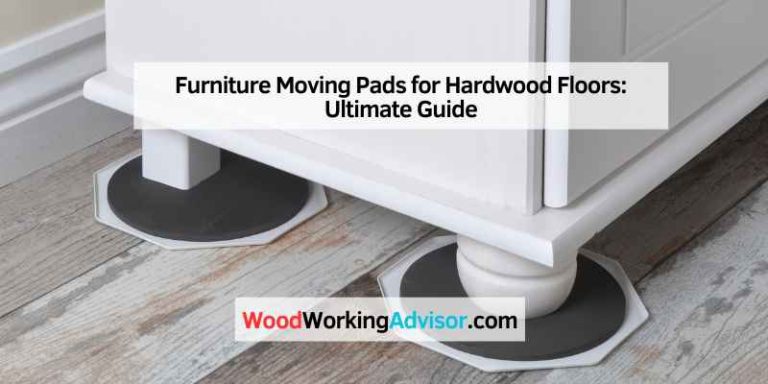
- Use furniture pads and entry mats. Scratches through the finish create new entry points for moisture; grit tracked in from outside makes scratches worse.
- Never wet-mop with a soaked mop. Damp, well-wrung is the rule – standing water from mopping is a common, avoidable cause of seam damage.
📊 A wood floor exposed to a relative humidity swing from 30% to 60% can move enough to visibly affect fit and finish, and wider boards move more than narrow strip flooring. Engineered flooring specifically loses stability below 35% relative humidity, becoming prone to shrinkage and cracking. Source: National Wood Flooring Association, Relative Humidity & Wood Summary
“For engineered flooring, check with the manufacturer for specifics, as they are all different” when it comes to acceptable moisture and humidity ranges – the safe range varies by core material and thickness, not just by species.
Where to Install It (and Where to Avoid It)
Standard engineered hardwood is a good fit for living rooms, dining rooms, bedrooms, and hallways, and it handles finished, climate-controlled basements better than solid hardwood does, provided a moisture barrier goes down first. It’s a poor fit for full bathrooms, laundry rooms, and anywhere standing water or high humidity is routine – a shower splash zone or a washing machine that eventually leaks will find the seams. If you want the wood look in one of those rooms, a waterproof-core engineered product or LVP is the safer call.
Kitchens are the judgment call: a kitchen with a sink area that rarely floods can work with standard engineered hardwood and a strict wipe-up habit, but a kitchen with kids, pets, or a dishwasher on its last legs is a better candidate for waterproof-core engineered hardwood or LVP near the sink and appliances specifically.
Frequently Asked Questions
Can you use engineered hardwood in a bathroom?
Not standard engineered hardwood – shower splashes, condensation, and the occasional overflow are exactly the standing-water conditions it can’t handle at the seams. A waterproof-core engineered product or LVP is the better choice for a full bathroom; standard engineered hardwood is fine in a powder room with no tub or shower.
Can engineered hardwood get wet and still be okay?
Yes, if the water is wiped up within minutes. A spilled drink or a damp mop pass won’t hurt it. The risk is water that sits for hours, especially pooling in a doorway or under an appliance, since that gives it time to travel through the seams to the core.
What is waterproof-core engineered hardwood made of?
It replaces the standard plywood or HDF core with a rigid waterproof composite, commonly SPC (stone plastic composite), then adheres a genuine hardwood veneer on top. Bruce Hydropel, Hartco HydroBlok, and Robbins HydroGuard are current product lines built this way.
Is vinyl plank more waterproof than engineered hardwood?
Yes. Standard luxury vinyl plank is 100% waterproof through its full thickness, including standing water, because it contains no real wood. Engineered hardwood – even the waterproof-core kind – still has a genuine wood veneer on the surface that needs reasonably prompt cleanup.
How do you know if engineered hardwood has water damage?
Look for cupped board edges, gaps or swelling between boards, dark staining near seams, a soft or spongy feel underfoot, a musty smell, or a finish that’s peeling or bubbling. Any of these means moisture has already reached the core and the affected boards likely need replacement, not just refinishing.
Bottom Line
Engineered hardwood is water-resistant, not waterproof, because its real-wood surface can still let moisture reach the plywood or HDF core through the seams. That’s fine for living rooms and bedrooms with prompt spill cleanup, but it’s the wrong choice for full bathrooms and laundry rooms. If you want the wood look in a wet room, look specifically for a waterproof-core engineered product like Bruce Hydropel or a good LVP instead of assuming standard engineered hardwood will hold up.
Sponsored / affiliate links. As an Amazon Associate I earn from qualifying purchases. I may earn additional commission from eligible campaigns.
 East West Furniture SP-5HH05 Sango Premier Engineered Hardwood Flooring - European Oak - 1/2 in x 7 in x Random Length Handscraped, 26.24 sqft/box, Shadow Grey
 East West Furniture SP-7HH02 Sango Premier Engineered Hardwood Flooring - European Oak - 1/2 in x 7 in x Random Length Handscraped, 26.24 sqft/box, Special Walnut