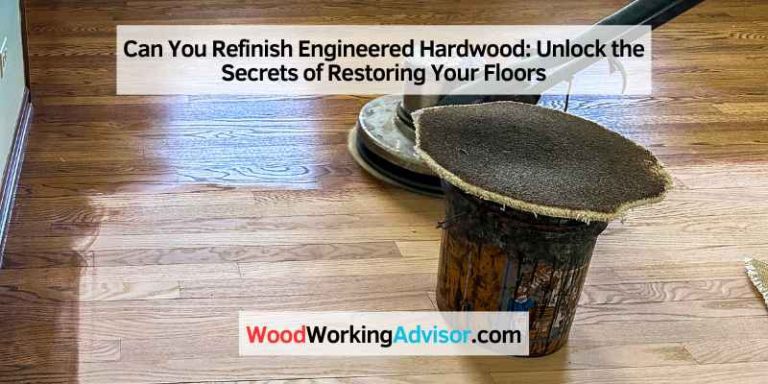
How to Get Glue Off Hardwood Floors Without Damaging the Finish
Acetone strips finish off a hardwood floor as fast as it dissolves glue, so it is the wrong first move. Ice, heat, and a plastic scraper remove most spilled or dried adhesive without touching the finish, and citrus solvents like Goo Gone are safe only for a few minutes before you wipe them clean. This guide covers the safest removal order, a side-by-side method comparison, and how to restore the floor’s shine afterward.
Insert your Affiliate Disclosure reusable block here
Quick Answer
Freeze the glue with an ice cube for about 5 minutes so it turns brittle, then lift it with a plastic putty knife, never a metal one. For dried or hardened adhesive, warm it with a hair dryer for 30 seconds first, then scrape. Save chemical strippers like Goo Gone for stubborn residue only, and always spot-test a hidden corner first, since acetone and paint strippers can strip a finished floor’s coating.
Tools and Materials You’ll Need
- Ice cubes or a sealed ice pack
- Hair dryer or heat gun (medium setting)
- Plastic putty knife or plastic scraper (never metal)
- Citrus-based adhesive remover, such as Goo Gone
- Soft cloth or microfiber towel
- Dish soap and warm water
- Chemical-resistant gloves and eye protection
- Wood floor polish, for after cleanup
This guide focuses on glue removal specifically. For everything else about caring for solid and engineered hardwood, see our full wood flooring guide.
Is It Safe to Use Acetone or Solvents on a Hardwood Floor?
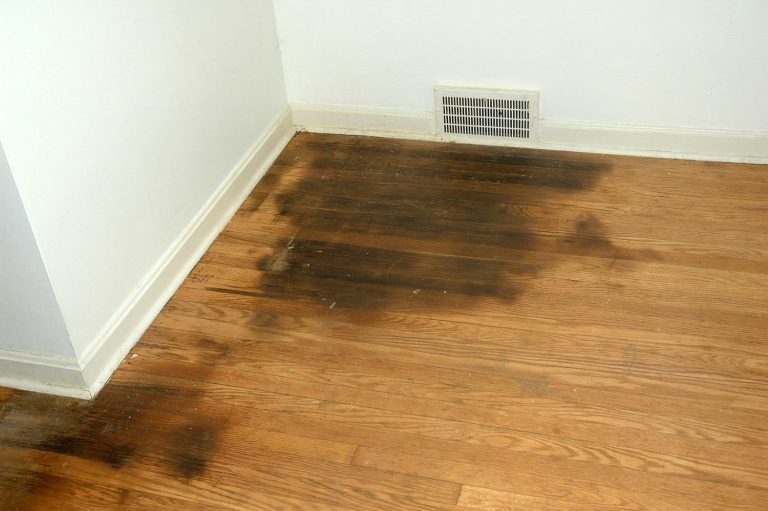
No, not as a first choice. Acetone, lacquer thinner, and most paint strippers dissolve a hardwood floor’s polyurethane or wax finish right along with the glue, which leaves a dull or cloudy patch that often needs refinishing to fix. Citrus-based adhesive removers such as Goo Gone are formulated to be surface-safe on finished wood, but even those should sit for only a few minutes and get wiped clean immediately rather than left to soak in.
If the floor is unfinished, unsealed, or already scheduled for refinishing, a stronger solvent is a much smaller risk. On a finished floor you want to keep, treat solvents as the last step after ice, heat, and scraping have already done most of the work.
📊 Goo Gone’s citrus-based gel formula is manufacturer-rated safe for finished wood, sealed stone, glass, metal, and painted surfaces — Source: Goo Gone product specifications, 2026
How to Remove Glue From a Hardwood Floor, Step by Step
Work through these steps in order, and stop as soon as the glue is gone, no need to move on to a harsher method than the job requires.
- Test a hidden spot first: Try your chosen method in a closet corner or under a rug for a minute before working on visible flooring.
- Freeze fresh or soft glue: Hold an ice cube in a plastic bag against the glue for about 5 minutes until it hardens and turns brittle.
- Heat dried or hardened glue instead: Set a hair dryer on high, hold it a few inches away, and move it back and forth for 20 to 30 seconds until the glue softens.
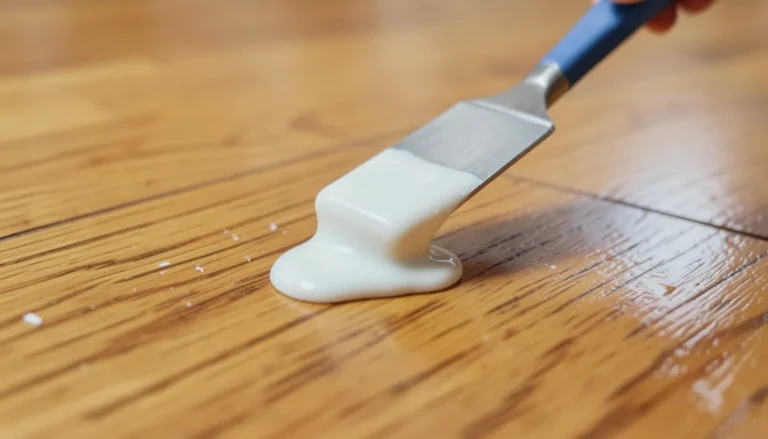
- Scrape gently with a plastic tool: Use a plastic putty knife, old credit card, or plastic scraper at a low angle. Work from the edges toward the center and use light, repeated passes instead of one hard push.
- Clean the residue: Wipe the area with a damp cloth and dish soap. For anything left behind, apply a citrus-based remover like Goo Gone for a few minutes, then wipe it off completely, don’t let it sit longer than the label says.
- Buff and check the finish: Dry the spot and look for dullness. A light coat of wood floor polish usually blends a treated spot back into the surrounding finish.
Best Adhesive Remover Pick
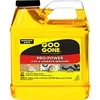
Goo Gone Pro-Power Professional Strength Adhesive Remover, 32 Fl. Oz.
A citrus-based, surface-safe formula for the stubborn residue that ice and scraping leave behind on finished wood.
- Best for: Dried, stubborn glue residue after scraping
- Why we picked it: Manufacturer-rated safe on finished wood, and the large jug covers a whole room’s worth of spots
- Main drawback: Still needs wiping off within a few minutes, don’t let it soak
Compare more glue-removal options
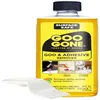 Option 1 Goo Gone Original Liquid Adhesive Remover, 8 Oz
|
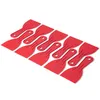 Option 2 Bates Plastic Putty Knife Set, 3 Inch, 10 Pack
|
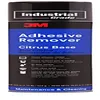 Option 3 3M Adhesive Remover, Citrus Base, 24 Fl Oz
|
As an Amazon Associate we earn from qualifying purchases.
Comparing Glue Removal Methods for Hardwood Floors
Every glue-removal method trades speed against risk to the finish. Here’s how the main options actually compare, based on the step order above.
| Method | Time Needed | Risk to Finish | Best For |
|---|---|---|---|
| Ice | 5 to 10 minutes | Low | Fresh spills or still-soft glue |
| Heat (hair dryer or heat gun) | 30 seconds to 2 minutes | Low, if kept moving | Dried or hardened glue |
| Plastic scraping | A few minutes per spot; hours for a whole room of old flooring glue | Low with a plastic blade | Any glue, as the final step |
| Citrus solvent (Goo Gone) | 3 to 5 minutes contact time | Medium, must be wiped off promptly | Stubborn residue after scraping |
| Acetone or paint stripper | Under 5 minutes | High, can strip the finish | Last resort, or unfinished floors only |
Removing Carpet Glue From Hardwood Floors
Carpet adhesive behaves differently than a dried glue spot: it’s usually spread across a much wider area and, if the carpet has been down for years, can bond harder than typical wood glue. The ice, heat, and scraping order above still applies, but expect to work in smaller sections and change scraper blades once they start gumming up. For a full room of carpet glue, see our dedicated guides on removing carpet glue from hardwood floors and what to do after pulling up old carpet.
Mistakes That Damage the Floor During Glue Removal
- Using a metal scraper or razor blade at a steep angle. Metal edges gouge and scratch finished wood far more easily than plastic. Keep any blade nearly flat against the floor.
- Letting solvent soak instead of wiping it off. Even surface-safe removers can dull a finish if left on for longer than the label recommends.
- Skipping the spot test. A hidden corner test takes one minute and prevents a visible mistake on the main floor.
- Holding a heat gun in one spot. Continuous heat on one area can scorch or discolor the finish; keep the tool moving.
- Sanding just the glued spot. A single sanded patch dries and finishes differently than the surrounding boards, leaving a visible sheen mismatch. If sanding is needed, do the whole board or call a flooring pro.

Restoring the Floor’s Finish After Glue Removal
After using any chemical treatment, rinse the area with clean water on a damp cloth to remove leftover residue, then wipe it with a mix of water and a little white vinegar to neutralize the surface. Let it air dry completely.
Glue removal often leaves a treated spot looking duller than the rest of the floor. A wood-safe polish made for hardwood floors applied with a clean cloth or mop usually blends the spot back in and adds a protective layer on top.
Preventing Future Glue Residue on Hardwood Floors
- Use the adhesive the flooring or project manufacturer actually recommends, not whatever is on hand.
- Cover finished floors with rosin paper or a drop cloth before any gluing or flooring project nearby.
- Use furniture pads and rugs instead of double-sided adhesive tape to hold rugs in place.
- Wipe up spills immediately, before the glue has a chance to set into the grain.
- Keep up with regular floor cleaning so buildup and old adhesive residue are easier to spot early.
“In my shop, ice and a plastic putty knife handle almost every glue spot I run into, old vinyl-tile adhesive included. Acetone only comes out for a dried patch that won’t budge after both of those, and even then I wipe it off within two minutes and check for dulling before moving to the next section.”
Frequently Asked Questions
What dissolves old floor glue?
Heat from a hair dryer softens most old floor glue enough to scrape off with a plastic tool. For residue left behind, a citrus-based remover like Goo Gone dissolves it without the finish-stripping risk that acetone carries.
Is Goo Gone safe on hardwood floors?
Yes, Goo Gone’s citrus-based formula is manufacturer-rated safe for finished wood. Apply it for a few minutes only, then wipe it off completely, it is not meant to soak on the surface.
Does vinegar damage hardwood floors?
Undiluted, full-strength vinegar can dull a hardwood floor’s finish over repeated use because its acidity slowly breaks down the coating. For glue removal, a small, brief application on a single spot is generally fine, but avoid mopping an entire floor with vinegar regularly.
Can I use acetone on a hardwood floor?
Only as a last resort. Acetone dissolves polyurethane and wax finishes along with the glue, which can leave a dull or cloudy patch that needs refinishing. Try ice, heat, plastic scraping, and a citrus remover first, and always spot-test before using acetone anywhere on a finished floor.
How do you remove carpet glue from hardwood floors?
The same ice, heat, and plastic-scraper order works, but carpet glue usually covers a wider area and can be tougher, so plan on working in smaller sections and swapping scraper blades as they gum up. See our full carpet glue removal guide for room-sized jobs.
Will removing glue leave a dull spot on my floor?
It can, especially after a citrus solvent or heat. A light coat of wood floor polish over the treated spot usually blends it back into the surrounding sheen without needing to refinish the whole board.
Conclusion
Removing glue from a hardwood floor comes down to working in the right order: ice or heat first, a plastic scraper next, and a citrus-based remover only for whatever residue is left. Acetone and other harsh solvents can strip the finish, so save them for a true last resort on a finished floor. Follow the spot test, keep tools plastic, and a light polish will bring the treated area right back to matching the rest of the room.