How Big of a Tree Can a 20-Inch Chainsaw Cut? Expert Tips!
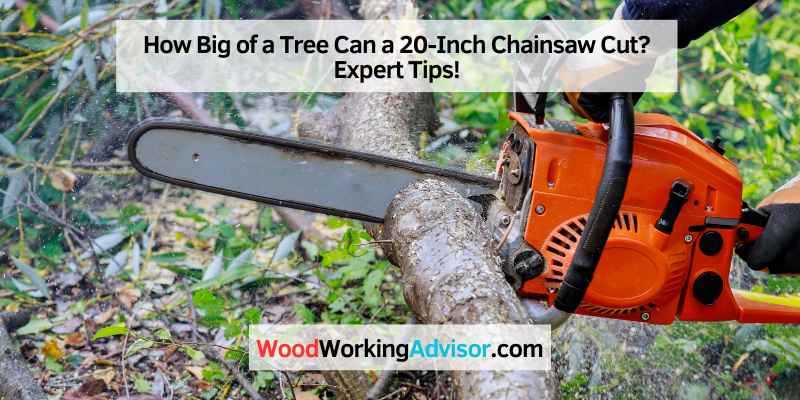
A 20-inch chainsaw can cut a tree with a diameter of up to 40 inches. However, the actual size of the tree that can be cut depends on various factors such as the length of the bar and chain, the power of the chainsaw, and the experience of the operator.
It’s important to note that cutting a tree that is too large for your chainsaw can be dangerous and result in kickback or other accidents. As such, it’s recommended that you always choose a chainsaw with the appropriate size and power for the job at hand.
We will delve deeper into the factors that determine the size of the tree a chainsaw can cut and provide some tips for safely operating a chainsaw.
Introduction To Chainsaw Capabilities
A 20-inch chainsaw is capable of cutting through trees with a diameter close to its guide bar length. This powerful tool can efficiently handle trees of up to 20 inches in diameter, making it suitable for a range of cutting tasks.
The Role Of Bar Length
The bar length of a chainsaw determines the maximum diameter of the tree that can be cut. The bar length is the distance between the chainsaw body and the tip of the chainsaw blade. A 20-inch chainsaw bar length is ideal for cutting trees with a diameter of up to 17 inches. However, it is important to note that the cutting capacity of a chainsaw is influenced by several factors.
Factors Affecting Cutting Capacity
Apart from bar length, there are several other factors that affect the cutting capacity of a chainsaw. These factors include the engine power, chain speed, chain sharpness, and the type of wood being cut. A chainsaw with a powerful engine and sharp chain will cut through trees with greater ease. Chain speed is also a crucial factor as it determines how quickly the chainsaw cuts through the tree.
Understanding Chainsaw Capabilities
The cutting capacity of a chainsaw is a crucial consideration when selecting the right tool for the job. A 20-inch chainsaw is ideal for homeowners and professionals looking to cut medium-sized trees. However, it is important to understand that the cutting capacity of a chainsaw is influenced by several factors, including the bar length, engine power, chain speed, chain sharpness, and the type of wood being cut. By understanding the capabilities of your chainsaw, you can ensure that you are selecting the right tool for the job and achieving the best results.
Understanding The 20-inch Chainsaw
A 20-inch chainsaw is a powerful tool capable of cutting large trees efficiently.
Key Features
- Engine Power: Typically ranges from 50cc to 70cc for cutting larger trees.
- Bar Length: The 20-inch guide bar allows for cutting through thicker trunks.
- Chain Speed: High chain speed for quick and precise cuts on large logs.
- Weight: Usually heavier due to the size and power, requires proper handling.
- Handle Design: Ergonomic handles for better control and reduced fatigue.
Ideal Use Cases
- Professional Logging: Ideal for professional loggers cutting down large trees.
- Land Clearing: Efficiently clears land with thick vegetation and trees.
- Firewood Preparation: Easily cuts and processes large logs for firewood.
- Storm Damage Cleanup: Helps in clearing fallen trees after storms.
Maximum Tree Diameter For A 20-inch Chainsaw
When it comes to using a 20-inch chainsaw, it’s crucial to know the maximum tree diameter it can cut. Understanding the cutting capacity of your chainsaw is essential for efficient and safe tree felling and cutting. In this blog post, we’ll delve into the maximum tree diameter for a 20-inch chainsaw, providing practical insights and calculations to help you make informed decisions when handling larger trees.
Calculating Cutting Capacity
Calculating the cutting capacity of a 20-inch chainsaw involves understanding the guide bar length, which determines the maximum diameter of the tree that can be cut. The guide bar length of a chainsaw refers to the actual cutting length of the chainsaw bar and is a key factor in determining the size of the tree that can be effectively and safely cut. For a 20-inch chainsaw, the guide bar length is typically around 20 inches, which means it can efficiently cut trees with a diameter close to 20 inches.
Realistic Expectations
It’s important to have realistic expectations when using a 20-inch chainsaw. While the guide bar length provides a general indication of the maximum tree diameter that can be cut, it’s essential to consider the tree’s condition, type of wood, and potential obstacles such as branches and knots. Additionally, the operator’s skill level and experience play a crucial role in determining the practical cutting capacity of a 20-inch chainsaw. Understanding these factors can help users make informed decisions and ensure safe and efficient tree cutting operations.
Techniques For Cutting Large Trees
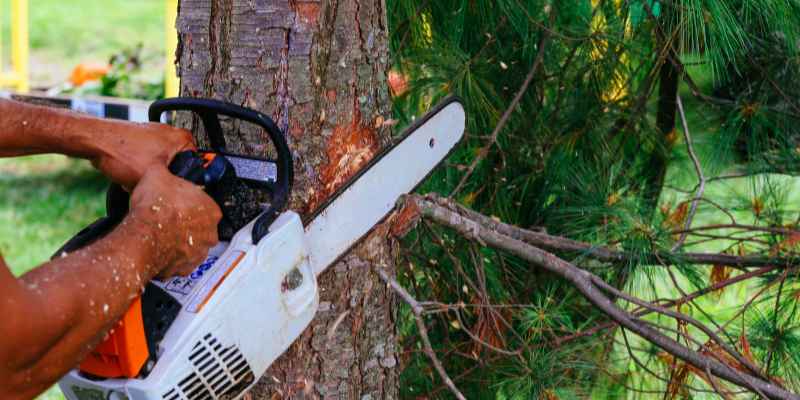
When it comes to cutting large trees, having the right techniques can make all the difference. With a 20-inch chainsaw, you have the power to tackle some pretty sizable trees. In this guide, we will walk you through the step-by-step process of cutting large trees safely and effectively.
Step-by-step Guide
Follow these steps to ensure a successful tree-cutting operation:
- Assess the tree: Before you start cutting, evaluate the tree’s size, shape, and surroundings. Look out for any obstacles or potential hazards that may affect the cutting process.
- Create a safety zone: Establish a safe area around the tree where only authorized personnel are allowed. This will help prevent accidents and keep bystanders safe.
- Plan your cuts: Determine the direction in which the tree should fall. Clear the area of any obstacles that may interfere with the tree’s descent.
- Make a horizontal cut: Begin by making a horizontal cut, also known as a notch, on the side of the tree facing the desired falling direction. This cut should be at a 70-degree angle and extend one-third into the tree’s diameter.
- Make a vertical cut: Next, make a vertical cut directly below the horizontal cut, forming a notch. This cut should be slightly higher than the horizontal cut and meet at the bottom.
- Complete the felling cut: Finally, make a felling cut on the opposite side of the tree, a few inches above the horizontal cut. This cut should be horizontal and meet the notch, causing the tree to fall in the desired direction.
- Remove branches and clean up: Once the tree has fallen, remove any remaining branches and clean up the area. Use a chainsaw or an axe to cut the tree into manageable sections for easy removal.
Safety Precautions
When working with a 20-inch chainsaw and cutting large trees, it is essential to prioritize safety. Here are some precautions to keep in mind:
- Wear protective gear: Always wear safety goggles, ear protection, a hard hat, gloves, and chainsaw chaps to protect yourself from potential hazards.
- Inspect the chainsaw: Before starting, check the chainsaw for any damage or loose parts. Ensure that the chain is properly tensioned and the blade is sharp.
- Maintain a safe distance: Keep a safe distance from the falling tree and the area of operation. Stay alert and be aware of your surroundings at all times.
- Work with a partner: It is recommended to have someone nearby when cutting large trees. They can assist in case of an emergency or provide support during the cutting process.
- Follow the manufacturer’s instructions: Familiarize yourself with the chainsaw’s user manual and follow the manufacturer’s guidelines for safe operation and maintenance.
- Avoid hazardous conditions: Do not attempt to cut trees in adverse weather conditions such as high winds, heavy rain, or snow. These conditions can increase the risk of accidents.
By following these techniques and safety precautions, you can confidently use a 20-inch chainsaw to cut large trees. Remember to prioritize safety and take the necessary precautions to ensure a successful and accident-free cutting operation.
Comparing Chainsaws: Does Size Matter?
20-inch Vs. Larger Chainsaws
When it comes to cutting down large trees, the size of the chainsaw matters. A 20-inch chainsaw is capable of cutting through substantial trees, but larger chainsaws offer their own set of advantages and disadvantages. Let’s take a closer look at how these two types of chainsaws compare.
Pros And Cons
Before deciding on the right chainsaw for your needs, it’s important to consider the pros and cons of a 20-inch chainsaw versus a larger one. Here’s a breakdown of the key advantages and disadvantages of each:
Maintaining Your Chainsaw For Optimal Performance
Proper maintenance is essential for ensuring that your chainsaw performs optimally and lasts for a long time. By following routine maintenance tips and troubleshooting common issues, you can keep your chainsaw in top shape, allowing it to cut through even the biggest trees with ease.
Routine Maintenance Tips
To keep your chainsaw in optimal condition, it is important to follow these routine maintenance tips:
- Regularly clean the chainsaw: After each use, make sure to clean the chainsaw thoroughly. Remove any debris, sawdust, or oil that may have accumulated. This will prevent clogging and improve the overall performance.
- Check and replace the chain: Inspect the chain regularly for any signs of wear and tear. Replace it if you notice any damaged or broken links. A sharp and properly tensioned chain is crucial for efficient cutting.
- Keep the bar lubricated: Proper lubrication of the bar and chain is vital to reduce friction and prevent overheating. Check the oil level before each use and refill if necessary.
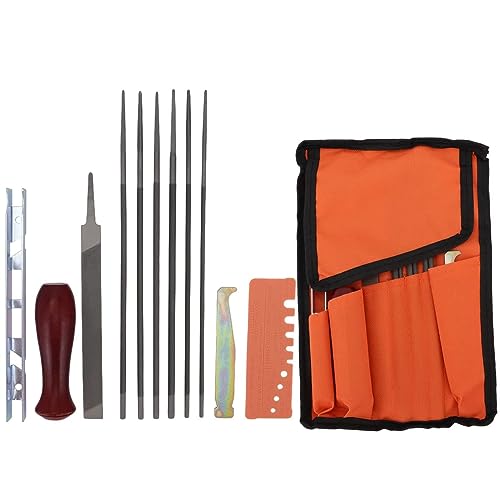
- Sharpen the chain regularly: A dull chain will not only slow down your cutting speed but also put unnecessary strain on the chainsaw. Sharpen the chain using a file or a chainsaw sharpener to maintain its cutting efficiency.
- Inspect and clean the air filter: The air filter prevents dust and debris from entering the engine. Regularly inspect the air filter and clean or replace it as needed to ensure proper airflow.
Troubleshooting Common Issues
Despite proper maintenance, chainsaws may encounter some common issues. Here are a few troubleshooting tips to address them:
- Difficulty starting the chainsaw: If your chainsaw has trouble starting, check the spark plug, fuel filter, and carburetor for any clogs or damage. Clean or replace them as necessary.
- Inconsistent cutting performance: If your chainsaw is not cutting smoothly or is getting stuck, check the chain tension. Adjust it if needed to ensure the chain moves freely without binding.
- Excessive vibration: Excessive vibration can indicate a loose chain or damaged bar. Check the chain tension and inspect the bar for any signs of wear. Tighten or replace them if necessary.
- Overheating: If your chainsaw is overheating, check the bar and chain lubrication. Make sure the oil reservoir is filled, and the oil is reaching the bar and chain properly.
By following these routine maintenance tips and troubleshooting common issues, you can maintain your chainsaw’s optimal performance and ensure it cuts through even the largest trees effortlessly. Remember, a well-maintained chainsaw is not only more efficient but also safer to use.
Expert Tips For Efficient Chainsaw Use
Maximize your 20-inch chainsaw’s potential by knowing its limits. A 20-inch chainsaw is ideal for cutting trees up to 40 inches in diameter, ensuring efficient and precise cutting with proper technique. Master your chainsaw skills for optimal performance and safety.
Proper Handling Techniques
Always wear protective gear when operating a chainsaw.
Maximizing Cutting Efficiency
Regularly sharpen chainsaw blades for optimal performance.
Expert Tips for Efficient Chainsaw Use:
When using a 20-inch chainsaw, follow expert advice to ensure safety and efficiency.
Proper handling techniques are crucial for safe chainsaw operation.
Always maintain a firm grip on the saw with both hands while cutting.
Maximize cutting efficiency by keeping the chainsaw blades sharp.
Regularly inspect the chain tension and adjust as needed.
Choose the right chain oil for lubrication to prevent overheating.
Remember to take breaks to prevent fatigue and ensure precision in cutting.
Environmental Considerations And Best Practices
With environmental considerations in mind, it is important to use best practices when determining the size of a tree a 20-inch chainsaw can cut. By following proper guidelines and safety measures, you can ensure that the chainsaw is used efficiently and effectively, while minimizing any negative impact on the surrounding environment.
Sustainable Cutting
Legal And Ethical Implications
Environmental Considerations and Best Practices
When using a 20-inch chainsaw, it’s crucial to adhere to sustainable cutting practices. Avoid unnecessary harm to trees and wildlife.
Sustainable Cutting
– Only cut trees that are necessary for safety or health reasons.
– Avoid cutting in protected areas or habitats.
– Replant trees when possible to maintain ecological balance.
Legal and Ethical Implications
– Always obtain necessary permits for tree cutting.
– Respect property boundaries and regulations.
– Consider the impact on local wildlife and ecosystems.
Remember, responsible chainsaw use contributes to environmental preservation and safety.
Frequently Asked Questions
How Big Of A Tree Can A 20-inch Chainsaw Cut?
A 20-inch chainsaw is capable of cutting down trees with a diameter of up to 40 inches. However, it’s important to note that the actual cutting capacity may vary depending on factors such as the type of wood, the chain’s sharpness, and the skill of the operator.
It’s always recommended to consult the chainsaw’s manufacturer guidelines for specific cutting capacities.
Can A 20-inch Chainsaw Handle Hardwood Trees?
Yes, a 20-inch chainsaw is suitable for cutting hardwood trees. Hardwood trees like oak, maple, or beech are denser and tougher to cut compared to softwood trees. With its larger bar size, a 20-inch chainsaw provides the necessary power and reach to handle hardwood trees effectively.
However, it’s important to ensure the chainsaw is properly maintained and the chain is sharp for optimal performance.
What Safety Precautions Should Be Taken While Using A 20-inch Chainsaw?
When using a 20-inch chainsaw, it’s crucial to prioritize safety. Always wear protective gear, including a helmet, goggles, gloves, and chainsaw chaps. Ensure a firm grip on the chainsaw and maintain a stable stance. Keep bystanders at a safe distance and be aware of potential kickbacks.
Regularly inspect the chainsaw for any damages or issues, and follow the manufacturer’s guidelines for proper operation and maintenance.
How Often Should The Chain Of A 20-inch Chainsaw Be Sharpened?
The frequency of sharpening the chain of a 20-inch chainsaw depends on several factors, such as the type of wood being cut and the intensity of use. As a general guideline, it’s recommended to sharpen the chain after every 2-3 hours of cutting.
However, it’s essential to monitor the chain’s performance and sharpen it whenever it starts to show signs of reduced cutting efficiency or produces fine sawdust instead of chips.
Conclusion
A 20-inch chainsaw can handle large trees effectively, making it a versatile tool for homeowners and professionals. Understanding its capabilities ensures safe and efficient use for various tree cutting tasks. With proper maintenance and technique, this powerful tool can tackle sizable trees with ease and precision.