Best Handheld Chainsaw: 6, 8 and 10-Inch Cordless Picks (2026)
The best handheld chainsaw for most yard work is a 10-inch cordless model, because bar length, not motor power, sets the thickest limb you can cut. Six-inch minis cost as little as $33 but are built for small branches, and small does not mean safe. This guide compares 6, 8 and 10-inch saws by listing specs and published test cut counts, then shows how to match bar length to your limbs.
Best Handheld Chainsaw for Most Yards: A 10-Inch Cordless Kit
Best 10-Inch Handheld Pick
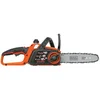 |
BLACK+DECKER 20V MAX 10-Inch Cordless Chainsaw Kit (LCS1020), $107.00 A 10-inch bar covers the thicker limbs that the 6-inch minis in the tables below cannot, and the listing includes a lock-off button, a front hand guard, an automatic oiler and tool-less chain tensioning.
|
As an Amazon Associate we earn from qualifying purchases.
We did not test this saw ourselves. We picked it from Amazon’s product data read on 2026-10-07: it was in stock at $107.00 with the battery and charger included, and the listing names a lock-off button to stop accidental starts and a front hand guard. It also lists an automatic oiler and tool-less chain tensioning, which removes two of the usual chores of owning a small saw. At that check, the tool-only version of the same saw was listed at $108.01, so the kit cost no more than the bare tool. Prices move, so confirm on the page before you buy.
This is a two-hand saw, and that is the point. If your first question is which handheld chainsaw is cheapest, the answer is a 6-inch mini. If your first question is which one will still be useful after the first thick limb, the answer is a longer bar. The rest of this guide explains why.
Handheld Chainsaw Sizes Compared: 6, 8 and 10 Inch
Almost every saw sold as a handheld chainsaw falls into one of three bar-length classes. The table uses one example per class from Amazon’s listing data on 2026-10-07. Weights are the listing’s own figures, and the listings are the sellers’ claims, not our measurements.
| Class | Example saw | Listed weight | Listed price | Best for |
|---|---|---|---|---|
| 6-inch mini | Seesii 6-inch kit with 2 batteries | 2.7 lb | $33.29 | Twigs and small branches |
| 8-inch compact | Tietoc 8-inch kit, 2x4000mAh batteries | About 3 lb | $63.99 | Light pruning with longer runtime |
| 10-inch two-hand | WORX WG322, 20V | 6.2 lb | $108.29 | Thicker limbs and small firewood |
| 10-inch two-hand | BLACK+DECKER LCS1020 kit | Not stated | $107.00 | Same jobs, with a front hand guard |
Two patterns stand out. First, price jumps with bar length, from about $33 to about $107. Second, weight does not rise gently: the listed 6-inch mini weighs 2.7 lb, while the 10-inch WORX weighs 6.2 lb, more than double. That extra weight is what makes the longer saw feel stable on a thick limb, and it is also why the 10-inch class is a two-hand tool.
What Published Tests Say About Runtime
Listing claims about battery life are easy to write and hard to compare. The most useful independent numbers we found are from Outdoor Life’s mini chainsaw test, which counted consecutive cuts through wood until the battery ran out or the saw overheated. These are Outdoor Life’s results with its own test logs, not ours, and the prices are what it listed.
| Saw (Outdoor Life test) | Bar | Weight | Price listed | Cuts before stopping |
|---|---|---|---|---|
| Saker Mini | 4 in | 2 lb 8 oz | $68 | 22 (4-inch log, overheated) |
| Ryobi ONE+ | 6 in | 3 lb 12 oz | $197 | 27 (4-inch log) |
| DeWalt 8-inch pruner | 8 in | 5 lb 15 oz | $219 | 37 (4-inch log) |
| Milwaukee M18 Hatchet | 8 in | 6 lb 13 oz | $229 | 92 (4-inch log) |
| DeWalt 12-inch | 12 in | 9 lb 2 oz | $219 | 45 (6-inch log) |
| Echo DCS 2500T | 12 in | 7 lb 7 oz | $290 | 65 (6-inch log) |
The takeaway is that the smallest saw ran out of steam first, and that a bigger battery and motor mattered more than bar length alone: the 8-inch Milwaukee made 92 cuts while the 8-inch DeWalt made 37 on the same 4-inch log size. Cut counts also fall as logs get thicker, so a saw that makes 90 cuts through 4-inch wood will manage far fewer through 6-inch wood. The cheap minis in our first table were not in that test, so treat their runtime claims as unverified.
The Bar-Length Rule That Decides Which Saw You Need
Outdoor Life’s advice is to generally avoid cutting limbs thicker than the bar is long, and the saws in its test were run on 4-inch logs (6-inch for the 12-inch saws). That gives a simple method. Measure the thickest limb you expect to cut this year, then choose a bar at least that long. As our own rule of thumb, add 2 inches of margin, because cutting a limb as thick as the bar means the chain is buried across its full width and any bind or pinch has nowhere to go.
Using that rule plus the 2-inch margin, here is how we would sort limb sizes:
- Limbs up to about 3 inches: a 6-inch mini is enough, and a hand saw may be faster (see the hand saw section below).
- Limbs 3 to 6 inches: an 8-inch compact saw is the minimum, and a 10-inch saw gives margin.
- Limbs over 6 inches or regular firewood: a mini is the wrong tool. See our best chainsaw guide or best battery powered chainsaws for longer bars.
If you decide a 6-inch mini fits your limbs, our mini cordless chainsaw comparison lines up eight of them side by side, and how to use a Saker mini chainsaw covers the technique. If you are unsure whether you need a longer bar, how to measure chainsaw bar length explains the numbers on the box.
Safety: Small Does Not Mean Safe
Listings for cheap minis often stress that they are easy for seniors and one-handed. That is marketing, not a safety rating. Outdoor Life puts the problem plainly:
“Small does not mean safe.”
Its reviewers add that these saws can cut a finger or leg just as a large gas saw can, and that hands sit closer to the chain on compact models. It also notes that only some compact saws are designed for one-handed use, and that on at least one popular mini the safety mechanism is awkward to operate with one hand.
Hand and arm injuries were 76 of 185 chainsaw patients (41 percent) at one Level 1 trauma center from 2012 to 2021, and they cost an average of 75 days of work versus 58 for leg injuries. Source: retrospective chainsaw injury review, PMC. The study covers all non-occupational chainsaws, not mini saws specifically.
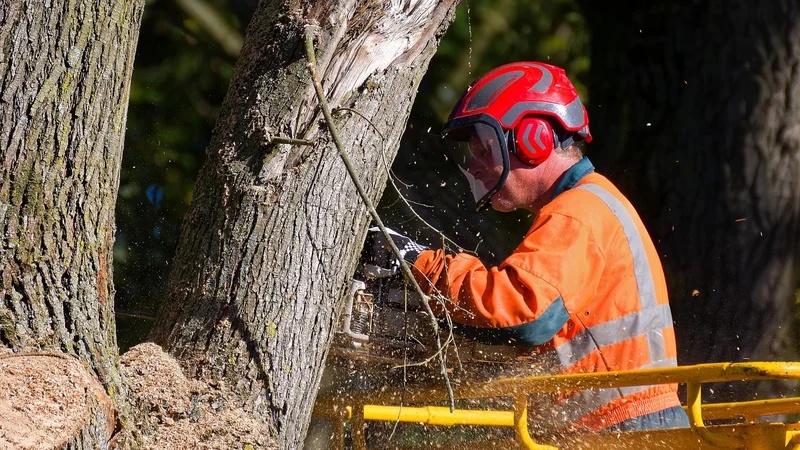
The same study’s authors recommend gloves, sturdy shoes and eye protection, and holding the saw by its proximal part rather than reaching out with the tip. For a handheld saw that translates into a few habits:
- Use both hands whenever the cut allows it, and keep the free hand behind the chain, never in front of it.
- Wear cut-resistant gloves and eye protection, and consider chainsaw chaps; Outdoor Life recommends chaps for these saws.
- Cut limbs you can reach from the ground. Do not climb a ladder with a running saw.
- Check the listing for the safety features you care about. None of the four listings we read for this guide mentions a chain brake; the BLACK+DECKER listing does mention a front hand guard and a lock-off button.
- Read the manual that comes with your saw, since oiling, tensioning and battery handling differ by model.
Hand Saw, Pole Saw or Handheld Chainsaw?
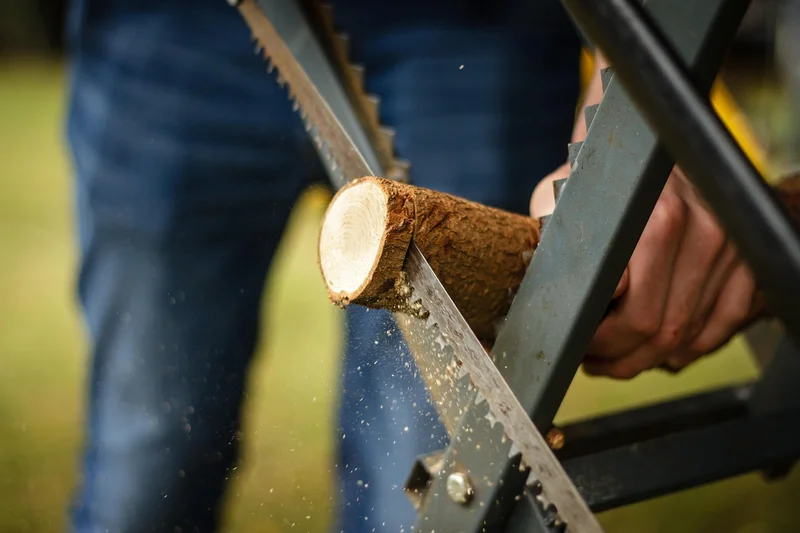
A battery saw is not always the right answer. For thin branches a hand saw needs no charging, no oil and no chain to maintain, and it is slower only if you have a lot of cuts. For limbs above your head, a pole saw keeps your feet on the ground, which our pole saw versus hedge trimmer guide compares in more detail. The electric hand saws for cutting trees guide covers the reciprocating-style alternatives.
If you want a saw built for work up in the canopy, that is a different category again. Outdoor Life notes that several compact saws, including a 12-inch top-handle model, support one-handed use, but top-handle saws are a different category from the saws in this guide; our top-handle versus rear-handle chainsaw comparison explains the difference. For the larger question of cordless against gas, see battery vs gas chainsaw and whether battery chainsaws are any good.
Choosing a Battery Platform and Keeping the Chain Sharp
Check the battery before the saw. The WORX WG322 listing says its 20V battery is shared across more than 75 tools in the PowerShare line, and Outdoor Life’s list includes saws that take DeWalt 20V, Ryobi 18V and Milwaukee M18 packs. If you already own one of those platforms, a tool-only saw can save real money. Amazon also lists unbranded 10-inch saws that fit DeWalt 20V batteries at about $100 without a battery, so make sure what is in the box before comparing prices.
Maintenance is simple but not optional. The WORX listing tells owners to fill the oil tank before use and run the chain briefly before cutting, and the BLACK+DECKER and Tietoc listings describe automatic oilers. Our guide to oiling a mini chainsaw chain walks through it. When the chain dulls, match the file to the chain pitch; the chainsaw file size chart shows which size fits which chain.
Frequently Asked Questions About Handheld Chainsaws
What is a handheld chainsaw?
A handheld chainsaw is a small, battery-powered chainsaw light enough to carry and use around the yard. Bar lengths run from about 4 to 12 inches. They suit pruning, small limbs and light cleanup, not felling trees or cutting large firewood rounds.
What size branch can a mini chainsaw cut?
A common rule is to avoid limbs thicker than the bar is long, so a 6-inch bar is for limbs under 6 inches at the very most. Outdoor Life’s test runs used 4-inch logs for most small saws, so treat 4 inches as a practical ceiling for 6-inch minis.
Can you use a mini chainsaw with one hand?
Some compact saws are designed for one-handed use, but the listings for the cheap 6-inch minis market it mainly as a convenience. A chainsaw injury review found hand and arm injuries in 41 percent of patients, so use two hands whenever the cut allows it and keep your free hand clear of the chain.
How long does a handheld chainsaw battery last?
It depends on bar length, battery size and wood. In Outdoor Life’s tests, a 4-inch mini made 22 cuts through a 4-inch log before overheating, while an 8-inch saw on a 5Ah battery made 92. One listing states about 40 minutes per charge for an 8-inch saw with a 4000mAh battery.
Is a mini chainsaw better than a full-size chainsaw?
Only for small jobs. A mini is lighter and cheaper, but it cannot fell trees or cut thick logs. For limbs over about 6 inches or regular firewood cutting, a full-size saw with a longer bar and a proper chain brake is the better tool.
Final Thoughts
Pick the bar length from your thickest limb, not from the price tag. A 6-inch mini is a fine small-branch tool if you respect its limits, an 8-inch saw adds some runtime and reach, and a 10-inch kit such as the BLACK+DECKER LCS1020 is the safer all-round choice for a typical yard. Treat every claim in a listing as the seller’s, use two hands, wear gloves and eye protection, and move up to a full-size saw when the limbs outgrow the bar.
Sponsored / affiliate links. As an Amazon Associate I earn from qualifying purchases. I may earn additional commission from eligible campaigns.
 Electric Pole Saw, 6 Inch Battery Powered Tree Trimmer and Handheld Mini Chainsaw with Adjustable Extension Pole for Branch Limb Cutting,Pruning,Yard,Garden, Brushless Pole Saw
 FiueStur Mini Chainsaw 8-inch Mini Chainsaw Cordless Handheld Electric Power Chain Saw with 2 Batteries and Carrying Case for Tree Trimming Wood Cutting