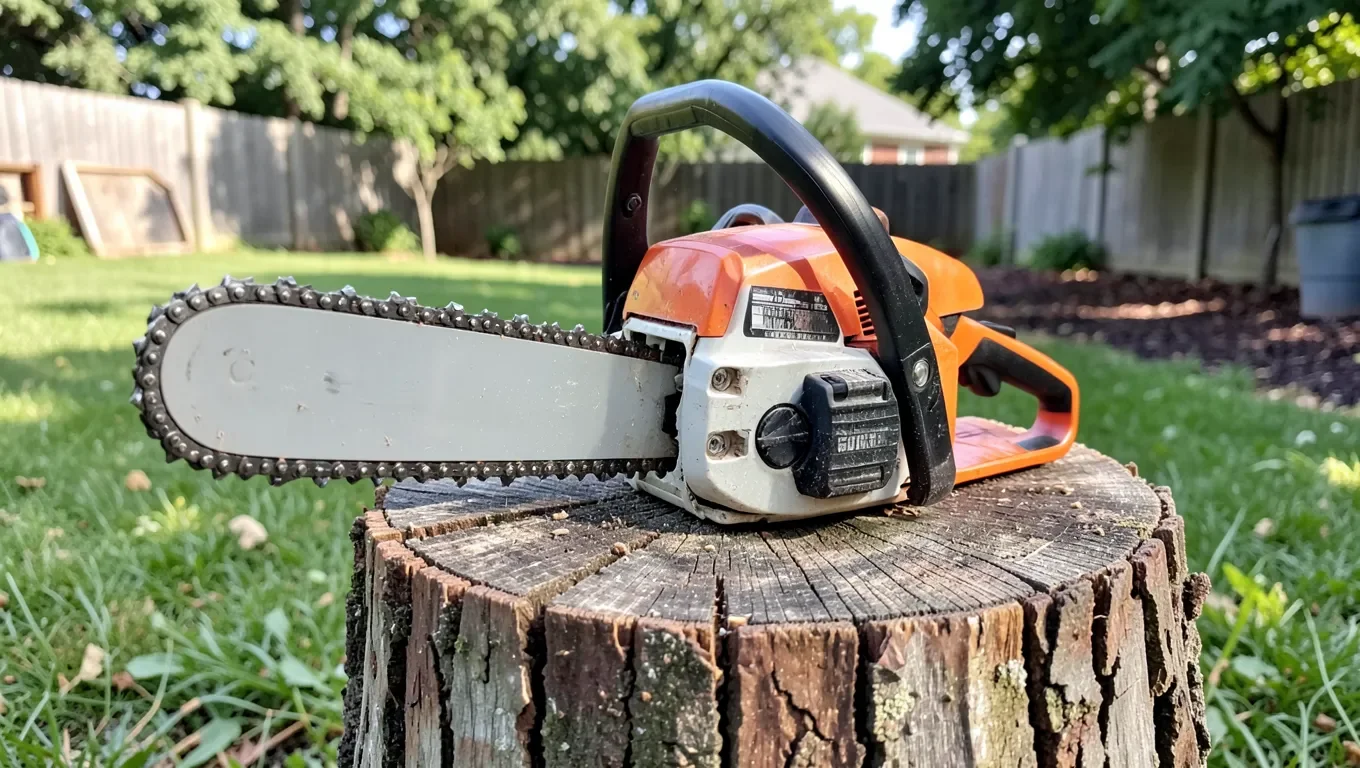
What Is a Brushless Chainsaw? It’s a Motor Type, Not ‘Electric vs. Gas’
“Brushless” describes a type of electric motor, not a category separate from gas chainsaws. A brushless chainsaw is always a battery-powered (or occasionally corded-electric) saw, using a motor design that replaces physical carbon brushes with electronic commutation. The real comparison isn’t “brushless vs. gas” — gas engines don’t have brushes at all, so that comparison doesn’t apply. The real comparison is brushless motor vs. brushed motor, and both types exist only within electric chainsaws.
The Real Distinction: Brushless Vs. Brushed, Not Vs. Gas
A Real Brushless-Motor Chainsaw
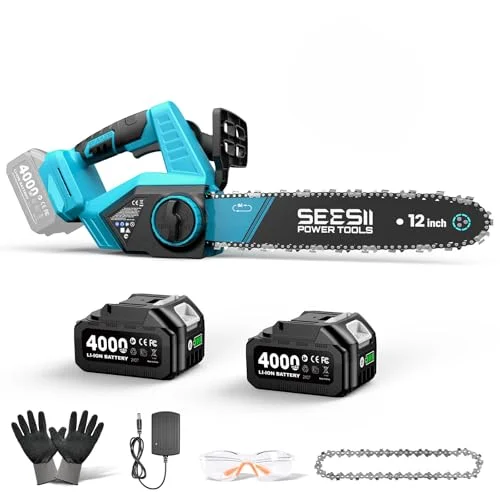 |
SEESII 12″ Cordless Electric Chainsaw, Brushless Motor – $107.99 A genuine brushless-motor design, not just a marketing term — includes 2 batteries for extended runtime.
|
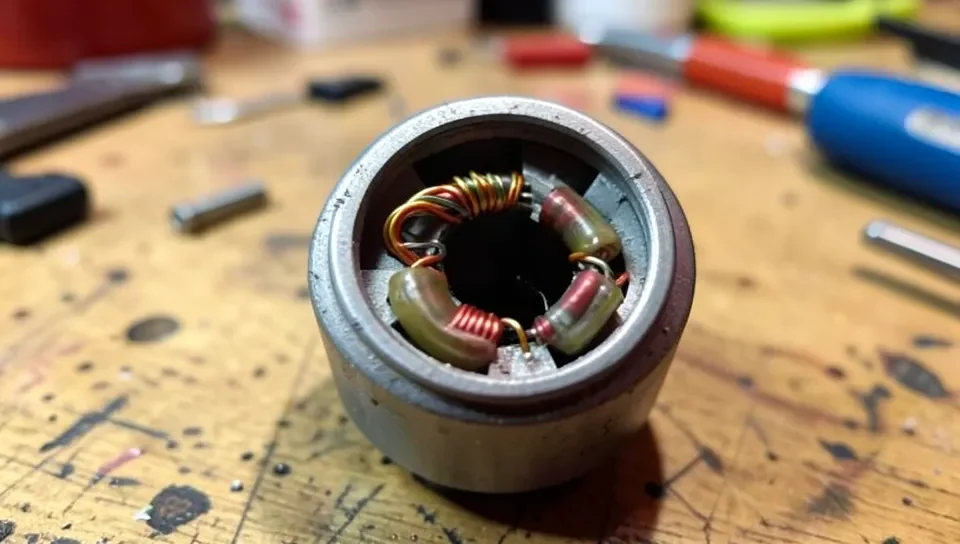
A brushed DC motor uses physical carbon brushes making contact with a spinning commutator to reverse current direction and keep the motor turning — a design that’s simple and cheap but wears down over time, since the brushes physically rub against the commutator with every rotation. A brushless motor achieves the same current-switching job electronically, using a controller and sensors instead of physical contact, which eliminates that wear point entirely. This is a real, meaningful difference in motor design — but it only distinguishes one electric motor from another, not electric saws from gas ones.
What Actually Improves With A Brushless Motor
Compared to a brushed electric chainsaw, a brushless one genuinely offers longer motor lifespan (no brushes to wear out and eventually need replacement), somewhat better energy efficiency (less energy lost as friction and heat at the brush contact point, which can translate to modestly longer runtime per battery charge), and less internal wear-related maintenance. What it does not inherently deliver is more raw cutting power than a gas saw of similar size — that comparison depends on the specific saw models, not on brushless technology as a blanket advantage. A high-end brushless cordless saw can rival a mid-size gas saw for most homeowner tasks, but heavy, sustained all-day cutting is still generally gas-saw territory for the same reason cordless power tools generally trail corded ones under continuous heavy load: battery power delivery has real limits a gas engine doesn’t share.
Where Brushless Cordless Saws Genuinely Fit
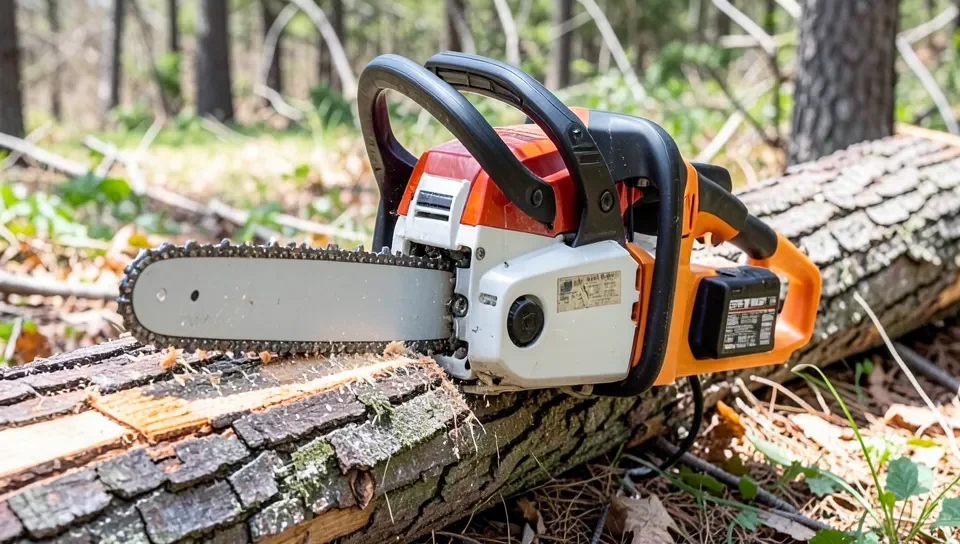
- Homeowner pruning, limbing, and firewood-sized cutting: a real, practical fit — no gas mixing, no carburetor issues, quick start.
- Occasional or seasonal use: a saw sitting unused for months starts reliably, unlike a gas saw with stale fuel in the carburetor.
- Noise-sensitive settings: genuinely quieter than a comparable gas saw, a real advantage for residential use.
- All-day professional felling and bucking: gas saws still generally hold the practical edge here for sustained runtime and power, brushless motor or not.
Brushed Vs. Brushless Electric Motors, Side By Side
| Factor | Brushed Electric Motor | Brushless Electric Motor |
|---|---|---|
| Current switching | Physical carbon brushes contacting a commutator | Electronic controller and sensors, no physical contact |
| Wear point | Brushes wear down and eventually need replacement | No brush wear point — longer typical motor lifespan |
| Efficiency | Some energy lost to brush friction/heat | Slightly more efficient, can extend runtime per charge |
| Upfront cost | Generally cheaper to manufacture | Generally pricier due to the electronic controller |
| Found in | Budget cordless/corded electric tools | Mid-range to premium cordless tools, including most current chainsaws marketed as “brushless” |
Choosing One: Real Features To Check
Battery capacity (measured in amp-hours, Ah) determines real runtime more than motor type alone — two brushless saws with the same motor can have very different working times depending on battery size. Bar length should match the actual work (shorter bars for pruning and limbing, longer for felling and bucking larger logs), and genuine safety features — a chain brake, low-kickback chain, and a properly functioning chain tensioning system — matter regardless of motor type. None of these are brushless-specific advantages; they’re the same real purchase considerations that apply to any chainsaw.
Frequently Asked Questions
Is a brushless chainsaw the same as an electric chainsaw?
Every brushless chainsaw is electric, but not every electric chainsaw is brushless — some electric saws still use older brushed motors. Brushless describes the specific motor design, a subset within electric saws, not a synonym for “electric.”
Does a brushless chainsaw have more power than a gas chainsaw?
Not inherently. Brushless motor technology improves efficiency and lifespan over a brushed electric motor, but real cutting power depends on the specific saw models being compared. Gas saws generally still hold the edge for sustained, heavy-duty use.
What actually wears out in a brushed motor that a brushless one avoids?
Physical carbon brushes that make contact with a spinning commutator to switch current direction. That contact wears down over time and eventually needs replacement. A brushless motor uses electronic commutation instead, eliminating that specific wear point.
Conclusion
“Brushless” tells you about the motor inside an electric chainsaw, not whether it beats a gas saw. It’s a real, genuine improvement over brushed electric motors in lifespan and efficiency — understand it as that specific upgrade, not as a blanket claim about power or category.
Sponsored / affiliate links. As an Amazon Associate I earn from qualifying purchases. I may earn additional commission from eligible campaigns.