How Do You Get Hot Glue Out Of Fabric The Genius, Easy Way
To get hot glue out of fabric, place the garment in a freezer for at least 30 minutes. The cold temperature makes the glue hard and brittle, allowing you to easily peel or gently scrape it off with a dull knife or your fingernail. This simple, no-mess method prevents damage to most fabrics and requires no special chemicals.
Hello, fellow makers! It’s Md Meraj, your friend in the workshop. We’ve all been there. You’re in the zone, working on a project, and a rogue drip of hot glue lands right where it shouldn’t—on your favorite work shirt or the fabric for your project. Your heart sinks a little. It seems permanent, like a stubborn badge of a small mistake. But I’m here to tell you not to worry. Getting hot glue out of fabric is much easier than you think.
There’s no need for harsh chemicals or panic. We’re going to walk through a few genius, simple methods that will save your fabric and your day. Let’s get that glue gone and get you back to creating!
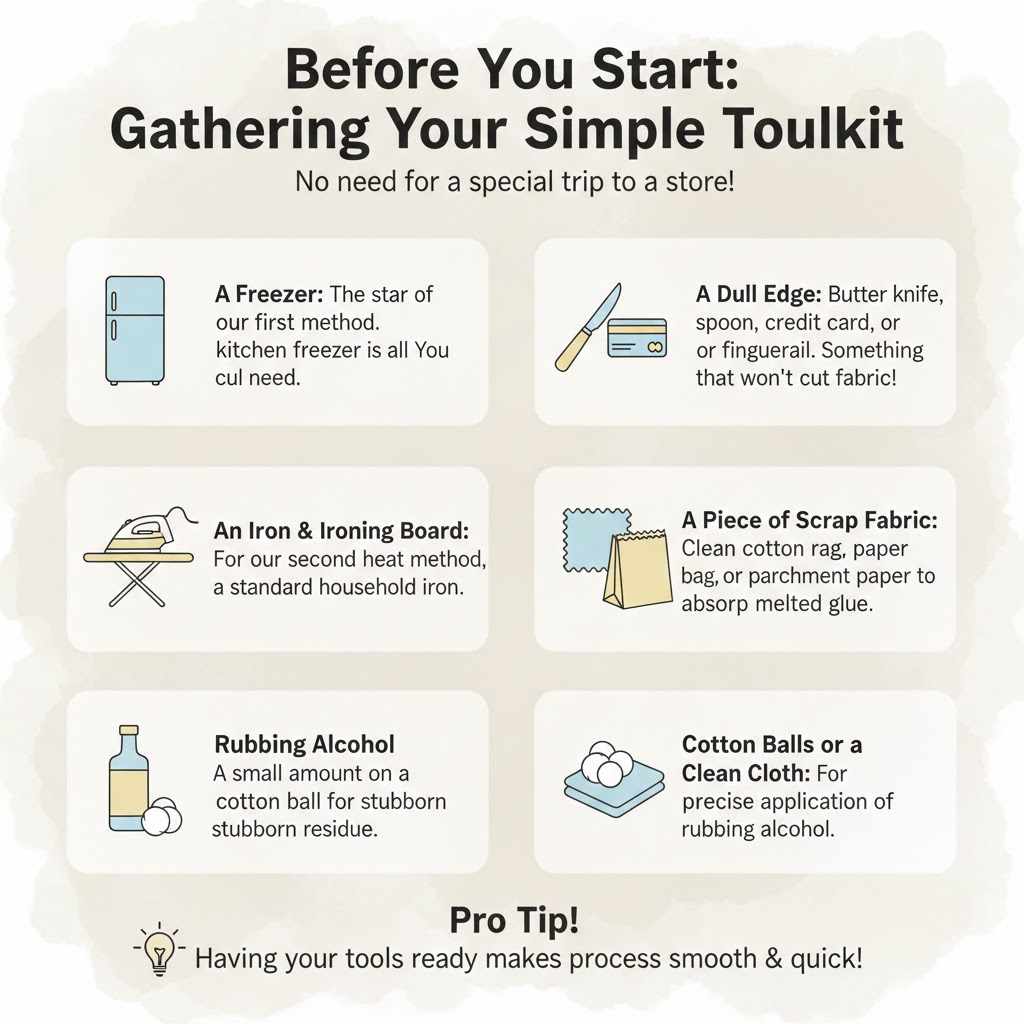
Before You Start: Gathering Your Simple Toolkit
The best part about these methods is that you likely already have everything you need right at home. No need for a special trip to the store. Before we dive in, let’s gather our simple tools. Having them ready makes the process smooth and quick.
- A Freezer: Your kitchen freezer is the star of our first and best method.
- A Dull Edge: A butter knife, a spoon, the edge of a credit card, or even just your fingernail will work perfectly. The key is to use something that won’t cut the fabric.
- An Iron and Ironing Board: For our second method, you’ll need a standard household iron.
- A Piece of Scrap Fabric: A clean cotton rag, a paper bag, or a piece of parchment paper is essential for the heat method. You’ll use this to absorb the melted glue.
- Rubbing Alcohol (Isopropyl Alcohol): A small amount on a cotton ball can help with any stubborn, leftover residue.
- Cotton Balls or a Clean Cloth: For applying the rubbing alcohol precisely.
The #1 Genius Method: Using Cold to Your Advantage
This is my absolute favorite trick because it’s the safest, cleanest, and often the most effective way to remove hot glue from almost any fabric. It feels like magic, but it’s just simple science. When you freeze hot glue, its chemical structure changes. The normally flexible, rubbery plastic becomes hard and brittle. This breaks the bond it has with the fabric fibers, allowing it to pop right off.
Step-by-Step Guide to Freezing Off Hot Glue
Ready to see this simple trick in action? Just follow these easy steps. In a few minutes, that glue spot will be a distant memory.
- Wait for the Glue to Dry: This might sound strange, but don’t touch the glue while it’s hot! Trying to wipe away hot glue will only smear it deeper into the fabric fibers, making a bigger mess. Let it cool and harden completely on its own.
- Fold the Fabric: If you can, fold the garment so the glue spot is facing outwards and is isolated. This makes it easier to handle once you take it out of the freezer.
- Place it in the Freezer: Put the fabric item directly into your freezer. You don’t need to put it in a bag unless you’re worried about it touching food. Make sure the glue spot is not pressed against another surface.
- Let it Chill: Leave the fabric in the freezer for at least 30 to 60 minutes. For a really thick blob of glue, giving it a couple of hours won’t hurt. The goal is to get the glue completely frozen solid.
- Peel or Scrape it Off: Once the glue is frozen solid, take the fabric out. Act quickly while the glue is still brittle. Most of the time, you can bend the fabric and the glue will crack and peel off in one large piece. If it needs a little help, use your fingernail or a dull edge (like a butter knife) to gently pry or flake it off. It should lift away easily without pulling at the fabric threads.
- Clean Up Any Residue: If a tiny, faint spot remains, a little rubbing alcohol on a cotton ball will usually take care of it. We’ll cover that in more detail a bit later.
And that’s it! Your fabric should be good as new. This method is incredibly safe for most materials, from tough denim to more sensitive blends.
The Classic Fix: Using Heat with an Iron
Sometimes, freezing might not be practical, or you might be dealing with a thin layer of glue that has really seeped into the fibers. In these cases, using heat from an iron can work wonders. This method involves re-melting the glue and transferring it from your fabric to a scrap piece of cloth.
A Quick Word on Safety First
Before you plug in that iron, let’s talk safety. You’ll be working with heat, so be mindful. Always check your fabric’s care label first. If it says “Do Not Iron” or has a low heat tolerance (like some synthetics), this method may not be safe for your garment. For detailed information on appliance safety, you can always check resources like the U.S. Consumer Product Safety Commission guidelines. Never leave a hot iron unattended, especially if kids or pets are around.
Step-by-Step Guide to Ironing Off Hot Glue
This process is simple, but it requires a gentle hand. Let’s walk through it together.
- Prepare Your Workspace: Set up your ironing board. If you don’t have one, a flat, heat-safe surface covered with a thick towel will do.
- Set the Iron: Turn your iron on to a medium heat setting with NO steam. Steam introduces water, which can make the process less effective and potentially damage certain fabrics.
- Position the Fabric: Place the garment on the ironing board with the glue stain facing up.
- Place a Protective Cloth Over the Glue: Take your clean scrap piece of cotton fabric or a plain brown paper bag and place it directly on top of the hot glue stain. This is what the melted glue will stick to.
- Apply Heat: Press the hot iron onto the scrap cloth/paper bag directly over the glue spot. Hold it there for about 10-20 seconds. Do not wiggle the iron around, as this can smear the glue. Just apply gentle, even pressure.
- Lift and Check: Lift the iron and the scrap cloth. You should see that some of the glue has transferred from your garment to the scrap cloth.
- Repeat as Needed: Move to a clean section of the scrap cloth and repeat the process. Continue until all of the glue has been lifted from the fabric. It might take a few tries, but be patient!
| Feature | Freezing Method | Ironing Method | |||||||||||||||
|---|---|---|---|---|---|---|---|---|---|---|---|---|---|---|---|---|---|
| Best For | Thick blobs of glue, most fabric types, and heat-sensitive materials. | Thin smears of glue that are worked into the fabric fibers. Best on cotton and denim. | |||||||||||||||
| Safety Risk | Very low. No heat or chemicals involved. | Moderate. Risk of burning the fabric or yourself if not careful. Not for delicate fabrics. | |||||||||||||||
| Speed | Slower, as it requires at least 30 minutes of freezing time. | Faster, the active removal process only takes a few minutes. | |||||||||||||||
| Effectiveness | Excellent for removing the bulk of the glue without a trace. | University of Kentucky Extension service offers great guides on fabric care. Always check the care label on your garment first.
Common Mistakes to Avoid When Removing Hot GlueFixing one problem shouldn’t create another. Here are a few common pitfalls to steer clear of so you get a perfect result every time.
Frequently Asked Questions (FAQ)Can I use a hairdryer instead of an iron?You can, but it’s less effective. A hairdryer heats a wider area and can be harder to control. It may soften the glue enough for you to scrape some of it away, but the direct pressure and controlled heat of an iron is better for transferring the glue onto a scrap cloth. Will hot glue just wash out in the laundry?No, hot glue will not simply wash out. It is a plastic adhesive that is not water-soluble. Washing and drying a garment with hot glue on it can sometimes melt the glue further, potentially setting the stain and making it even harder to remove. What if the hot glue is on my carpet or upholstery?The same methods can work! For carpet, the freezing method is great. You can use an ice pack or a bag of ice held on the spot for 30 minutes. Then gently scrape it away. The ironing method can also work on sturdy upholstery, but always test a hidden spot first to make sure the heat doesn’t damage the material. Does acetone or nail polish remover work on hot glue?Acetone can dissolve hot glue, but it’s very risky for fabrics. Acetone can discolor, weaken, or even melt many synthetic fabrics like acetate, rayon, and polyester. I strongly recommend sticking with rubbing alcohol, as it is much gentler on most textiles. How do I get hot glue off my jeans?Jeans are made of tough denim, so you’re in luck! All three methods—freezing, ironing, and rubbing alcohol—work wonderfully on jeans. The freezing method is usually the easiest for removing the bulk of the glue. Can hot glue be removed from all fabrics?Almost all, but not every single one. On very delicate materials like silk, lace, or sheer fabrics, removal can be very difficult without causing damage. In these cases, the freezing method is your only safe DIY option. If that doesn’t work, consulting a professional dry cleaner is your best course of action. Conclusion: Back to Your Project with ConfidenceThere you have it! A glue spill that once seemed like a crafting disaster is really just a small, fixable hiccup. Whether you choose to freeze it, iron it, or dab it with a bit of alcohol, you now have the skills to handle it with confidence. Accidents happen in any workshop—it’s a sign that you’re busy creating and bringing ideas to life. The important thing is knowing how to clean up and carry on. So the next time a drop of hot glue goes astray, take a deep breath, smile, and head for your freezer or your iron. You’ve got this. Now, let’s get back to making something wonderful! |