How to Remove Super Glue from Glass: Acetone Method & Safe Alternatives
To remove super glue from glass, soak a cotton ball in acetone or acetone-based nail polish remover, hold it on the glue for about a minute to soften it, then wipe or gently scrape the residue away with a plastic scraper. Glass is hard and non-porous, so acetone can’t damage the glass itself – only a coating on top of it, which is the one thing worth checking before you start.
Why Glass Makes This Harder Than It Looks
Best For Stubborn Residue After Scraping
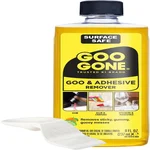 |
Goo Gone Original Liquid Adhesive Remover, 8 oz – $14.98 Acetone dissolves fresh super glue fast, but it can leave a faint haze on glass after the glue is gone. This citrus-based remover cleans up that residue without the sharp fumes.
|
Super glue (cyanoacrylate) cures by reacting with trace moisture in the air, forming a thin, continuous plastic film. On a porous material that film partly soaks in and weakens; on glass it stays intact as one hard, glassy-smooth sheet stuck directly to another hard, smooth sheet. That’s why it feels so stubborn – you’re not peeling a coating off a rough surface, you’re separating two hard flat surfaces with almost nothing to grip. The fix is chemical, not mechanical: something that dissolves the cured plastic itself, not friction or scraping alone.
The Acetone Method (Fastest)
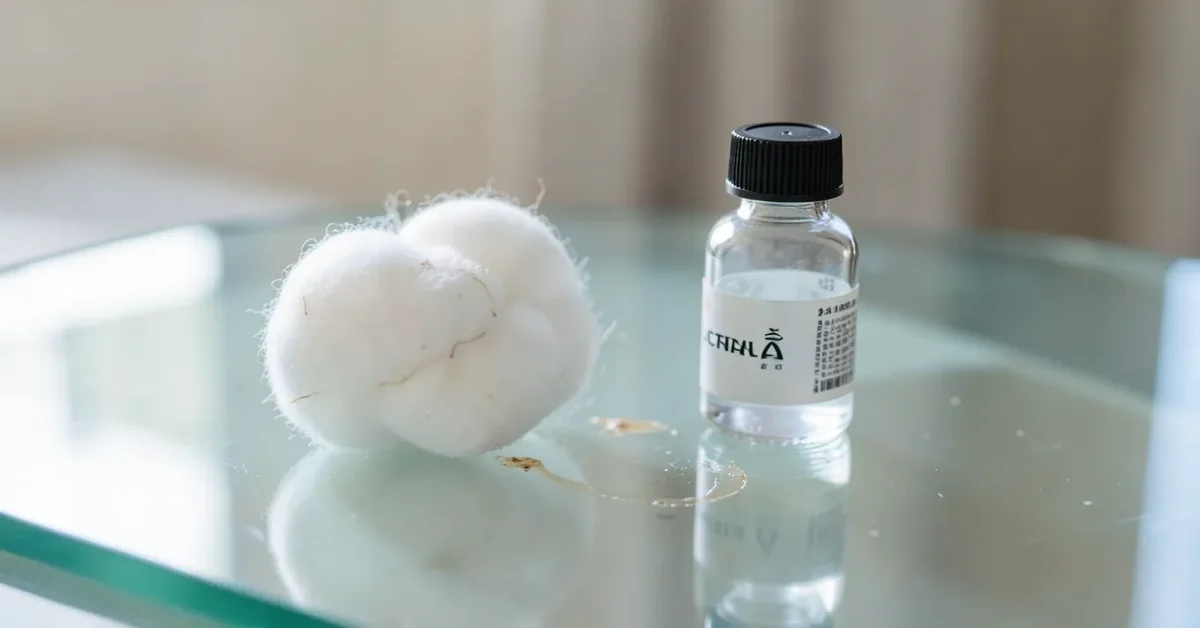
- Soak a cotton ball or cloth with acetone or acetone-based nail polish remover.
- Press it onto the glue and hold for 60-90 seconds – don’t rub yet, just let the solvent soak in.
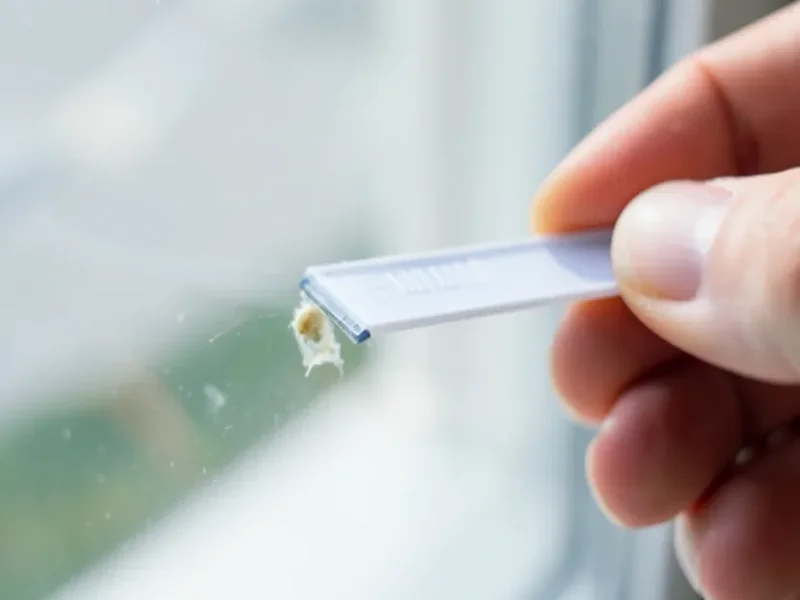
- Wipe the softened glue away with a clean part of the cloth. For thicker spots, gently lift the softened glue with a plastic scraper or an old gift card, held nearly flat against the glass.
- Wash the area with warm soapy water afterward to clear any remaining solvent residue.
Work in a ventilated room – acetone fumes aren’t dangerous in small amounts but can irritate eyes and airways, and acetone is flammable, so keep it away from open flames or a running gas stove. If the glass is part of eyewear, a phone screen, or anything with an anti-glare or tinted coating, test the acetone on a small hidden edge first – the coating, not the glass, is what can cloud or lift.
Slower Alternatives That Skip The Solvent Smell
If you’d rather not use acetone at all – around kids, on a coated surface, or just by preference – warm soapy water, white vinegar, or a citrus-based remover like Goo Gone above all work on the same principle of softening the cured glue before you lift it, they just need more soak time. Our full guide to removing super glue from glass without acetone walks through each of those methods (including a freezing trick) step by step if that’s the route you want.
When Scraping Is The Only Option Left
Once glue has fully cured (usually 24+ hours old), solvents soften it more slowly, and a razor blade becomes the more practical tool. Hold a single-edge blade almost flat against the glass – not angled up like a knife – and push it under the edge of the glue in one direction. Held flat, the blade can’t dig into glass; the danger is entirely to your fingers, not the surface, so keep the glass steady on a table rather than holding it in your other hand.
Frequently Asked Questions
What is the fastest way to remove super glue from glass?
Acetone (or plain acetone-based nail polish remover) is the fastest option. Soak a cotton ball, hold it on the glue for 60-90 seconds to let it soften, then wipe or gently scrape the softened glue away with a plastic scraper – not a metal blade.
Will acetone damage glass?
No, plain glass itself is not damaged by acetone. The risk is with anything coated or tinted on top of the glass – privacy film, some anti-glare coatings on eyewear or electronics, and painted or frosted glass can be affected. Test acetone on a hidden corner first if the glass has any coating.
What if I don’t want to use acetone?
Warm soapy water, white vinegar, or a citrus-based remover like Goo Gone all work, just more slowly – expect to soak the area for several minutes rather than under a minute with acetone. See our full guide to removing super glue from glass without acetone for that approach in more detail.
Is it safe to scrape dried super glue off glass with a razor blade?
A single-edge razor blade held nearly flat against the glass can lift dried glue safely, since glass is hard enough not to scratch from the blade edge at a shallow angle. The real risk is cutting yourself, not damaging the glass – go slowly, keep the blade flat, and never hold the glass in your other hand while scraping.
Why does super glue bond so strongly to glass in the first place?
Cyanoacetate glues cure through a reaction with trace moisture in the air, and glass’s smooth, non-porous surface actually helps the adhesive form a uniform, unbroken film rather than soaking in and weakening like it would on a porous material – which is exactly why it grips so hard and why solvents that break down the cured plastic (not water) are what get it off.
Conclusion
Acetone is the fastest way to get super glue off glass – soften it for a minute, then wipe or gently scrape it away. If you’re avoiding acetone, the same softening principle works with soapy water, vinegar, or a citrus-based remover, just on a longer timeline. Either way, keep any blade held flat, and test first on anything coated or tinted.
Sponsored / affiliate links. As an Amazon Associate I earn from qualifying purchases. I may earn additional commission from eligible campaigns.