How Do You Get Label Glue Off Glass: 3 Best Proven Ways
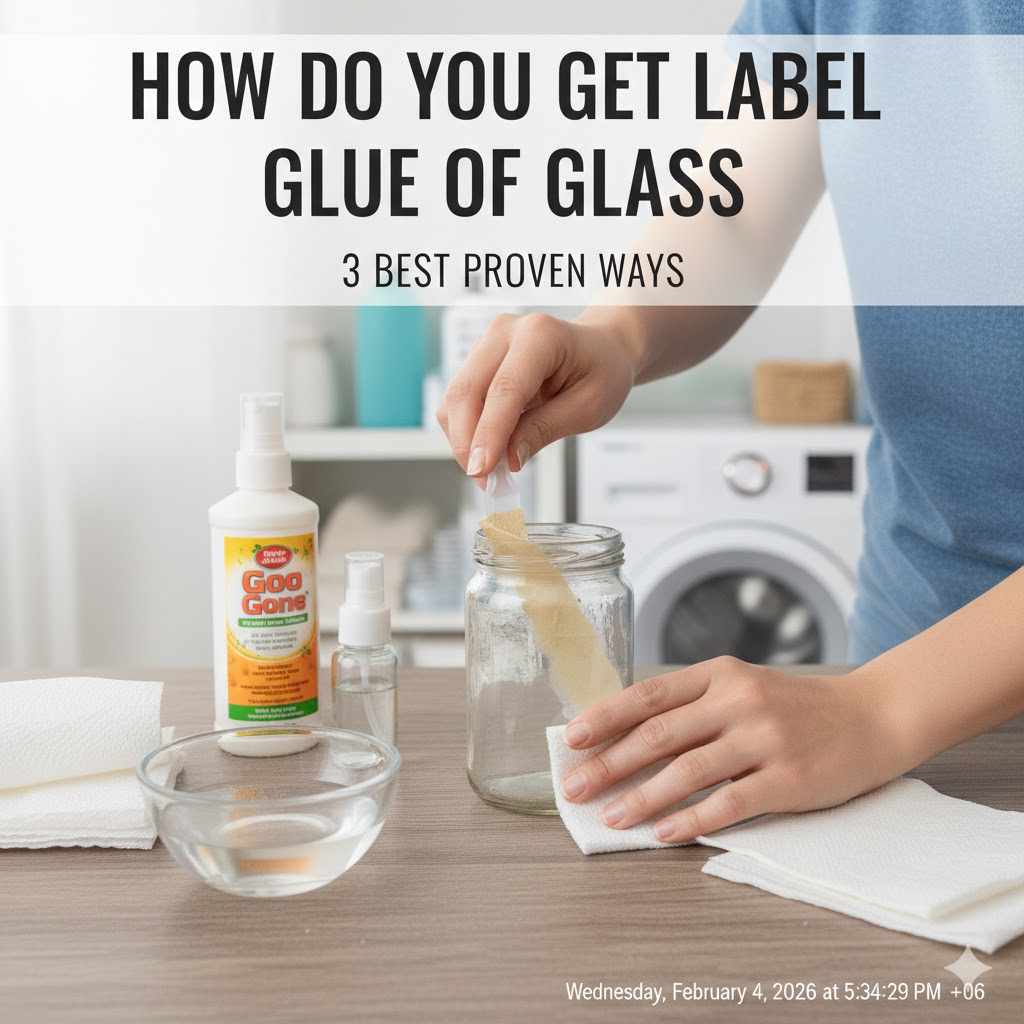
To get label glue off glass, soak a cotton ball in cooking oil or rubbing alcohol, place it on the sticky residue, and let it sit for 10-15 minutes. The oil or alcohol will break down the adhesive, allowing you to easily scrape it off with a plastic scraper or old credit card. Finish by washing the glass with warm, soapy water.
Hello, fellow makers and homeowners! Md Meraj here. In our workshops and homes, we often reuse glass jars and bottles for storage, projects, or just to reduce waste. But there’s one small thing that can turn a simple task into a frustrating chore: that stubborn, sticky label glue that refuses to come off. You peel the label, and it leaves behind a gummy, messy residue that attracts dust and dirt.
It’s a common headache, but don’t worry. You don’t need harsh chemicals or endless scrubbing to get your glass sparkling clean. I’m here to show you a few simple, proven methods that work every time, using things you probably already have at home. We’ll walk through each step together, so you can get that glue off for good. Let’s get that glass looking perfect!
Why Is Label Glue So Stubborn?
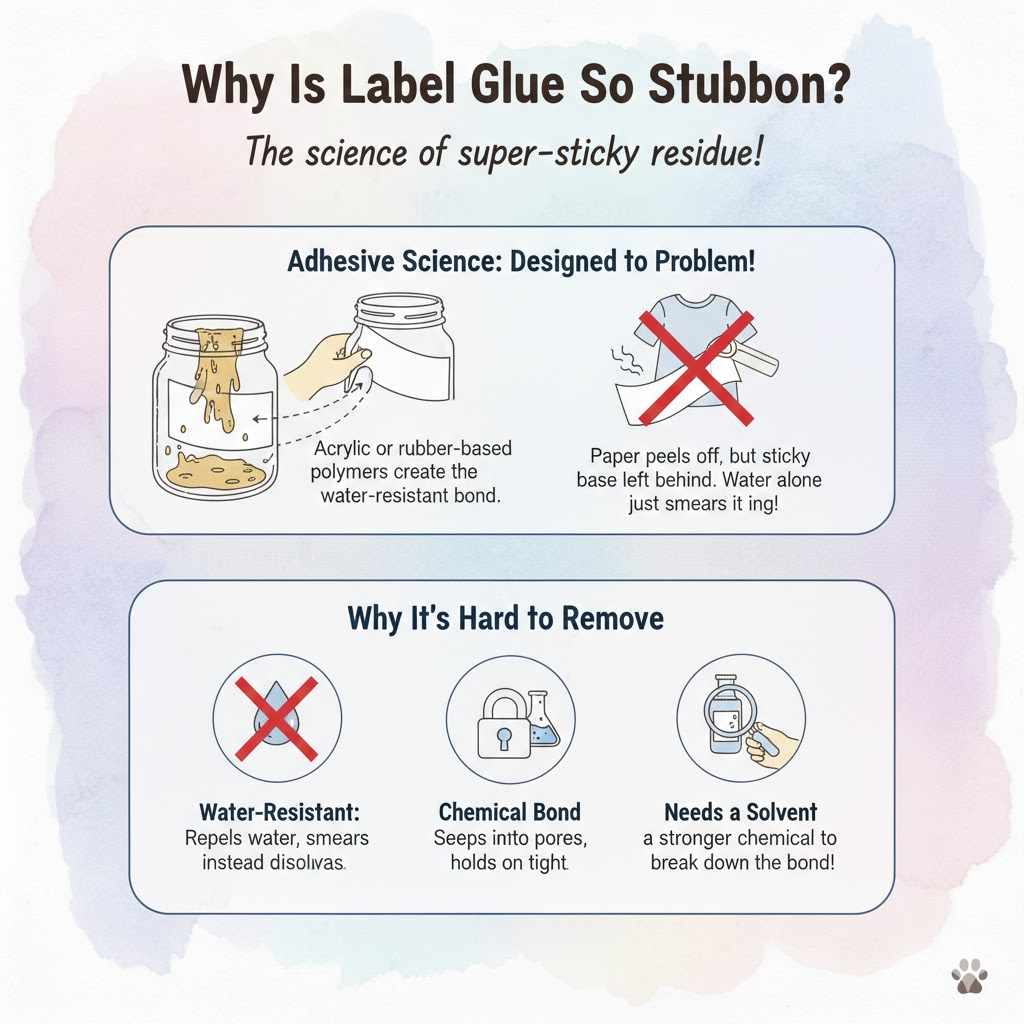
Ever wonder why that little patch of sticker residue can be so tough to beat? It comes down to the science of adhesives. Manufacturers use different types of glue depending on the product, its expected shelf life, and the environment it will be in. Some labels are designed to peel off easily, while others use powerful, pressure-sensitive adhesives meant to stay put through shipping, handling, and temperature changes.
These strong adhesives are often made from acrylics or rubber-based polymers. They create a powerful bond that seeps into the microscopic pores of the glass surface. When you peel the paper part of the label away, you are essentially shearing the label in half, leaving the sticky adhesive base behind.
This residue is designed to be water-resistant, which is why a simple wash often just smears the mess around. To defeat it, we need to use methods that break down the adhesive’s chemical structure, making it easy to wipe away.
Before You Start: Essential Tools and Safety First
Before we jump into the methods, let’s gather our tools. Having everything ready makes the job quicker and safer. Most of these items are common household supplies. Safety is always our first priority in any project, no matter how small. Even with simple methods, it’s wise to protect your hands and work surface.
Your Glue-Busting Toolkit
Here’s a table of common supplies you might need. You won’t need everything for every method, so just grab what’s necessary for the technique you choose.
| Tool/Material | Purpose | Methods Used In |
|---|---|---|
| Plastic Scraper or Old Credit Card | Gently scraping away softened glue without scratching the glass. | All Methods |
| Cooking Oil (Olive, Vegetable, Coconut) | A non-toxic solvent that breaks down sticky adhesives. | Method 1 |
| Rubbing Alcohol (Isopropyl Alcohol) | A solvent that dissolves many types of glue effectively. | Method 3 |
| Dish Soap | Helps to lift residue and clean the glass after treatment. | All Methods |
| Baking Soda | Acts as a gentle abrasive when mixed with oil or water. | Method 1 & 2 (Optional) |
| White Vinegar | The acid helps dissolve some adhesives. | Method 2 & 3 (Alternative) |
| Hairdryer | Uses heat to soften the adhesive for easier peeling. | Pro-Tips Section |
| Paper Towels or Soft Cloths | Applying liquids and wiping away residue. | All Methods |
| Protective Gloves | Keeps your hands clean and protected from solvents. | All Methods (Recommended) |
A Quick Note on Safety
- Protect Your Hands: Even when using simple oils, wearing gloves can prevent a sticky mess on your fingers. When using solvents like alcohol, gloves are highly recommended to avoid drying out your skin.
- Work in a Good Spot: If you use a solvent like rubbing alcohol, make sure you’re in a well-ventilated area. Open a window to let fresh air circulate.
- Test a Small Area: If you are working with valuable, painted, or frosted glass, always test your chosen method on a small, hidden spot first to ensure it doesn’t cause any damage. Standard jar glass is very durable, but it’s always better to be safe.
Method 1: The Everyday Oil and Scrape Method (The Safest Bet)
This is my go-to method because it’s incredibly effective, completely non-toxic, and uses items you definitely have in your kitchen. Oil is a fantastic solvent for many common adhesives because its molecules can get in between the glue and the glass, breaking the bond. It’s perfect for the sticky residue left behind after you’ve already peeled off the paper part of the label.
When to Use This Method:
- For sticky, gummy residue left on glass jars, bottles, or picture frames.
- When you want a food-safe and fume-free solution.
- Excellent for beginners and a great first step for any glue problem.
What You’ll Need:
- Cooking oil (any kind works: vegetable, olive, canola, coconut)
- Paper towels or a cotton ball
- A plastic scraper, old credit card, or your fingernail
- Dish soap and warm water
Step-by-Step Instructions:
- Peel What You Can: Start by removing as much of the paper label as possible. If it tears, don’t worry. Just get the top layer off. Sometimes, a quick soak in warm water for a few minutes can help with this first step.
- Apply the Oil: Dab a generous amount of your chosen oil onto a paper towel or cotton ball. Apply it directly to the remaining glue residue, making sure the entire sticky area is saturated. Be liberal with it—the oil needs to soak in to work.
- Let It Sit: This is the most important step. Patience is key! Let the oil sit on the glue for at least 15-30 minutes. For really stubborn glue, you might let it sit for a couple of hours. This gives the oil time to penetrate and dissolve the adhesive.
- Scrape Gently: Take your plastic scraper or the edge of an old credit card and start scraping the glue. You should find that it has softened into a gooey clump that lifts off easily. Scrape in one direction to collect the residue. Avoid using metal tools, as they can scratch the glass.
- Wipe and Repeat if Needed: Use a clean paper towel to wipe away the oily, gluey mixture. If some sticky spots remain, simply apply a bit more oil, wait another 10 minutes, and scrape again.
- Wash and Dry: Once all the glue is gone, you’ll have an oily but glue-free surface. Wash the glass item thoroughly with warm water and dish soap to remove the oil. Rinse well and dry it. Your glass will be perfectly clean and ready for its new purpose!
Method 2: The Hot Water and Dish Soap Soak (Great for Whole Jar Labels)
If you have a glass jar with a large, stubborn paper label that won’t peel off cleanly, a hot water soak is your best friend. This method uses heat and soap to loosen both the paper and the adhesive underneath. It’s ideal for items you can fully submerge, like spaghetti sauce jars or glass bottles.
The heat from the water helps to soften the adhesive, while the soap works its way underneath the label, breaking the bond with the glass. Adding a bit of baking soda or vinegar can provide an extra boost to dissolve the glue.
When to Use This Method:
- When removing entire labels that are difficult to peel.
- For durable glass items that can be fully submerged in water.
- A great hands-off method that does most of the work for you.
What You’ll Need:
- A sink, basin, or bucket large enough to submerge your glass item
- Hot water
- Dish soap
- Optional: Baking soda or white vinegar
- A scrubbing sponge (use the non-abrasive side) or a plastic scraper
Step-by-Step Instructions:
- Prepare Your Soaking Bath: Fill your sink or basin with the hottest tap water you can get. Be careful not to use boiling water, as the extreme temperature change could potentially crack cold glass—a principle known as thermal shock, as explained by glass science resources at institutions like the Corning Museum of Glass. Hot tap water is perfectly fine.
- Add Soap and a Booster: Squeeze a generous amount of dish soap into the water and swish it around. For extra power, add a half-cup of white vinegar or a few tablespoons of baking soda to the mix. These additives help to break down the adhesive more effectively.
- Submerge and Soak: Place your glass jar or bottle into the hot water. Make sure the label is completely underwater. If the jar is empty and wants to float, you can fill it with water to weigh it down.
- Wait Patiently: Let the glass soak for at least 30 minutes. For very stubborn labels, an hour or even overnight might be necessary. You will know it’s ready when the label looks soggy and starts to slide off easily.
- Peel and Scrub: After soaking, most of the label should slide right off. Use your fingers or a non-abrasive sponge to scrub away any remaining paper and glue residue. The softened glue should come off with minimal effort. If any bits remain, use your plastic scraper.
- Final Wash and Rinse: Once all the glue is gone, give the glass item a final wash with fresh soap and water to remove any lingering film. Rinse thoroughly and let it air dry or towel dry. Your jar is now spotless!
Method 3: The Solvent Solution (For the Toughest Residue)
Sometimes you come across a truly stubborn adhesive that just laughs at oil and water. This is when you can bring out a stronger solvent. Don’t worry, you don’t need anything from a specialty chemical store. Common household products like rubbing alcohol, nail polish remover (acetone), or white vinegar can work wonders. Commercial products like Goo Gone or WD-40 are also specifically designed for this task.
Solvents work by chemically dissolving the adhesive polymers, turning the sticky solid into a liquid that can be wiped away. This method is fast and highly effective but requires a bit more care due to fumes and skin contact.
The U.S. Environmental Protection Agency’s Safer Choice program can help you identify products with safer chemical ingredients, but always use any solvent in a well-ventilated area.
When to Use This Method:
- For thick, hardened, or extremely sticky price tags and warning labels.
- When oil or water methods have failed.
- When you need a quick, powerful solution.
What You’ll Need:
- A solvent: rubbing alcohol (70% or higher), nail polish remover (with acetone), or a commercial product like Goo Gone.
- Cotton balls or paper towels
- Protective gloves
- Plastic scraper
- Dish soap and water
Step-by-Step Instructions:
- Safety First and Good Ventilation: Put on your gloves. Open a window or turn on a fan. The fumes from solvents can be strong, so good air circulation is important.
- Test in an Inconspicuous Area: If you are working on a piece of glass that has any paint, frost, or coating, test the solvent on a tiny spot first to make sure it doesn’t damage the finish. Standard clear glass jars are generally safe.
- Apply the Solvent: Soak a cotton ball or the corner of a paper towel in your chosen solvent. Place it on the sticker residue and hold it there for a minute to let the solvent start working. For larger areas, you can wipe the solvent over the entire sticky patch.
- Let It Work Quickly: Unlike oil, most solvents work fast. Let it sit for just a few minutes (2-5 minutes is often enough). You’ll see the glue start to look dissolved or change in texture. Don’t let it fully evaporate.
- Wipe and Scrape Away: Use a clean paper towel to wipe away the dissolved goo. It should come off quite easily. For any stubborn bits, use your plastic scraper. The combination of the solvent and gentle scraping is very effective.
- Clean Thoroughly: Solvents can leave behind a chemical smell and an oily residue (especially WD-40 or Goo Gone). It’s crucial to wash the glass item very well with warm, soapy water after you are done. Rinse it completely to ensure no solvent remains, especially if the jar will be used for food.
Comparison: Which Method Should You Choose?
Not sure which approach is right for your situation? This table breaks it down to help you decide.
| Feature | Method 1: Oil & Scrape | Method 2: Hot Water Soak | Method 3: Solvent Solution |
|---|---|---|---|
| Effectiveness | High for most residues | High for whole paper labels | Very high for all types of glue |
| Safety | Excellent (food-safe, no fumes) | Very Good (use caution with hot water) | Good (requires ventilation and gloves) |
| Required Materials | Common kitchen items | Common household items | May require a specific purchase (e.g., Goo Gone) |
| Time Required | 15-30 minutes of sitting time | 30 minutes to several hours of soaking time | 5-10 minutes (very fast acting) |
| Best For… | Leftover sticky patches on any glass. | Removing full, stubborn labels from jars/bottles. | Tough, hardened, or chemical-based adhesives. |
Pro Tips for a Perfect, Streak-Free Finish
After many years of upcycling glass containers, I’ve learned a few extra tricks. Here are some pro tips to make the process even easier:
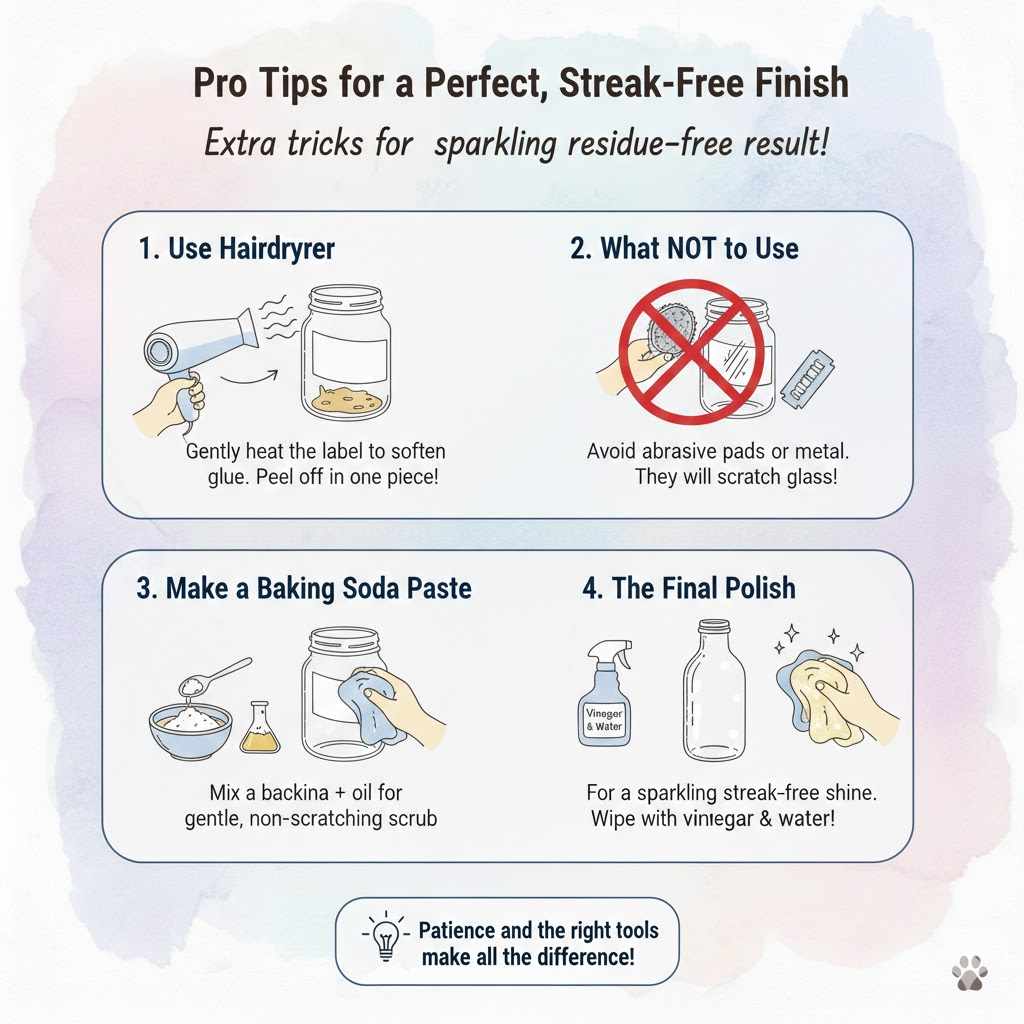
- Use a Hairdryer: Before you try any method, gently heat the label with a hairdryer on a low setting. Hold it a few inches away and move it back and forth for about a minute. The heat will soften the adhesive, often allowing you to peel the entire label off in one piece, residue-free!
- What NOT to Use: Avoid using steel wool, abrasive scouring pads, or metal scrapers like razor blades. While effective at removing glue, they can easily leave permanent scratches on your glass, ruining its appearance.
- Make a Baking Soda Paste: For a little extra scrubbing power with the oil method, mix equal parts baking soda and cooking oil to form a paste. The baking soda acts as a very mild abrasive that helps lift the residue without scratching.
- The Final Polish: After washing and drying, if you notice any streaks on your glass, a quick wipe with a lint-free cloth and a 50/50 solution of white vinegar and water will leave it sparkling and crystal clear.
Frequently Asked Questions (FAQ)
1. Can I use vinegar to remove label glue from glass?
Yes, absolutely. White vinegar’s acetic acid is great at dissolving some types of adhesives. You can use it just like rubbing alcohol in Method 3 or add it to a hot water soak in Method 2 for an extra cleaning boost. It’s a great natural alternative to other solvents.
2. How long should I soak the glass jar?
For the hot water method, a minimum of 30 minutes is a good starting point. However, for very stubborn, water-resistant labels, letting it soak for a few hours or even overnight can save you a lot of scrubbing effort later on.
3. Is rubbing alcohol safe to use on all types of glass?
For plain, un-decorated glass, rubbing alcohol is perfectly safe. However, if your glass has a painted design, a frosted finish, or a special coating, you should test the alcohol on a small, hidden area first. It can sometimes damage or remove decorative finishes.
4. What is the best tool for scraping glue off glass?
A plastic scraper or an old plastic card (like a gift card or credit card) is the best choice. These materials are softer than glass, so they will not scratch the surface. A plastic razor blade, designed for scraping decals off cars, is also an excellent and safe tool for the job.
5. Why does some glue residue stay sticky even after cleaning?
Sometimes, a very thin, invisible layer of adhesive can remain. If you’ve scraped it all off and it still feels tacky, it likely means the adhesive wasn’t fully dissolved. Wiping it one last time with a solvent like rubbing alcohol or vinegar, followed by a final soap and water wash, should remove that last bit of tackiness.
6. Can I use these methods to get label glue off plastic?
The oil and hot water soak methods are generally safe for most plastics. However, be cautious with solvents like rubbing alcohol and especially acetone. They can melt, warp, or cloud some types of plastic. Always test on a hidden spot first if you are trying to clean a plastic item.
7. How do I get rid of the oil or solvent smell after cleaning?
A thorough wash with a good dish soap and hot water is usually all you need. Dish soaps are designed to cut through grease and oil. For any lingering solvent smell, you can let the item air out for a few hours, or wash it again with a mixture of water and baking soda, which is a natural deodorizer.
Conclusion
There you have it—three reliable, beginner-friendly ways to conquer that annoying label glue on any glass surface. No more frustration or sticky messes. Whether you choose the simple kitchen oil method, the patient hot water soak, or the powerful solvent solution, you now have the knowledge to get the job done right.
Upcycling glass jars and bottles is a wonderful way to organize your workshop, store pantry goods, or create beautiful crafts. By learning how to get them perfectly clean, you’ve unlocked a world of possibilities. So go ahead, rescue that beautiful glass jar from the recycling bin. With a little bit of know-how, you can make it look brand new. Happy making!