How to Remove Sticker Residue From Wood (Without Damaging Paint)
Dish soap and warm water lift sticker residue from most painted wood safely — but skip sandpaper and acetone, which can strip the paint underneath. A hairdryer, olive oil, or a wood-safe adhesive remover like Goo Gone work as backups on stubborn spots, except on unfinished or lacquered wood, where oils and heat need extra caution. This guide covers the safest removal order, what to avoid, and how to prevent residue next time.
Insert your Affiliate Disclosure reusable block here
Quick Answer
Start with warm water and a few drops of dish soap on a damp cloth — it’s the gentlest option and works on most finishes. If residue won’t budge, warm it with a hairdryer for 30–60 seconds, then lift it with a plastic scraper (never metal or sandpaper). For stubborn spots, a wood-safe adhesive remover like Goo Gone finishes the job. Always test any method on a hidden spot first.
Still working on getting the sticker itself off first? See our guide on how to remove stickers from wood without removing the paint for the safe heat-and-peel method, then come back here for the residue that’s left behind.
What You’ll Need
Best Adhesive Remover Pick
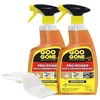
Goo Gone Pro-Power Spray Gel Adhesive Remover – $29.99
The gel formula clings to vertical and textured surfaces instead of running off, which matters for the drips and stubborn residue this guide’s dish-soap step sometimes can’t fully clear.
- Best for: stubborn residue that survives the dish-soap and heat steps
- Why we picked it: surface-safe formula rated for finished wood, no harsh fumes
- Main drawback: pricier than a basic spray remover for occasional use
Compare more sticker residue removal options
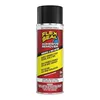 Option 1 Flex Seal Adhesive Remover Spray 12oz – $9.99
|
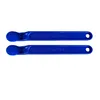 Option 2 Plastic Peeler Scraper Tool (2-Pack) – $6.99
|
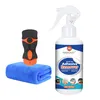 Option 3 Adhesive Remover Spray Kit with Scraper & Towel – $9.99
|
As an Amazon Associate we earn from qualifying purchases.
- Soft microfiber cloth
- Mild dish soap (Dawn or similar)
- Warm water
- Plastic scraper or an old credit card — never a metal blade
- Hairdryer or heat gun on low setting
- Olive oil or a wood-safe adhesive remover for stubborn residue
Step-by-Step: How to Remove Sticker Residue From Wood
- Test a hidden spot: Dab your chosen method on an inconspicuous area first and wait a few minutes to confirm it doesn’t dull or lift the paint.
- Wash with dish soap: Dip a soft cloth in warm water with a few drops of mild dish soap, lay it over the residue for 3–5 minutes, then rub gently in small circles.
- Add heat if needed: If residue remains, hold a hairdryer on medium heat 2–3 inches from the spot and move it back and forth for 30–60 seconds to soften the adhesive.
- Scrape gently: Use a plastic scraper or an old credit card at a low angle to lift the softened residue — never a metal blade or sandpaper.
- Finish stubborn spots: Apply a small amount of olive oil or a wood-safe adhesive remover, let it sit a few minutes, then wipe clean.
- Rinse and dry: Wipe the area with a clean, barely-damp cloth to remove any soap or oil residue, then dry immediately so moisture doesn’t sit on the paint.
Identifying Sticker Residue
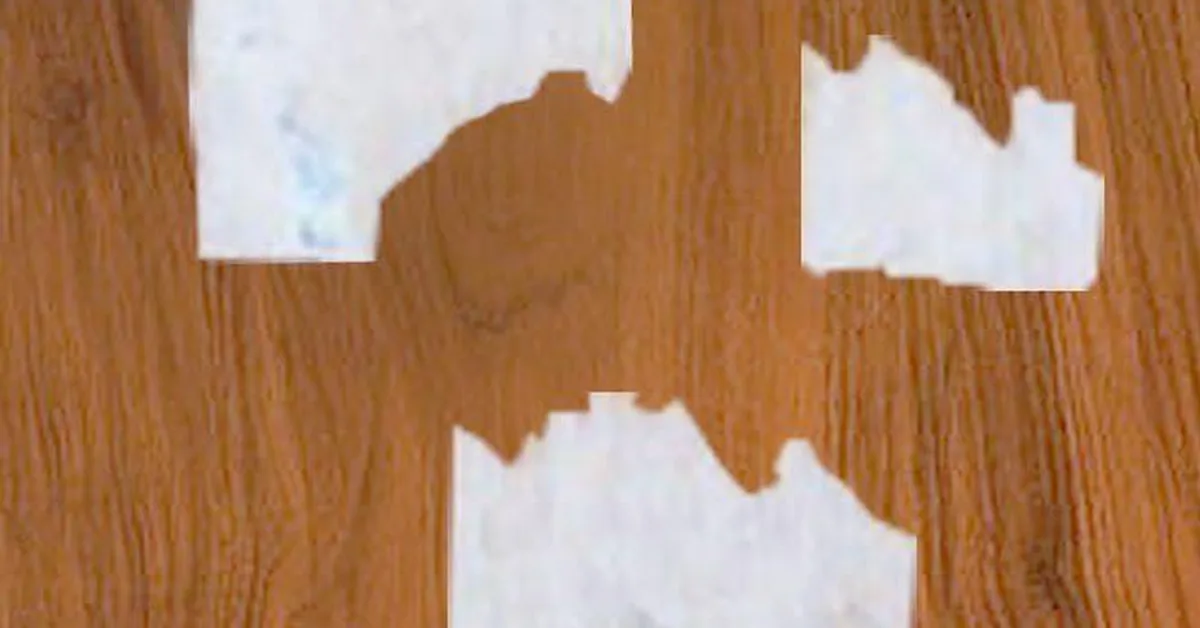
Sticker residue on wood usually looks like a cloudy, slightly shiny patch and feels tacky to the touch, even after the sticker itself is gone. Older stickers and cheap price-tag labels tend to leave more residue than newer, removable-label stickers, since their adhesive breaks down and spreads as it ages. Run a clean, dry finger over the area — if it drags or feels sticky, that confirms residue rather than just a dust mark.
Best Natural Remedies for Sticker Residue
Warm water with a few drops of Dawn dish soap is the gentlest option and the one most cleaning guides recommend first for painted or sealed wood — the surfactants break down the adhesive without touching the finish underneath.
Is Dawn Dish Soap Safe for Painted Wood?
Yes. Dawn dish soap diluted in warm water is safe on finished and painted wood because it’s a mild surfactant, not a solvent — it lifts the adhesive without dissolving paint or clear coat. Wring the cloth out well so you’re not soaking the wood, and dry the spot immediately after wiping.
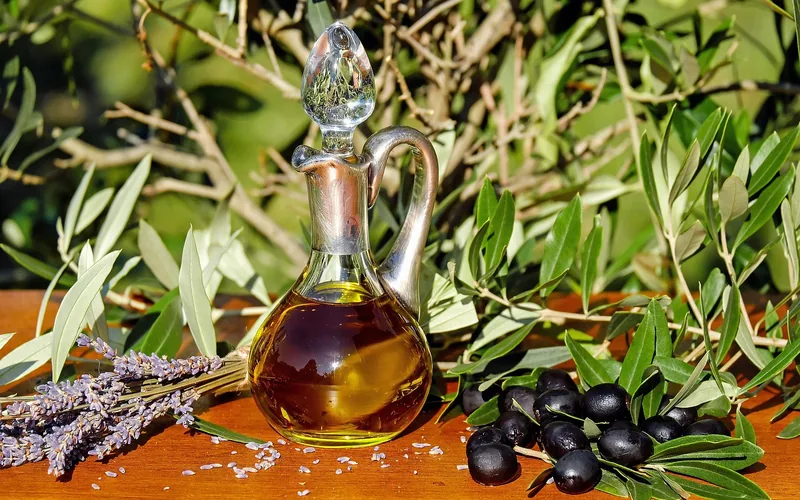
If soap alone isn’t enough, olive oil, baby oil, or a mixture of vinegar and baking soda are the next safest options. Rub a small amount of olive oil into the residue, let it sit for a few minutes to soften the adhesive, then wipe clean with a soft cloth. A vinegar-and-baking-soda paste works the same way for tougher spots: apply, wait five minutes, then rub gently and wipe away with a damp cloth.
Lemon juice can also help break down light residue thanks to its mild acidity, but test it first — citric acid is stronger than dish soap and can dull some finishes with repeated use. For antique or unfinished wood, skip acids entirely and stick with the dish soap or oil methods.
Commercial Adhesive Removers
When natural methods don’t fully clear stubborn residue, a commercial adhesive remover like Goo Gone or Flex Seal Adhesive Remover Spray is the next step. These are formulated to break down adhesive fast without the scrubbing that natural methods sometimes need.
📊 Goo Gone’s Original Adhesive Remover is manufacturer-rated safe for finished wood, painted surfaces, glass, metal, and plastic — but not for unfinished or raw wood. Source: Goo Gone, product page
To use a commercial remover safely: apply a small amount directly to the residue, let it sit 1–2 minutes, then wipe with a clean cloth and finish by washing the spot with mild soap and water to remove any oily residue left behind. Always test on a hidden area first, and never use it on unfinished or unsealed wood, since the solvent can soak in and stain the bare grain.
Methods to Compare at a Glance
| Method | Wood-Safe? | Best For |
|---|---|---|
| Dish soap + warm water | Yes, all finishes | First attempt, any residue |
| Hairdryer / heat | Yes, except lacquer | Softening before scraping |
| Olive oil / baby oil | Yes, finished wood only | Stubborn residue, gentle option |
| Goo Gone / commercial remover | Yes, finished wood only | Heavy or aged residue |
| Acetone / paint thinner | No — avoid | Not recommended on painted wood |
| Sandpaper / steel wool | No — avoid | Not recommended on painted wood |
Methods to Avoid on Painted Wood
Sandpaper and steel wool are the most common mistake people make removing sticker residue — both are abrasive enough to scratch through paint or clear coat, even with a light touch and fine grit. If scraping is genuinely necessary, use a plastic scraper or an old plastic gift card to remove a sticker at a low angle, and stop the moment you feel any resistance against the finish.
Acetone and paint thinner are also worth skipping here. They’re effective solvents, but they’re strong enough to soften or strip the paint itself, not just the adhesive — the same reason acetone can damage a wood finish in general. Save these harsh solvents for bare, unpainted wood only, and even then, test first.
Preventing Future Sticker Residue
Choose stickers and price tags labeled “removable” whenever you have the choice — their adhesive is engineered to release cleanly instead of curing hard over time. If you’re labeling furniture yourself, test a small piece of the sticker on a hidden spot first to confirm it won’t leave a mark.
Regular dusting and an occasional coat of furniture polish also make future removal easier, since a clean, sealed surface gives adhesive less to grip. For a full maintenance routine — cleaning, sealing, and catching problems like water rings or scratches early — see our wood care and maintenance guide.
Frequently Asked Questions
How Do You Remove Sticker Residue Safely From Wood?
Start with warm water and a few drops of mild dish soap on a soft cloth, rubbing gently for a few minutes. If residue remains, warm it with a hairdryer for 30–60 seconds, then lift it with a plastic scraper. Avoid harsh chemicals like acetone and abrasive tools like sandpaper, which can damage the paint.
Can Vinegar Damage Wood Paint?
Vinegar is generally safe on painted wood when diluted with water, since it’s a mild acid rather than a paint-stripping solvent. Still, test a small area first and wipe the surface dry afterward — leaving diluted vinegar to sit too long can dull some finishes.
Is Goo Gone Safe on Painted Wood?
Yes, Goo Gone is rated safe for finished and painted wood, but not for unfinished or raw wood, which can absorb the solvent and stain. Apply sparingly, let it sit briefly, then wipe clean and wash the spot with soap and water afterward to remove any oily residue.
Does WD-40 Damage Wood Finish?
WD-40 won’t damage a sealed, painted finish unless you use it too aggressively or leave it sitting for hours. On unfinished or delicate wood, though, its oil can penetrate and stain the surface, so it’s better reserved for finished pieces and wiped off promptly with soapy water.
What Natural Methods Work For Sticky Residue?
Dish soap and warm water work first for most residue. Olive oil, baby oil, and a vinegar-and-baking-soda paste are effective backups that soften adhesive without harming the paint. Let any of these sit for a few minutes before wiping so the oil or acid has time to break the bond down.
Is Heat Effective For Removing Sticker Residue?
Yes, heat is effective for softening adhesive so it peels away instead of smearing. Hold a hairdryer 2–3 inches from the spot on medium heat for 30–60 seconds, but skip this method on lacquered finishes, since heat can soften and dull lacquer along with the adhesive.
Conclusion
Removing sticker residue from painted wood comes down to starting gentle and working up: dish soap and warm water first, heat and a plastic scraper next, and a wood-safe adhesive remover like Goo Gone for anything left over. Always test an inconspicuous spot first, and skip sandpaper and acetone entirely — both are more likely to damage the paint than the residue itself.
Choosing removable-label stickers and keeping wood surfaces clean and lightly polished makes the next cleanup even easier. With the right order of methods, your furniture stays residue-free and the finish stays intact.
Sponsored / affiliate links. As an Amazon Associate I earn from qualifying purchases. I may earn additional commission from eligible campaigns.