How Do You Make Wood Curved: Crafting Curves Easily
To make wood curved, you can use steam bending or laminating techniques. Both methods allow you to shape wood into elegant curves.
Curving wood enhances its aesthetic appeal and structural integrity, making it a popular choice in furniture and cabinetry. Wood’s natural beauty shines through when it takes on graceful shapes. Craftsmen often use steam bending, a process that softens wood fibers for easier manipulation.
Laminating involves gluing thin layers of wood together, allowing them to bend without breaking. Both methods require skill and precision to achieve desired results. Whether you’re a DIY enthusiast or a professional carpenter, understanding these techniques can elevate your woodworking projects. Mastering the art of curving wood opens up endless design possibilities for your creations.
The Art Of Bending Wood
The art of bending wood has a rich history. Ancient cultures used bending techniques for tools and structures. Egyptians made curved wooden furniture. Indigenous peoples created canoes and bows by bending wood.
Wood bends due to its natural properties. Moisture plays a crucial role in this process. When wood absorbs water, it becomes more flexible. Heat also helps in making wood pliable. Using steam or hot water can soften the fibers.
Different types of wood bend better than others. Hardwoods like oak and maple can be challenging to bend. Softwoods like pine and cedar are easier to manipulate. Choosing the right wood type is essential for successful bending.

Types Of Wood Ideal For Bending
Choosing the right wood is key for bending. Softwoods like pine and fir are great options. They are lighter and more flexible. Softwoods usually bend easily without breaking. Hardwoods, such as oak and maple, are strong but less flexible. They can crack when bent too much.
Grain patterns affect how wood bends. Straight grains bend better than curvy grains. Curvy grains can cause stress and breakage. For best results, select wood with a uniform grain. Always test the wood before starting your project.
Preparing Wood For Bending
To make wood curved, focus on the moisture content first. Wood should be properly hydrated for effective bending. Too dry wood can crack or break. Soak the wood in water for several hours or use steam. This helps to make the wood more flexible.
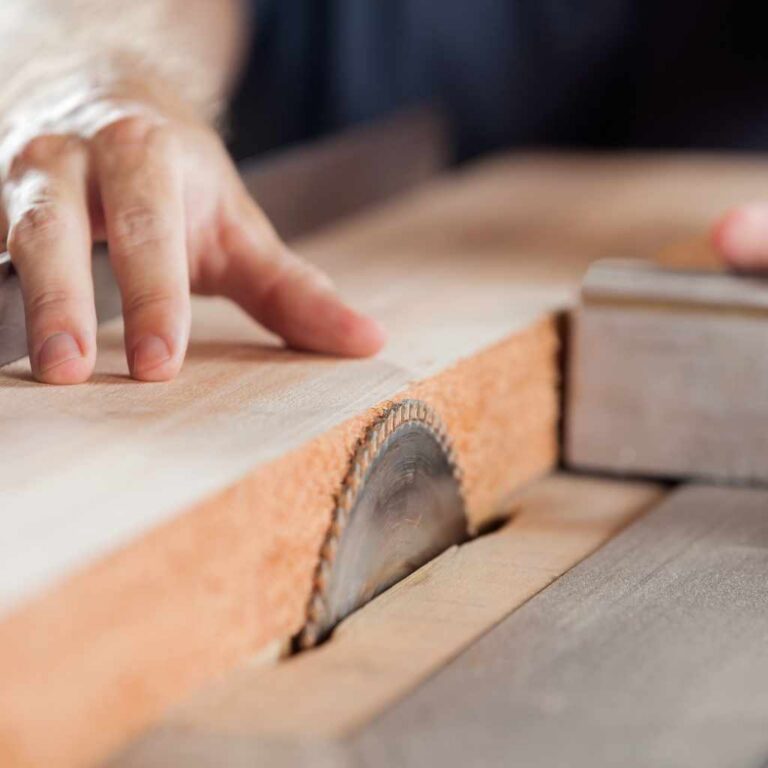
Next, consider your cutting techniques. Use a bandsaw or jigsaw for accurate cuts. Always cut along the grain. This prevents splitting when bending. For tighter curves, make multiple thin cuts. This allows the wood to bend more easily without breaking.
Steam Bending Basics
To set up a steam box, start with a sturdy wooden structure. Use materials like plywood or 2x4s. The box should be airtight to hold steam. Make sure it is big enough for the wood pieces.
Next, create a steam source. A boiler or a large pot with water works well. Connect a hose from the steam source to the box. This allows steam to flow into the box.
Safety measures are important. Always wear gloves and goggles when working with steam. Ensure the area is well-ventilated. Be cautious of hot surfaces and steam burns. Keep a fire extinguisher nearby for emergencies.
Kerf-cutting Technique
Kerf-cutting is a great way to create curved wood pieces. This technique involves making thin cuts along the wood. These cuts allow the wood to bend easily. Proper tools help achieve the best results.
| Tools Needed |
|---|
| Jigsaw |
| Router |
| Clamps |
| Measuring tape |
| Wood glue |
Follow these steps for effective kerf-cutting:
- Measure the desired curve on the wood.
- Mark cutting lines clearly.
- Use a jigsaw to make the cuts.
- Clamp the wood securely while cutting.
- Glue the pieces together if needed.
Laminating For Curves
To create curved wood, laminating is a great method. Start by selecting thin wood layers. These layers bend easily without breaking. Choose the right glue for your project. The glue should be strong and durable.
Water-resistant glue is ideal for outdoor projects. For indoor use, regular wood glue works well. Apply glue evenly on each layer. Then, stack the layers together. Use clamps to hold them tightly.
Leave the wood clamped for several hours. This helps the glue set properly. Once cured, remove the clamps. The wood should now have a nice curve. Always check the curvature before final use.
Cold Bending Method
To start with the cold bending method, gather the right materials. You will need:
- Wood (preferably softwood)
- Water or a steam source
- Clamps for holding the wood
- Protective gloves for safety
- Measuring tape for precision
Once you have the materials, soak the wood in water. This step helps the wood to become more flexible. After soaking, shape the wood slowly. Use clamps to hold the wood in the desired curve. Allow it to dry completely. This method is simple and effective.
Finishing Curved Wood Pieces
To achieve smooth surfaces on curved wood pieces, start with coarse sandpaper. Use it to remove rough spots. Gradually move to finer sandpaper for a polished finish.
Always sand in the direction of the wood grain. This prevents scratches and damage. Pay attention to edges and corners, as they often need extra care.
For applying finishes, choose oil-based or water-based products. Oil finishes enhance the wood’s natural beauty. Water-based finishes dry quickly and are easy to clean.
Apply the finish using a brush or cloth. Work in thin layers for the best results. Allow each layer to dry completely before adding more.
Common Challenges And Solutions
Wood bending can cause cracks and splits. To avoid these issues, use proper moisture levels. Keep the wood hydrated but not soaked. This helps in maintaining flexibility.
Using a slow heating method can also help. Heat the wood slowly to prevent sudden changes in temperature. This method reduces stress and minimizes cracks.
Dealing with springback is essential. Springback occurs when wood returns to its original shape. Use weights or clamps to hold the wood in position while it cools. This technique helps maintain the desired curve.
Consider using steam bending for better results. Steam makes wood more pliable. After bending, let the wood cool in the desired shape.
Inspiring Projects With Curved Wood
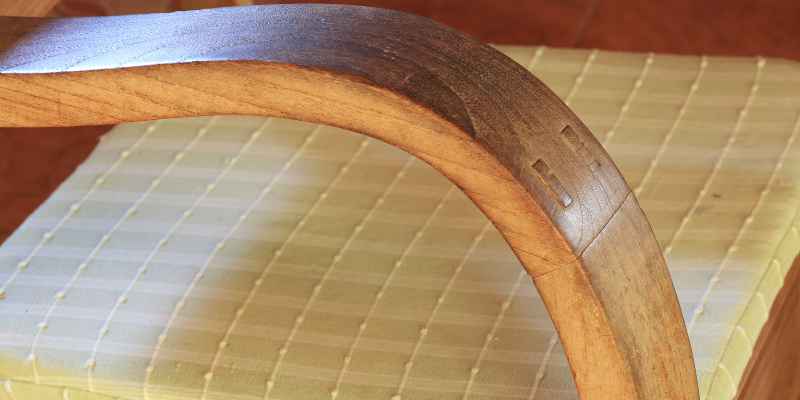
Curved wood can create stunning furniture designs. Think of elegant chairs or tables with smooth lines. These pieces often stand out in any room. Using curved wood adds a touch of style and uniqueness.
For architectural elements, curved wood brings warmth and beauty. Arches and beams made from curved wood can transform spaces. They add character and charm to homes and buildings. Curved wooden ceilings can create an inviting atmosphere.
Experiment with different wood types for unique effects. Each wood has its own color and grain pattern. This can enhance the overall design. Embrace your creativity and explore various projects with curved wood!
Frequently Asked Questions
How Can I Bend Wood Easily?
Bending wood can be done using steam, heat, or moisture. Steam bending involves soaking the wood in steam for flexibility. Alternatively, using a heat gun can soften the wood fibers. For gentle curves, soaking the wood in water overnight can help.
Always use proper safety precautions when handling heat or steam.
What Tools Do I Need To Curve Wood?
Essential tools for curving wood include a steam box, clamps, and a heat gun. A jigsaw or bandsaw can help cut your wood to shape. Sanding tools are also necessary for smoothing the edges after bending. Choosing the right tools ensures a successful wood-curving project.
Is It Safe To Bend Wood At Home?
Yes, bending wood at home can be safe if done correctly. Always follow safety guidelines when using tools or steam. Wear protective gear like gloves and goggles. Working in a well-ventilated area is also important. Proper precautions minimize risks and ensure a smooth bending process.
What Types Of Wood Are Best For Bending?
Certain woods bend better than others. Popular choices include oak, ash, and maple due to their flexibility. Softwoods like pine can also work but may not hold curves as well. Experimenting with different types can help you find the best wood for your project.
Conclusion
Curving wood opens up endless possibilities for creative projects. Mastering techniques like steam bending or laminating can enhance your woodworking skills. With practice, patience, and the right tools, anyone can achieve beautiful, curved designs. Embrace the challenge and let your imagination guide you in transforming flat wood into stunning, functional art.