Do Wood Cutting Boards Harbor Bacteria? Myths Debunked!
Wood cutting boards do not harbor more bacteria than plastic — research from UC Davis found the opposite. Knife grooves in wood pull bacteria below the surface via capillary action, where they are trapped and die off, while bacteria on plastic boards stay on the surface and can survive even after washing.
In addition to being a staple in many kitchens, wooden cutting boards have been a topic of discussion regarding their sanitary properties. Let’s explore the potential for bacterial growth on wood cutting boards and how to ensure they remain safe for food preparation.
Understanding the factors that contribute to bacterial buildup and the best practices for cleaning and maintaining wooden cutting boards is essential for promoting a healthy and hygienic kitchen environment.
Introduction To Wood Cutting Boards And Bacteria
Wood cutting boards are not the bacteria risk they’re commonly assumed to be — their cuts and grooves actually work in their favor by drawing bacteria beneath the surface, where wood’s natural moisture-wicking traps and kills them. Bamboo boards are even less porous and more resistant to bacteria than other woods. Regular cleaning and maintenance keep any wood board sanitary in the kitchen.
The Common Belief About Wood And Bacteria
For a long time, there has been a common belief that wood cutting boards are more likely to harbor dangerous levels of bacteria compared to other materials, such as plastic. This belief has led many to question the safety of using wood cutting boards in their kitchens.
The Science Behind Wood’s Antibacterial Properties
Contrary to the common belief, recent research has shown that wood possesses natural antibacterial properties. The porous nature of wood allows it to absorb moisture, which in turn deprives bacteria of the necessary environment to thrive. Additionally, certain compounds found in wood, such as tannins and phenols, have been found to exhibit antimicrobial properties, further inhibiting the growth of bacteria on the surface of wood cutting boards.
Comparing Wood And Plastic Cutting Boards
When comparing wood and plastic cutting boards, it’s essential to consider the differences in material properties.
Differences In Material Properties
Wood cutting boards have a natural antimicrobial property, making them resistant to bacteria.
Plastic cutting boards, on the other hand, are non-porous and easier to clean, but can harbor bacteria in knife grooves.
How Each Type Of Board Harbors Bacteria
Wood cutting boards, with their natural antimicrobial properties, can resist bacteria growth on the surface.
Plastic cutting boards, with their knife grooves, may harbor bacteria that can be harder to clean thoroughly.
The Science Of Wood’s Natural Antibacterial Effect
Wood cutting boards have a natural antibacterial effect, making them safe when properly cleaned. Recent research debunks the myth that wood harbors dangerous bacteria levels, showing that wood boards are sanitary with regular maintenance. Bamboo boards, being less porous, are also resistant to bacteria.
Research Findings On Wood’s Bactericidal Abilities
Studies have shown that wood has natural antibacterial properties that can prevent the growth and spread of harmful bacteria. According to research, wooden cutting boards are less likely to harbor bacteria than plastic cutting boards. In fact, the porous nature of wood allows bacteria to penetrate deep into the surface, where it becomes trapped and unable to multiply. Additionally, some woods such as bamboo, have been found to be even more resistant to bacteria due to their hardness and low moisture absorption.
Understanding Wood’s Self-sanitizing Qualities
Wood contains natural antimicrobial agents that are capable of killing bacteria on contact. These agents include tannins, which are found in high concentrations in hardwoods like oak and maple, and phenols, which are found in softwoods like pine and spruce. These compounds work by disrupting the cell membranes of bacteria, preventing them from functioning properly and ultimately killing them. Furthermore, wood has the ability to absorb moisture, which can help to dry out any bacteria that may be present on the surface.
Proper Maintenance Of Wooden Cutting Boards
To ensure that your wooden cutting board remains sanitary, it’s important to properly clean and maintain it. Here are some tips to keep in mind:
- Wash your cutting board with hot, soapy water after each use.
- Never soak your cutting board in water, as this can cause it to warp and crack.
- Sanitize your cutting board regularly using a solution of one part vinegar to four parts water.
- Apply a food-grade mineral oil to the surface of your cutting board to help prevent it from drying out.
- Replace your cutting board if it becomes excessively worn or develops deep grooves or cracks.
In conclusion, wooden cutting boards are not more prone to bacteria than plastic — if anything, research points the other way. The natural antibacterial, capillary-trapping properties of wood make it a great choice for kitchen utensils and surfaces, as long as you take the necessary precautions to keep it clean and dry.
Myths Surrounding Wood Cutting Boards
Wood cutting boards have been unfairly accused of harboring bacteria, but when properly cleaned and maintained, they are safe to use. Unlike plastic cutting boards, wooden ones are more resistant to bacteria due to their hard and less porous nature.
With regular cleaning and oiling, wood cutting boards can be a sanitary choice for your kitchen.
Debunking Common Misconceptions
Wood cutting boards have long been a staple in kitchens, known for their durability and natural beauty. However, there are several myths surrounding wood cutting boards and their potential to harbor bacteria. Let’s explore some of these common misconceptions and separate fact from fiction.
The Truth About Wood’s Porosity And Bacteria
One prevailing myth is that wood cutting boards are more prone to bacterial growth than their plastic counterparts. The belief stems from the idea that the cuts, cracks, or grooves in the wood provide a breeding ground for bacteria. However, recent research has debunked this misconception.
Wood is naturally antimicrobial, meaning it has properties that inhibit the growth of bacteria. Studies have shown that certain types of wood, such as bamboo, are even more resistant to bacteria due to their hardness and low porosity. While wood cutting boards may have small crevices, proper cleaning and maintenance can effectively prevent bacterial contamination.
To ensure the cleanliness of your wood cutting board, follow these simple steps:
- Wash the board with hot, soapy water after each use.
- Rinse thoroughly to remove any remaining residue.
- Dry the board completely before storing it.
- Periodically sanitize the board by wiping it with a solution of white vinegar or hydrogen peroxide.
- If there are stains or odors, sprinkle kosher salt or baking soda onto the board and rub with the cut side of a lemon to clean and deodorize.
- Apply a food-grade mineral oil to the board regularly to maintain its moisture and prevent drying or cracking.
By following these steps, you can ensure that your wood cutting board remains clean and safe for use. Remember that proper hygiene practices and regular maintenance are key to keeping any cutting board, whether wood or plastic, free from bacteria.
So, the next time you hear someone say that wood cutting boards harbor bacteria, you can confidently debunk this myth and enjoy the benefits of using a natural and sustainable option in your kitchen.
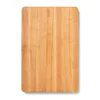
Edge-grain maple butcher block, the wood species research shows works with you, not against you.
- Best for: home cooks who want the natural bacteria-trapping benefit this article covers
- Why we picked it: reversible edge-grain maple, made in the USA, a trusted classic in commercial kitchens
- Main drawback: heavier than plastic and needs periodic oiling to stay in top shape


As an Amazon Associate, we earn from qualifying purchases.
Proper Care And Maintenance Of Wood Cutting Boards
Wood cutting boards are not only aesthetically pleasing but also provide a durable and reliable surface for food preparation. However, due to their porous nature, wood cutting boards require proper care and maintenance to prevent the harboring of bacteria. In this section, we will explore effective cleaning techniques and the importance of seasoning and preserving your wood cutting board.
Cleaning Techniques That Work
When it comes to cleaning wood cutting boards, it’s essential to use techniques that effectively eliminate bacteria while preserving the integrity of the wood. Here are some recommended cleaning methods:
- Hand washing: To ensure thorough cleaning, wash your wood cutting board by hand using hot water and dish soap. Scrub the surface with a gentle brush or sponge to remove any food particles and stains.
- Vinegar solution: For a natural disinfectant, create a solution of equal parts white vinegar and water. Wipe down the cutting board with this solution, let it sit for a few minutes, and then rinse thoroughly.
- Baking soda paste: Stubborn stains and odors can be treated by making a paste with baking soda and water. Apply the paste to the cutting board, scrub gently, and rinse well.
Remember to dry your wood cutting board completely after cleaning to prevent moisture retention, which can lead to mold and bacterial growth.
Seasoning And Preserving Your Wood Cutting Board
Properly seasoning and preserving your wood cutting board not only enhances its appearance but also helps protect against bacteria. Follow these steps to maintain the quality of your cutting board:
- Apply food-grade mineral oil: Regularly applying a thin layer of food-grade mineral oil helps seal the wood, preventing it from absorbing moisture and bacteria. Use a clean cloth to apply the oil in the direction of the wood grain, allowing it to penetrate the surface. Let it sit overnight, and then wipe off any excess oil.
- Avoid harsh chemicals: When cleaning your wood cutting board, refrain from using harsh chemicals or bleach, as they can damage the wood and compromise its natural properties.
- Resurface when necessary: Over time, your wood cutting board may develop deep grooves or scratches that can harbor bacteria. To restore its smooth surface, sand the board lightly with fine-grit sandpaper, following the direction of the wood grain.
By following these care and maintenance practices, you can ensure that your wood cutting board remains sanitary and free from harmful bacteria. Remember, a well-maintained cutting board not only promotes food safety but also prolongs the lifespan of this kitchen essential.
The Role Of Scratches And Knife Marks
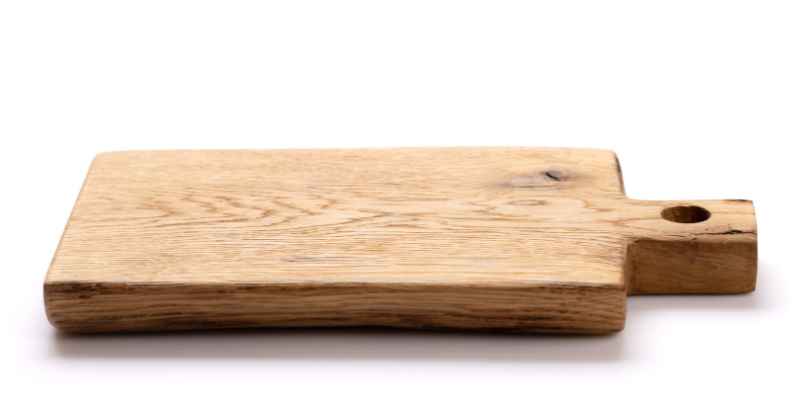
It’s easy to assume that knife scratches and grooves in a wood cutting board would be a bacteria hazard — but the 1993-1994 UC Davis study led by Dean Cliver found the opposite. When bacteria were applied to both new and heavily-scarred wood boards, they became undetectable on the wood’s surface within minutes, even without washing. Understanding why cuts actually help, rather than hurt, is key to knowing why wood stays sanitary.
How Cuts Actually Help, Not Hurt
Cuts and grooves in wooden cutting boards let capillary action pull bacteria down and away from the cutting surface, into wood fibers that gradually dry out and kill them off. The bacteria don’t multiply inside the wood — they die there. This is the opposite of what happens on plastic: plastic’s shallow knife grooves keep bacteria sitting right at the surface, closer to whatever you’re about to cut next.
Keeping Grooves Clean Anyway
Even though wood’s grooves aren’t the bacteria trap they’re often assumed to be, thorough cleaning is still good practice and required for any board that’s held raw meat, poultry, or fish. Regularly scrubbing the surface with hot soapy water and a brush removes food particles and residue. Applying a food-safe sanitizer or a mixture of vinegar and water afterward provides extra peace of mind, especially after cutting raw proteins.
Choosing The Right Cutting Board For Your Kitchen
When it comes to choosing the right cutting board for your kitchen, it’s essential to consider various factors to ensure food safety and cleanliness.
Factors To Consider
- Material type: wood, plastic, bamboo
- Porosity and knife resistance
- Maintenance and cleaning requirements
- Hygiene and bacterial growth potential
Why Wood Might Be The Best Choice
Wood cutting boards offer a blend of aesthetics and functionality that make them a popular choice among home cooks and professional chefs alike.
Wood is naturally antimicrobial, which means it has the ability to inhibit the growth of bacteria on its surface.
Moreover, wooden cutting boards are gentle on knife blades, reducing wear and tear compared to harder surfaces like glass or stone.
Conclusion: The Verdict On Wood Cutting Boards
Wood cutting boards have been a subject of debate when it comes to harboring bacteria. While wooden boards may have cuts, cracks, or grooves that can potentially harbor bacteria, they can still be safe to use when properly cleaned and maintained.
It is important to clean them thoroughly with hot water and dish soap, and sanitize if desired. Bamboo cutting boards, on the other hand, are less porous and more resistant to bacteria.
Summarizing The Evidence
Despite the common assumption, wood cutting boards are not more prone to bacteria because of cuts, cracks, or grooves — research shows the opposite, since wood’s capillary action traps and kills bacteria below the surface.
- Plastic cutting boards are easy to clean in the dishwasher or by hand, but bacteria can survive at the surface of knife grooves.
- Bamboo cutting boards are less porous still and highly resistant to bacteria.
- Wood cutting boards trap and kill surface bacteria naturally, and stay sanitary with regular cleaning.
Final Thoughts On Wood Cutting Boards And Bacteria
While wood may be harder to sanitize, its natural antimicrobial properties make it a safe choice for cutting boards. Proper cleaning and maintenance are key to preventing bacterial growth.
Frequently Asked Questions
Are Wooden Cutting Boards Sanitary?
Wooden cutting boards are safe to use, and research shows they are actually less prone to harboring bacteria than plastic, even when the wood has cuts, cracks, or grooves — these imperfections trap and help kill bacteria rather than sheltering it. Wash them by hand using hot water and dish soap.
It is also recommended to sanitize them if desired. Bamboo cutting boards, in particular, are less porous and more resistant to bacteria than other woods.
What Is The Best Cutting Board To Avoid Bacteria?
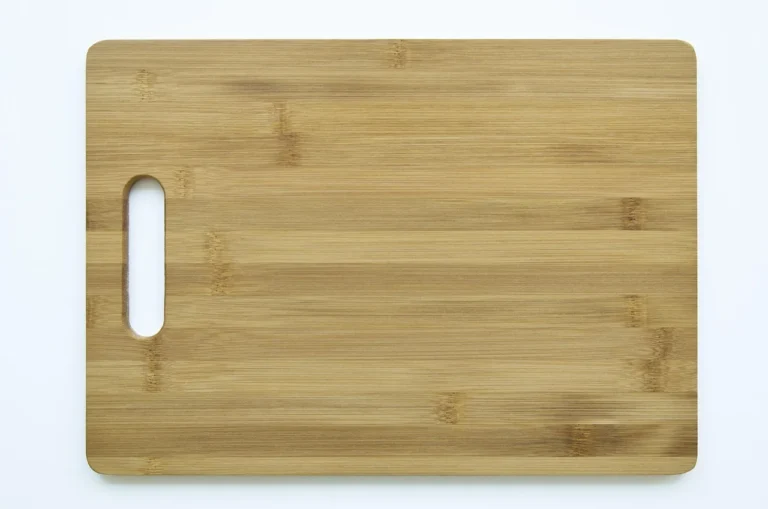
Bamboo cutting boards are the best option to avoid bacteria as they are harder and less porous than hardwoods. They absorb very little moisture and resist scarring from knives, making them more resistant to bacteria than other woods. Clean them with hot soapy water and sanitize if desired.
Rub with mineral oil to help retain moisture. Properly cleaned and maintained wooden cutting boards are also safe to use.
Does Wood Harbour Bacteria?
Wood is naturally anti-bacterial and safe when cleaned properly. Its cuts and grooves are not the bacteria risk they’re assumed to be — capillary action pulls bacteria below the surface, where they die off rather than multiply.
How Can I Sanitize A Wooden Cutting Board?
To sanitize a wooden cutting board, wipe it with white vinegar or hydrogen peroxide, then sprinkle with salt or baking soda. Rub with a lemon and let sit. Regularly oil the board to maintain cleanliness.
Conclusion
To answer the question of whether wood cutting boards harbor bacteria, the answer is yes, but with proper cleaning and maintenance, they can be just as safe as plastic cutting boards. It’s important to clean wood cutting boards with hot water and soap after each use and to sanitize them regularly with vinegar or hydrogen peroxide.
While plastic cutting boards are easier to clean, bamboo cutting boards are also a good option as they are harder and less porous than hardwoods. So, it ultimately comes down to personal preference and proper cleaning habits to ensure a safe and sanitary cutting board.
Sponsored / affiliate links. As an Amazon Associate I earn from qualifying purchases. I may earn additional commission from eligible campaigns.