Is Elmer’s Glue Acid-Free? pH Data for Wood & School Glue
Elmer’s glue is acid-free only when the product says so. Elmer’s Carpenter’s Wood Glue lists a pH of 4.1 to 4.4 on its safety data sheet, and Elmer’s School Glue lists 4.5 to 5.5, so both are mildly acidic. This guide covers the pH numbers, what acid-free really means, and which glue to use when a wood project includes paper or photos.
Is Elmer’s Wood Glue Acid-Free? What the Safety Data Sheet Says
Best Elmer’s Wood Glue Pick
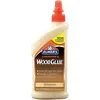 |
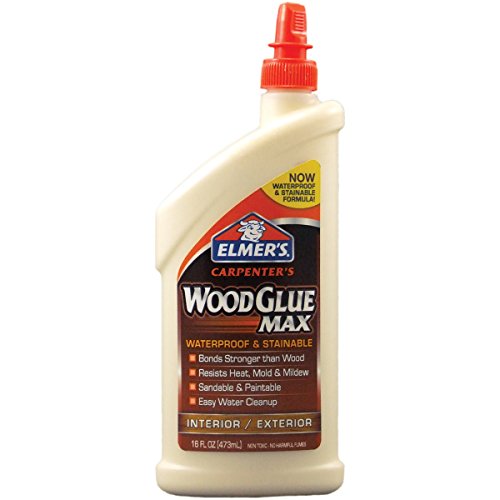
Elmer’s E7010 Carpenter’s Wood Glue, Interior, 8 Ounces The interior-grade Carpenter’s Wood Glue whose safety data sheet lists pH 4.1 to 4.4. A dependable wood-to-wood PVA, but not an archival adhesive.
|
As an Amazon Associate we earn from qualifying purchases.
No. Elmer’s Carpenter’s Wood Glue is not acid-free. The manufacturer’s safety data sheet for the interior formula lists a pH of 4.1 to 4.4. On the pH scale, 7 is neutral and anything below 7 is acidic, so that puts this glue in roughly the same range as tomato juice. That is normal for a PVA (polyvinyl acetate) wood glue, and it does not hurt a wood-to-wood joint. It only matters when the glue touches paper, photos, fabric, or anything else you want to last for decades.
The same holds for the liquid glue most people think of first. Elmer’s School Glue lists a pH of 4.5 to 5.5 and Elmer’s Clear School Glue lists 4.5 on their safety data sheets. All three are the same basic chemistry: polyvinyl acetate particles suspended in water, which you can read about in our breakdown of how Elmer’s glue is made.
Elmer’s Glue pH by Product
Here is what the published numbers say, side by side. The pH values come from Elmer’s own safety data sheets (SDS). The glue stick and Craft Bond rows are label claims only, because no published pH turned up for them.
| Elmer’s product | Published pH | Acid-free? | Best use |
|---|---|---|---|
| Carpenter’s Wood Glue (interior) | 4.1 to 4.4 (SDS) | No, mildly acidic | Wood-to-wood joints |
| School Glue (white liquid) | 4.5 to 5.5 (SDS) | No, mildly acidic | Kids’ crafts, short-term paper projects |
| Clear School Glue | 4.5 (SDS) | No, mildly acidic | Slime, temporary crafts |
| Glue sticks marketed as acid-free | Not published | Yes, by label claim | Paper, photos, scrapbooks |
| Craft Bond line | Not published | Yes, by label claim | Paper crafts, card making |
Read the last two rows carefully. “Acid-free” on a label is the manufacturer’s claim, and you have to look for that exact wording on the specific product in your hand. It is not a property of the Elmer’s brand as a whole. Many pages, including an earlier version of this one, repeat that Elmer’s glue has a neutral pH of 7. The safety data sheets for the liquid glues say otherwise.
What Does Acid-Free Actually Mean?
Acid-free, in the archival sense, means a material has a neutral or slightly alkaline pH, at or above 7, so it will not push acid into whatever it is touching. Acid is what turns old newsprint yellow and brittle. A glue line holding a photo or paper sheet is in permanent contact with it, so an acidic adhesive can slowly discolor the paper around the bond.
Preservation guidance from the University of Illinois (PSAP) makes the distinction clearly. Polyvinyl acetate comes in two kinds: acidic versions such as woodworking glue, Elmer’s glue, and school glue, and acid-free archival PVA sold to conservators. The archival kind is pH neutral, does not off-gas once dry, and is believed to stay stable over time. The same source also warns that PVA is not easily reversible and is sensitive to moisture and humidity, which is worth knowing before you glue something you may want to take apart later.
When Acidity Matters in a Woodworking Project
Most shop work never touches paper, so most of the time you can ignore this. The exceptions are the projects where wood and paper meet.
- Keepsake and memory boxes: gluing a paper liner or a mounted photo inside a box.
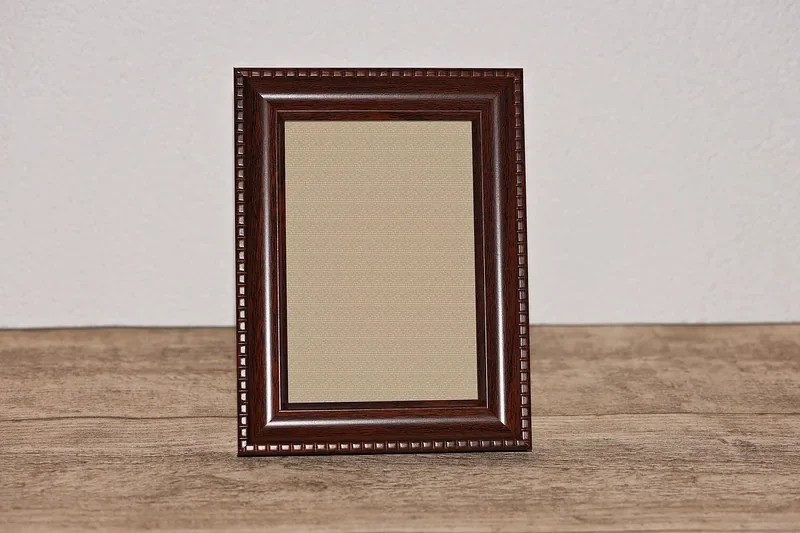
- Picture frames and shadow boxes: mounting backing paper, mats, or a print to the frame.
- Book-form boxes and portfolios: covering wood or board with decorative paper.
- Heirloom documents: family recipes, certificates, and old photos that will sit in a wooden case for decades.
In those cases, use an adhesive that is labeled acid-free or a conservation-grade PVA for the paper side of the job, and keep the regular wood glue for wood-to-wood joints. One more point: raw wood also releases small amounts of organic acids, mainly acetic acid, which is why museums line and seal wooden cabinets that hold paper and textiles. If you are building a container for something irreplaceable, sealing the interior and using acid-free liner paper matters more than which glue holds the liner down.
Which Glue for Which Job
| Job | Use this | Why |
|---|---|---|
| Gluing frame corners or box joints | Carpenter’s-type PVA wood glue | Made for wood fibers, sands and paints after drying |
| Mounting a photo or print in a frame | Glue stick or paper glue labeled acid-free and photo-safe | Label claim covers paper contact |
| Lining a keepsake box with paper | Acid-free glue stick or conservation-grade PVA | Long-term contact with the liner paper |
| Heirloom or archival paper | Conservation-grade PVA or archival tape | Reversibility and neutral pH matter most here |
| Kids’ crafts and temporary projects | Elmer’s School Glue | Washable and non-toxic per the maker; longevity is not the goal |
If your project is mostly wood, our Elmer’s wood glue review for furniture projects covers strength and use, and wood glue essentials compares the main glue types and cure times. Wondering about a bottle that has been sitting around? See whether Elmer’s glue expires.
How to Check a Glue’s pH at Home
The safest source is the safety data sheet, which the manufacturer publishes for each product. If you cannot find one, a roll of pH test strips from a pool or aquarium supplier gives a rough answer. The reading is an estimate rather than lab data, so treat it as a screening step.
- Stir one pea-sized drop of glue into a tablespoon of distilled water in a clean cup.
- Dip a pH strip for about a second and pull it out.
- Compare the color to the chart on the container within the time it specifies.
- Read below 7 as acidic, around 7 as neutral, and above 7 as alkaline, and expect the reading to be approximate.
- Dip a strip in plain distilled water as a control so you know your baseline.
A reading below 7 does not mean a glue is bad. It means it is a better fit for wood than for paper you want to keep.
Frequently Asked Questions
Is Elmer’s glue acid-free?
Only some Elmer’s products are. Glue sticks and Craft Bond products are marketed as acid-free. The liquid formulas are mildly acidic: Elmer’s School Glue lists a pH of 4.5 to 5.5 and Carpenter’s Wood Glue lists 4.1 to 4.4 on their safety data sheets. Check the label of the exact product you buy.
Is Elmer’s Carpenter’s Wood Glue acid-free?
No. The safety data sheet for the interior formula lists a pH of 4.1 to 4.4, which is acidic. It works well for wood joints, but it is not intended for photos, documents, or archival paper.
Is Elmer’s school glue safe for photos?
Elmer’s School Glue is not labeled acid-free and lists a pH of 4.5 to 5.5. It is fine for short-term crafts, but for photos you want to keep, choose a glue labeled acid-free and photo-safe, or a conservation-grade PVA.
Can you use wood glue on paper?
You can, but it is not ideal. Wood glue is acidic and dries into a stiff film that is hard to reverse, so it can discolor paper over time. Use it on wood and choose an acid-free adhesive for the paper.
How can you tell if a glue is acid-free?
Look for the words acid-free, photo-safe, pH neutral, or archival on the label, or read the pH on the manufacturer’s safety data sheet. A pH of 7 or higher is neutral to alkaline. Below 7 is acidic.
The Bottom Line
Elmer’s Carpenter’s Wood Glue and School Glue are mildly acidic on paper, which is perfectly fine for wood joints and classroom crafts. When a project puts glue in long-term contact with photos or paper, pick a product that is specifically labeled acid-free, and if wood is the only material, keep using a good wood glue. If discoloring glue lines on the wood itself is your worry, see why wood glue turns yellow over time.
Sponsored / affiliate links. As an Amazon Associate I earn from qualifying purchases. I may earn additional commission from eligible campaigns.