How to Glue a Pocket Hole Joint: Do You Need It Now?
Use glue on pocket-hole joints when the joint is permanent, carries load, or will stay exposed; skip it only for knockdowns or parts you may want to remove later. Use the wrong glue, or skip clamp time, and the joint can squeak, creep, or fail where the screw meets the wood. This guide shows when glue helps, when it is optional, and how to apply it cleanly.
What a pocket hole joint is really doing
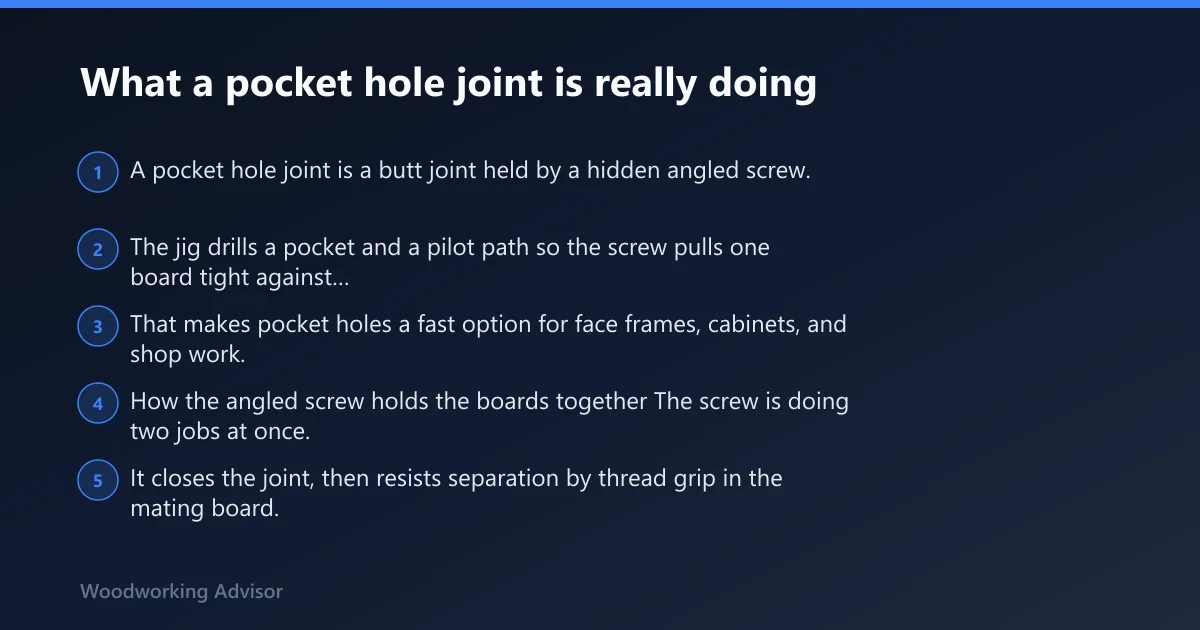


A pocket hole joint is a butt joint held by a hidden angled screw. The jig drills a pocket and a pilot path so the screw pulls one board tight against another from the inside face, where the fastener is hidden. That makes pocket holes a fast option for face frames, cabinets, and shop work.
How the angled screw holds the boards together
The screw is doing two jobs at once. It closes the joint, then resists separation by thread grip in the mating board. In a Kreg pocket hole jig system, the screw angle and pilot depth matter because they control how much wood the screw grabs and how close the head sits to the pocket shoulder.
This is why pocket holes are often better at assembly than at pure joint strength. The screw creates clamping force, but the actual glued face area is still small compared with traditional joinery. A mortise and tenon joint typically offers substantial glue area and a mechanical interlock, so it carries load a bit differently.
Where these joints usually fail first
In plain language, failure usually starts at the screw/wood interface before the joint “runs out” of glue. You may see thread pull-out, head breakout in the pocket, or wood crushing around the pilot path. Under shear load, the boards slide past each other; under racking load, the joint twists open; under tensile pull, the screw is asked to do the hardest work.
Wood species and density change that picture. Softwood lets the threads bite quickly but can crush more easily. Hardwoods often resist crushing better, yet they can be less forgiving if the pilot depth or screw choice is off.
According to Testing pocket holes against mortise and tenon and dowel joints — The retest with glue averaged 111 pounds.
Do you even need glue in a pocket hole joint?
Use glue when the joint is meant to stay together for good, especially if it will carry load or stay visible. Skip glue when you need disassembly, when the part is only temporary, or when the pocket is mainly acting as an assembly aid rather than a long-term structural bond.
When glue adds useful holding power
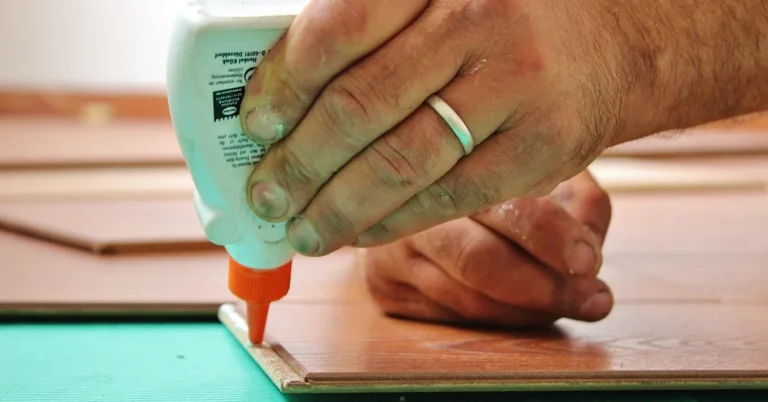
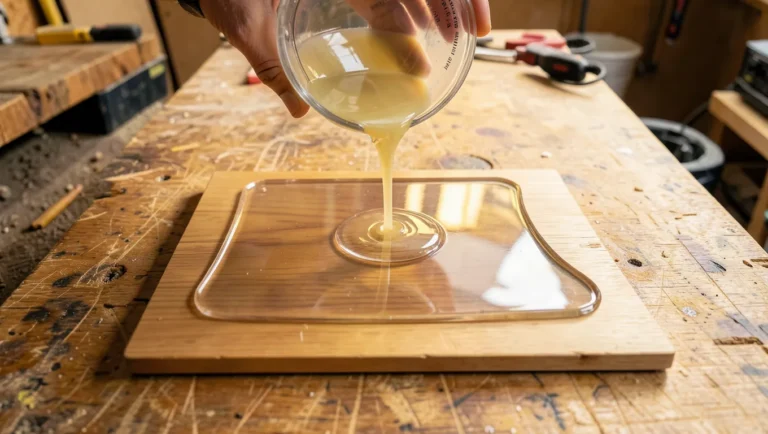
Glue helps most when the boards have clean wood-to-wood contact and enough clamp pressure to close the butt joint. PVA carpenter’s glue is a common choice because it bonds porous wood well. Family Handyman notes that wood glue is the go-to adhesive for woodworkers, and it needs clamps for full holding power. (familyhandyman.com)
That extra bond can cut small movements that turn into squeaks or edge creep. It can also help in joints that see modest shear load, where the screw and the glue share the work instead of asking the screw to carry everything alone.
When glue is optional because the screws do the work
Glue is often optional in quick case assembly, shop fixtures, or parts that mainly need alignment. In those settings, the pocket screw is already pulling the joint closed, and adding glue may not change the failure point much. The main gain is often fit quality, not a dramatic jump in strength.
That fits the test pattern reported by Woodgears: the no-glue pocket-hole test used spruce scraps of consistent density, averaged 99 pounds before failure, and the retest with glue averaged 111 pounds. The glued pocket-hole joint still cracked open before maximum force, which tells you the glue helped some, but did not turn the joint into a different class of connector.
How much stronger is a pocket hole joint with glue?
The short answer is: usually a little stronger, sometimes noticeably better for alignment, but rarely transformed. The strength gain depends more on load direction, wood density, and screw engagement than on glue alone. In the common butt-joint layout, glue has limited surface area to work with.
Why the answer changes with load direction
Under shear load, the screw and the wood fibers around it do most of the resisting. Under racking, the joint can start to open at one edge and pry the screw path apart. Glue helps most when it can stop that small opening from starting, but it cannot create large bonding area where the joint does not already have it.
That is why pocket holes are often compared with mortise and tenon joints only with caution. Woodgears notes the pocket-hole joint without glue was tested in a configuration traditionally done with mortise and tenons, and the mortise and tenon joints averaged 222 pounds with yellow glue in the test. The comparison is useful, but the geometry is still different.
Why wood density and screw engagement matter more than people expect
If the screw does not have enough thread grip in the mating board, glue cannot save the joint. If the head breaks out in the pocket, the glue is again secondary. A pocket hole joint is strongest when the pilot depth is accurate, the screw length matches the board thickness, and the wood is dense enough to hold threads without splitting.
Softwood and hardwood behave differently here. Softwood can give you fast thread bite, but it may crush around the pocket shoulder. Hardwood can hold the threads better, yet it punishes sloppy pilot depth. In both cases, the glue line is usually smaller than people imagine, so board fit and screw choice stay in charge.
What type of glue works best here?
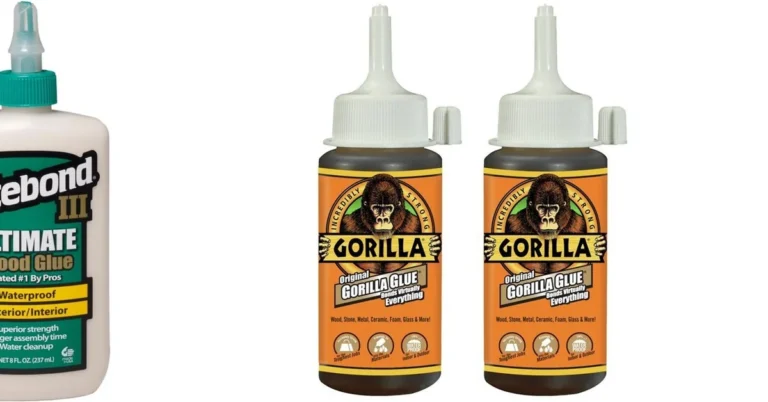
Standard PVA carpenter’s glue is usually the best fit for pocket-hole joinery because it bonds wood to wood and works well on porous faces. It is the practical default for face frames, cabinets, and most indoor shop builds. If the joint includes metal, plastic, or glass, PVA is the wrong adhesive.
Why standard PVA carpenter’s glue is the usual choice
PVA sets by soaking into porous wood fibers and then drying into a solid film. That makes it well suited to the limited glue surface area in a pocket-hole butt joint. It is easy to apply, easy to clean before cure, and predictable if the joint faces are clean and fit well.
Family Handyman notes that PVA wood glue works for wood, paper, and other porous materials, and that it won’t bond metal, glass or plastic. That matters because pocket-hole parts are sometimes paired with screws, brackets, or shop hardware, and glue should be used only on the wood-to-wood part of the joint.
When water resistance matters and when it does not
For outdoor or damp settings, choose a glue formulation rated for moisture exposure rather than assuming all yellow glue behaves the same. Water resistance varies by formulation. For a bench, planter, or exterior fixture, glue choice matters more because moisture cycles can weaken a marginal joint faster than a dry indoor cabinet ever would.
For a dry cabinet carcass, the glue is mostly about assembly quality and long-term creep resistance, not soaking survival. For an outdoor bench, the glue is part of the system, but the screw, finish, and drainage details matter just as much.
What fails first: the screw or the wood?
Usually the screw/wood interface fails before the wood itself “wins.” That means thread pull-out, head breakout in the pocket, or localized crushing are more common than a clean break through the board. The exact failure point depends on screw depth, pilot accuracy, and the density of the mating board.
Thread pull-out versus head breakout in the pocket
Thread pull-out happens when the screw threads lose grip in the far board. Head breakout happens when the screw head tears through the pocket shoulder or the surrounding material. In practice, both can show up before the glue line is fully loaded, especially if the joint is asked to resist racking or tensile pull rather than simple compression.
That is why pocket-hole screws must match the jig and board thickness. A common mistake is driving a screw that is too long for the stock, or setting the jig so the pilot exits too far or too shallow. Either error can leave you with less thread grip or a weaker pocket wall.
How pilot depth and board species change the failure point
Accurate pilot depth gives the screw a better angle into the receiving board and reduces the chance of splitting. In softwood, the threads may bite quickly but can strip sooner if the load rises. In hardwood, the threads can hold better, yet the pocket wall can fail if the screw is overdriven or the exit path is wrong.
For this reason, glue should be treated as a helper, not a rescue plan. If the screw cannot hold because the board is too thin, too soft, or badly drilled, glue will not change the basic mechanics.
Decision table: when to glue, skip glue, or clamp and glue
Use the joint’s job, wood type, and cleanup burden to decide. If the pocket is hidden and the piece will carry load, glue plus clamp time is usually the safer default. If the joint is temporary or the finish will suffer from squeeze-out inside the pocket, skip the glue.
| Scenario | Use glue? | Clamp? | Expected failure mode | Cleanup risk |
|---|---|---|---|---|
| Face frame | Use glue plus clamp | Yes | Head breakout or small racking movement if left dry | Low to moderate; squeeze-out can hide in corners |
| Cabinet carcass | Use glue | Yes, if fit is tight | Thread pull-out under load if the panel is thin or soft | Moderate; inside corners can trap squeeze-out |
| Outdoor bench | Use glue plus clamp | Yes | Wood movement and moisture cycling before glue adds much | Moderate to high; exterior cleanup is harder after cure |
| Plywood box | Skip glue or use lightly | Optional | Veneer crush or screw pull-out at the edge | Low if skipped; higher if glue floods the plys |
| Repair reinforcement | Skip glue unless the break is clean and permanent | Usually no | Old fracture line reopens or fastener tears weakened wood | High if old finish blocks cleanup or later removal is needed |
How to decide in the shop
- Ask whether the joint must come apart later.
- Check whether the pocket is hidden and whether squeeze-out will be reachable.
- Look at the board species and thickness.
- Decide whether the load is mostly shear, racking, or pull-apart.
- If the joint is permanent and loaded, use glue plus clamp pressure.
- If the piece is temporary, decorative, or hard to clean, skip glue.
Frequently asked questions
Do you need glue on pocket hole joints?
Not always. Glue is worth using on permanent joints, loaded assemblies, and anything exposed to movement or moisture. If the joint is temporary, hidden only for assembly speed, or likely to be taken apart later, skipping glue is often the cleaner choice and the screw can do the immediate holding work.
Should you glue pocket hole screws before driving them?
No. Glue goes on the wood faces, not on the screw. Putting glue on the screw can reduce driving control, contaminate the pocket, and add little useful bonding. The screw needs clean thread grip in the mating board, and the glue needs wood-to-wood contact with clamp pressure to cure properly.
When should you not use glue in a pocket hole joint?
Skip glue when the part may need to come apart, when the pocket will be visible and squeeze-out is hard to clean, or when the joint is only acting as an assembly aid. Also avoid it if the materials are not wood, because PVA wood glue is for wood-to-wood bonding, not metal or plastic.
What type of glue works best with pocket hole joinery?
Standard PVA carpenter’s glue is the usual choice because it bonds porous wood well and is easy to clean before cure. Use a moisture-resistant formulation for exterior or damp work. It is a poor match for metal, glass, and plastic, so keep the bond line on the wood faces only.
Do pocket hole joints need clamps if you use glue?
Yes, usually. Clamps help close the butt joint, keep the faces flush, and let the glue build full holding power while it cures. Without clamp pressure, the joint can shift, leave a thin gap, or trap too much squeeze-out inside the pocket where cleanup is annoying after the fact.
Is a pocket hole joint strong enough for furniture?
Often yes, depending on the piece. Pocket holes are common in face frames, cabinets, and shop projects, and they can work well in furniture that is not heavily racked or abused. For high-stress joints, a mortise and tenon, dowels, or another joinery method gives more glue area and mechanical interlock.
What fails first in a pocket hole joint: the screw or the wood?
Most often the failure starts at the screw/wood interface. That can mean thread pull-out, head breakout in the pocket, or crushing around the pilot path. The exact mode depends on species, density, pilot depth, and load direction, but the screw and the nearby wood usually give up before the glue line becomes the main event.
Sponsored / affiliate links. As an Amazon Associate I earn from qualifying purchases. I may earn additional commission from eligible campaigns.