How Far off the Ground Should a Wood Fence Be: Optimal Height Guide
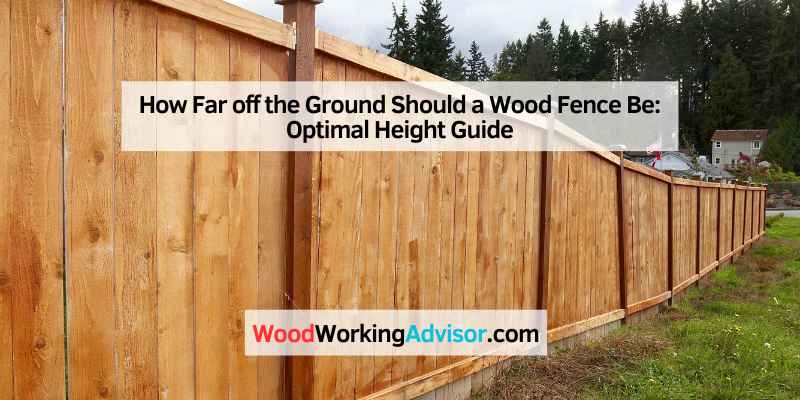
A wood fence should typically be at least 2 to 3 inches off the ground. This height helps prevent moisture damage and allows for proper air circulation.
Installing a wood fence requires careful planning, especially regarding ground clearance. Setting the fence a few inches above the ground prevents rot and decay by keeping the wood dry. This distance also discourages pests and allows for grass and vegetation to grow underneath without hindrance.
Proper clearance ensures the longevity of your fence, making maintenance easier over time. Factors such as soil type, local climate, and landscaping should influence your decision. Understanding these elements can help you create a durable and attractive barrier that enhances your property while staying functional for years.
Introduction To Wood Fences
Wood fences have a strong appeal for many homeowners. They add natural beauty and warmth to any yard. This type of fence can fit various styles, from rustic to modern. Many people love the classic look of wood.
Before installing a wood fence, consider a few basic factors. Check local regulations for height and spacing rules. Choose the right wood to ensure durability and resistance to weather. Remember to think about maintenance needs. Some wood requires more care than others.
Lastly, consider the environment. Moisture and sunlight can affect the fence’s lifespan. Proper planning leads to a fence that enhances your property.
Determining The Purpose Of Your Fence
Fences serve many important purposes. For privacy and security, a fence should be tall enough to block views. This height helps keep your yard safe from intruders.
For decoration and landscaping, choose a height that fits your home style. A well-placed fence can enhance your garden’s beauty.
When considering safety for pets and children, the fence must be tall enough to prevent escapes. Ensure it has no gaps for small animals to slip through.
Factors Influencing Fence Height
Local regulations and HOA guidelines can greatly impact fence height. Many areas have specific rules. Always check these before starting your project.
Topography and climate also play a role. Hilly areas may need taller fences for visibility. Strong winds may require lower fences for safety.
Consider your neighbor’s views and privacy. A taller fence can block unwanted sights. Shorter fences may allow for more openness.
Optimal Height For Different Types Of Wood Fences
The optimal height for wood fences varies by type. Picket fences usually stand about 3 to 4 feet tall. They offer a decorative look while keeping pets in. Privacy fences range from 6 to 8 feet high. This height blocks views and adds security. Split rail fences are typically 3 to 4 feet tall. They are great for marking boundaries without full privacy.
Choosing the right height depends on your needs. Think about aesthetics, privacy, and local regulations. Always check local laws before building. This ensures your fence meets all requirements.
The Importance Of Ground Clearance
Proper ground clearance is key for a wood fence. It helps in preventing wood rot and stops pest infestation. When wood is too close to the ground, moisture builds up. This moisture leads to decay over time.
Allowing for water drainage is essential. A gap helps rainwater flow away from the fence. This keeps the wood dry and extends its life. Proper drainage also reduces standing water, which attracts pests.
Make adjustments for uneven ground. Fences should be level, even on hills or slopes. Measure the height carefully to ensure proper spacing. This will prevent water accumulation and protect the fence.
Installation Tips For Proper Ground Clearance
Start by measuring the distance from the ground to the bottom of the fence. Use a level to ensure the measurements are accurate. Mark the spots where posts will go. This helps keep everything in line.
Choose high-quality materials for your wood fence. Pressure-treated wood is a great option. It resists moisture and pests, making it durable. Avoid cheap materials that can warp or rot.
Dealing with slopes can be tricky. Measure each section of the slope carefully. Cut fence panels to fit the incline. This ensures the fence looks good and works well. Use brackets to secure panels on uneven ground.
Maintenance Tips To Maximize Fence Lifespan
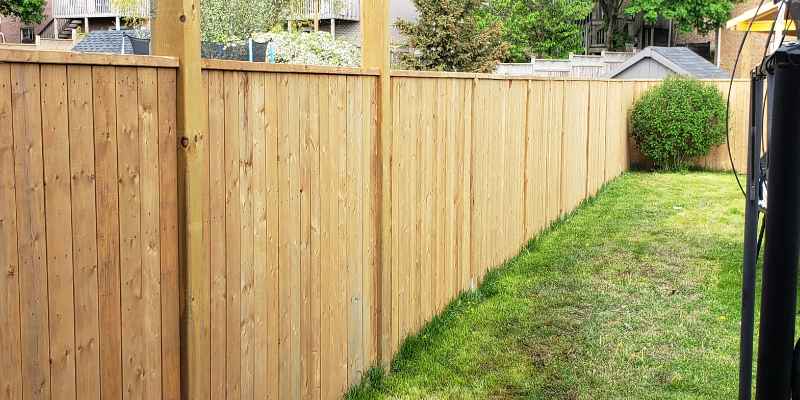
Perform regular inspections of your wood fence. Check for any signs of damage. Look for rot, cracks, or loose boards. Early detection helps prevent bigger issues.
Make timely repairs and replacements. Fix small problems before they grow. Replace damaged sections quickly. This keeps your fence strong and stable.
Use appropriate treatments and finishes. Apply wood preservatives to protect against moisture. Stain or paint your fence for added durability. Regularly reapply these treatments as needed.
Common Mistakes To Avoid
Ignoring local regulations can lead to fines. Always check your area’s rules before building. Each city has different requirements for fence height and placement.
Improper spacing and alignment can ruin the look of your fence. Ensure each post is evenly spaced. Use a level to keep the fence straight and sturdy.
Neglecting long-term maintenance is a common mistake. Regular checks can prevent bigger problems. Treat wood to protect it from weather and pests.
Frequently Asked Questions
How High Should A Wood Fence Be From The Ground?
A wood fence should ideally be 2 to 4 inches off the ground. This height allows for proper drainage and prevents moisture damage. It also minimizes the risk of rot and insect infestation. Additionally, this clearance helps in maintaining a clean and tidy appearance.
Why Is Clearance Important For Wood Fences?
Clearance is crucial to prevent wood decay and extend the fence’s lifespan. Elevated fences reduce exposure to soil moisture, which can lead to rot. It also keeps pests at bay, ensuring that your investment remains intact. Proper clearance contributes to the overall aesthetic of your outdoor space.
What Materials Are Best For Fence Posts?
The best materials for fence posts include treated wood, vinyl, and metal. Treated wood resists moisture and insects effectively. Vinyl is durable and low-maintenance, while metal offers strength and longevity. Each material has its benefits, so consider your specific needs and local climate when choosing.
How Can I Maintain My Wood Fence?
Maintaining your wood fence involves regular cleaning and sealing. Use a power washer to remove dirt and debris. Apply a weatherproof sealant every few years to protect against moisture. Regular inspections can help identify any damage early, ensuring your fence remains sturdy and appealing.
Conclusion
Finding the right height for your wood fence is essential for both function and aesthetics. A gap of 2 to 4 inches from the ground helps with drainage and pest prevention. By following these guidelines, you can ensure your fence lasts longer and looks great in your yard.
Happy fencing!