How Long Does Oak Take to Season? Firewood Expert Guide
Figuring out How Long Does Oak Take to Season? Firewood Expert Guide can feel tricky at first. Many folks wonder if they’re doing it right.
Is it too wet? Will it burn well? You’re not alone in asking these questions.
But don’t worry! We’ll break it down simply. We’ll show you exactly what to do step by step.
Get ready to learn the easy way to get your oak firewood ready for a cozy fire.
Understanding Firewood Seasoning
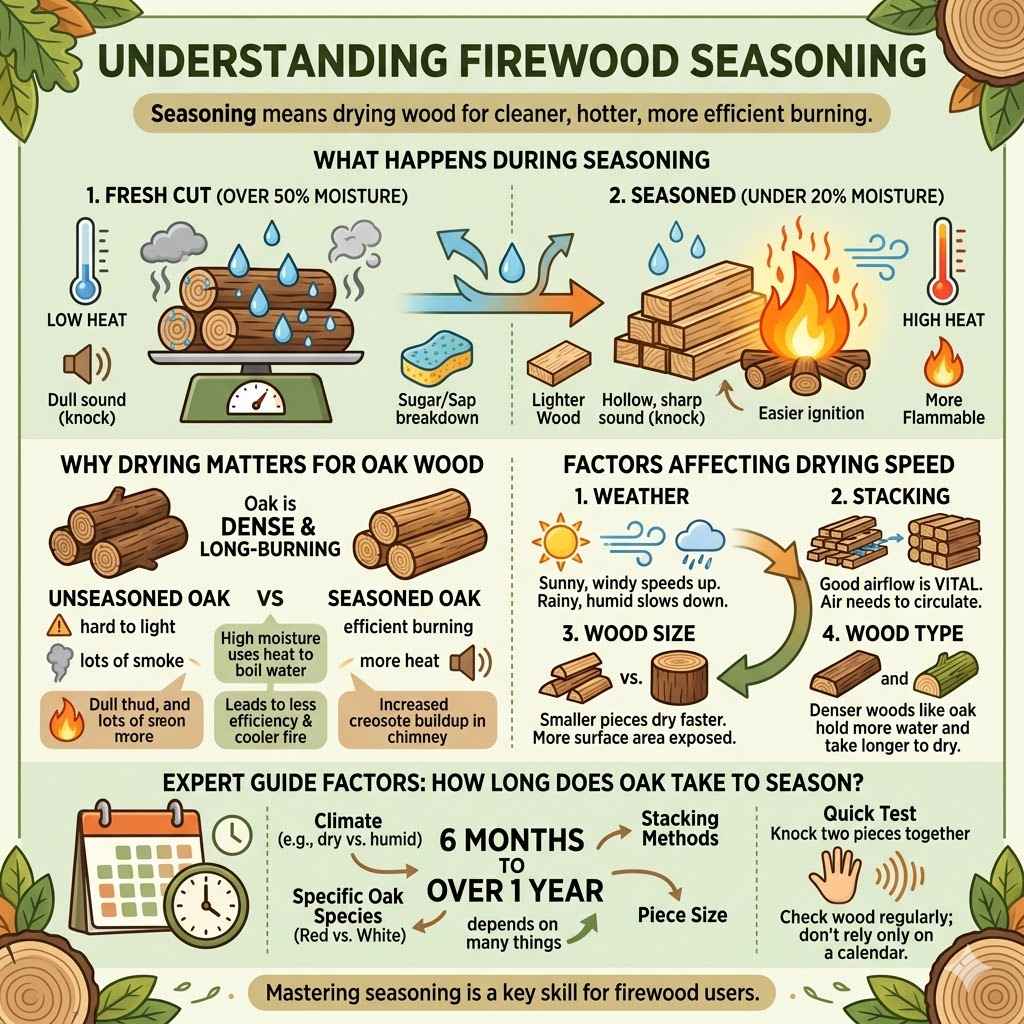
Seasoning firewood means drying it out properly. This makes it burn cleaner and hotter. Wet wood creates smoke and doesn’t give off much heat.
It can also cause problems in your chimney. Learning how to season your wood is a key skill for anyone who uses a fi
What Happens During Seasoning
When firewood seasons, water leaves the wood. This happens naturally over time. As the water evaporates, the wood becomes lighter.
It also becomes more flammable. The sugars and sap in the wood break down. This makes the wood easier to ignite and burn.
Think of it like drying out a sponge. The longer it dries, the more air it can hold and the lighter it gets. This process is vital for good burning.
The moisture content of wood is the main thing we’re trying to reduce. Freshly cut wood can have over 50% moisture. Good firewood should have less than 20% moisture.
This low moisture level is what seasoning achieves. It’s not just about dryness; it’s about reducing that internal water content to a usable level.
Why Drying Matters For Oak Wood
Oak is a very popular firewood. It’s dense and burns for a long time. However, because it’s so dense, oak can take longer to season than softer woods.
This is a common point of confusion for new wood burners. If you don’t wait long enough, your oak will be hard to light and won’t burn well. You might get a lot of smoke instead of heat.
Patience is a firewood burner’s best friend, especially with oak.
When oak wood is not seasoned properly, it has a higher moisture content. This means when you try to burn it, a lot of the heat produced by the fire is used up boiling off the water inside the wood. This makes the fire less efficient and cooler.
It also leads to more creosote buildup in your chimney.
A seasoned piece of oak will have a distinct sound when you knock two pieces together. It should sound hollow and sharp. Unseasoned wood will make a dull thud.
This is a quick test you can use to check your wood’s dryness.
Factors Affecting Drying Speed
Several things can speed up or slow down how fast your firewood dries. The weather plays a big role. Sunny and windy conditions help water evaporate faster.
Rainy or humid weather slows down the process. The way you stack your wood also makes a difference. Good airflow is very important.
If wood is piled too tightly, it can’t dry properly.
The size of the wood pieces matters too. Smaller pieces dry faster than larger ones. If you cut your logs into small split pieces, they will season more quickly than large, un-split rounds.
This is because more surface area is exposed to the air.
The type of wood itself is a factor. Hardwoods like oak are denser and take longer to dry than softwoods like pine. This is a natural characteristic of the wood structure.
Denser woods hold more water within their cell structure.
How Long Does Oak Take to Season? Expert Guide Factors
So, How Long Does Oak Take to Season? Firewood Expert Guide depends on many things. We’ve talked about weather and how you stack it.
The size of the logs and the type of oak are also important. Generally, oak can take anywhere from 6 months to over a year to season well. Some very dense oaks might even take longer.
It’s better to wait a little longer than to burn wood that isn’t ready.
For example, a very humid climate might require longer seasoning times. In a dry, windy area, it might season a bit faster. The best approach is to check the wood regularly.
Look for visual cues and do the sound test. Don’t rely on a strict calendar date alone.
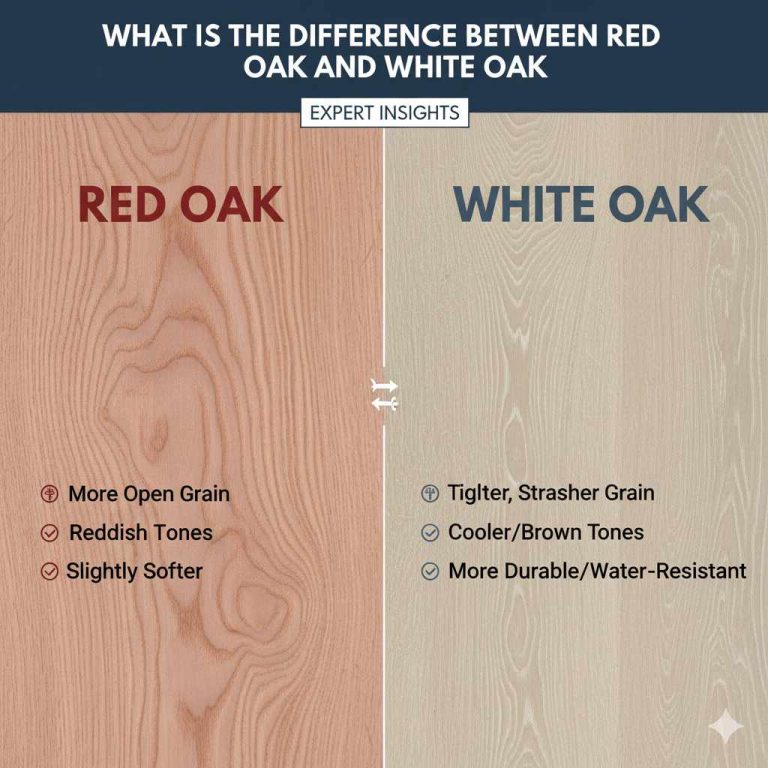
The specific species of oak can also play a part. Red oak tends to be a bit less dense than white oak, which might mean a slight difference in drying times. However, the general principles of seasoning apply to all types of oak.
The Seasoning Process Explained
Getting your oak firewood ready for burning involves a few key steps. It’s not complicated, but it does require a bit of planning and patience. We’ll walk through each part of the process so you know exactly what to do from the moment the wood is cut.
Cutting and Splitting Wood
The first step is to cut your logs to the desired length. This is usually based on the size of your fireplace or wood stove. After cutting, the logs need to be split into smaller pieces.
Splitting exposes the inner wood, which allows moisture to escape more easily. Aim for pieces that are roughly 4-6 inches in diameter for good airflow and easy handling.
Splitting is crucial because the bark on a round log acts like a barrier. It slows down the natural evaporation of water. By splitting the log, you create fresh, exposed surfaces that can interact with the air.
This dramatically speeds up the drying process.
The tools you use for splitting can vary. A good quality axe or a hydraulic log splitter can make this task much easier. The goal is to create uniformly sized pieces so they dry at a similar rate.
Importance of Splitting Oak
Oak is very dense. This means the water is held tightly within its fibers. Splitting oak is therefore even more important than for softer woods.
A split oak log has more surface area exposed to the elements, which is essential for drying. If you don’t split your oak, it could take years to season properly, if at all.
Think of it like this: a whole log is like a sealed container of water. A split log is like that container being opened up. The water can then evaporate out into the surrounding air much more freely.
This is why proper splitting is a non-negotiable step for oak.
The act of splitting also helps you inspect the wood. You can see if there are any signs of rot or insect damage that might have been hidden inside a round log. This is a good quality check as well.
Stacking for Airflow
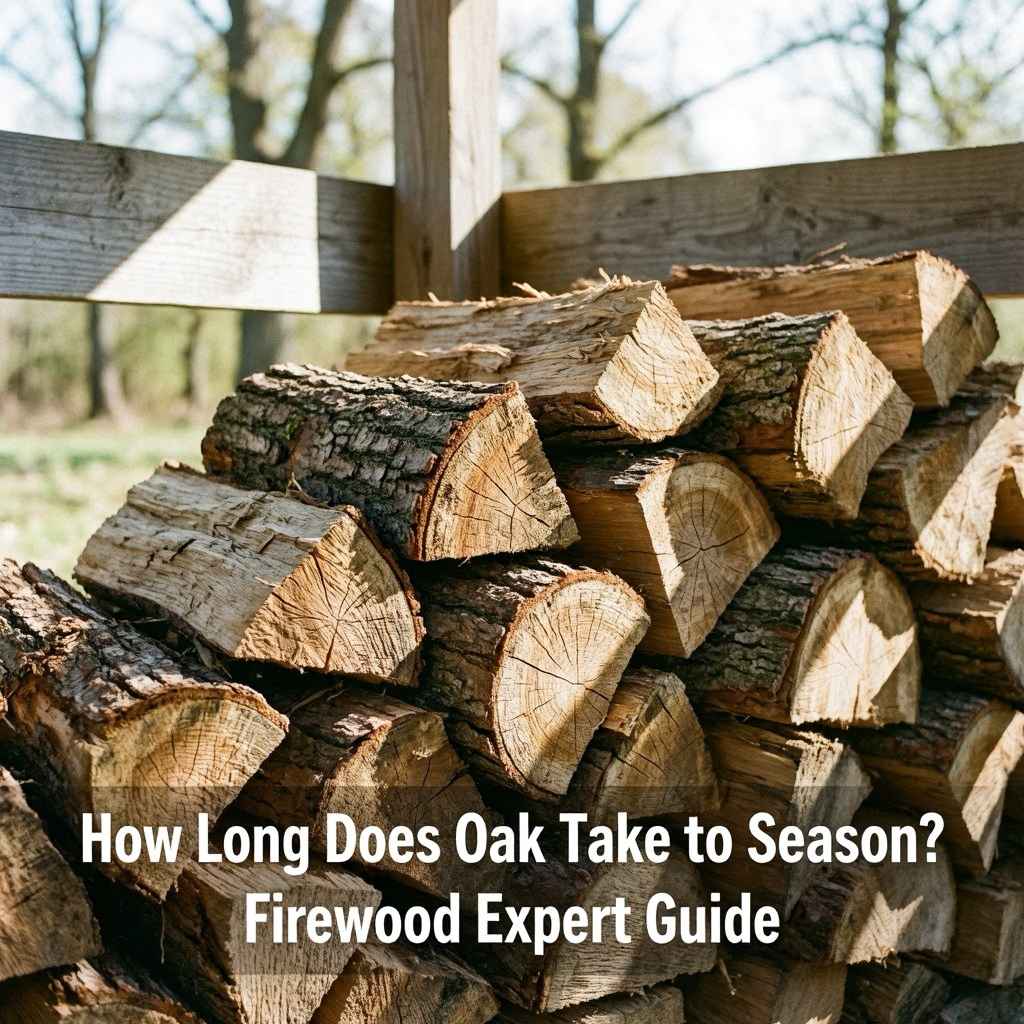
Once your wood is split, it needs to be stacked. The key here is airflow. Wood needs to be able to breathe.
Stack your wood off the ground, using pallets or bearers to lift it. This prevents moisture from the ground from soaking into the bottom logs.
You can stack wood in rows, often called a “cord.” Make sure there are gaps between the pieces of wood. Don’t pack them too tightly together. This allows air to circulate all around each piece.
Good airflow is probably the single most important factor for successful seasoning after splitting.
Stacking in a way that allows sun and wind to reach the wood will speed up drying. Facing the stack towards the prevailing wind direction is a good practice. If you can orient it to get direct sunlight for part of the day, that also helps.
Best Stacking Methods
There are a few common ways to stack firewood. The simplest is a linear stack, where logs are laid side by side. Another popular method is the “upside-down” stack, where logs are placed across each other in a crisscross pattern.
This can offer very good airflow. Regardless of the method, the principle remains the same: allow air to pass through freely.
Some people build a simple wood shed or a rack to hold their firewood. This offers protection from rain and snow while still allowing plenty of air circulation. The important thing is that the wood is not sitting directly on the soil and has space around it.
Avoid stacking wood directly against buildings. This can attract pests and can trap moisture, which is bad for seasoning and can also damage your building’s exterior.
Covering Your Wood Stack
While airflow is vital, you also need to protect your seasoning wood from direct rain and snow. A simple tarp or a dedicated wood shed roof can do the trick. The key is to cover the top of the stack, but leave the sides open.
This keeps the wood dry from above while still allowing air to circulate freely.
If you cover the sides, you trap moisture. This will significantly slow down or even stop the seasoning process. Think of it as giving your wood a hat but no jacket.
It keeps the rain off its head but lets it breathe.
The cover should extend a little beyond the stack to offer good protection. Ensure it’s secured well so it doesn’t blow away in strong winds.
When to Cover and When Not To
You should cover your wood stack during periods of heavy rain or snowfall. If the weather is dry and sunny, you can often leave the wood uncovered to benefit from the drying effects of sun and wind. However, for long-term seasoning, a permanent cover for the top is generally recommended.
This provides consistent protection.
If you are seasoning wood for just a few months and the weather is very dry, you might not need a cover. But for oak, which takes a long time, some form of protection against prolonged wet weather is wise. It’s a balance between allowing drying and preventing excessive moisture absorption.
Consider the moisture content of your wood. If it’s already very dry, it needs less protection. If it’s still quite wet, it needs more careful management to prevent re-wetting.
How Long Does Oak Take to Season? Expert Guide
This is the big question many of you are here to answer. As we’ve touched on, How Long Does Oak Take to Season? Firewood Expert Guide is not a simple number.
It’s a range, and it depends on several factors. For oak, expect at least 6 months, but often 12 to 18 months is a safer bet. Some very hard or large pieces might need even longer.
The goal is to get the moisture content below 20%.
Think of it like baking a cake. You need to follow the recipe, but sometimes the oven temperature varies, or the ingredients are slightly different. You still need to check if it’s done.
With firewood, you check its dryness.
Typical Seasoning Times for Oak
In ideal conditions – split logs, good airflow, sunny and windy weather, and a dry climate – you might see oak seasoning in around 6 to 9 months. This is on the faster side. More commonly, especially if the weather is more humid or you have larger pieces, it will take 12 months.
Many experts recommend waiting for a full two years to be absolutely sure your oak is perfectly seasoned.
This longer seasoning period is why many people cut their firewood in the spring or summer, so it’s ready for the next winter. This gives the wood ample time to dry out naturally.
It’s always better to err on the side of caution. Burning slightly over-seasoned wood is much better than burning under-seasoned wood. You won’t have issues with smoke or creosote.
You’ll just have a beautiful, hot fire.
Factors Influencing Oak’s Drying Time
| Factor | Impact on Drying Time |
|---|---|
| Wood Density | Higher density (like oak) = longer drying time |
| Splitting Size | Smaller splits = faster drying |
| Airflow | Good airflow = faster drying |
| Humidity | High humidity = slower drying |
| Sunlight/Wind | Direct sun & wind = faster drying |
| Protection from Rain | Covered top = better drying, avoids re-wetting |
These elements combine to determine the final seasoning time. A dense oak log exposed to low humidity and high winds will dry faster than a similar log in a damp, still environment. Proper stacking and covering are your ways to control some of these factors.
For instance, consider two identical piles of split oak. One is stacked in a very open, sunny spot in Arizona, and the other is in a shaded, humid area in Florida. The Arizona pile might be ready in 8-10 months, while the Florida pile could easily take 18-24 months.
Checking if Oak is Seasoned
You can tell if your oak is seasoned by a few simple tests. The wood should look lighter in color and feel lighter in weight. The ends of the logs may start to show small cracks or checks.
When you knock two pieces of seasoned wood together, they should make a clear, sharp ringing sound.
Unseasoned wood will make a dull thud. The bark may still be tightly attached to green wood. Seasoned wood bark will often be loose or fall off easily.
The wood should feel dry to the touch, not cool or damp.
A moisture meter is the most accurate way to check. You can buy these at most hardware stores. Insert the probes into the wood.
If the reading is below 20%, your wood is seasoned and ready to burn.
Using a Moisture Meter
A moisture meter is a very useful tool for any firewood user. It takes the guesswork out of seasoning. You simply press the pins into the wood, and it gives you a digital reading of the moisture content.
For firewood, you want to see readings consistently below 20%.
Make sure to test several pieces from different parts of your stack. This will give you a good average. Test pieces that have been split, not just rounds.
The core of a large round might still be wet even if the outside is dry.
If your meter reads above 20%, you need to let the wood season longer. You can then re-test it after a few more weeks or months. It’s a reliable way to ensure you’re burning the best wood possible.
The Sound and Smell Test
Beyond the moisture meter, there are simpler, older methods. The sound test is quite effective. Pick up two pieces of wood and strike them together.
If they make a clear, ringing sound, they are likely seasoned. If they make a dull, thudding sound, there’s still too much moisture.
The smell test is also telling. Seasoned wood has a dry, woody smell. Unseasoned wood often has a damp, sometimes moldy or musty odor.
This is because of the excess moisture and the breakdown of wood sugars.
These tests are great for quick checks when you don’t have a meter handy. They are based on years of experience from people who burn wood regularly.
Common Mistakes and Tips
Many people make a few common mistakes when seasoning firewood. Understanding these can save you time and frustration. We’ll cover the most frequent errors and offer simple tips to avoid them.
Mistakes to Avoid
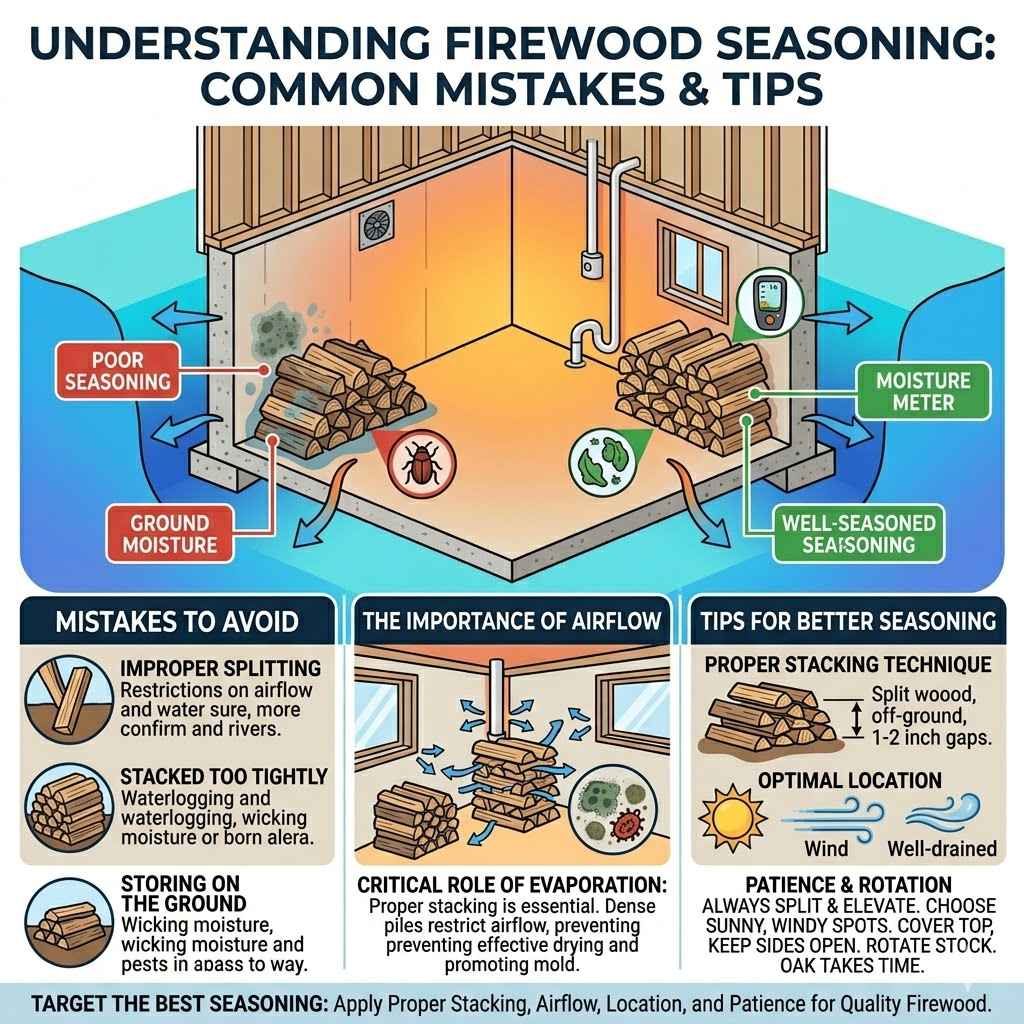
One of the biggest mistakes is not splitting the wood properly. As we’ve discussed, splitting is essential for oak. Another error is stacking wood too tightly.
This restricts airflow, which is like trying to dry clothes in a sealed box. Not covering the top of the wood pile also leads to problems. It can become waterlogged, undoing your hard work.
Burning wood that is not fully seasoned is another mistake. This leads to poor fires, lots of smoke, and creosote buildup. It’s tempting to use wood when you need heat, but it’s worth the wait for properly seasoned wood.
Some people also store their wood directly on the ground. This allows ground moisture to wick up into the bottom logs, preventing them from drying properly. It can also attract pests.
Ignoring Airflow
This is perhaps the most critical mistake. If your wood is piled too densely, air cannot circulate. This is vital for evaporation.
Imagine trying to dry a wet blanket by folding it up tightly. It will take ages. Firewood needs space to breathe.
When stacking, leave at least a 1-2 inch gap between each split piece. If you’re using a lumber rack, ensure it has plenty of open space. Proper stacking is an investment in quick, effective seasoning.
One sign of poor airflow is mold growth on the wood. While some surface mold can appear and is harmless, widespread mold often indicates the wood is not drying correctly and may be developing rot.
Tips for Better Seasoning
To get the best results, always split your wood. Stack it with plenty of space between pieces. Cover the top of the stack but leave the sides open.
Store your wood off the ground. If possible, face your stack towards the prevailing wind and sun.
Be patient. Oak takes time. It’s better to have a little extra seasoned wood than not enough.
Rotate your wood stock, burning the oldest first. This ensures you are always using the driest wood.
Consider investing in a moisture meter. It’s a small cost for a lot of certainty about your firewood quality.
Location Matters
The location where you store your firewood is important. Choose a spot that is well-drained and gets good sun and wind exposure if possible. Avoid shady, damp areas.
An open field or a dedicated wood shed are ideal. If you live in a very wet climate, a covered structure with open sides is best.
The elevation of your stack also matters. Raising the wood off the ground by a few inches prevents ground moisture absorption. This simple step can make a big difference in the overall dryness of your woodpile.
Think about accessibility too. You’ll need to be able to get to your wood easily when you need it. Stacking it too far away or in a difficult spot can be inconvenient.
Patience and Observation
The most valuable advice is to be patient and observe your wood. Look at it regularly. Feel it.
Listen to it. Over time, you’ll develop a feel for when wood is ready. Don’t rush the process, especially with dense hardwoods like oak.
Good firewood is worth waiting for. It makes your fires safer, hotter, and more enjoyable.
Watching the color change, feeling the lightness, and hearing that distinct sound are all signs of progress. This observational skill comes with practice. It complements the scientific measurements of a moisture meter.
Remember, seasoning is a natural process. You are helping nature along by providing the right conditions. This gentle encouragement leads to the best results.
Frequently Asked Questions
Question: How long does it typically take for oak firewood to season?
Answer: For oak firewood, it generally takes between 6 months to 18 months to season properly. This range depends on factors like wood size, splitting, airflow, and climate. Waiting for a full year is often recommended to ensure it’s well-seasoned.
Question: What is the ideal moisture content for seasoned firewood?
Answer: The ideal moisture content for seasoned firewood is below 20%. This allows for efficient burning with minimal smoke and creosote buildup. A moisture meter is the best tool to accurately check this.
Question: Can I burn oak firewood that hasn’t fully seasoned?
Answer: It is not recommended to burn oak firewood that hasn’t fully seasoned. Under-seasoned wood burns poorly, produces a lot of smoke, and can lead to dangerous creosote buildup in your chimney. It’s best to wait until it’s properly dry.
Question: How can I speed up the seasoning process for oak?
Answer: You can speed up seasoning by splitting the oak into smaller pieces, ensuring excellent airflow by stacking it properly with gaps, stacking it in a sunny and windy location, and covering only the top to protect it from rain while allowing air circulation.
Question: What are the signs that oak firewood is seasoned?
Answer: Seasoned oak firewood will be lighter in weight, have cracks or checks on the ends, and sound hollow when struck. It will also feel dry to the touch and have a woody smell, not a damp or musty one.
Summary
Seasoning oak firewood takes patience. It requires splitting, stacking for airflow, and protecting from rain. For How Long Does Oak Take to Season?
Firewood Expert Guide, expect 6 to 18 months. Always check for dryness below 20% moisture. Properly seasoned wood means hotter fires and a safer home.
Wait for it to be ready for the best results.