How Many Coats MDF Primer: Achieve Perfect Finish
Have you ever found yourself staring at an unfinished MDF project, wondering just how many coats of primer it needs to look its best? You’re not alone.
MDF, or medium-density fiberboard, is a popular choice for many DIY enthusiasts like you because of its smooth surface and versatility. But when it comes to priming, things can get a bit tricky. Too little, and your masterpiece might not stand the test of time; too much, and you could be wasting time and resources.
We’ll uncover the secrets to perfect priming, so you can transform your MDF projects into stunning works of art with confidence. Stick around, and let’s dive into the world of MDF priming together!
Credit: mdfskirtingworld.co.uk
Importance Of Priming Mdf
MDF, or Medium Density Fiberboard, needs proper priming. It helps in sealing the surface. This prevents moisture from entering. MDF is like a sponge. It can absorb liquids easily. Priming stops this from happening.
Priming also makes paint stick better. It gives a smooth finish. Without primer, paint can peel off. The surface may not look nice. Using primer saves time and effort later. It helps in making the MDF last longer.
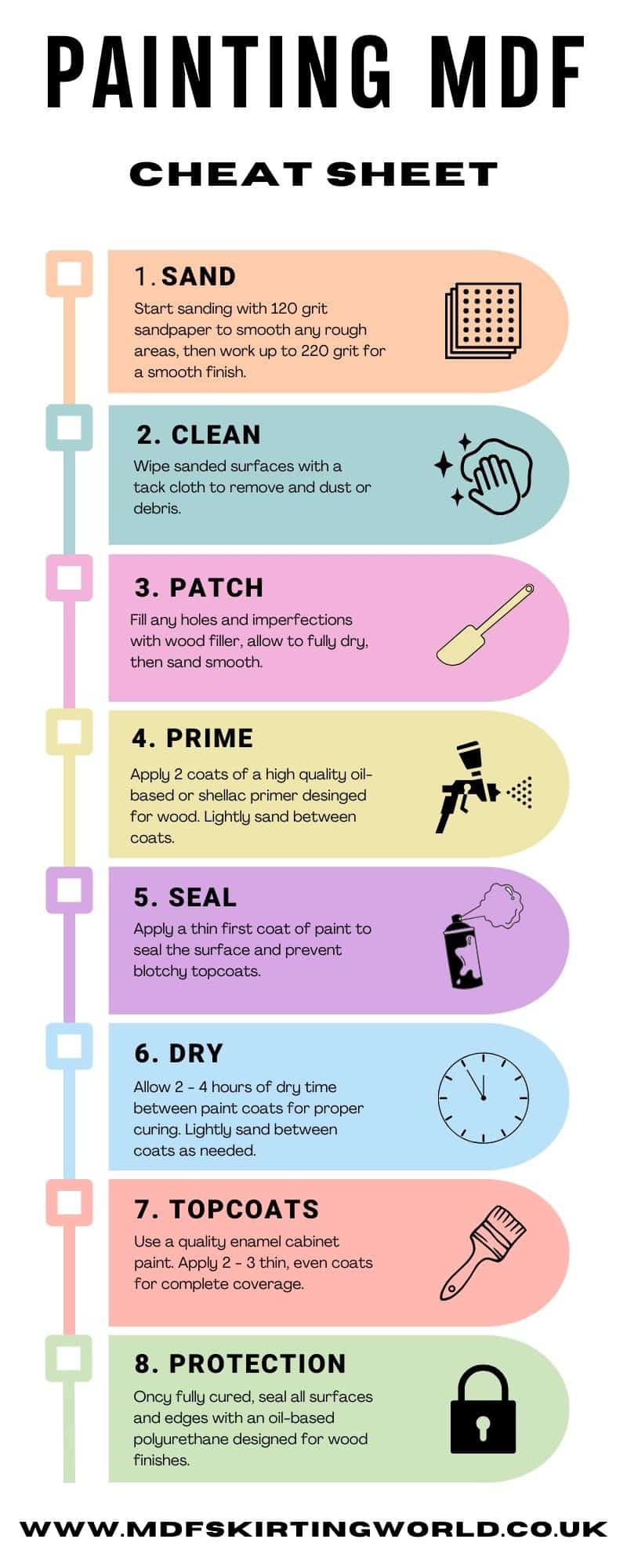
Applying more than one coat is good. It ensures full coverage. Usually, two coats are enough. But, check for any missed spots. Always let the first coat dry. Then add the second coat. This makes the MDF ready for paint.
Choosing The Right Mdf Primer
MDF needs a special primer. This primer is called MDF primer. It helps the paint stick better. Using the right primer makes your paint last longer. It stops paint from peeling off. Also, it helps with a smooth finish.
Some primers work better on MDF. Look for acrylic-based primers. They are water-based and easy to use. They dry quickly too. Oil-based primers also work but take longer to dry.
Two coats are usually enough. The first coat seals the MDF. The second coat makes the surface smooth. Always let the first coat dry before adding the second coat.
Preparing Mdf For Priming
Sanding is important for smooth MDF surfaces. Begin with a rough grit sandpaper. It removes large bumps. Use a gentle touch. Sand the edges and corners. Switch to a fine grit sandpaper. Smooth out the surface. Circular motion works well. Check for scratches or dents. Sand until the surface feels smooth. Patience is key.
After sanding, clean the MDF carefully. Use a soft cloth or brush. Remove all dust. Dust can ruin the primer. Vacuum cleaner helps. Inspect each corner. Dust hides in corners. Wipe again with a damp cloth. Let it dry fully. No moisture should remain. Now, it is ready for primer.

Credit: morethanthursdays.com
Applying The First Coat
Using the right tools is very important. You need a brush or roller for applying primer. A sanding block helps make the surface smooth. You also need a clean cloth to wipe dust away. Gather these tools before you start. This makes the job easier and faster.
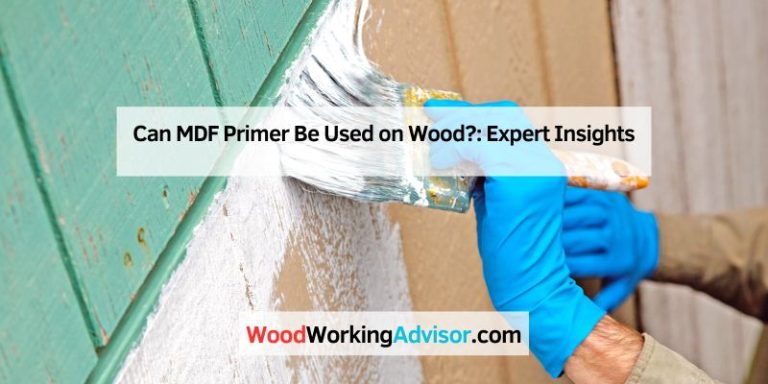
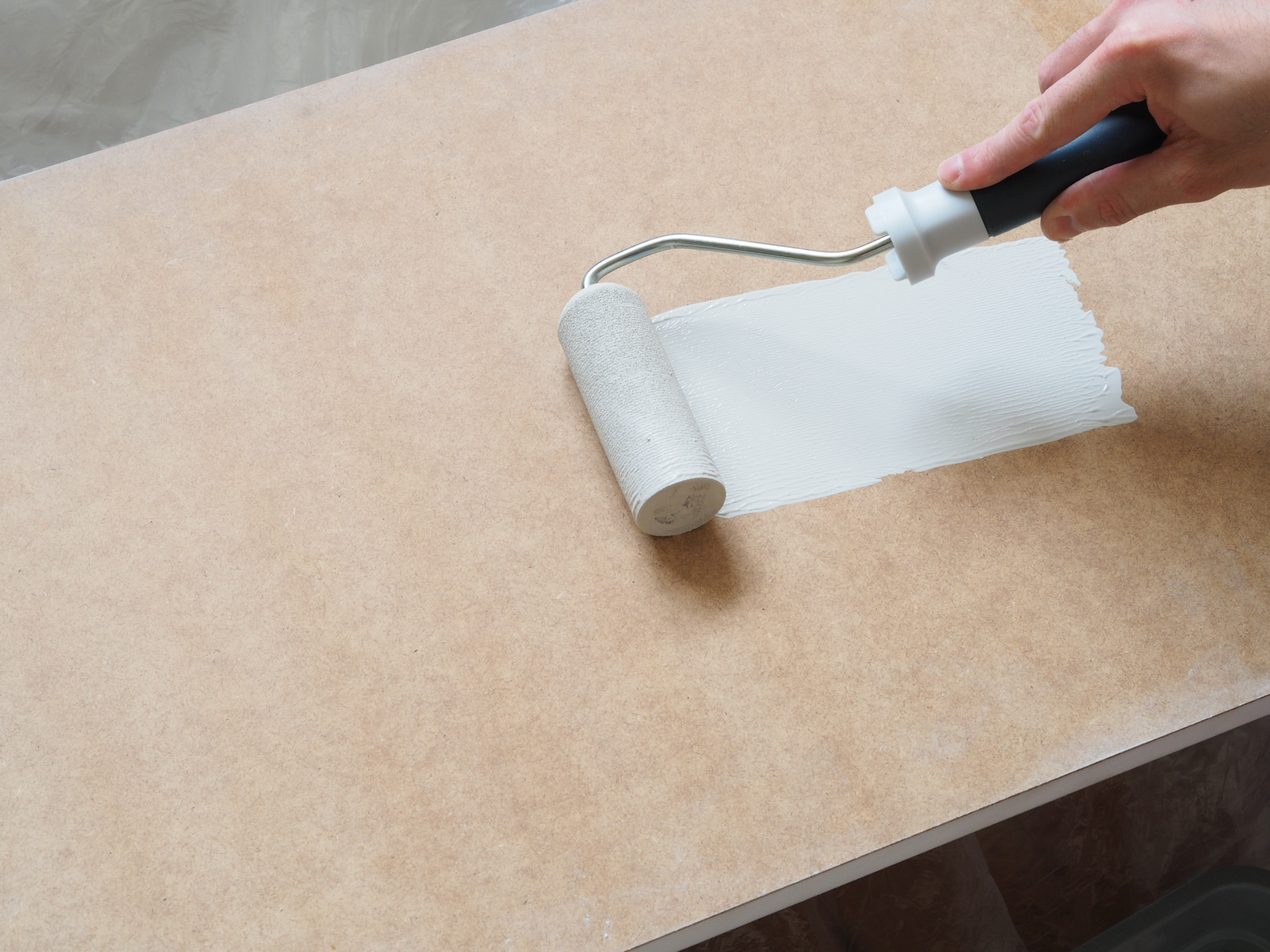
Start by cleaning the MDF board. Use a clean cloth to remove dust. Next, take your brush or roller. Dip it into the primer. Apply a thin coat to the board. Move in one direction for best results. Let it dry for a few hours. Check if the surface is smooth. If not, sand lightly. Then, wipe it clean again. This prepares it for the next coat.
Assessing The First Coat
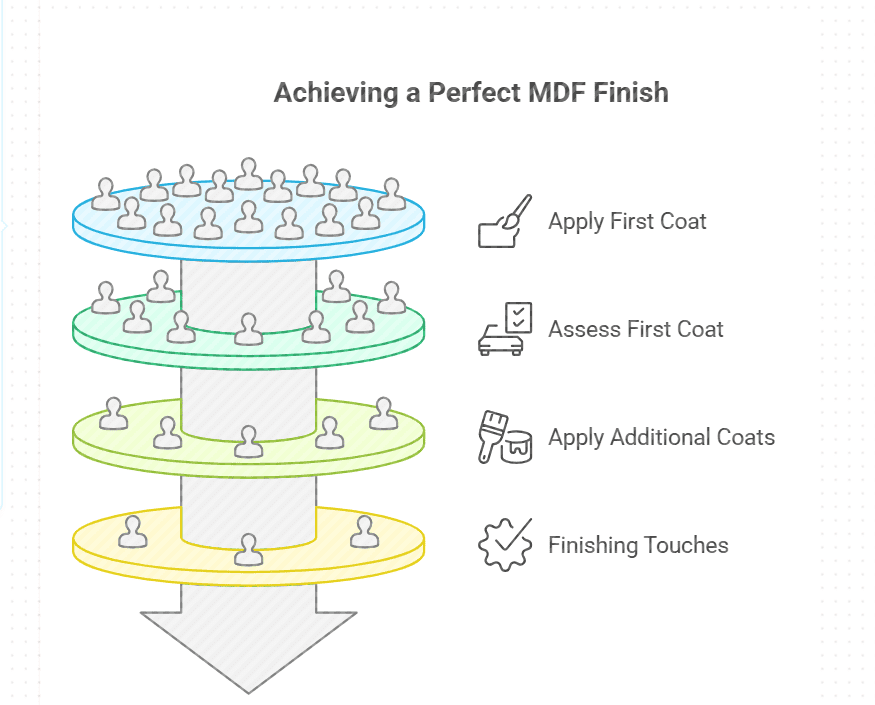
The first coat of MDF primer needs time to dry. Patience is key. Let it dry completely. Check the instructions on the primer can. They usually tell the drying time. Air temperature and humidity affect drying. Warm air makes it dry faster. Cold air slows it down. Humidity in the air makes drying take longer. Use a fan for faster drying.
Inspect the surface after drying. Look for uneven spots. Feel the surface with your hand. It should feel smooth. If it feels rough, it needs more primer. Check for stains or marks. These need another coat. Light spots show areas needing more primer. Make sure every part is covered well.
Applying Additional Coats
Adding more coats makes the surface smoother. Look closely at the surface. If it looks uneven, add another coat. Thin layers work best. More coats help seal the MDF better. Check if the surface feels rough. A smooth touch means it’s ready. Adding coats takes time, but it’s worth it. Your finish will look great.
Use a good brush or roller. It helps spread the primer well. Work in small sections. Move the brush in one direction. This avoids streaks. Overlap strokes a little. This ensures full coverage. Keep a steady hand. Watch for drips. Catch them before they dry. Let each coat dry completely. Then check for missed spots. Patience is key for an even finish.
Finishing Touches
Sanding Between Coats of MDF primer helps make surfaces smoother. It removes any bumps or rough spots. Use a fine-grit sandpaper for best results. Sand lightly after each coat dries. This ensures the next coat sticks better. Wipe the surface with a damp cloth. This removes dust from sanding. Dust can spoil the finish. Allow each coat to dry completely. Dry surfaces are easier to sand.
Final Surface Checks are important for a perfect finish. Look closely at the surface. Check for any missed spots or uneven areas. Fix them before applying the next coat. A flashlight can help spot imperfections. Proper checks lead to a smooth and nice-looking finish. Take your time to do it right. This results in a professional look.
Troubleshooting Common Issues
Streaks can ruin a smooth finish. Thin coats help prevent them. Use a good brush. Brushes should be clean. Don’t rush the process. Let each coat dry fully. Light sanding can help. Sand between coats. Check the surface for dust.
Uneven surfaces need attention. Start with a smooth base. Sand the MDF before priming. Apply primer evenly. Two or three coats might be necessary. Watch for bubbles. Smooth them out quickly. Use a roller for flat areas. Edges may need extra care. Inspect after each coat. Ensure the surface is even.
Credit: www.homebuilding.co.uk
Frequently Asked Questions
Do I Need Two Coats Of Primer On Mdf?
Yes, you need two coats of primer on MDF for better adhesion and a smooth finish. Use a high-quality, stain-blocking primer for best results. Make sure to sand between coats for a flawless surface. This helps ensure durability and a professional look for your MDF projects.
How Many Times Should You Prime Mdf?
Prime MDF twice for best results. The first coat seals the surface, reducing absorption. Apply the second coat for a smooth finish. Use a high-quality primer to ensure durability and even coverage. Sand lightly between coats for optimal adhesion and surface smoothness.
How Many Coats Of Bin Primer On Mdf?
Apply two coats of BIN primer on MDF for optimal adhesion and coverage. Ensure each coat dries completely before applying the next. Use a brush or roller for even application. Properly primed MDF enhances paint finish and durability.
Is 2 Coats Of Primer Enough?
Two coats of primer are often sufficient for most surfaces. It ensures even coverage and enhances paint adhesion. Always check the surface condition and primer type for optimal results. Testing a small area can help determine if additional coats are needed.
Conclusion
Choosing the right number of MDF primer coats is crucial. It affects the final look and durability. Two coats often provide good coverage. For smoother finishes, consider three coats. Sand lightly between each layer for best results. This helps the primer adhere well.
Always check the manufacturer’s instructions. They know their product best. Each project might need a different approach. Your effort will show in the final finish. Happy painting!