How Much are Ash Logs Worth: Uncover Market Value
Imagine you’ve just stumbled upon a pile of ash logs. You might wonder, “How much are these worth?”
Whether you’re a landowner, a woodworker, or just someone curious about timber, understanding the value of ash logs can be both intriguing and rewarding. These logs have seen a surge in interest, thanks to their beautiful grain and versatility in crafting furniture, flooring, and more.
But before you decide what to do with them, it’s crucial to know their market value. Knowing how much ash logs are worth can help you make informed decisions, whether you’re selling, buying, or simply exploring your options. Stick around to uncover the factors that influence their price and discover how you can maximize your investment or find the best deals.

Credit: www.woodworkingnetwork.com
Ash Wood Characteristics
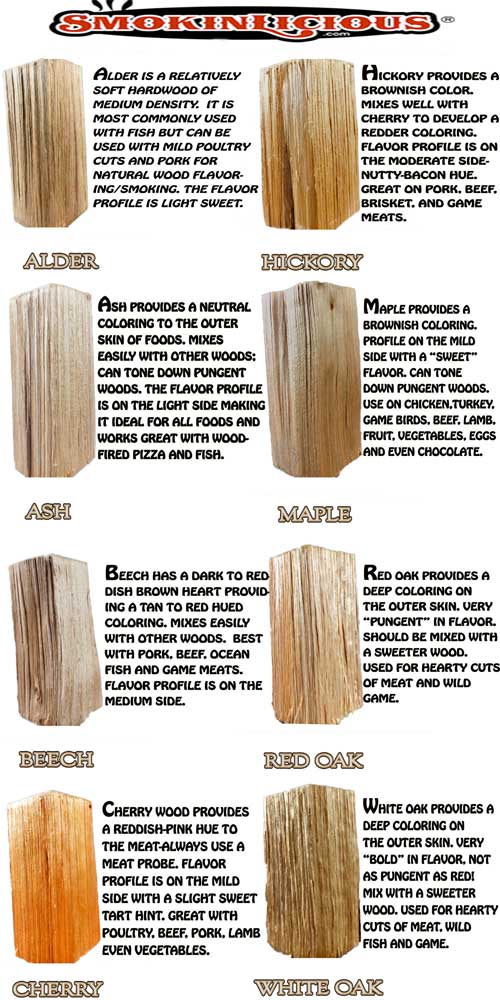
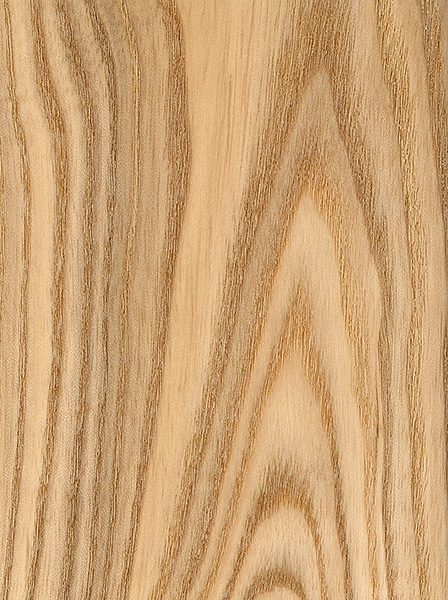
Ash wood is known for its strength and durability. It is a hardwood, yet it feels smooth. The color of ash wood is usually light, ranging from creamy white to pale brown. Its grain is straight, which makes it easy to work with. Ash wood bends well and is often used for making tools.
Ash wood is widely used for making furniture. Its beauty and strength make it popular for cabinets and flooring. It is also used in sports equipment like bats and oars. Many people choose ash wood for their home projects due to its appealing look. It is easy to paint or stain. Ash wood is also used in musical instruments for its resonance.
Factors Influencing Value
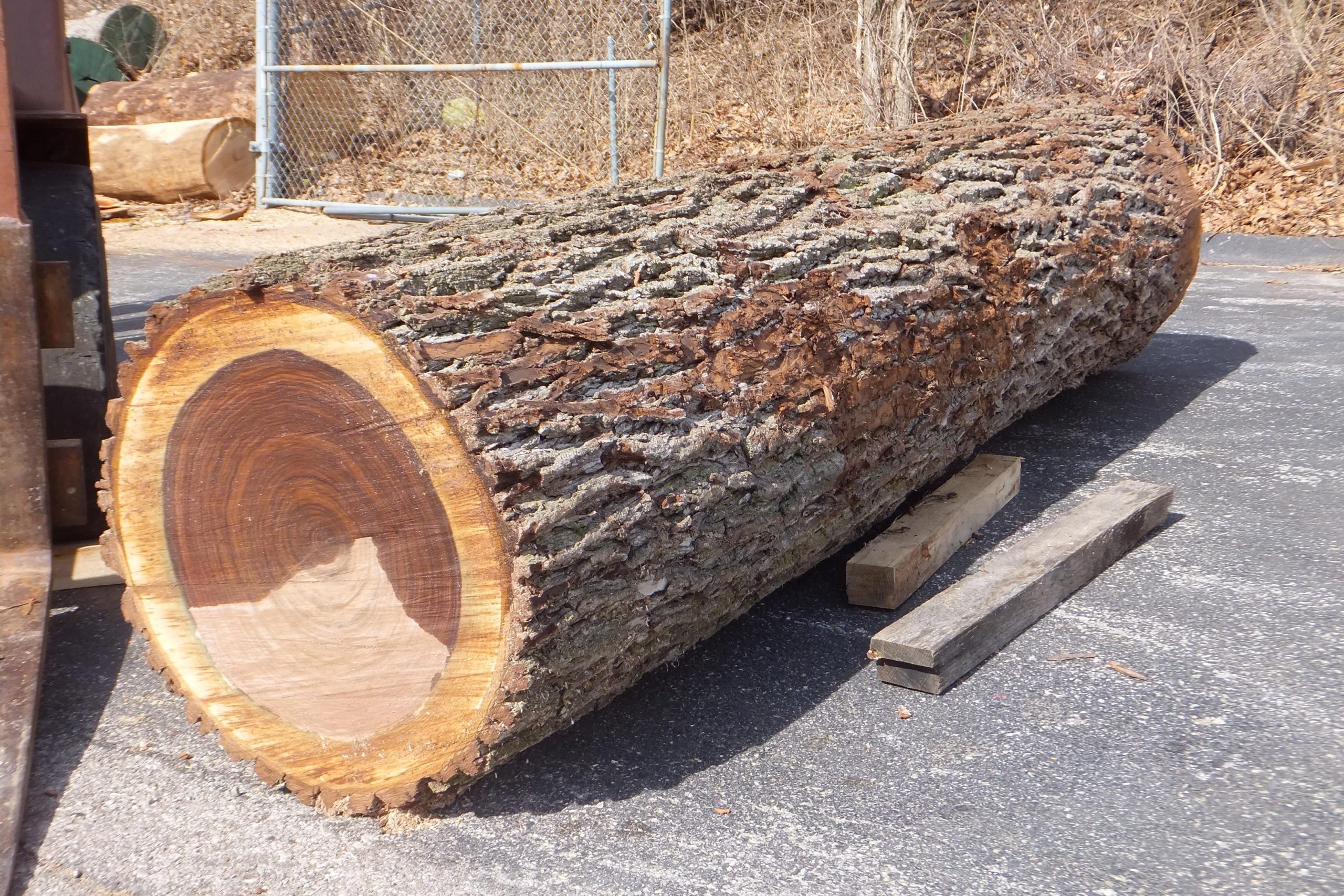
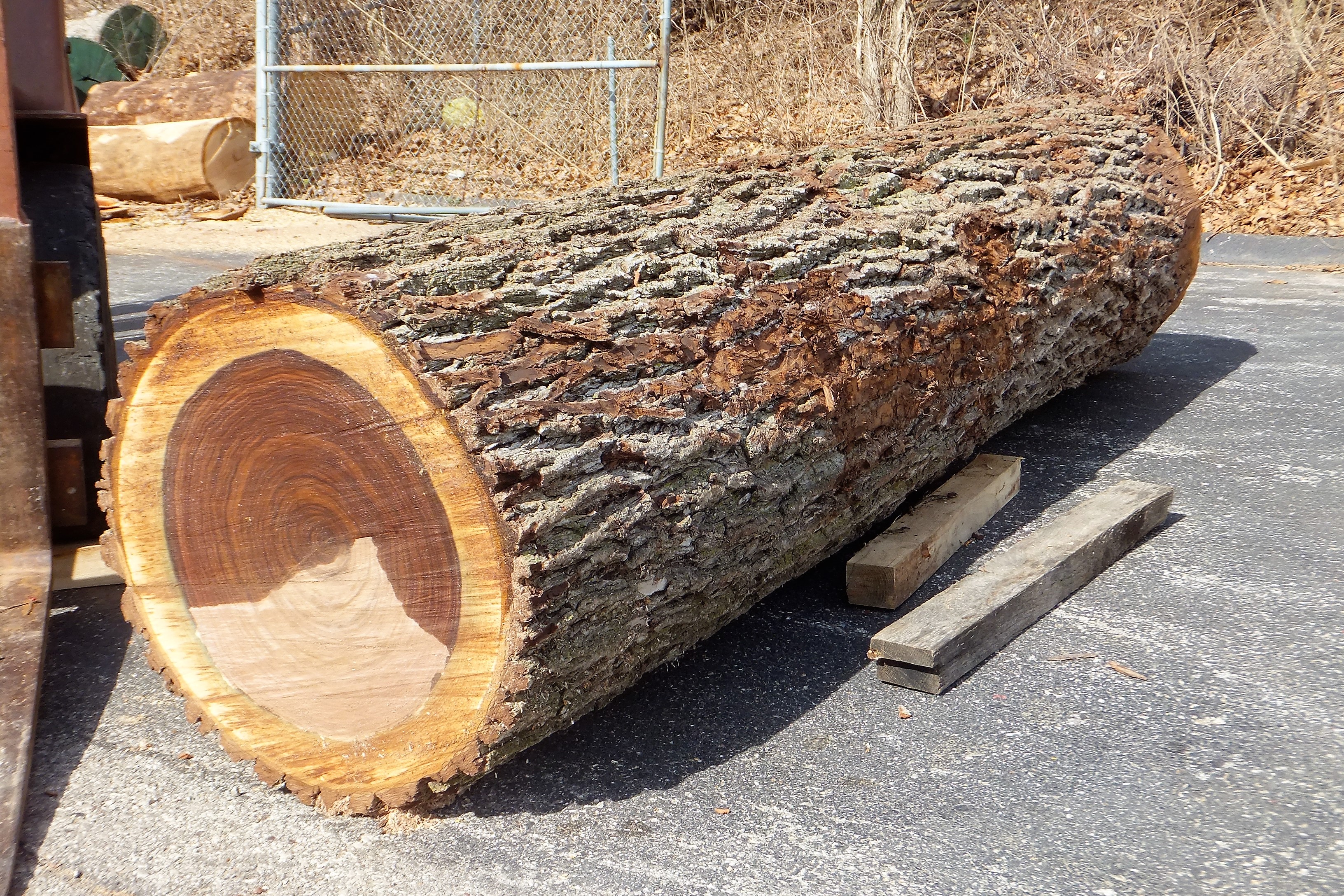
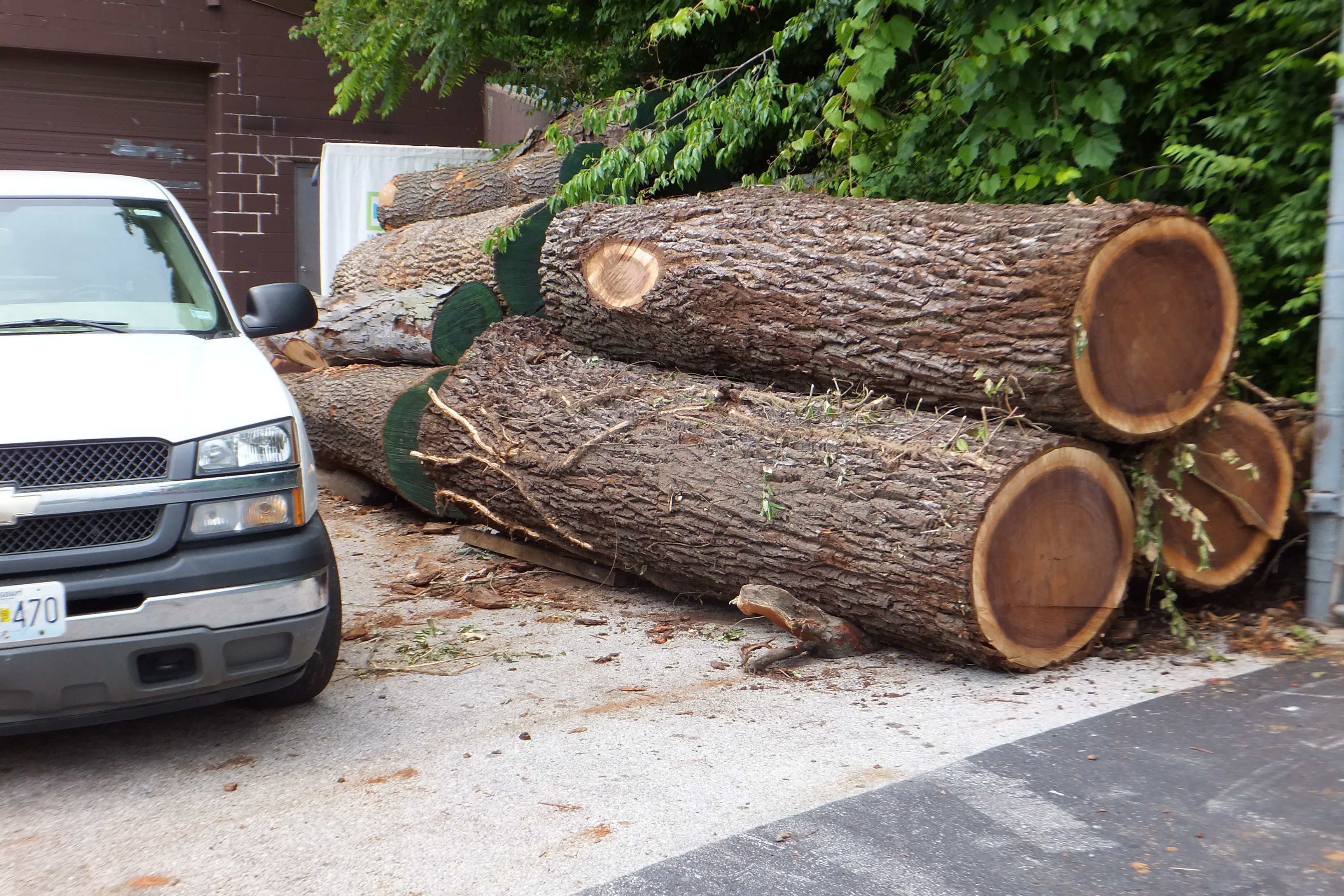
Ash logs can vary in value. The quality and grade play a big role. Logs free of knots and defects are highly valued. Straight logs are also more desired. The color and texture of the wood matter too. Logs with a rich, uniform color fetch a higher price. Grain patterns that are appealing make logs more valuable. Size is another factor. Larger, thicker logs are often worth more. The age of the tree can influence the value as well.
The value of ash logs depends on supply and demand. When many logs are available, prices may drop. Fewer logs mean prices could rise. Seasonal changes affect supply. In some seasons, logs are more available. Demand from furniture makers can increase value. They need high-quality wood for their products. Local demand can also influence prices. Areas with many buyers might see higher prices. Export markets can drive demand too.
Market Trends
Ash logs have changing prices. Last month, prices were lower. This month, prices went up. Supply and demand affect these changes. When supply is high, prices drop. Demand for ash logs is now higher. This makes prices increase. Buyers pay more for quality logs. Sellers adjust prices often. This keeps the market fair.
Economic conditions affect ash log prices. Strong economies can make prices rise. Weak economies may cause a drop in prices. Inflation impacts costs. It raises the price of logs. Transportation costs also change with economy shifts. This affects the final price. Buyers and sellers watch these changes closely. They plan when to buy or sell logs. This helps them make good choices.
Regional Variations
Ash logs in North America have unique values. Prices vary by region. Some areas have more trees than others. This affects the price. Logs in the North might be cheaper. The South may have higher demand. Buyers in cities pay more. Those near forests pay less. The size of the log matters too. Bigger logs cost more. Smaller logs are cheaper. Quality can also change the price. Logs without damage are worth more. Damaged logs sell for less.
In Europe, ash logs have different worth. Some countries have more supply. Others have less. This affects the value. Northern Europe often has cheaper logs. Southern Europe might pay more. Large cities usually pay higher. Rural areas might have lower prices. The log’s size matters here too. Bigger logs are priced higher. Smaller logs are more affordable. Quality is important for pricing. Good quality logs fetch more money. Poor quality logs sell for less.
Comparative Analysis
Ash logs are known for their durability and strength. These qualities make them a popular choice for furniture and flooring. Other hardwoods like oak and maple are also strong. But ash has a unique light color. This color is often preferred in making sporting goods like bats. Costs can vary based on quality and size. Generally, ash logs are more affordable than some hardwoods. Yet, they offer great value and performance.
Prices of ash logs have changed over the years. The demand has impacted these changes. High demand leads to higher prices. Low demand can lower prices. Environmental factors, such as pests, also affect pricing. Emerald ash borer is a pest that harms ash trees. This pest has caused price fluctuations. Monitoring these trends helps buyers make good choices. Historical data provides insights into future pricing patterns.
Credit: www.woodworkingnetwork.com
Buying And Selling Tips
Ash logs can be worth different amounts. It depends on many things. One key thing is the size of the logs. Bigger logs usually cost more. Another thing is the condition of the logs. Better condition means more money. Sellers often ask for a higher price. Buyers should know the market rate. This helps in bargaining. Both parties must agree on a fair price. Being polite and honest is important. Negotiating can be tricky but rewarding.
Quality is very important when buying ash logs. Look for logs without cracks or holes. The color should be consistent. Dark spots can mean problems. Check the grain pattern. A good pattern means high quality. Avoid logs with mold or rot. Healthy logs last longer. They are worth more money. Knowing these signs helps you pick the best logs.
Credit: www.woodworkingnetwork.com
Frequently Asked Questions
What Is An Ash Log Worth?
The value of an ash log varies based on size, quality, and market demand. Typically, prices range from $100 to $500 per thousand board feet. Local market conditions and ash tree diseases like Emerald Ash Borer can also impact the price.
Always check with local sawmills for current pricing.
How Valuable Is Ash Wood?
Ash wood is highly valued for its strength, flexibility, and attractive grain. It is ideal for furniture and flooring. Its light color and durability make it popular in woodworking projects. Ash wood’s availability and aesthetic qualities contribute to its market demand, enhancing its overall value.
How Much Does Ash Wood Sell For?
Ash wood typically sells for $5 to $15 per board foot. Prices vary based on quality, location, and demand. Higher-quality or kiln-dried ash wood may cost more. Always check local market rates for the most accurate pricing.
Can You Sell Ash Trees?
Yes, you can sell ash trees. Ensure compliance with local regulations. Buyers often seek ash wood for furniture and flooring.
Conclusion
Ash logs offer varying prices based on quality and demand. High-quality logs fetch better prices. Market trends and location also influence value. Selling ash logs requires understanding these factors. Careful research ensures fair pricing. Wood quality matters. So does timing.
Log sellers should stay informed. Compare offers and choose wisely. The right price benefits both sellers and buyers. Ash logs hold potential for profit. Knowing market dynamics aids success. Smart decisions lead to rewarding outcomes. Keep learning. Stay updated on industry changes.
This approach enhances chances of selling ash logs effectively.