How Much Does A New Hardwood Floor Cost: Proven Savings
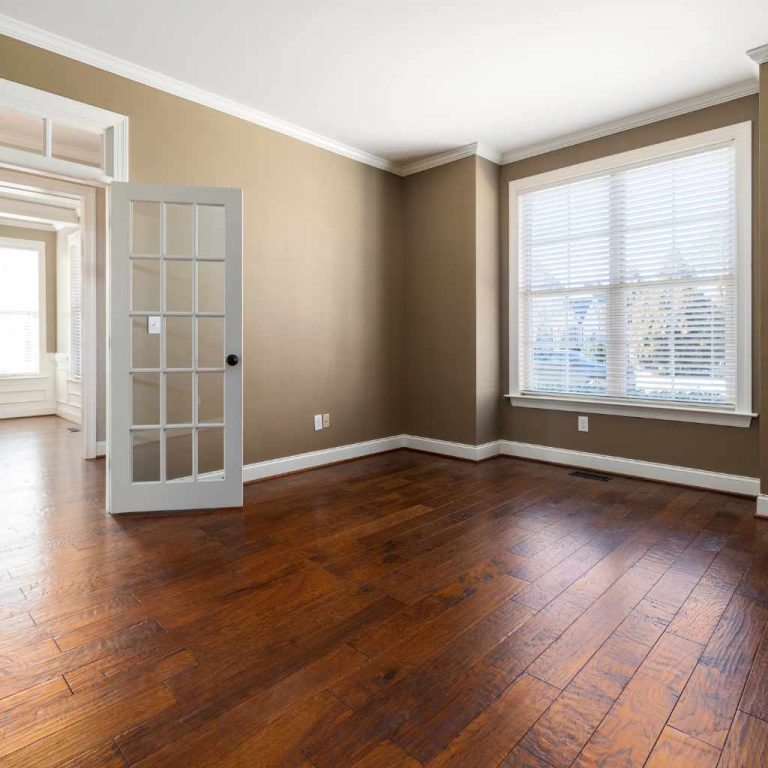
The cost of new hardwood flooring varies widely, typically ranging from $3 to $15 per square foot for materials and installation. Factors like wood species, finish, and complexity of the job play a big role. By understanding these elements and employing smart strategies, you can achieve significant savings on your stunning new floors.
Dreaming of beautiful, warm hardwood floors gracing your home? You’re not alone! Many homeowners pause at the thought of the cost, wondering, “How much does a new hardwood floor really cost?” It’s a common question, and the answer can seem a bit overwhelming at first. But don’t worry! With a little knowledge and a few clever tips, you can navigate the options and find ways to save money without sacrificing quality or that timeless hardwood charm. This guide will break down the costs, explain where your money goes, and reveal proven strategies to get the hardwood floors you love at a price that makes sense for your budget.
Understanding the Factors That Influence Hardwood Flooring Costs
When you’re asking “how much does a new hardwood floor cost,” it’s essential to know that there isn’t one single price. The final number is a puzzle made up of several important pieces. By understanding each of these pieces, you can make more informed decisions and potentially find savings.
1. Material Costs: The Wood Itself
The type of wood you choose is one of the biggest drivers of cost. Different wood species have unique characteristics, availability, and hardness, all of which affect their price.
- Common & Affordable Options: Woods like Red Oak and Maple are popular choices because they are readily available and more budget-friendly. They are durable and can be stained to achieve a variety of looks.
- Mid-Range Woods: Walnut and Cherry offer richer colors and more distinct grain patterns. They are a step up in price but still offer excellent value for their beauty and durability.
- Premium & Exotic Woods: Species like Brazilian Cherry, Teak, or Bamboo can be significantly more expensive due to their rarity, unique aesthetics, or specialized harvesting requirements.
Beyond the species, consider the grade of the wood. “Clear” grade wood has very few knots and a uniform appearance, making it more expensive. “Select” and “Number 1 Common” grades allow for more character and visual variation, which can lower the cost.
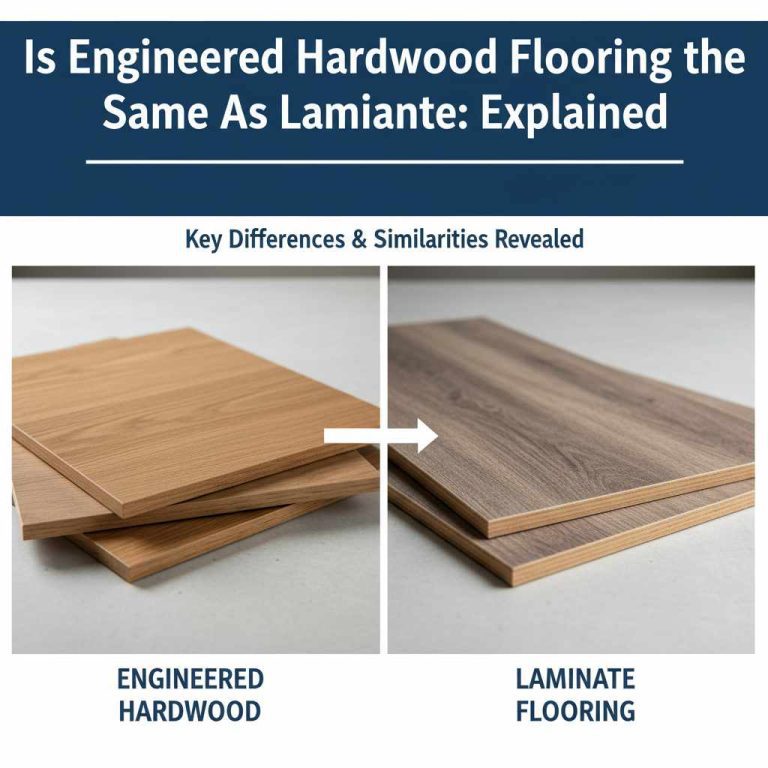
Tip: If you’re looking for savings, consider engineered hardwood. It has a real wood veneer on top, offering the look of solid hardwood but often at a lower price point, especially for rarer wood species. It’s also more dimensionally stable, making it a good choice for areas with fluctuating humidity.
2. Flooring Style & Construction
The way the hardwood is manufactured also impacts the price:
- Solid Hardwood: This is a single piece of wood, typically 3/4 inch thick. It can be sanded and refinished many times, offering a lifetime of beauty. Solid hardwood is generally more expensive to purchase and install than engineered options.
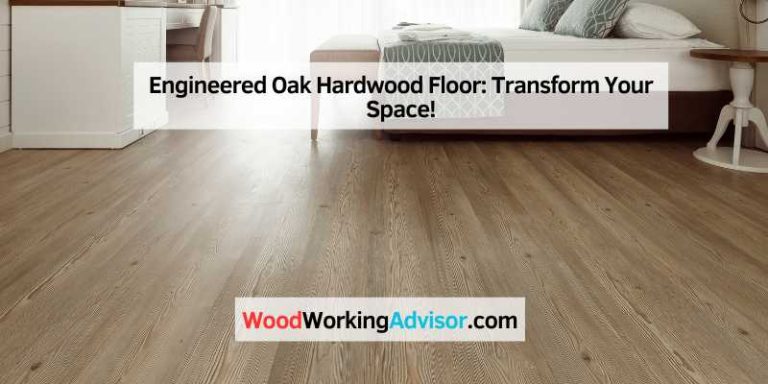
- Engineered Hardwood: This flooring is constructed with multiple layers of wood or composite material pressed together, with a top layer of real hardwood veneer. It’s more stable than solid wood and can be installed in more places, including basements and over concrete.
- Pre-finished vs. Site-finished: Pre-finished flooring comes with its stain and protective coating already applied at the factory. This can speed up installation and reduce mess but sometimes has a slightly higher material cost. Site-finished flooring is raw wood that is laid and then sanded, stained, and sealed on-site. This allows for complete customization but requires more labor and time in your home.
3. Installation Costs
This is often a significant portion of the overall “how much does a new hardwood floor cost” equation. The complexity of the installation, labor rates in your area, and the condition of your existing subfloor all play a role.
- Labor Rates: Professional installers typically charge by the square foot. Rates vary by region, with major metropolitan areas usually having higher costs than rural areas.
- Removal of Old Flooring: If you have existing flooring (carpet, tile, vinyl), it will need to be removed. Some installers include this in their quote, while others charge extra. It’s crucial to clarify this upfront.
- Subfloor Preparation: Your subfloor needs to be clean, level, and structurally sound. If repairs, leveling, or a new underlayment are required, this will add to the cost. A stable subfloor is critical for long-lasting hardwood. You can learn more about subfloor requirements from resources like the National Association of Home Builders (NAHB).
- Installation Method: Hardwood can be installed by nailing, stapling, gluing, or floating. Nailing and stapling are common for solid hardwood installed over a wood subfloor. Glue-down methods are often used for engineered hardwood over concrete or for a more secure installation. Floating floors are typically engineered and laid over an underlayment without being attached to the subfloor.
- Complexity: Installing in small, irregularly shaped rooms, around many obstacles (like staircases or fireplaces), or requiring intricate patterns (like a herringbone or diagonal layout) will increase labor time and cost.
4. Additional Materials and Fees
Don’t forget these often-overlooked costs:
- Underlayment: A moisture barrier or acoustic underlayment may be required, especially for engineered hardwood or installations over concrete.
- Transition Strips and Moldings: You’ll need pieces to connect your new hardwood to other flooring types, cover expansion gaps, or finish edges.
- Stairs: Installing hardwood on stairs is significantly more labor-intensive and expensive than on flat floors.
- Waste: Installers typically factor in about 5-10% for cuts and waste.
- Permits: In some areas, renovations might require building permits, adding a small fee.
Average Cost Breakdown: What to Expect Per Square Foot
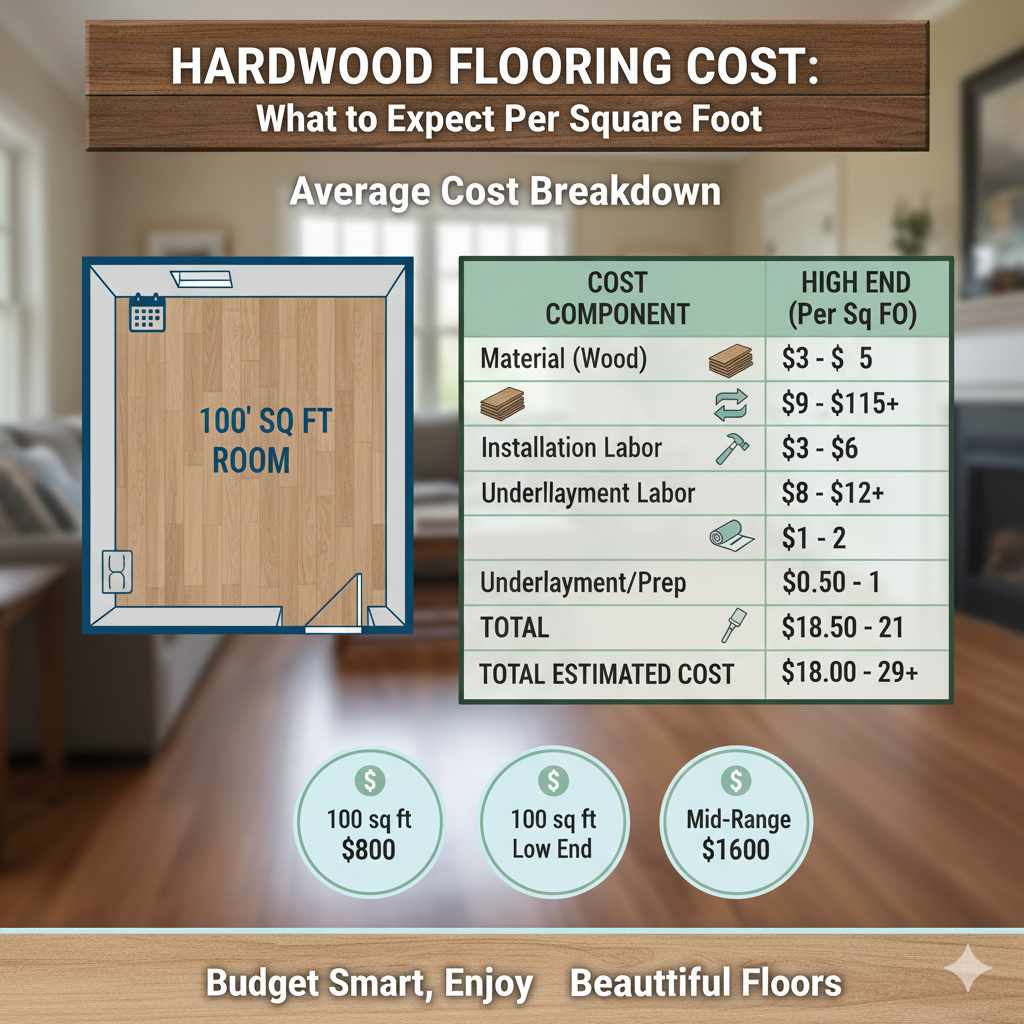
To give you a clearer picture of “how much does a new hardwood floor cost,” let’s break down the average figures. These are general estimates and can vary significantly based on the factors mentioned above.
Consider a standard 10′ x 10′ room, which is 100 square feet. This helps visualize the per-square-foot costs.
| Cost Component | Low End Estimate (Per Sq Ft) | Mid-Range Estimate (Per Sq Ft) | High End Estimate (Per Sq Ft) |
|---|---|---|---|
| Material (Wood) | $3 – $5 | $5 – $9 | $9 – $15+ |
| Installation Labor | $3 – $6 | $5 – $8 | $8 – $12+ |
| Underlayment/Prep Materials | $0.50 – $1 | $0.50 – $1.50 | $1 – $2 |
| Total Estimated Cost | $6.50 – $12 | $13.50 – $18.50 | $18.00 – $29+ |
Example for a 100 sq ft Room:
- At a low-end estimate of $8 per square foot, 100 sq ft would cost $800.
- At a mid-range estimate of $16 per square foot, 100 sq ft would cost $1600.
- At a high-end estimate of $24 per square foot, 100 sq ft would cost $2400.
These examples don’t include potential costs for rip-out, stair installation, or complex subfloor repair, which can add significantly to the total.
Proven Savings Strategies: Get Beautiful Floors for Less
Now for the exciting part – how to save money! With a smart approach, you can get the gorgeous hardwood floors you desire without overspending. These strategies are designed for beginner homeowners and DIY enthusiasts alike.
1. Do Your Homework on Wood Species
As discussed, wood type is a major cost influencer. Falling in love with an exotic species might be a budget buster. Researching more common, yet still beautiful, options can lead to substantial savings.
- Embrace the Classics: Red Oak, White Oak, Maple, and Hickory are durable, widely available, and generally more affordable than species like Walnut or Teak.
- Look for Value Grades: Don’t shy away from “common” or “select” grades. These planks often have more natural variations, knots, and mineral streaks, which many people find adds character and warmth to a floor. For a beginner, slight imperfections can be less noticeable if you choose a more varied grade.
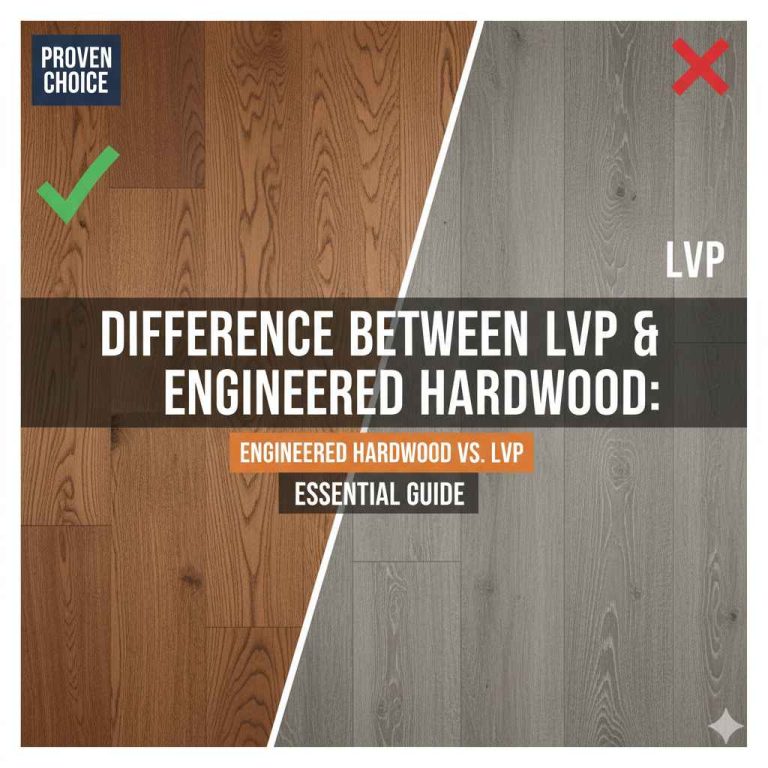
- Consider Alternatives: Sometimes, materials that look similar to hardwood but are more affordable, like luxury vinyl plank (LVP) with a high-quality wood grain, can be a great option for certain areas. However, if genuine hardwood is the goal, focus on the species.
2. Timing is Everything: Buy During Sales
Flooring retailers, both big box stores and local showrooms, frequently have sales. Keep an eye out for holiday promotions (Memorial Day, Labor Day, Black Friday) or end-of-season clearance events. Building materials are rarely at their lowest price year-round.
- Shop Around: Get quotes from multiple suppliers. Prices can vary significantly between different stores for the exact same product.
- Buy in Bulk if Possible: If you’re renovating multiple rooms or know you’ll need a certain amount of flooring, buying everything at once might secure a better price or qualify you for a volume discount.
3. Explore Engineered Hardwood
Engineered hardwood offers a budget-friendly way to get the authentic look and feel of real wood. Its layered construction makes it more stable and versatile, potentially reducing installation complications and costs in certain environments compared to solid hardwood.
Why it saves money:
- Often priced lower per square foot than solid wood, especially for premium veneers.
- Can be installed in more locations (over concrete, in basements), potentially reducing subfloor prep costs.
- Less prone to expansion/contraction issues, which can prevent future repair needs.
4. Consider DIY Installation (with Caveats!)
This is where you can potentially save the most money, though it requires time, effort, and some basic tool knowledge. If you’re comfortable with hands-on tasks and have the necessary tools, installing your own hardwood floors can cut labor costs by 50% or more.
What to consider for DIY:
- Tool Rental vs. Purchase: You’ll need a flooring nailer/stapler, a miter saw for cuts, and chalk lines. Renting these tools for a weekend is often cheaper than buying. For major renovations, consider purchasing if you plan to do more DIY projects. A guide to flooring nailers can help you understand the equipment needed.
- Time Commitment: Installing hardwood is not usually a weekend project. It can take days or even weeks depending on the size of your home and your skill level.
- Subfloor Preparation: Ensure your subfloor is perfectly level and clean. This is critical for a good installation and can be time-consuming.
- Learning Curve: Watch plenty of tutorial videos, read guides thoroughly, and perhaps even practice on a small, less visible area first.
- Installation Type: Click-lock or floating engineered hardwood floors are generally the easiest for DIY installation compared to nail-down or glue-down solid hardwood.
If DIY isn’t for you: Get multiple quotes from reputable flooring contractors. Ask for recommendations from friends or family, and check online reviews. Sometimes, a slightly higher quote from a highly-rated professional can save you money in the long run by avoiding mistakes.
5. Strategic Planning for Complex Areas
Stairs, closets, and doorways are areas where costs can escalate quickly due to intricate cuts and labor. If your budget is tight:
- Stairs: Consider using a durable, less expensive material for stairs, or leaving them as is if they are in good condition. If you must do them, price it out carefully with your installer.
- Closets: You might opt for a simpler, cheaper flooring material inside closets and then transition to hardwood in the main room. This hides the savings in less visible areas.
- Layout: Stick to a simple, straight lay pattern. Diagonal or herringbone patterns are beautiful but significantly increase labor costs.
6. Consider Refinishing Existing Hardwood
If you already have hardwood floors that are dated, scratched, or just not your style, refinishing them can be a fantastic way to save money and achieve a brand-new look. It’s often significantly cheaper than installing new flooring entirely.
- The Process: Refinishing involves sanding down the old finish and top layer of wood, then applying new stain and protective coats.
- Cost Savings: For a 100 sq ft room, refinishing might cost $300-$600, compared to $1000-$2500+ for new installation.
- DIY Potential: You can rent the sanding equipment (though it’s a labor-intensive and dusty job!) and do the staining and sealing yourself to save even more.
Budgeting for Your New Hardwood Floors: A Step-by-Step Approach
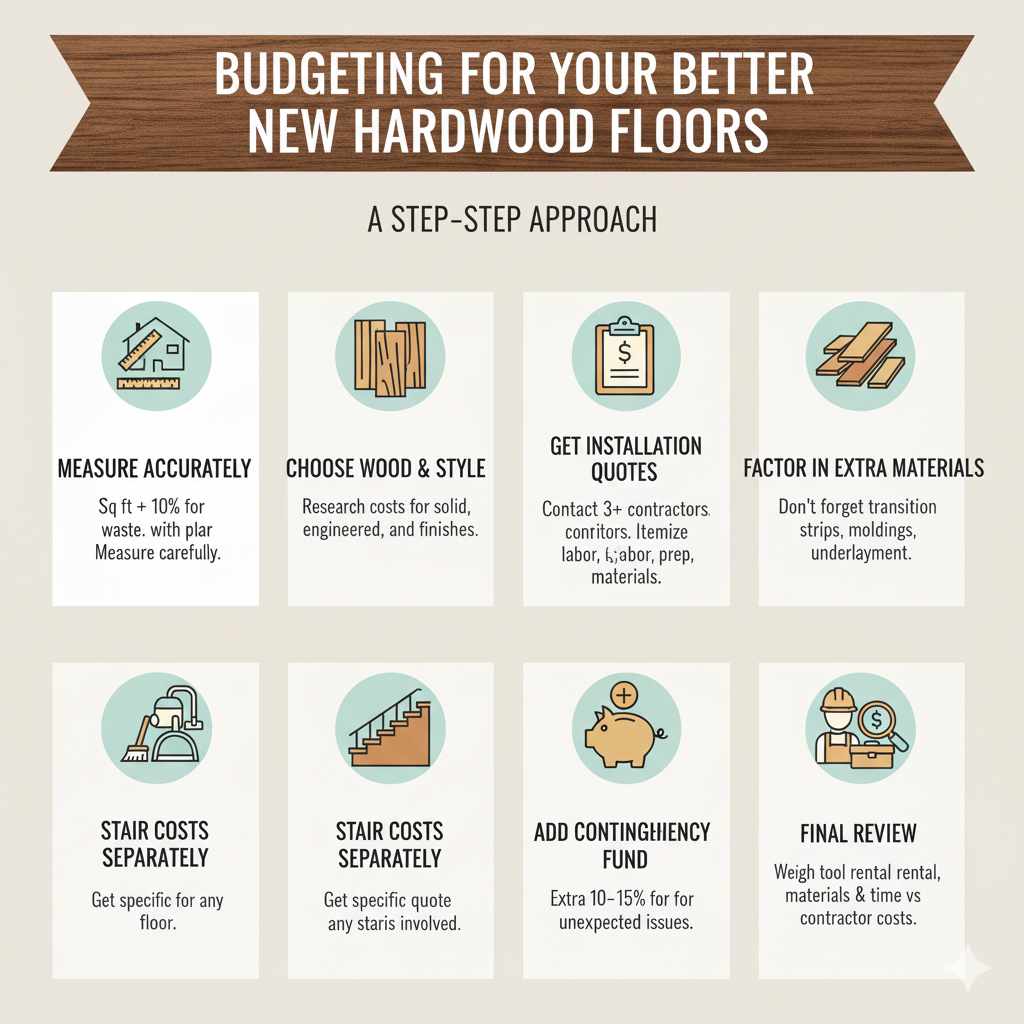
Let’s create a practical roadmap to budget for your new hardwood floors:
- Measure Your Space Accurately: Measure the length and width of each room you plan to floor. Multiply these numbers to get square footage. Always add an extra 10% for cuts, waste, and potential mistakes. For example, if a room is 150 sq ft, buy enough for at least 165 sq ft.
- Determine Your Preferred Wood Species and Style: Research the costs associated with your top 2-3 choices. Visit local flooring stores or browse online to get a feel for prices.
- Get Multiple Installation Quotes: Contact at least three reputable flooring contractors. Provide them with the exact square footage and details about the type of wood you’re considering. Ask them to break down the quote, including old flooring removal, subfloor prep, underlayment, and labor. Make sure they understand if you want solid vs. engineered, pre-finished vs. site-finished.
- Factor in Extra Materials: Don’t forget transition strips, moldings, and any specific underlayment recommended by the manufacturer or installer. These can add up, so ask for quotes for these items as well.
- Consider Stair Costs Separately: If stairs are involved, get a specific quote for them. This is often a significant add-on.
- Add a Contingency Fund: It’s wise to have an extra 10-15% in your budget for unexpected issues, such as discovering a problem with the subfloor during installation or choosing a slightly more expensive material than initially planned.
- Compare Installation vs. DIY: Weigh the total quoted cost from professionals against the cost of renting tools, purchasing materials, and your estimated time investment for a DIY project.
Hardwood Flooring FAQs
Q1: What is the cheapest hardwood flooring option?
Generally, the cheapest options are domestic hardwood species like Red Oak or Maple in a lower grade (e.g., Number 2 Common). Engineered hardwood with a thinner veneer can also be more affordable than solid hardwood of the same species. Look for sales and consider options with more visual character.
Q2: Is it worth the extra cost to get solid hardwood over engineered hardwood?
Solid hardwood can be sanded and refinished more times than engineered wood, potentially offering a longer lifespan if maintained. However, engineered hardwood is often more stable, resists moisture better, and can be installed in more locations, making it a more versatile and sometimes more practical choice for many homes. The “worth” depends on your priorities and installation environment.
Q3: How much more does it cost to install hardwood floors on stairs?
Installing hardwood on stairs is considerably more labor-intensive due to complex cuts, precision fitting, and the need for specialized tools. You can expect stair installation to cost anywhere from 2 to 4 times more per step than installing on a flat surface.