Teak vs Walnut: Outdoor Durability vs Indoor Looks
Teak is the outdoor wood — its natural oils shed water and resist rot without any finish, which is why it’s the standard for boat decks and patio furniture. Walnut is the indoor wood — it has no weather resistance to speak of, but its dark, richly figured grain is what makes it a premium choice for furniture and cabinetry. They’re not really competing for the same project; the room decides which one you want.
Teak also costs roughly 2-4x what walnut does per board foot, so budget and location usually settle the question before appearance does.
Characteristics Of Teak
Teak is a dense tropical hardwood (Janka hardness around 1,000-1,155 lbf) with a golden-brown color that naturally weathers to a silvery gray outdoors if left unsealed. Its defining trait is a high natural oil and silica content — the same oils that made it the traditional choice for ship decking make it naturally water-repellent and resistant to rot, fungus, and most insects without any chemical treatment.
Best For Outdoor Teak Furniture Care
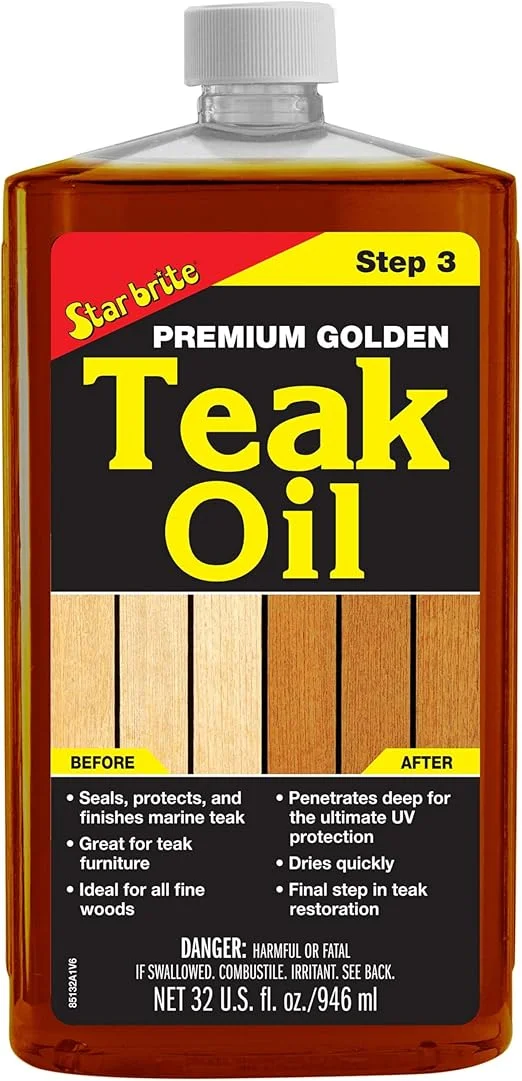 |
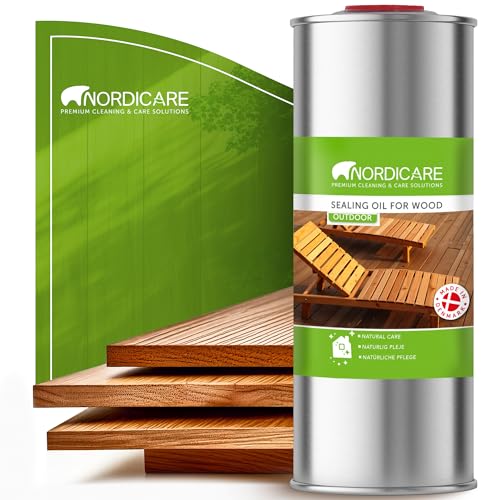
Star Brite Premium Golden Teak Oil, 32 oz – $27.52 Teak survives outdoors unfinished, but oiling restores the golden color instead of letting it gray.
|
Characteristics Of Walnut
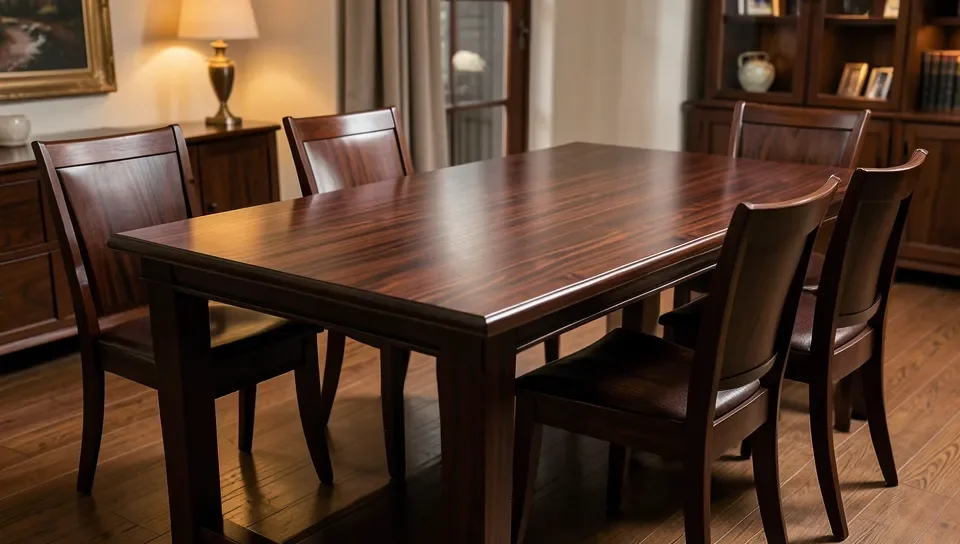
Black walnut is a domestic North American hardwood (Janka hardness around 1,010 lbf, close to teak’s, but with none of teak’s natural weather resistance). Its heartwood ranges from light brown to deep chocolate, often with a subtle purplish cast when freshly cut, and it darkens further with age and light exposure. The grain is generally straight but can show striking figure — curly, wavy, or burl patterns are common and prized in furniture-grade boards.
Walnut is famously easy to work with hand or machine tools, takes stain and oil finishes evenly, and holds fine detail well — a big reason it’s a favorite for carved or turned furniture pieces and gunstocks as well as tables and cabinetry.
Teak For Outdoor Use
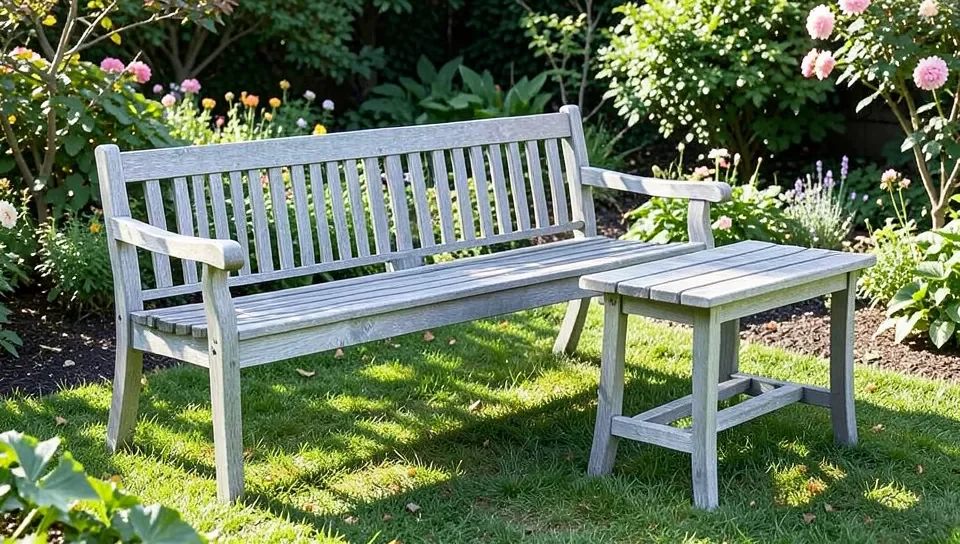
Teak is the reference standard for outdoor furniture and marine decking because it survives decades of rain, sun, and humidity without rotting or needing a protective finish. Left untreated, it weathers to a silvery-gray patina that many owners prefer over maintaining the golden color; either way, the wood itself keeps its structural integrity.
The only real maintenance is cosmetic: an occasional wash with mild soap and water removes dirt and mildew, and a teak oil or sealer restores the golden tone if you don’t want the gray look. Avoid pressure washing at close range or harsh chemical cleaners — both can strip the wood’s natural oils and roughen the surface prematurely.
Walnut For Indoor Elegance
Walnut has essentially no place outdoors — it lacks teak’s natural oils and will rot, warp, and discolor with repeated moisture exposure. Indoors, though, its dark tones and figured grain read as premium in almost any style, from mid-century modern to traditional, and it pairs well with lighter woods and metals in mixed-material furniture.
Walnut furniture is also a reasonably durable long-term investment for indoor use — its moderate hardness resists dents and scratches better than soft woods like pine, and a quality finish protects it from the humidity swings of a typical home for decades.
Cost Comparison
Teak typically runs $30-$60+ per board foot for furniture-grade lumber, reflecting its slow growth, import costs, and high demand for boat and outdoor furniture use. Black walnut runs closer to $10-$20 per board foot domestically, making it far more accessible for furniture projects of any size.
That price gap is the real reason most people choose walnut for large indoor furniture pieces (a walnut dining table is realistic for a home shop budget; an equivalent teak table often isn’t) while reserving teak for smaller outdoor pieces where its weather resistance actually earns its price.
Choosing The Right Wood
Pick teak when the piece will live outdoors or in a consistently damp environment (a bathroom shower bench, a boat interior, patio furniture) and you’re willing to pay for wood that needs essentially zero structural maintenance. Pick walnut when the piece stays indoors and you want a dark, premium look with a wide range of workability — walnut takes finishes, joinery, and detail work more easily and at a fraction of teak’s cost.
Cutting boards are a special case worth calling out separately since both woods get recommended for them despite the outdoor/indoor split above — see our teak vs walnut cutting board comparison for how food-safety and knife-friendliness change the calculation.
Care And Maintenance Tips
Teak needs cleaning with mild soap and water and, if you want to keep the golden color, an oil application every few months since outdoor UV exposure breaks the oil coating down over time. Never use harsh detergents or wire brushes — they strip the wood’s natural protective oils along with the dirt.
Walnut needs simple indoor care: dust regularly, keep it out of direct sunlight to slow color shifting, use coasters and trivets to prevent water rings and heat marks, and reapply furniture oil or wax every 6-12 months depending on use. Keep walnut away from heating vents and radiators, since dry heat can cause cracking over time.
Frequently Asked Questions
Which Is Better, Walnut Or Teak Wood?
Neither is universally better — teak is the far better choice outdoors thanks to its natural oils and rot resistance, while walnut is the better choice indoors for its rich color, fine grain, and lower cost. The right pick depends entirely on where the piece will live.
How Can You Tell If Wood Is Teak Or Walnut?
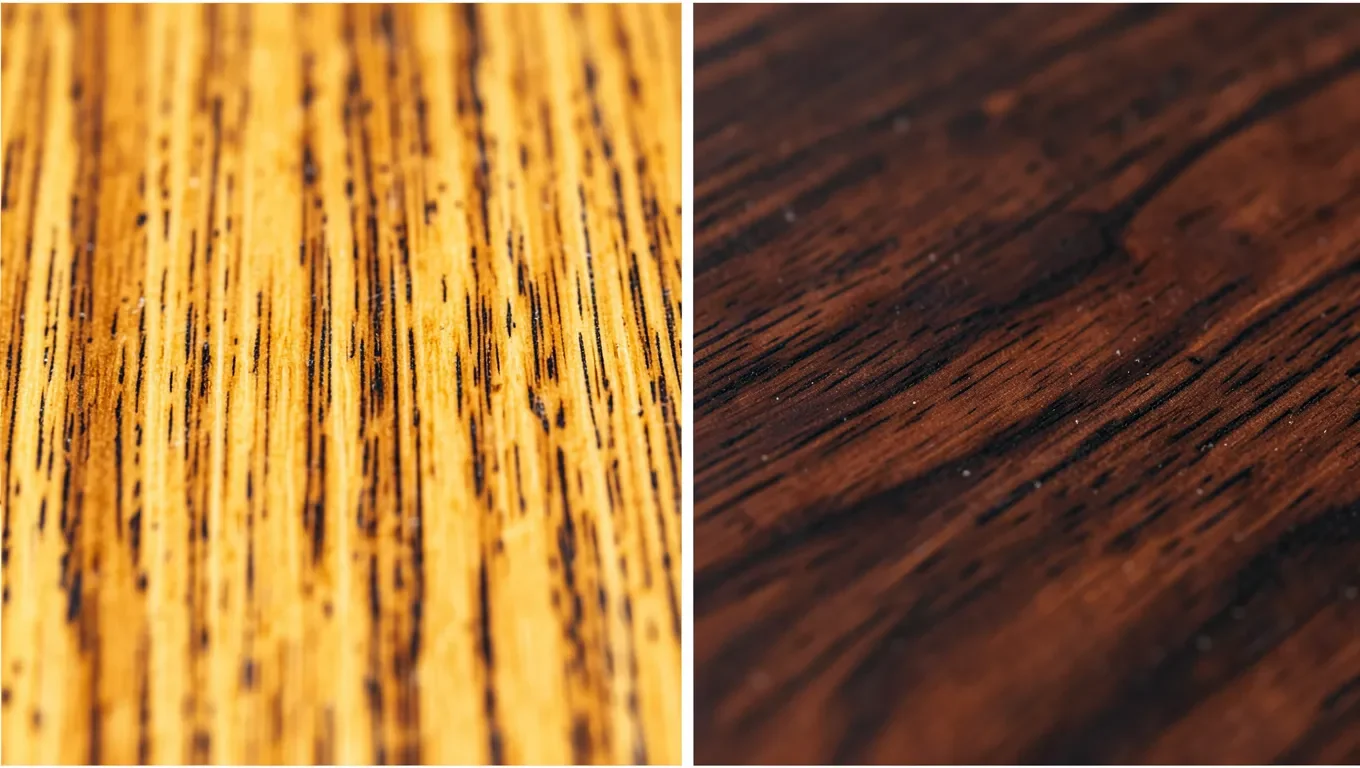
Teak has a golden-brown color, a slightly oily or waxy feel, and a distinctive leathery smell when cut. Walnut is darker (light brown to chocolate, often with a purplish cast when fresh), feels drier to the touch, and typically shows more dramatic grain figure than teak’s straighter pattern.
What Are The Disadvantages Of Teak Wood?
Teak’s biggest downsides are cost and availability — furniture-grade teak commonly runs $30-$60+ per board foot due to slow growth and import demand. Its high natural oil content can also interfere with glue adhesion and some finishes if the surface isn’t properly cleaned and sanded first.
Is Teak Becoming Harder To Find?
Genuine old-growth teak has gotten scarcer and pricier due to decades of over-harvesting in Southeast Asia, though plantation-grown teak from managed forests has become the main supply source and is widely available through reputable lumber suppliers.
Conclusion
Teak and walnut solve different problems: teak is built to survive outdoors with almost no maintenance, walnut is built to look premium indoors at a fraction of the cost. Match the wood to where the piece actually lives, not just which color you prefer, and you’ll get the durability and appearance you’re paying for either way.
Sponsored / affiliate links. As an Amazon Associate I earn from qualifying purchases. I may earn additional commission from eligible campaigns.