How Much Does a Small Wood Deck Cost around Pool: Guide
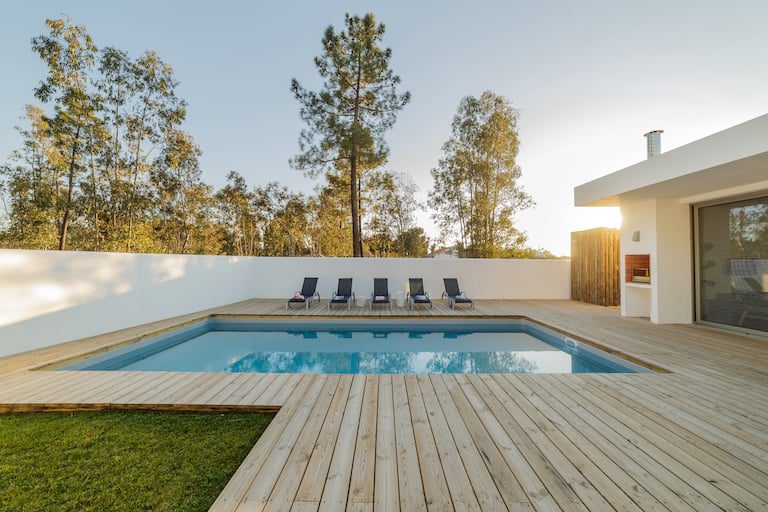
Are you dreaming of transforming your backyard into a serene oasis with a charming wood deck around your pool? Imagine sipping a refreshing drink, feeling the warmth of the sun, and enjoying the calming ambiance right at home.
But before you dive into this exciting project, you might be wondering, “How much does a small wood deck cost around a pool? ” It’s a crucial question, especially if you’re looking to balance your dream setup with your budget.
In this guide, we’ll unravel the costs, giving you a clear picture of what to expect. You’ll discover the factors that influence pricing, helping you make informed decisions without surprises. So, if you’re ready to create your personal retreat without breaking the bank, keep reading to uncover everything you need to know.

Credit: homeguide.com
Factors Influencing Deck Cost
The cost of materials can vary greatly. Wood types like cedar or redwood are popular. They are more expensive than pressure-treated wood. Composite materials can be even pricier. Choosing the right material is important. It affects the deck’s durability and look.
A larger deck requires more materials. This increases the overall cost. Complex designs with curves or levels are more costly. Simple, straight designs save money. The size and design impact labor costs too. More intricate designs take longer to build.
Hiring professionals can be costly. They charge for their expertise and time. DIY projects can save money, but can be hard. Proper installation ensures a safe deck. Incorrect installation can cause future repairs. So, it’s important to consider labor quality.
Credit: homeguide.com
Types Of Wood For Pool Decks
Pressure-treated lumber is a popular choice. It is affordable and strong. The wood resists rot and insects. Its lifespan is long. It is easy to find and buy. The color is greenish-brown. It can be painted or stained. Maintenance is needed to keep it nice.
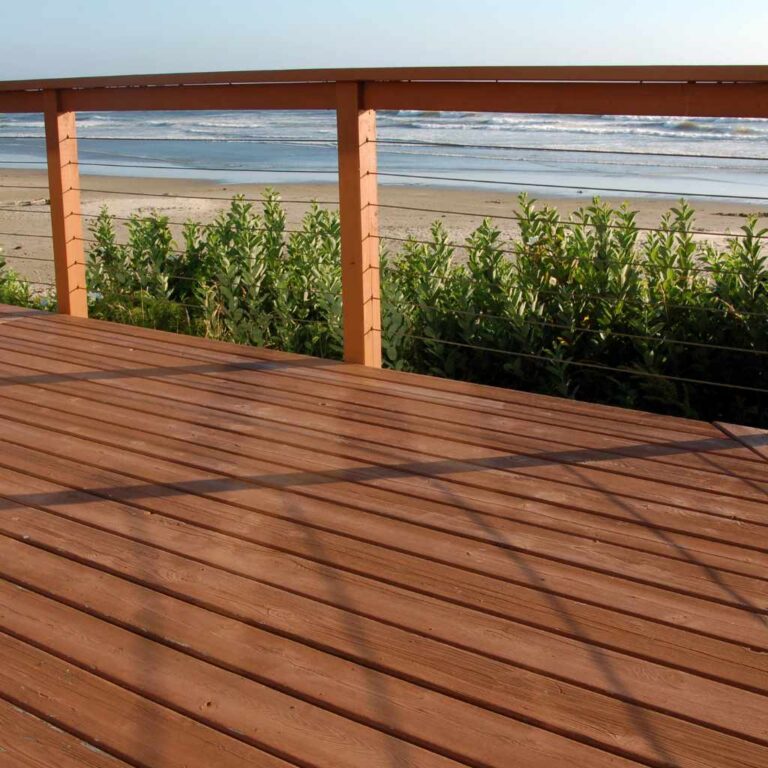
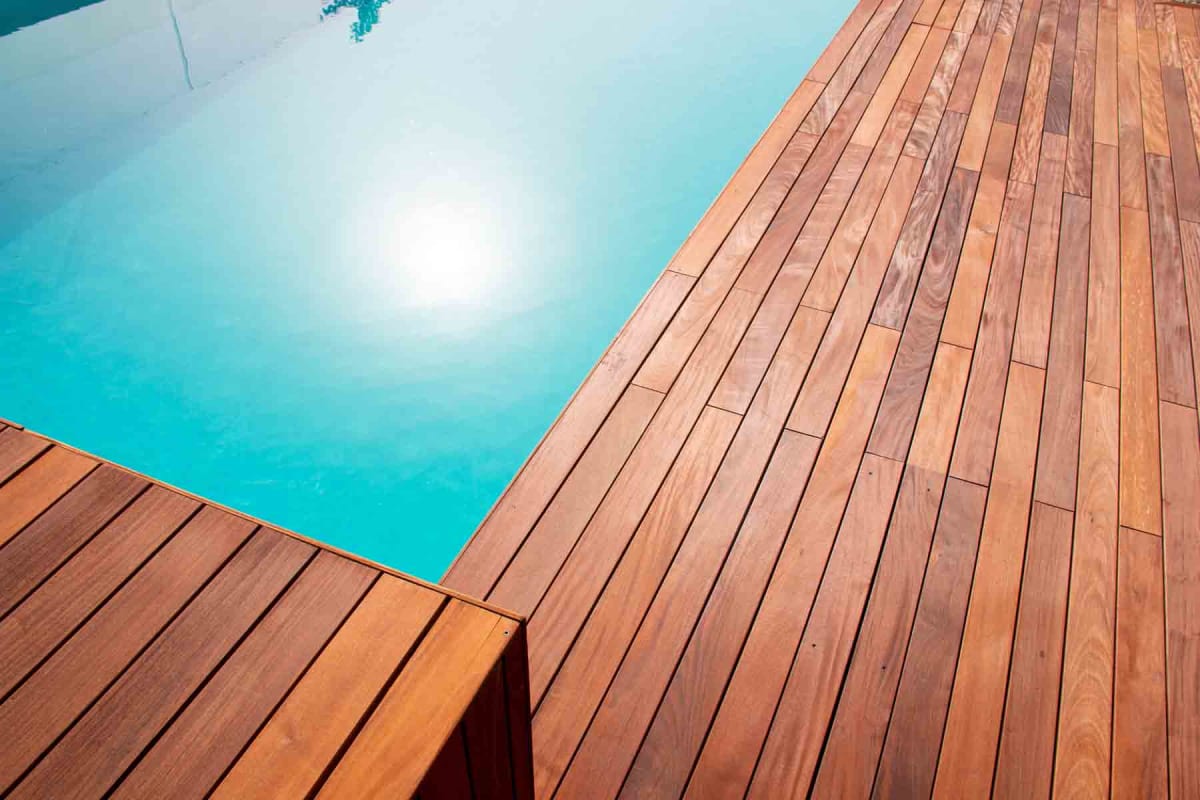
Cedar and redwood are beautifuloptions. They naturally resist rot and decay. The wood has a nice smell. Cedar is light in color. Redwood is darker. The cost is higher than pressure-treated wood. They need regular care to stay fresh. The wood is soft, so handle it gently.
Exotic hardwoods are very durable. They come from faraway places. The color is rich and deep. They resist bugs and rot naturally. The cost is high. They last for many years. Teak and ipe are common choices. Maintenance is less but care is needed.
Cost Estimation Methods
Estimating the cost of a small wood deck around a pool involves considering materials, size, and labor. Prices typically range from $15 to $35 per square foot. Factors like wood type and location can influence the final cost.
Per Square Foot Calculation
Calculating the cost of a small wood deck around a pool can be simple. The first step is to measure the area in square feet. You need a tape measure for this. Multiply the length by the width to get the total square feet. The average cost per square foot is usually between $15 to $35. This includes materials and labor. For a deck of 100 square feet, the price range is $1,500 to $3,500. Prices can vary based on the type of wood you choose. Cedar and pine are popular options. Cedar is more expensive than pine. Always check local prices for accuracy.
Budgeting For Extras
Extras can add to the cost of your deck. Safety railsare essential around pools. They can cost between $20 to $60 per linear foot. Lighting is another extra. It ensures safety at night. Lighting costs can range from $100 to $300. Some decks need steps or stairs. Each step can cost around $40 to $60. Always plan for these extras in your budget. A well-planned budget avoids surprises. Talk to a professional for advice. They can help estimate total costs accurately.
Comparing Costs With Alternatives
Exploring the cost of a small wood deck around a pool can save money. Wood decks often cost less than stone or concrete. Consider maintenance costs too. Wood might need more upkeep but offers a natural look.
Composite Decking
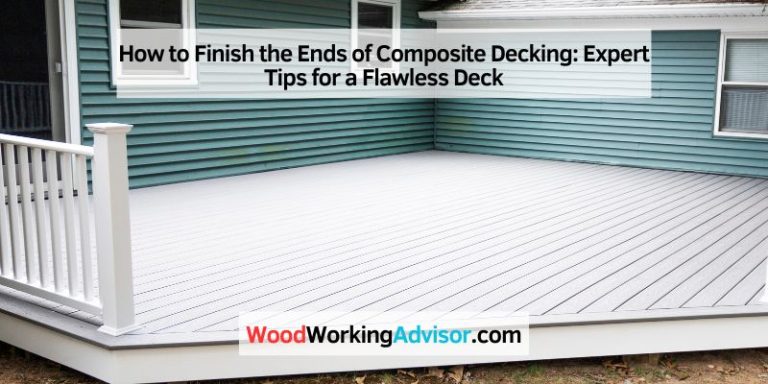
Composite decking can be a good choice. It lasts long and looks nice. But, it can cost more than wood. Some people like it because it needs less care. No need for painting or staining. Composite decking can handle bad weather. This makes it a popular choice. Yet, the price can be high. So, think about your budget.
Concrete And Stone
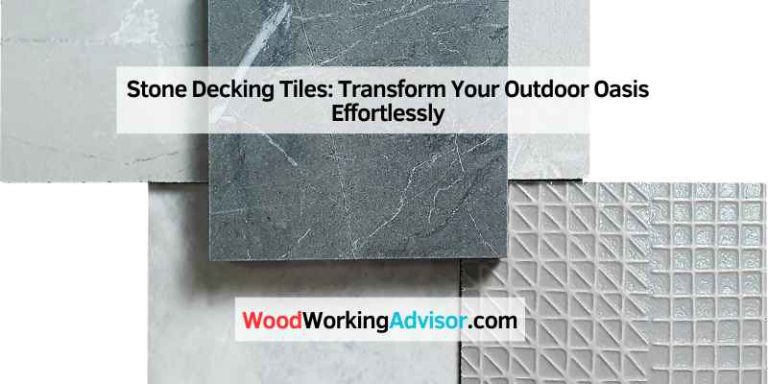
Concrete and stone are strong materials. They last a long time. They can handle water and sun. This makes them great for pools. Concrete can be cheaper than stone. But, stone looks very nice. Both need less upkeep than wood. They might cost more at first. Yet, they can save money later. Always think about what you like. And how much you can spend.
Maintenance And Longevity
Regular upkeepkeeps the deck looking new. Cleaning is needed often. Costs for cleaning products are low. Sweeping removes dirt and debris. Staining protects wood from water. It also keeps the color bright. Staining should be done every few years. Sanding can remove rough spots. It helps the deck feel smooth. Repairs might be needed sometimes. Fixing loose boards is easy. With care, decks last many years.
Long-term investmentis wise. A deck boosts home value. It offers relaxation space. Families enjoy spending time outside. Wood decks are strong and durable. They survive different weather conditions. This makes them reliable. Over time, the deck pays for itself. It saves money on outdoor fun. It’s a good choice for homeowners.

Credit: www.coowingroup.com
DIY Vs Professional Installation
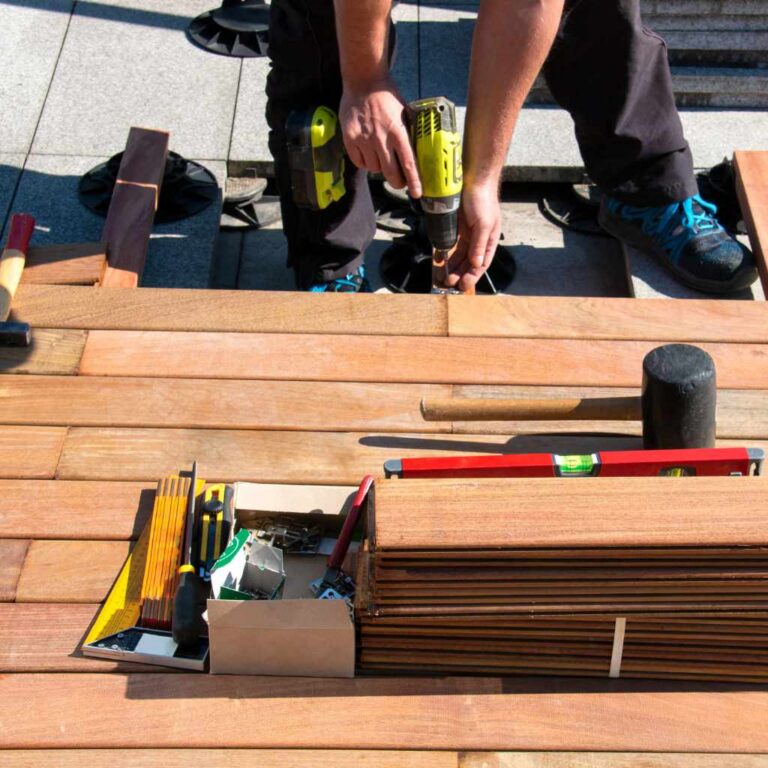
Building a deck by yourself can save money. DIY projects often cost less. You only pay for materials. Hiring professionals costs more. They charge for labor. Professionals work faster. They know what they are doing. Mistakes can be expensive. Fixing errors costs time and money.
DIY decks are cheaper upfront. You spend less at the start. Professional decks can be expensive. They might last longer. Quality work can save money in the long run. Materials affect cost too. Fancy wood costs more. Basic wood is cheaper. Size matters. Bigger decks cost more. Smaller decks are cheaper.
Tips For Cost-effective Deck Building
Good planning saves money. Draw a simple deck plan. Check the size and shape. Think about how people will use it. A smart plan helps avoid mistakes. Use a measuring tape. Be sure everything fits well. Keep it simple to cut costs. Choose a style that matches your home. A simple design costs less.
Finding materials at the right price helps. Visit local stores. Compare prices. Ask for discounts. Sometimes, buying in bulk saves money. Check online for deals. Look for sales on wood. Quality materials last longer. Choose wood that stays strong over time. Don’t pick cheap wood. It might break easily. Smart choices save money long term.
Frequently Asked Questions
How Much Does It Cost To Build A Small Deck Around A Pool?
Building a small deck around a pool typically costs $3,000 to $10,000. Pricing varies based on materials, size, and complexity. Common materials include wood and composite decking. Consider additional expenses for permits and professional installation to ensure quality and safety.
Always compare quotes from different contractors for the best deal.
How Much Does A 10×10 Pool Deck Cost?
A 10×10 pool deck costs around $2,000 to $6,000, depending on materials and labor. Wood is cheaper, while composite or concrete increases costs. Prices vary by location and contractor rates. Always get multiple quotes for accurate pricing.
How Much Would A Small Wooden Deck Cost?
A small wooden deck typically costs between $1,500 and $4,000. Prices vary based on materials and location. Labor costs and deck size also influence the total price. For accurate estimates, contact local contractors.
How Much Would A 12×12 Wood Deck Cost?
A 12×12 wood deck typically costs between $2,000 and $6,000. Prices vary based on materials, labor, and location. Factors like design complexity and additional features can also impact the overall cost. Always consult with local contractors for accurate estimates tailored to your specific needs and circumstances.
Conclusion
Building a small wood deck around a pool adds value and beauty. Costs vary based on materials, size, and design choices. Planning helps keep expenses manageable. Researching different wood types can lead to budget-friendly options. Hiring professionals ensures quality and safety.
DIY projects might save money but require time and skills. Consider long-term maintenance when planning your budget. Regular care extends your deck’s life. Investing in a pool deck enhances outdoor enjoyment. A well-planned deck transforms your backyard into a relaxing oasis.
Explore options and choose what suits your lifestyle and budget best.