Wolf Decking Vs Trex: The 50-Year Warranty Claim Fact-Checked
Wolf Decking and Trex are closer in specs than most comparisons suggest — both run roughly 94-95% recycled content, and Wolf’s premium Serenity line matches Trex’s top lines at a 50-year warranty, not the shorter 25-year term often quoted. The real difference is dealer network and product-line depth, not a durability gap. This guide covers accurate warranty terms, real cost differences, and which line fits your budget. For a wider view, see our 7-brand composite decking comparison against AZEK, TimberTech, Fiberon, MoistureShield, and Deckorators.
Material Composition
Best Hidden Fastener Pick For Either Brand
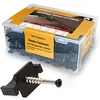 |
ManCoda Hidden Deck Fasteners (900-Pack, 500 sq ft) – $233.60 Both Wolf and Trex boards install with a hidden-fastener system rather than face-screwing — this universal clip set works with either brand’s grooved board profile and covers a full 500 sq ft deck in one order.
|
As an Amazon Associate we earn from qualifying purchases.
Both brands make composite decking from a wood-fiber-and-plastic blend, but the exact recipe and finish differ slightly.
| Wolf Decking | Trex | |
|---|---|---|
| Base material | Wood fibers + plastic, textured surface | Recycled wood scraps/sawdust + recycled plastic film |
| Recycled content | ~94% | ~95% |
| Surface finish | Textured wood-grain, requires no painting | Smooth to embossed wood-grain, capped surface |
Both are genuinely close on recycled content — a 1-point gap isn’t a meaningful differentiator despite how it’s sometimes framed. Neither uses harmful chemicals in production, and both are considered legitimate sustainable choices versus a fully virgin-plastic composite.
Design And Style Options
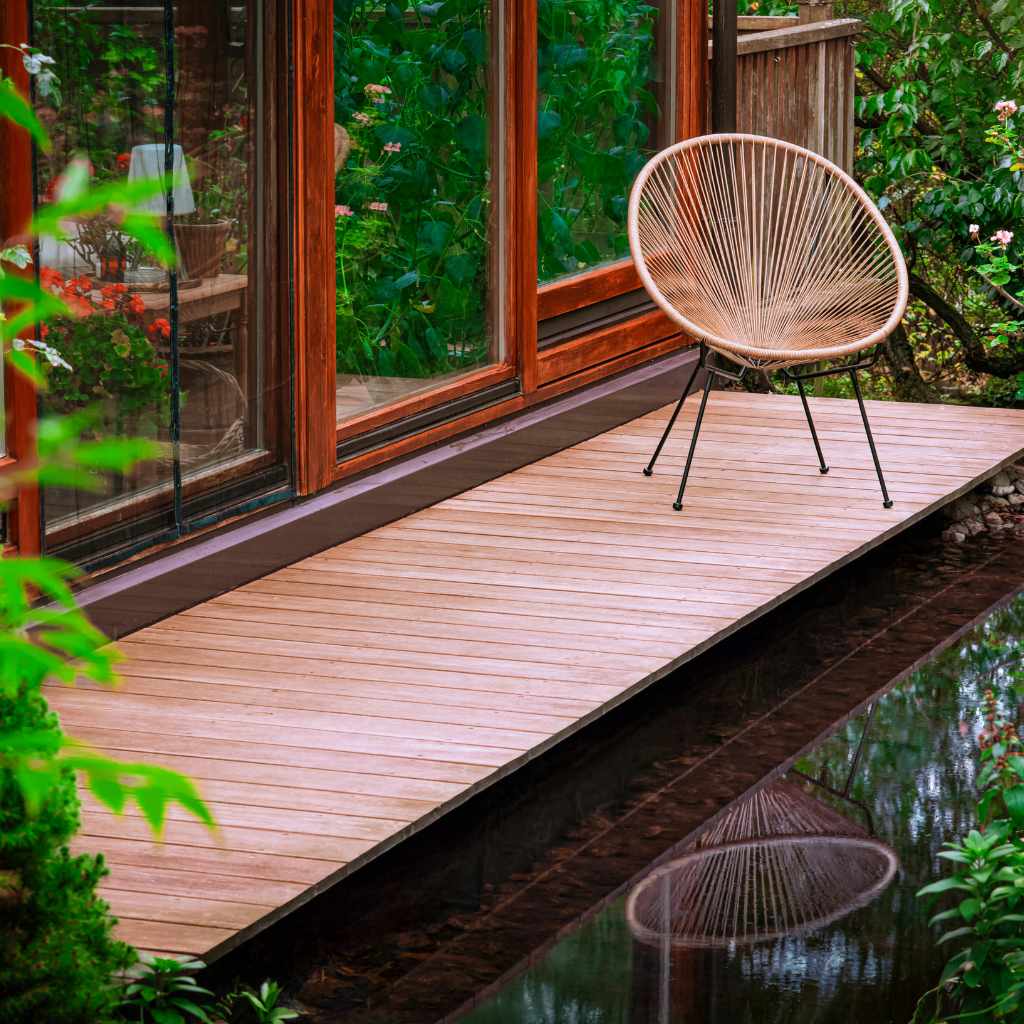
Both brands offer multiple color lines mimicking natural wood tones, from light cedar shades to deep browns and grays, with embossed wood-grain texture on the board face. Wolf’s grain texture reads slightly more natural underfoot; Trex’s capped boards lean toward a more uniform, polished look. Both resist visible fading under UV exposure over the length of their warranty period.
Durability, Maintenance, And Real Cost
Neither Wolf nor Trex requires sealing, staining, or painting — that’s the core selling point of composite decking versus real wood, and it applies equally to both brands. Cleaning is soap and water for routine maintenance; both resist mold, mildew, and splintering far better than pressure-treated lumber.
| Wolf Decking | Trex | |
|---|---|---|
| Upfront cost | Generally lower per linear foot | Generally higher, especially top-tier lines |
| Maintenance | Soap and water, no sealing needed | Soap and water, no sealing needed |
| Dealer network | Smaller, regional | Larger, more nationwide availability |
The real cost gap is mostly upfront price and which product line you compare — Wolf’s entry lines undercut Trex’s entry lines, and both brands’ premium lines land in a similar range once you account for matching 50-year warranties.
Warranty Comparison (Corrected)
Warranty length is one of the most commonly misquoted specs in Wolf vs. Trex comparisons — it depends entirely on which product line you’re buying, not the brand as a whole.
| Brand | Entry Line | Premium Line |
|---|---|---|
| Wolf Decking | Shorter limited warranty | Serenity line: 50-year residential stain & fade warranty |
| Trex | Shorter limited warranty on base lines | Top lines: up to 50-year warranty |
Confirm the exact warranty terms for the specific product line and color you’re buying before assuming either brand’s headline number applies — warranty length varies by line within each brand, not just between the two brands.
Installation Process
Both brands use a grooved-edge board profile paired with hidden fasteners rather than face-screwing, which is what gives composite decking its clean, screw-free surface look. Installation needs basic tools — a drill, saw, and measuring tape — and beginner-to-intermediate carpentry skill on either brand. Neither requires specialized tools beyond the hidden-fastener clips themselves.
Environmental Impact
Both brands build their decking from a similar recycled-material ratio (roughly 94-95%), sourcing wood fiber from sawdust/scrap and plastic from recycled film and packaging. At end of life, both companies support recycling programs for their own composite material rather than sending it to landfill. Neither brand’s sustainability profile is a meaningfully better choice than the other at this point — the difference of a percentage point isn’t decision-driving.
Which Should You Choose?
Pick Wolf Decking if you want a lower upfront cost and can find a local dealer — its Serenity line matches Trex’s top-tier warranty at a typically lower price point. Pick Trex if you want the widest dealer network, the most color/style options, or you’re working with a contractor who already stocks Trex parts and fasteners. Within either brand, compare the specific product line’s actual warranty and price — don’t assume the brand-level generalization applies to the exact board you’re buying.
Frequently Asked Questions
What Are The Main Differences Between Wolf Decking And Trex?
Both are composite decking with similar recycled content (94-95%) and comparable warranties on their premium lines. The practical differences are dealer availability (Trex has a larger network), upfront price (Wolf’s entry lines typically cost less), and style range (Trex offers more color/texture options).
Which Decking Option Is More Durable, Wolf Decking Or Trex?
Neither has a documented durability edge over the other at the premium-line level — both use a protective capped or textured surface and carry warranties up to 50 years on their top lines. Durability differences show up more between product tiers within a brand than between the two brands.
How Does The Cost Of Wolf Decking Compare To Trex?
Wolf Decking is typically less expensive per linear foot, especially at the entry level. Trex’s pricing runs higher partly due to its larger dealer network and broader style selection, not because of a documented durability advantage.
Do Wolf Decking Or Trex Need Sealing Or Staining?
No. Neither brand requires sealing, staining, or painting — that’s the core advantage of composite decking over real wood. Routine cleaning with soap and water is all either brand needs.
Does Wolf Decking Really Have Only A 25-Year Warranty?
That figure applies only to some of Wolf’s lower-tier lines. Wolf’s Serenity line carries a 50-year residential stain and fade warranty, matching Trex’s top-tier products. Always check the warranty for the specific product line you’re buying, not a single brand-wide number.
Conclusion
Wolf Decking and Trex are closer competitors than most head-to-head articles suggest — similar recycled content, similar top-tier warranties, and the same no-sealing maintenance advantage over real wood. The decision usually comes down to local dealer availability and which product line’s price and style fit your project, not a meaningful durability gap between the two brands.
Sponsored / affiliate links. As an Amazon Associate I earn from qualifying purchases. I may earn additional commission from eligible campaigns.
 SuperStructuring Plugs for Decking - 1/4" Trex Composite Decking Wood Plugs, Weather-Resistant, UV Protection, Hole Covers for Outdoor Home Improvement & Repair - Enhance Naturals Foggy Wharf, 100-PcSuperStructuring Plugs for Decking - 1/4" Trex Composite Decking Wood Plugs, Weather-Resistant, UV Protection, Hole Covers for Outdoor Home Improvement & Repair - Transcend Tiki Torch, 100-Pc