How Much Does Hardwood Flooring Cost: Best Guide
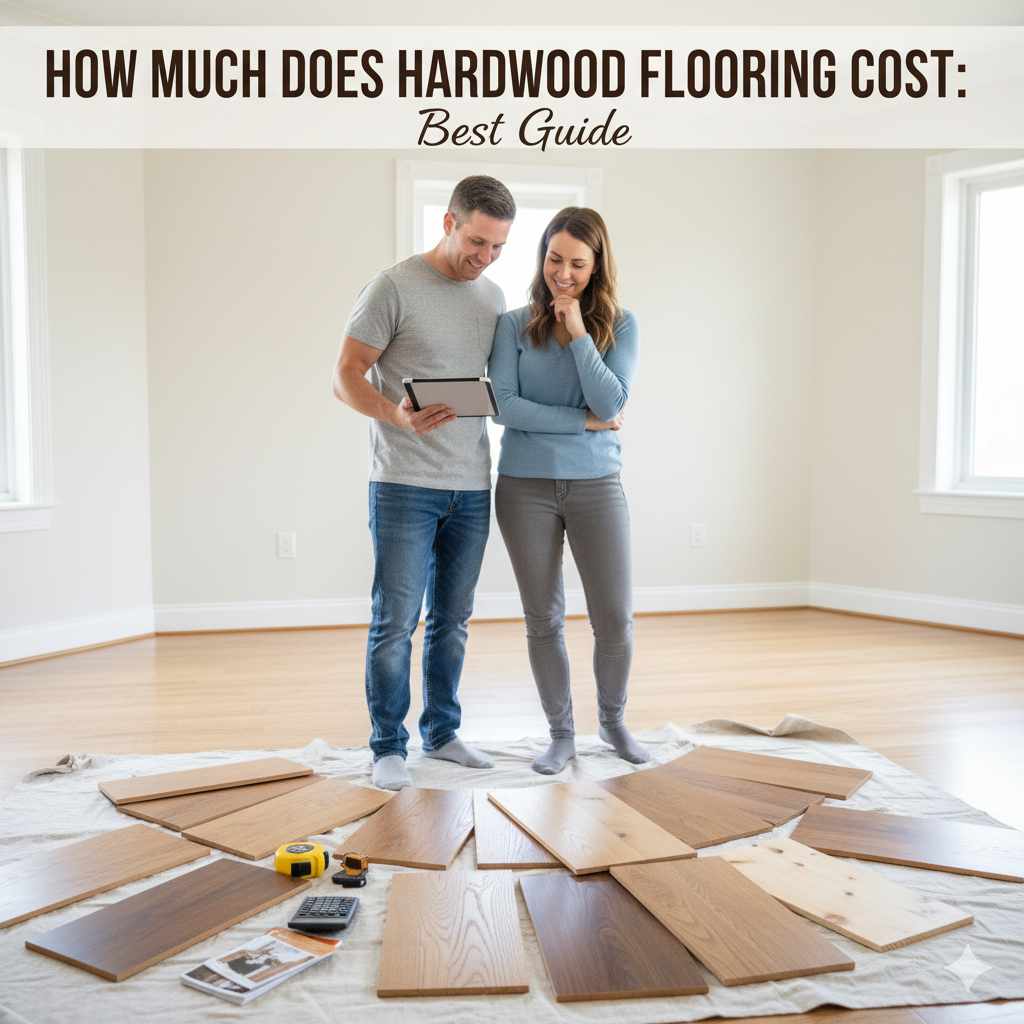
Hardwood flooring can cost anywhere from $3 to $15+ per square foot, depending on the wood type, quality, and installation method. This includes material and labor costs, which vary greatly by region and contractor. Planning your budget is key!
Choosing new flooring is a big decision for any home. If you’re dreaming of the warmth and timeless beauty of hardwood floors, you’re not alone! Many homeowners find themselves wondering, “how much does hardwood flooring cost?” It’s a question that can feel a bit murky, with prices seeming to jump all over the place.
Don’t let confusing numbers or endless options stop you. My goal is to simplify this for you, just like I do in the workshop. We’ll break down the costs, look at what influences them, and help you get a clear picture so you can make a confident choice for your home. We’ll cover everything from the type of wood to installation tips, so you’ll feel prepared every step of the way.
Ready to make your dream floors a reality without the stress?
Understanding the Costs of Hardwood Flooring: A Beginner’s Guide
When you’re looking into hardwood flooring, you’ll quickly see that the price isn’t just a single number. It’s a mix of several factors. Think of it like building a birdhouse – the cost of the wood, nails, and paint all add up. For floors, it’s the wood itself, any underlayment, finishing products, and the labor to put it all down.
Let’s dive into what really makes the hardwood flooring cost what it is.
The Raw Material: Types of Hardwood and Their Prices
The biggest piece of the puzzle is the wood itself. Different trees give us different looks, hardness, and price tags. Some woods are much rarer or harder to harvest, which naturally increases their cost. Here’s a look at popular choices:
- Oak (Red and White): This is a classic choice for a reason! It’s durable, widely available, and has a beautiful grain. Red oak is typically a bit less expensive than white oak.
- Maple: Known for its smooth, uniform grain and light color, maple is a very hard wood, making it resistant to dents and scratches. It can be pricier than oak.
- Hickory: One of the hardest woods native to North America, hickory offers a lot of character with its natural color variations and knots. It’s usually on the mid-to-high end of the price spectrum.
- Walnut: Prized for its deep, rich color and elegant grain, walnut is a more luxurious option. It’s softer than oak or maple, so it might show dents more easily, and it comes with a higher price tag.
- Cherry: Offers a warm, reddish-brown tone that darkens beautifully with age. It’s a softer wood and can be more expensive depending on the species.
- Exotic Woods (like Brazilian Cherry, Teak): These woods often come from faraway places and can be incredibly hard and durable, with unique colors and grains. Their rarity and shipping costs make them the most expensive options.
Solid vs. Engineered Hardwood: What’s the Difference and How Does it Affect Cost?
You’ll encounter two main types of hardwood flooring: solid and engineered. This choice significantly impacts both the look and the cost.
- Solid Hardwood: This is exactly what it sounds like – a plank made from a single piece of wood. It’s the traditional choice, offering unmatched beauty and can be sanded and refinished many times over its long lifespan. Because it’s pure wood, it’s generally more expensive.
- Engineered Hardwood: This type is built in layers. It has a thin top layer of real hardwood (the “wear layer”) glued to multiple layers of plywood or high-density fiberboard underneath. This construction makes it more stable, less prone to expanding or contracting with humidity changes, and often a bit more affordable than solid hardwood. It can also be sanded, but usually fewer times than solid wood, depending on the thickness of the wear layer.
For a beginner, engineered hardwood can be a great option because it handles moisture better, making it suitable for areas like basements or kitchens where solid hardwood might not be ideal. Always check the wear layer thickness – a thicker wear layer means more refinishing potential.
Installation: The Hidden Cost of Making it Look Great
Putting down hardwood floors isn’t usually a weekend DIY project for beginners. While some very skilled DIYers tackle it, most people hire professionals. This is where a significant portion of the how much does hardwood flooring cost question comes into play, as labor costs can vary widely.
Factors affecting installation cost include:
- Your Location: Prices for labor are higher in areas with a higher cost of living.
- The Contractor’s Experience: A seasoned professional might charge more but will likely do a better, faster job.
- Complexity of the Job: Installing in a small, square room is faster and cheaper than a large, complex layout with many corners or angles.
- Subfloor Preparation: If your existing subfloor isn’t perfectly level or needs repairs, this adds extra time and cost.
- Removal of Old Flooring: If you have old carpet, tile, or vinyl to remove, expect an additional fee.
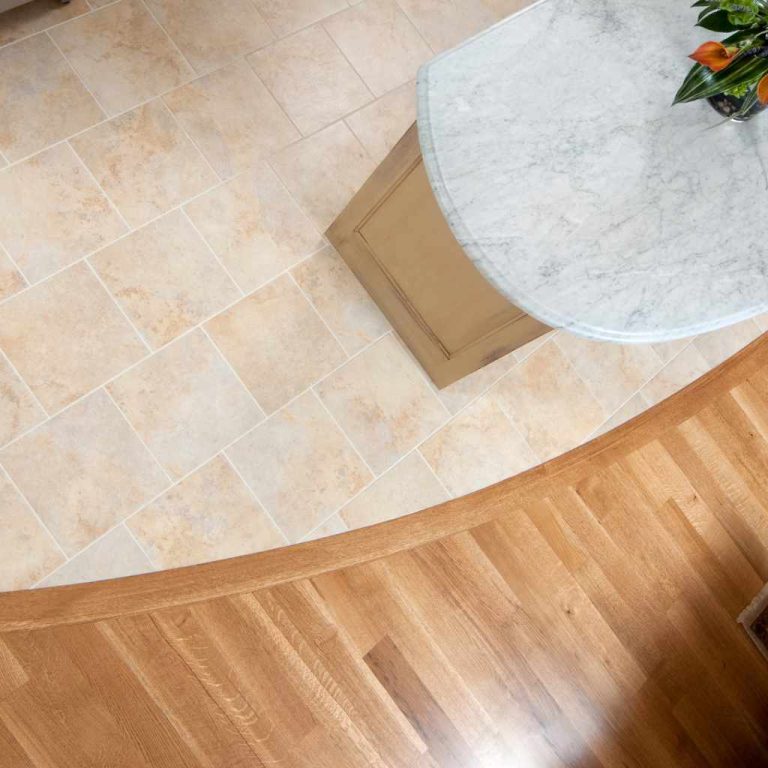
- Transition Pieces: Adding these where your hardwood meets other types of flooring, doorways, or changes in height adds to the installation cost.
A general rule of thumb is that installation can add anywhere from $2 to $7 per square foot (or even more) to the material cost.
Other Factors Influencing Hardwood Flooring Price
Beyond the wood type and installation, a few other things can nudge the hardwood flooring cost up or down:
- Width and Length of Planks: Wider planks and longer lengths often cost more.
- Finish: Pre-finished floors, which are stained and sealed at the factory, are convenient and consistent but can be more expensive than unfinished floors that are completed on-site.
- Grade of Wood: Hardwood is graded (like Select, No. 1 Common, No. 2 Common) based on the number of knots and imperfections. Higher grades generally cost more.
- Brand: Like anything else, well-known or premium brands may charge a premium.
- Protective Coatings: The type and quality of the polyurethane or other protective finish (e.g., aluminum oxide) can affect durability and price.
Breaking Down the Costs: A Pricing Table
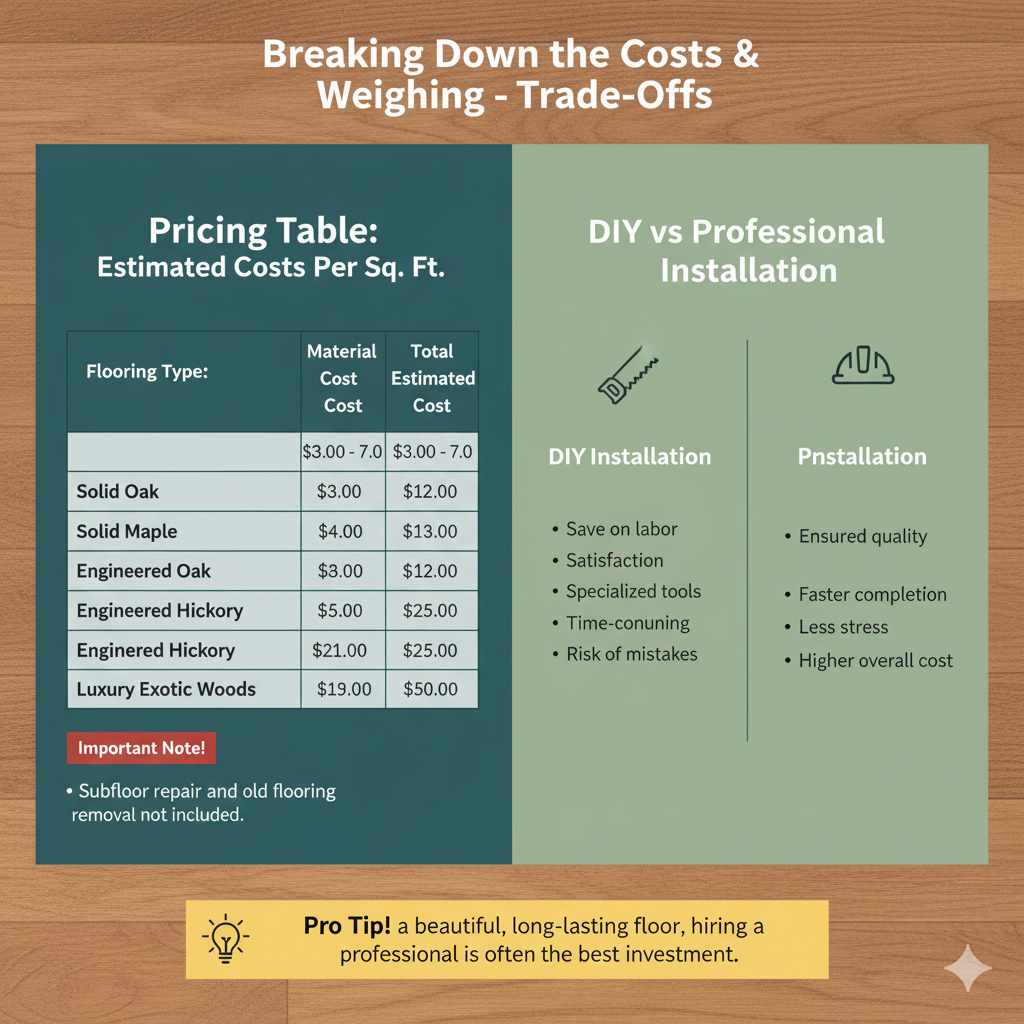
To give you a clearer picture, here’s a table showing estimated costs. Remember, these are averages, and actual prices can vary!
| Flooring Type | Material Cost (per sq ft) | Installation Cost (per sq ft) | Total Estimated Cost (per sq ft) | Notes |
|---|---|---|---|---|
| Solid Oak Flooring | $3.00 – $7.00 | $3.00 – $7.00 | $6.00 – $14.00 | Durable, classic choice. Refinishable many times. |
| Solid Maple Flooring | $4.00 – $8.00 | $3.00 – $7.00 | $7.00 – $15.00 | Hard, uniform grain, lighter color. |
| Engineered Oak Flooring | $3.00 – $5.00 | $2.00 – $6.00 | $5.00 – $11.00 | More stable, handles humidity better. |
| Engineered Hickory Flooring | $4.00 – $7.00 | $2.00 – $6.00 | $6.00 – $13.00 | Very hard, lots of natural variation. |
| Luxury Exotic Woods (e.g., Brazilian Cherry) | $7.00 – $15.00+ | $4.00 – $8.00+ | $11.00 – $23.00+ | Can be significantly more expensive due to species and origin. |
Important Note: These prices do not include costs for subfloor repair, removal of old flooring, or special transition pieces. Always get detailed quotes from multiple contractors!
DIY vs. Professional Installation: Weighing the Trade-offs
As a woodworking mentor, I love seeing people get hands-on with their home projects! However, installing hardwood floors is a significant undertaking.
DIY Installation:
- Pros: Potential to save a lot on labor costs. The satisfaction of doing it yourself!
- Cons: Requires specialized tools (miter saw, flooring nailer, etc. – rental is an option but adds cost), a good understanding of carpentry, a LOT of time, and carries the risk of costly mistakes. If not done perfectly, it can affect the floor’s longevity and appearance.
Professional Installation:
- Pros: Ensured quality and warranty on labor. Faster completion. Less stress for you. Professionals have the right tools and experience to avoid common pitfalls.
- Cons: Higher overall cost due to labor fees.
For most beginners, hiring a professional is the most reliable way to ensure a beautiful, long-lasting hardwood floor. Take the time to find a reputable contractor. You can learn more about finding good contractors through resources like the National Association of Home Builders (NAHB).
Steps to Budgeting for Your Hardwood Flooring Project
Planning is essential for any project, especially flooring. Here’s how to get a handle on your budget:
- Measure Your Space Accurately: Get the square footage of every room you plan to floor. It’s wise to add 10-15% extra for cuts, mistakes, and future repairs.
- Research Wood Types: Decide on the wood species and whether you prefer solid or engineered. Get a rough idea of their price range.
- Factor in Installation Method: Will you DIY (budget for tool rental/purchase) or hire a pro?
- Get Multiple Quotes: Contact at least three reputable flooring contractors. Ask for detailed written quotes that break down material, labor, and any other charges.
- Include “Hidden” Costs: Don’t forget to budget for underlayment, transition strips, potential subfloor repairs, and removal of old flooring. Even delivery fees can add up!
- Add a Contingency Fund: It’s always smart to have an extra 10-20% set aside for unexpected issues.
A Quick Calculation Example
Let’s say you have a living room that is 15 feet by 20 feet.
- Square Footage: 15 ft 20 ft = 300 sq ft
- Add for Waste (10%): 300 sq ft 0.10 = 30 sq ft
- Total Needed: 300 + 30 = 330 sq ft
Now, let’s assume you choose solid oak flooring with an average total cost of $10 per square foot (material + installation).
- Estimated Project Cost: 330 sq ft $10/sq ft = $3,300
- Add Contingency (15%): $3,300 0.15 = $495
- Total Budgeted: $3,300 + $495 = $3,795
This is a simplified example, but it shows how to begin putting numbers together.
Tips for Saving Money on Hardwood Flooring
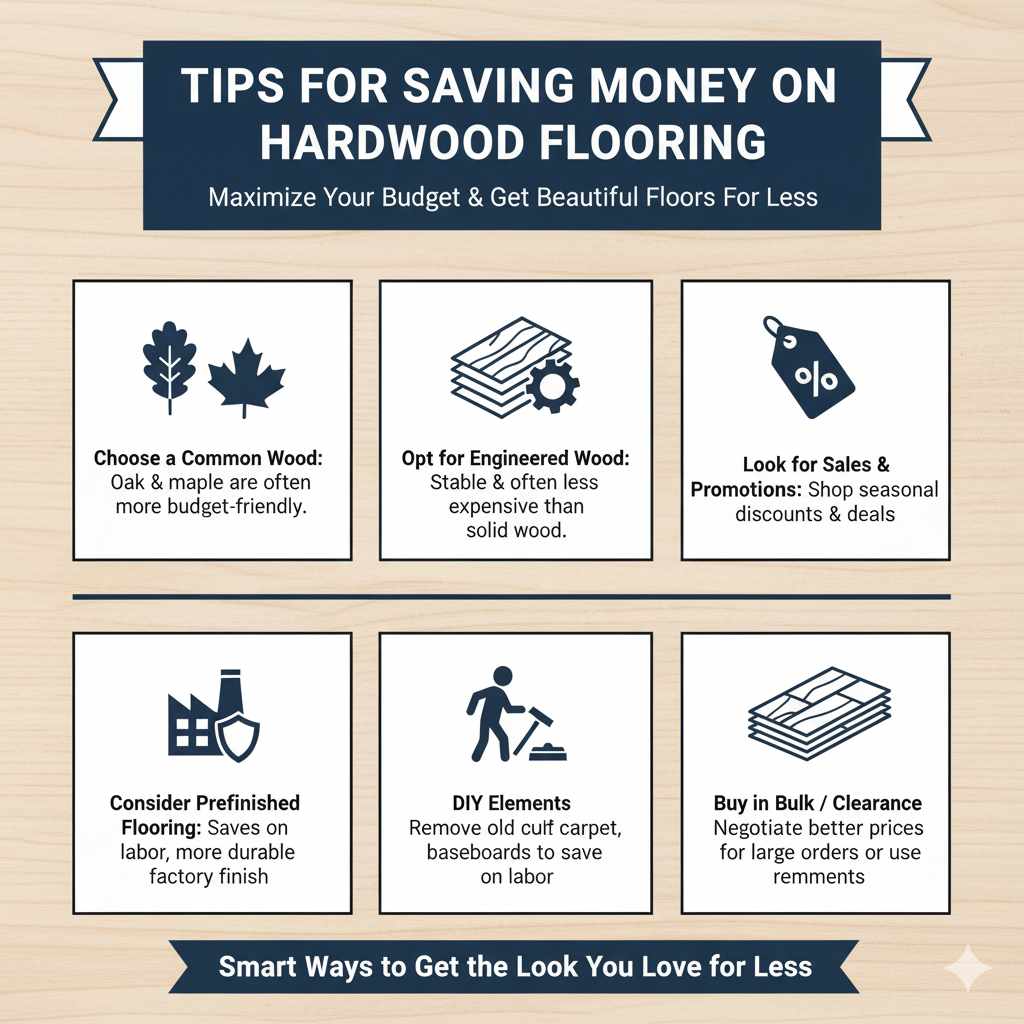
You want beautiful hardwood floors, but the budget is tight? No problem! Here are some ways to get more bang for your buck:
- Choose a More Common Wood: Oak and maple, while beautiful, are often more budget-friendly than exotic hardwoods.
- Opt for Engineered Wood: If humidity is a concern or you want a more stable product, engineered wood can often be less expensive than solid hardwood options.
- Look for Sales and Promotions: Flooring stores, especially larger chains, often have seasonal sales or discounts.
- Consider Prefinished Flooring: While sometimes pricier upfront, prefinished floors can save on labor costs for on-site finishing and reduce the dust and fumes associated with site finishing. Plus, the factory finish is often more durable than site-applied finishes.
- DIY Elements You Can Handle: Can you remove the old carpet yourself? Can you handle the baseboard removal and reinstallation? Small DIY tasks can shave off labor costs.
- Buy in Bulk: If you’re flooring multiple rooms or a larger area, you might be able to negotiate a better price.
- Don’t Overlook Clearance Items: Sometimes, you can find great deals on flooring that’s being discontinued or is a leftover from a larger project. Just ensure you buy enough for your entire space to avoid dye lot differences.
Remember, saving money doesn’t mean sacrificing quality. It’s about making smart choices that fit your needs and budget. Resources like the BuildingGreen database can offer insights into sustainable and cost-effective material choices.
Frequently Asked Questions About Hardwood Flooring Costs
Q1: What is the average cost to install 1000 square feet of hardwood flooring?
A1: For 1000 square feet, you can expect an average range from $7,000 to $14,000 or more. This includes both material and professional installation. Cheaper woods might bring the total closer to $5,000-$6,000, while premium woods and complex installations could push it to $20,000+.
Q2: Is hardwood flooring expensive to maintain?
A2: The initial cost is high, but ongoing maintenance is generally affordable. Basic cleaning involves regular sweeping or vacuuming and occasional damp mopping. Refinishing is needed every 10-20 years, which can cost $2-$5 per square foot, but it restores the floor to look new again.
Q3: Does the finish and color of hardwood affect the cost?
A3: Generally, the wood species and whether it’s solid or engineered impact cost more significantly than standard stain colors. However, very dark, custom stains or highly specialized finishes might add a small amount to the installation cost if done on-site.
Q4: What’s a good budget-friendly hardwood option?
A4: Red oak is often one of the most affordable hardwood options because it’s abundant and widely available. Engineered oak flooring is also a great budget-friendly choice and offers more stability. Both provide the classic hardwood look at a lower price point.
Q5: How much does it cost to refinish hardwood floors?
A5: Refinishing typically ranges from $2 to $5 per square foot. This cost includes sanding down the old finish, staining (if desired), and applying new protective coats. It’s much cheaper than replacing the entire floor and can give your existing hardwood a beautiful refresh.
Q6: Are there any “hidden costs” I should be aware of besides installation?
A6: Yes! Always budget for potential subfloor issues (leveling or repair), the cost of removing and disposing of your old flooring, new baseboards or quarter-round molding for the edges, and potential delivery fees for materials.
Conclusion: Investing in Your Home’s Beauty and Value
We’ve walked through the often-confusing world of hardwood flooring costs. As you can see, the price tag is influenced by many factors, from the type of wood you choose to how it’s installed. While it’s an investment, hardwood floors add incredible warmth, beauty, and value to any home. They are durable, can last for generations with proper care, and never seem to go out of style.