Hardwood Floor Installation Cost: 2026 Price Per Square Foot
Hardwood floor installation typically runs $6 to $12 per square foot installed, or roughly $3,000 to $6,000 for an average 500-square-foot room, once materials and labor are added together. The final number depends on the wood species you pick, whether the boards are nailed, glued, or floated, your local labor rates, and how much work the subfloor needs before a single board goes down. Below is a full breakdown by cost driver, so you know exactly what you’re paying for and where you actually have room to cut costs.
What Drives Hardwood Floor Installation Price
Best For DIY Nail-Down Installs
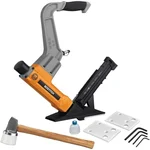 |
Bostitch BTFP12569 Flooring Nailer – $219 Doing your own nail-down installation is the single biggest way to cut the labor line item out of your quote, and this is the tool pros use to do it.
|
Three line items make up almost every hardwood flooring quote: the wood itself, the labor to install it, and whatever prep the existing floor needs. Here’s how each one typically breaks down per square foot:
- Material cost: Solid oak or hickory runs $4–$8 per square foot. Maple and birch land around $5–$9. Exotic species like Brazilian walnut or teak can hit $10–$15 or more.
- Labor cost: Installers typically charge $3–$8 per square foot, depending on the region and installation method — nail-down is usually cheapest, glue-down and herringbone patterns cost more in labor time.
- Prep and removal: Pulling out old flooring adds $1–$3 per square foot. If the subfloor needs leveling or repair, add another $2–$5 per square foot for that section of the room.
Here’s what that looks like for a typical 500-square-foot room:
| Cost Item | Price Range (500 Sq. Ft.) | Notes |
|---|---|---|
| Hardwood materials | $2,000–$4,000 | Oak/hickory cheaper; exotic species cost more |
| Installation labor | $1,500–$4,000 | Varies by method and region |
| Old floor removal | $500–$1,500 | Skip this if it’s a bare subfloor |
| Subfloor repair | $0–$2,500 | Only needed if subfloor fails inspection |
Table: Typical hardwood floor installation costs for a 500-square-foot room.
Solid vs. Engineered Hardwood Installation Cost
Solid hardwood is one piece of wood, top to bottom, and it typically runs $6–$12 per square foot installed. It can be sanded and refinished several times over its life, but it can’t go over concrete slabs or in basements because it reacts to moisture.
Engineered hardwood costs a bit less to install, usually $5–$10 per square foot, because it’s a thin real-wood veneer over a plywood core. That construction makes it more dimensionally stable, so it can float, glue, or nail down over concrete, radiant heat, or below-grade rooms where solid wood isn’t an option. The trade-off is it can only be refinished once or twice before the veneer runs out.
Nail-Down vs. Glue-Down vs. Floating Installation
The installation method changes the labor cost more than almost anything else on the quote:
- Nail-down ($3–$5/sq ft labor): The standard method for solid hardwood over a wood subfloor. Fastest and cheapest labor, using a pneumatic flooring nailer like the one above.
- Glue-down ($4–$7/sq ft labor): Common for engineered wood over concrete. Adhesive and prep add cost, but it handles slabs that nails can’t.
- Floating ($3–$6/sq ft labor): Planks click together and “float” over an underlayment without fasteners or glue touching the subfloor. Fastest DIY method, but generally not an option for solid hardwood.
What’s Included in a Professional Installation
A flooring crew’s quote usually covers more than just laying boards. Here’s the typical sequence:
- Measure and order: The room gets measured and material ordered with 5–10% extra for cuts and waste.
- Acclimate the wood: Solid hardwood sits in the room for 3–7 days so it adjusts to indoor humidity before installation, which prevents gapping later.
- Remove the old floor and inspect the subfloor: Carpet, tile, or old flooring comes out, and the crew checks for level and moisture issues.
- Install underlayment (if needed): A vapor barrier or foam underlayment goes down first for engineered or floating installs.
- Install the boards: Nailed, glued, or clicked into place row by row.
- Finish and trim: Baseboards or shoe molding go back on, and unfinished wood gets sanded and coated on site.
Order extra material: Buying 5–10% more than your measured square footage covers cutting waste and gives you matching boards for future repairs. Running short mid-install often means a delay while a new batch is ordered, and dye lots can vary slightly between orders.
DIY vs. Hiring a Pro: Real Cost Comparison
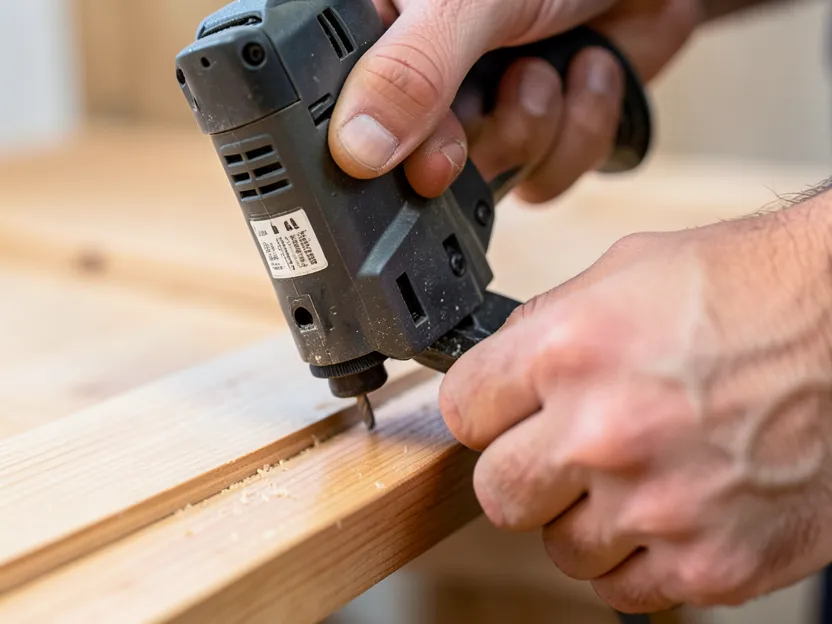
Installing hardwood yourself removes the labor line item, but you take on the acclimation timing, square cuts around doorways, and the risk of a bad nail line showing through the finish. Here’s how the numbers compare for a 500-square-foot room:
| Option | Cost (500 Sq. Ft.) | Pros | Cons |
|---|---|---|---|
| DIY | $2,000–$4,500 | No labor cost; full control of pace | Tool rental/purchase cost, steep learning curve, no warranty on workmanship |
| Professional | $3,000–$6,500 | Faster, warrantied, consistent finish | Higher total cost, scheduling around their availability |
Table: DIY vs. professional hardwood installation cost.
If it’s your first hardwood project, a middle-ground option is to hire a pro for the actual installation but do the demo and old-floor removal yourself — that alone typically saves $500–$1,500 on a 500-square-foot room, since removal labor is charged separately from installation. You can find installers certified through the National Wood Flooring Association directory.
How to Lower Your Hardwood Installation Cost
- Choose a domestic species: Oak, hickory, and ash cost less than imported exotics like Brazilian cherry or teak, and they perform just as well underfoot.
- Do the demo yourself: Pulling up old carpet or tile before the crew arrives cuts $1–$3 per square foot off the labor bill.
- Get at least three quotes: Installation labor rates for the same job can vary by hundreds of dollars between contractors in the same city.
- Buy during off-season sales: Flooring retailers typically discount hardwood in late winter and early spring, before the busy remodeling season.
Common Mistakes That Drive Up Cost
- Skipping a moisture test on the subfloor: Installing over a subfloor that’s too damp can cause cupping or buckling within months, leading to a full re-install.
- Ordering too little material: Without the standard 5–10% overage, you risk a mid-project delay and possible dye-lot mismatch on the reorder.
- Choosing a contractor on price alone: The lowest bid sometimes means less experience with acclimation timing or subfloor prep, which shows up later as squeaks or gaps.
Cheaper Alternatives to Hardwood
If the numbers above are more than your budget allows, these wood-look options cost less installed:
- Laminate: $3–$6 per square foot installed. Looks like wood grain but is a printed image layer over a composite core.
- Luxury vinyl plank (LVP): $4–$8 per square foot installed and fully waterproof, which makes it a better fit for bathrooms and basements than any wood product.
- Engineered hardwood: $5–$10 per square foot installed, real wood veneer at a lower cost than solid hardwood (see comparison above).
For a full side-by-side of these options and where each one holds up best, see our wood flooring types and cost guide.
Frequently Asked Questions
How much does hardwood floor installation cost?
Hardwood floor installation costs $6 to $12 per square foot including materials and labor. For a 500-square-foot room, that’s roughly $3,000 to $6,000, depending on the wood species and installation method.
Is oak or maple cheaper for hardwood floors?
Oak is usually cheaper, at $4 to $8 per square foot for material. Maple runs $5 to $9 per square foot. Both are hard, durable woods, so the choice usually comes down to color and grain preference rather than performance.
Can I install hardwood floors myself?
Yes, with a flooring nailer, a saw, and enough time to let the wood acclimate before installing. DIY typically saves $1,500–$4,000 in labor on a 500-square-foot room, but it requires practice to get consistent nail lines and clean cuts around doorways.
What’s the cheapest hardwood flooring option?
Domestic species like oak, hickory, and ash are the cheapest solid hardwood options, generally $4 to $8 per square foot for material. If budget is the top priority, engineered hardwood or laminate cost even less installed.
How long does hardwood installation take?
A professional crew typically installs 500 square feet in 2 to 5 days, not counting the 3–7 days needed for the wood to acclimate beforehand. DIY installation usually takes a week or more for a first-time installer.
Are hardwood floors worth the cost?
For most homeowners, yes. Hardwood floors can last 50 or more years with proper care, can be refinished multiple times, and are consistently cited as a feature buyers look for when comparing homes. The trade-off is a higher upfront cost than carpet, laminate, or vinyl.
How do I find a good installer?
Search the National Wood Flooring Association directory for certified installers in your area, get at least three quotes, and ask to see photos of their past work before hiring.
Hardwood floor installation cost comes down to three levers: the species you choose, the installation method, and how much of the labor you take on yourself. Use the ranges above to build a realistic budget, get at least three quotes if you’re hiring out, and factor in 5–10% extra material no matter which route you take.
Sponsored / affiliate links. As an Amazon Associate I earn from qualifying purchases. I may earn additional commission from eligible campaigns.