How Much is a 30 Ft Oak Tree Worth? Local Value Guide
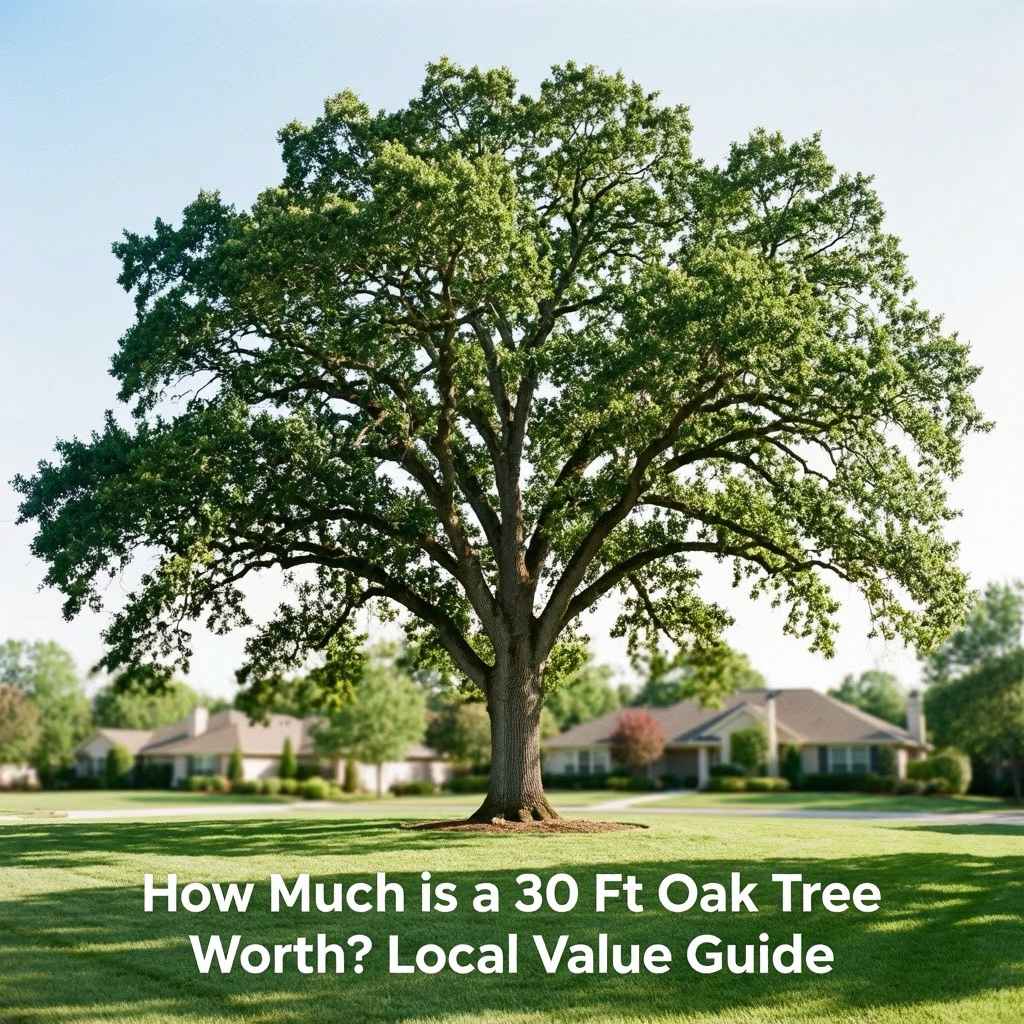
Figuring out the worth of a big oak tree, like one that’s 30 feet tall, can seem tricky at first. People often wonder, “How Much is a 30 Ft Oak Tree Worth? Local Value Guide” because trees don’t have price tags like things in a store.
You might want to know for selling it, for landscaping, or just out of curiosity. This guide will make it simple to understand. We’ll walk through it step by step so you can get a good idea of its value.
Understanding Your 30 Ft Oak Tree’s Value
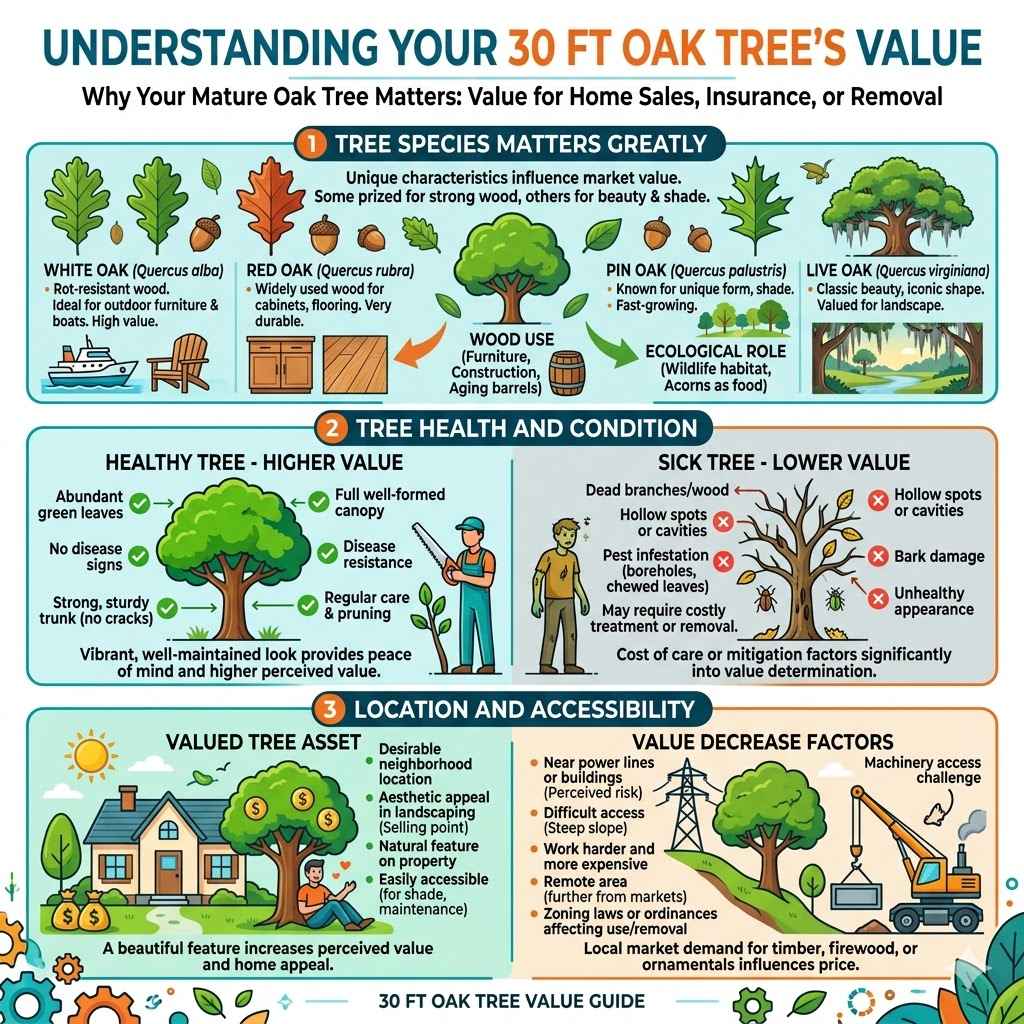
Knowing the value of a mature oak tree is important for many reasons. It could be for a home sale, insurance purposes, or even if you’re thinking of removing it. This section helps you see what makes a tree valuable and what factors experts look at.
It’s not just about its size, but also its health, species, and where it’s located. We’ll break down the basics here.
Tree Species Matters Greatly
Different types of oak trees have different values. Some are more prized for their strong wood, which is great for furniture and construction. Others are valued for their beauty and shade.
For instance, a White Oak might be worth more than a Pin Oak in some areas, depending on demand for that specific wood or aesthetic. Knowing your oak’s specific species is a key first step to estimating its worth.
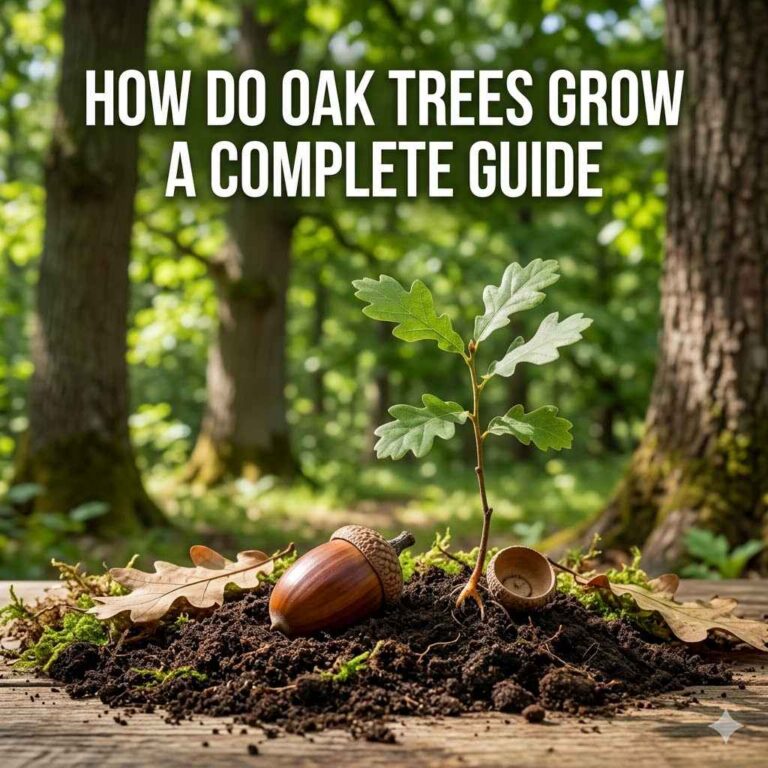
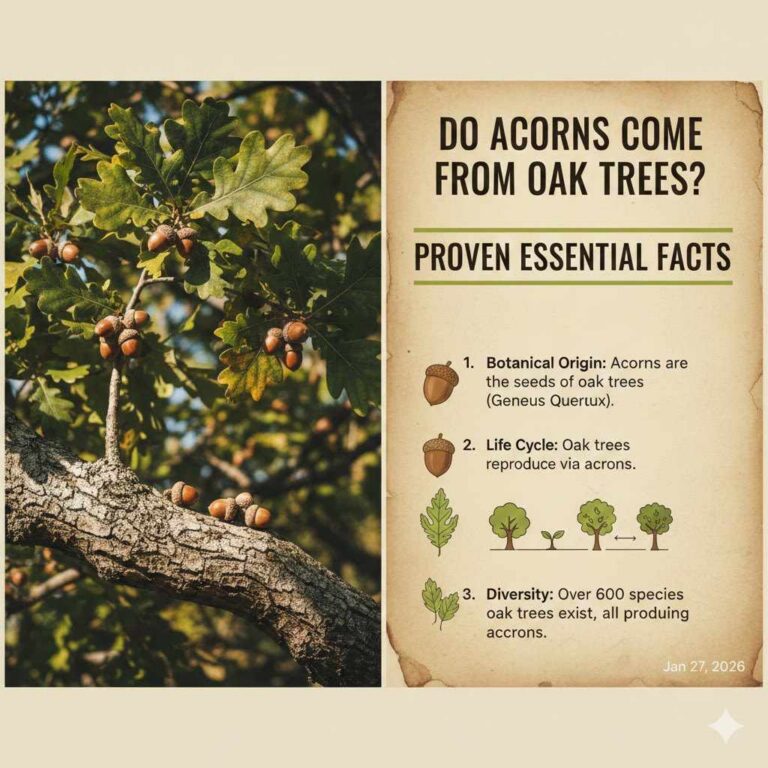
Oak trees are known for their strength and longevity. They offer excellent shade and habitat for wildlife. Their acorns are a food source for many animals.
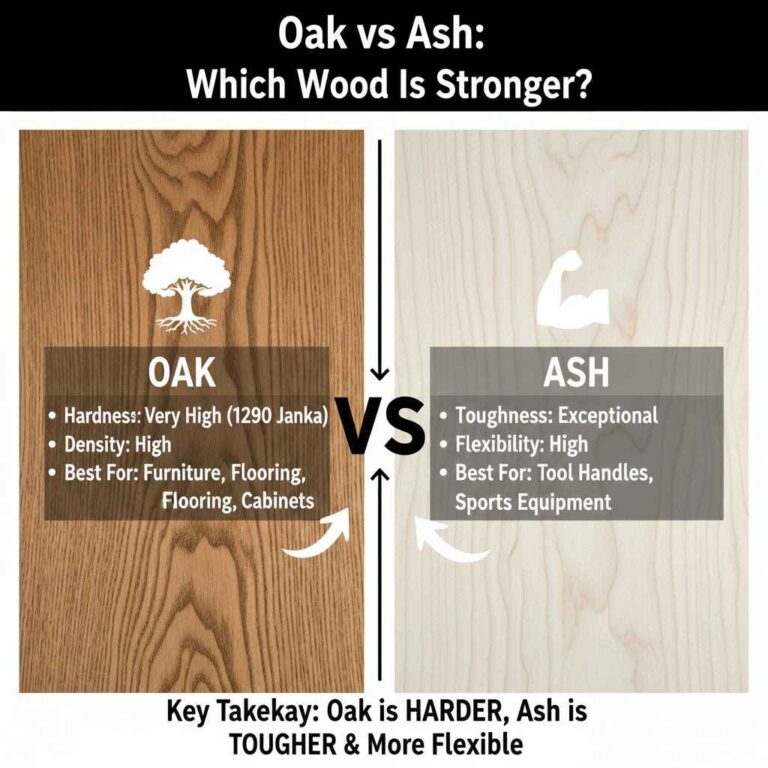
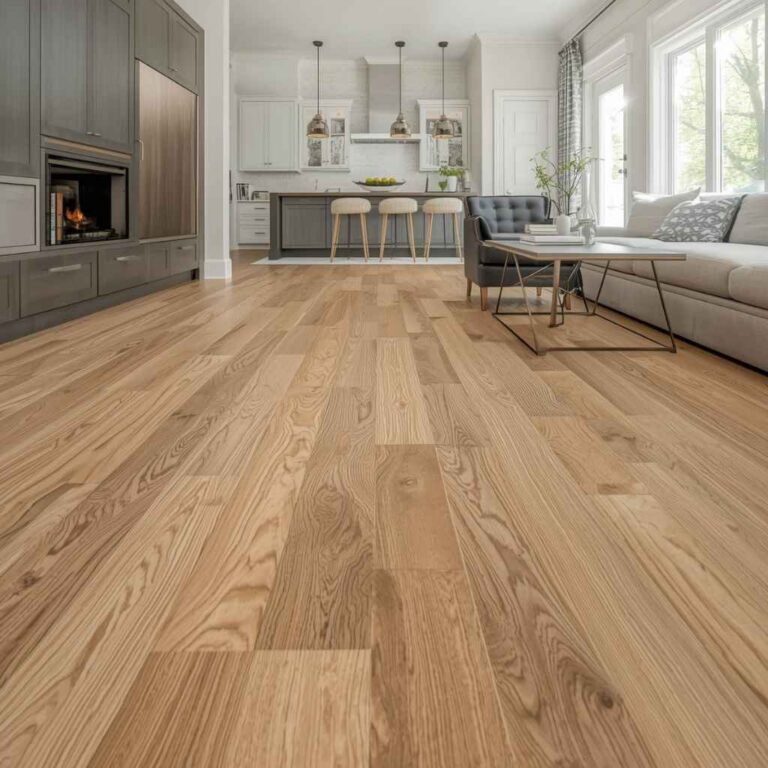
The wood itself is hard and durable, making it a popular choice for flooring, cabinets, and even barrels for aging wine and spirits.
Common oak species include:
- White Oak (Quercus alba)
- Red Oak (Quercus rubra)
- Pin Oak (Quercus palustris)
- Live Oak (Quercus virginiana)
Each species has unique characteristics that influence its market value. For example, White Oak wood is very rot-resistant, making it ideal for outdoor furniture and boat building, which can increase its overall worth.
Tree Health and Condition
A healthy tree is always worth more than one that is sick or damaged. A 30-foot oak tree that is strong, with a full canopy of leaves and no obvious signs of disease or pest infestation, will command a higher price. Inspectors look for things like dead branches, hollow spots, bark damage, and insect activity.
A tree in excellent condition suggests it will live a long time and provide benefits for years to come.
When a tree is unhealthy, its value decreases significantly. It might require costly treatments or even removal. Potential buyers or evaluators will factor in the cost of any necessary care or mitigation when determining its worth.
A tree that looks vibrant and well-maintained offers peace of mind and perceived value.
Signs of a healthy tree include:
- A strong, sturdy trunk with no cracks or splits.
- Abundant, healthy green leaves during the growing season.
- No visible signs of insect damage like boreholes or chewed leaves.
- A well-formed canopy without excessive deadwood.
- Resistance to common diseases affecting oak trees in the region.
Regular tree care and proper pruning can help maintain a tree’s health and thus its value.
Location and Accessibility
Where your 30-foot oak tree is located plays a big part in its worth. A tree in a desirable neighborhood or on a property being sold will likely be valued differently than one in a remote area. If the tree is easily accessible for harvesting or for enjoying its shade and beauty, its value can increase.
Difficult access, such as being on a steep slope or near power lines, can reduce its value because it makes work on the tree harder and more expensive.
The local market demand for timber, firewood, or ornamental trees also influences price. If there’s a high demand for oak wood in your area, a tree suitable for milling could be worth more. Accessibility is also about safety.
A tree close to a home or building might be seen as a risk, reducing its value if removal is considered, but a beautiful specimen in a well-kept yard could be a selling point.
Factors related to location include:
- Proximity to markets for timber or firewood.
- Visibility and aesthetic appeal in landscaping.
- Ease of access for machinery and workers if removal is considered.
- Zoning laws and local ordinances that might affect tree use or removal.
A tree that is a beautiful, natural feature on a well-maintained property is a significant asset.
Factors Affecting Timber Value
When people talk about the worth of a large tree like a 30-foot oak, they often think about its potential as timber. The value for lumber depends on several specific qualities. Not all oak is the same when it comes to making furniture or other wood products.
We’ll look at what makes oak wood valuable for this purpose.
Log Quality and Dimensions
The size and quality of the log produced from the tree are very important. A 30-foot oak tree might yield several logs. For timber, a “log” typically starts from where the trunk is at least 12 inches in diameter and is cut to specific lengths, often 8 to 16 feet.
The straighter and cleaner the log, the higher its value. Small knots, twists, or curves in the wood can reduce the amount of usable lumber and thus the price per board foot. A log that is free of defects and has a large diameter is much more valuable.
Foresters and log buyers measure logs using specific methods. They often use a log scaling rule, such as the Doyle, Scribner, or International 1/4-inch rule, to estimate the number of board feet a log will produce. A board foot is a unit of volume equal to a piece of wood 1 foot long, 1 foot wide, and 1 inch thick.
For example, a board that is 12 inches wide, 1 inch thick, and 10 feet long contains 10 board feet.
Key aspects of log quality include:
- Diameter at the small end of the log.
- Length of the log.
- Straightness of the trunk.
- Absence of defects like knots, rot, or cracks.
- Clear, defect-free wood for a significant portion of the log.
A log with a diameter of 20 inches and a clear length of 16 feet will generally be worth more than a log with a 12-inch diameter and numerous knots.
Board Foot Calculation
Estimating the number of board feet in a 30-foot oak tree involves looking at the trunk’s usable length and diameter. For timber purposes, the trunk is usually measured from a point a foot or two off the ground up to where the branches start to get small, typically around 8-12 inches in diameter. A 30-foot tree might offer a clear, straight trunk of about 20 to 25 feet suitable for milling.
If the average diameter of this usable trunk section is, say, 18 inches, a log scaler can estimate the board feet.
For example, using a simplified estimation, a log 16 feet long and 18 inches in diameter might yield around 160 board feet. If the tree provides two such logs, that’s 320 board feet. This is a rough estimate; actual scaling rules provide more precise figures.
The value of the tree then depends on the current market price per board foot for oak timber.
A common board foot estimation method:
- Measure the diameter of the trunk at breast height (DBH), usually 4.5 feet from the ground.
- Estimate the number of 16-foot logs that can be harvested from the clear, straight portion of the trunk.
- Use a log scaling rule (like Doyle or Scribner) with the diameter and log length to find the estimated board feet per log.
- Multiply the board feet per log by the number of logs.
A more advanced estimation might consider taper, but for simple calculations, this provides a baseline.
Market Price Per Board Foot
The price per board foot for oak lumber can vary a lot based on the region, the specific oak species, and the current demand in the lumber market. In some areas, prime oak timber might fetch $1 to $3 per board foot or even more if it’s high-grade wood. Lower grades or wood with more defects will be sold for much less, perhaps only $0.25 to $0.75 per board foot, sometimes even less if it’s mainly for firewood.
For a 30-foot oak tree that yields, let’s say, 400 board feet of good quality timber, the value could range from $400 (at $1 per board foot) to $1200 (at $3 per board foot). If the wood is exceptional, it could go even higher. It’s important to check with local sawmills or timber buyers to get current local prices.
These prices change with supply and demand, just like any other commodity.
Sample pricing based on quality:
| Wood Grade | Estimated Price Per Board Foot | Potential Value (400 Board Feet) |
|---|---|---|
| Prime Timber (Clear, Straight) | $2.00 – $4.00 | $800 – $1600 |
| Standard Grade (Some Knots) | $0.75 – $1.50 | $300 – $600 |
| Firewood/Lower Grade | $0.15 – $0.40 | $60 – $160 |
This table shows how much the quality of the wood directly impacts the potential earnings.
Other Timber Uses
Besides lumber for furniture and building, oak wood has other valuable uses. It’s often used for making barrels for aging whiskey, wine, and other beverages because it imparts specific flavors. High-quality oak can also be used for decorative veneers, flooring, and even specialized crafts.
The value of the tree can increase if it’s a species particularly suited for barrel making or if there’s a strong local demand for these niche products. Even fallen branches can be valuable if they are of a size and quality suitable for firewood.
The specific characteristics of oak wood, such as its porous nature and the presence of tyloses in white oak species, make it ideal for containment. White oak is preferred for barrels because it doesn’t leak. Red oak is also used but is more permeable.
Other uses for oak wood include:
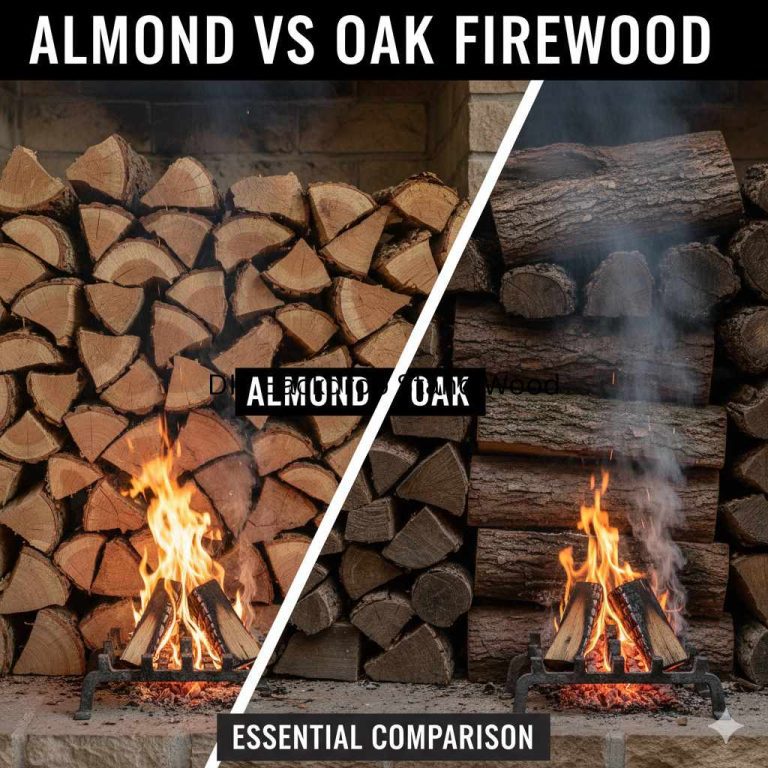
- Firewood: Dense oak burns hot and long, making it highly sought after.
- Mulch: Chipped oak bark and wood can be used as garden mulch.
- Specialty Wood Products: Items like carving wood, wooden bowls, and decorative accents.
- Posts and Rails: For fencing in agricultural settings.
The versatility of oak means that even trees not perfect for high-grade lumber can find a market for other uses.
Assessing Ornamental and Landscaping Value
Sometimes, the biggest worth of a 30-foot oak tree isn’t its wood, but its presence as a living part of a landscape. A beautiful, mature oak can significantly increase a property’s curb appeal and value. This is especially true for homes for sale or properties where landscaping is a priority.
Its shade, beauty, and ecological benefits are key here.
Aesthetic Appeal and Shade
A 30-foot oak tree can be a stunning focal point in any yard. Its large, spreading canopy provides welcome shade, reducing cooling costs for a home during hot months. This shade also creates a pleasant outdoor living space for recreation and relaxation.
The majestic appearance of a well-formed oak adds a sense of permanence and natural beauty to a property, making it more attractive to potential buyers and more enjoyable for its current owners. The presence of mature trees is often cited as a major factor in property desirability.
The aesthetic value isn’t just about size but also about the tree’s form. A tree with a well-balanced, symmetrical canopy, healthy foliage, and strong branching structure is highly desirable. It can frame a house, provide a backdrop for gardens, or create a natural screen for privacy.
The seasonal changes in an oak, from vibrant spring leaves to rich autumn colors, add to its year-round appeal.
Benefits of ornamental and shade trees include:
- Reduced energy bills: Shade from trees can lower air conditioning costs by 10-30%.
- Increased property value: Mature trees can add 10-20% to property value.
- Improved air quality: Trees absorb pollutants and release oxygen.
- Enhanced visual appeal: Creates a more attractive and inviting landscape.
- Noise reduction: Foliage can buffer sounds from traffic or neighbors.
A study by the Arbor Day Foundation found that properly placed trees can add significant value to a home’s landscape.
Impact on Property Value
Mature trees, especially iconic ones like a 30-foot oak, can boost property values considerably. Buyers often see them as a sign of a well-established, desirable neighborhood. An arborist or real estate appraiser can assess the tree’s contribution to the property’s overall worth.
This value is factored into home appraisals and can make a property more competitive in the market. In some cases, a beautiful, healthy tree can be the deciding factor for a buyer.
The value added by trees isn’t just a subjective feeling; it’s often quantifiable. For example, a landscape with mature trees might sell faster and at a higher price than a similar property without them. The shade provided by a large tree can make an outdoor space more usable and attractive, contributing to the perceived value of the entire property.
This makes caring for such trees a wise investment.
Quantifiable impacts on property value:
- Increased selling price: Homes with mature trees can sell for more.
- Faster sale time: Attractive landscaping can lead to quicker sales.
- Higher appraisal values: Trees are considered an asset in property valuation.
- Enhanced curb appeal: A striking tree makes a property stand out.
- Improved desirability: Buyers look for established, beautiful settings.
A 2010 study by the University of Alabama found that large trees could add $7,000 to $15,000 to a home’s value.
Environmental and Ecological Benefits
Beyond monetary value, a 30-foot oak tree offers significant environmental and ecological advantages. It provides habitat and food for countless species of birds, insects, and small mammals. Its roots help prevent soil erosion, and its canopy helps manage stormwater runoff, reducing the strain on local drainage systems.
Trees also absorb carbon dioxide and release oxygen, contributing to cleaner air. These benefits have a real, though often unquantified, value to the community and the planet.
Oak trees are keystone species in many ecosystems. For example, they support hundreds of caterpillar species, which in turn feed many birds. Their acorns are a vital food source for squirrels, deer, and other wildlife.
Planting and preserving oak trees helps maintain biodiversity and supports a healthy environment for everyone.
Ecological contributions of oak trees:
- Habitat for wildlife: Provides shelter and nesting sites.
- Food source: Acorns and leaves feed many animals.
- Air purification: Absorbs CO2, produces oxygen.
- Soil stabilization: Roots prevent erosion.
- Water management: Helps absorb and filter rainwater.
These contributions make oak trees invaluable community assets.
How to Get an Accurate Valuation
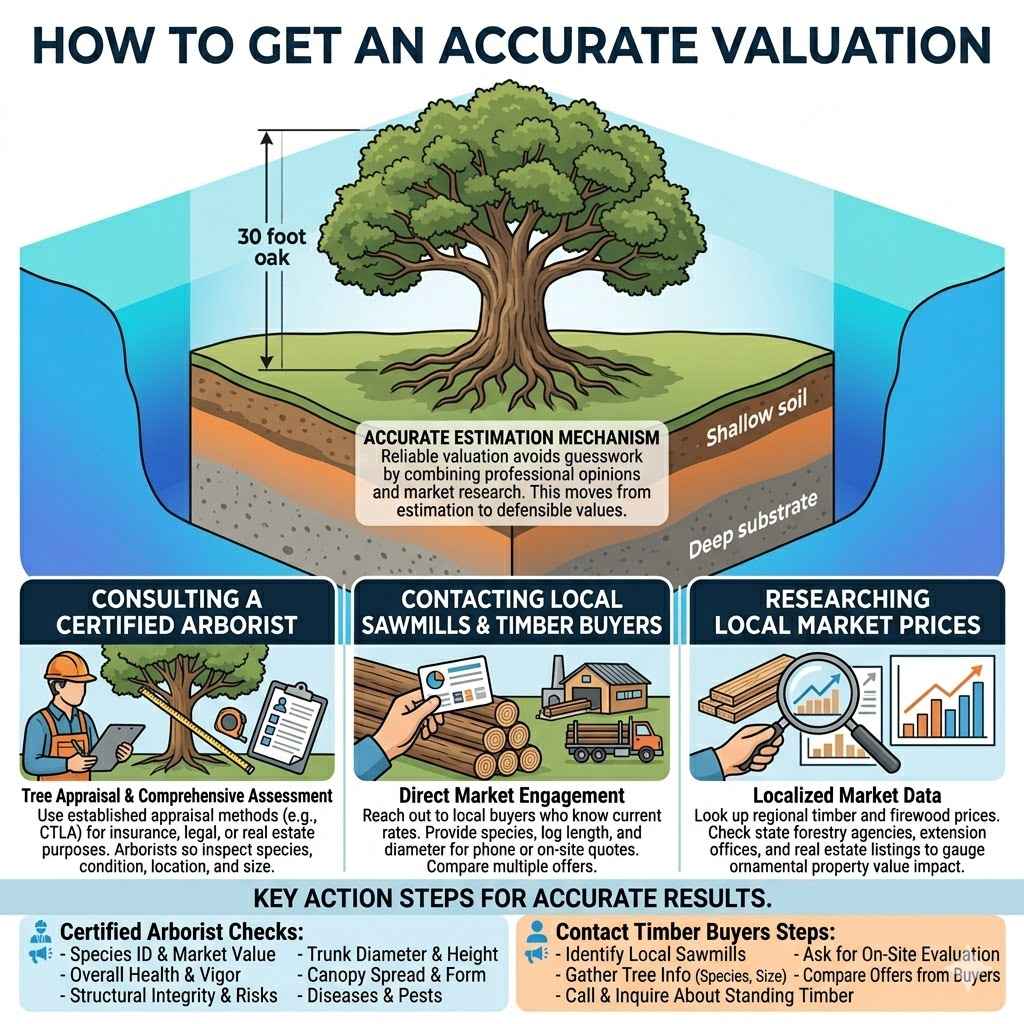
To get the most accurate idea of what your 30-foot oak tree is worth, you need to consider professional opinions and market research. Relying on guesswork can lead to incorrect assumptions. Here’s how to approach getting a precise valuation.
Consulting a Certified Arborist
The best way to know the true value of your oak tree is to hire a certified arborist. These professionals have the knowledge and experience to assess a tree’s health, species, age, and potential for timber or ornamental value. They can identify any hidden issues, estimate its lifespan, and provide a detailed report.
Arborists often have specific training in tree appraisal and can provide valuations for insurance, legal, or real estate purposes. Their assessment is based on established appraisal methods.
A certified arborist understands the complexities of tree valuation. They use specific methodologies, such as the Council of Tree and Landscape Appraisers (CTLA) guidelines, to arrive at a defensible valuation. This process involves inspecting the tree thoroughly, considering its location, species, condition, and size, and then applying industry-standard formulas to determine its worth.
Their report is often crucial for legal or financial matters.
What a certified arborist checks:
- Species identification and its market value.
- Overall health and vigor of the tree.
- Structural integrity and any risks.
- Trunk diameter and height for timber volume estimates.
- Canopy spread and form for landscape value.
- Presence of diseases or pests.
Their professional opinion is the most reliable way to determine your tree’s worth.
Contacting Local Sawmills and Timber Buyers
If your primary interest is in the tree’s timber value, reach out to local sawmills or timber buyers. They are the ones who will purchase the wood, so they know the current market rates. Bring them information about your tree’s species, estimated usable log length, and diameter.
They can often provide an estimate over the phone or by visiting your property. This will give you a realistic idea of what you could earn if you decide to sell the tree for lumber.
Local buyers understand the demand for specific wood types in your region. They can also advise on the best way to harvest the tree to maximize the yield of usable timber. Getting quotes from multiple buyers can help you secure the best price.
Be sure to ask about their grading system and how they estimate board feet, as this can vary.
Steps to contact timber buyers:
- Identify local sawmills and timber companies.
- Gather basic information about your tree (species, approximate size).
- Call them to inquire about purchasing standing timber.
- Ask for an on-site evaluation if they are interested.
- Compare offers from different buyers.
This direct approach connects you with the market.
Researching Local Market Prices
Besides consulting professionals, doing your own research can be helpful. Look for information on timber prices in your specific region. Online resources, forestry extension offices, or agricultural departments might have data on current lumber or firewood prices.
If you’re interested in ornamental value, look at real estate listings in your area to see how mature trees are presented and if they seem to influence property prices.
Understanding local market dynamics is key. Prices can differ significantly from one state or even one county to another. Knowing what people are paying for similar trees or wood products in your vicinity will empower you to negotiate better or understand the offers you receive.
This homework ensures you have a solid understanding of the market before making any decisions.
Where to find local market info:
- State forestry agency websites.
- Local agricultural extension offices.
- Online timber sales platforms.
- Real estate listings for comparable properties.
This helps you gauge what’s realistic for your tree.
Frequently Asked Questions
Question: Can I sell a 30 ft oak tree myself?
Answer: Yes, you can sell it yourself. You might contact local sawmills, firewood suppliers, or even individuals looking for landscaping trees. However, selling it yourself means you handle all the marketing, negotiation, and potentially the logistics of harvesting and delivery, which can be complex.
Question: How much is a 30 ft oak tree worth for firewood?
Answer: The value of an oak tree for firewood varies greatly by location and demand. A cord of seasoned oak firewood can range from $100 to $300. A 30-foot tree could potentially yield several cords of firewood, but this depends on the trunk diameter and how much of it is usable and free of rot.
Question: What if the tree is on my property line?
Answer: If a tree is on your property line, it’s considered a boundary tree. You typically cannot remove or significantly alter it without the consent of your neighbor. Discussing its value and any potential actions with your neighbor is crucial.
Question: Does the season affect the tree’s value?
Answer: The season generally doesn’t affect the timber value of a standing tree, as the wood quality remains consistent. However, for ornamental value or removal, spring and fall might be preferred for easier work and less disruption to the tree’s growth cycle.
Question: What are common diseases that affect oak trees?
Answer: Common oak diseases include Oak Wilt, Anthracnose, and various fungal cankers. These can impact the health and thus the value of the tree. A certified arborist can diagnose these issues.
Summary
Determining the worth of a 30-foot oak tree involves looking at its species, health, location, and potential uses. Timber value depends on log quality and market prices, while ornamental value adds to property appeal. For a precise valuation, consulting a certified arborist or local timber buyers is recommended.
Understanding these factors helps you know How Much is a 30 Ft Oak Tree Worth? Local Value Guide accurately.