How Much Is A Cord Of Oak Wood? What To Expect To Pay
It can feel like a puzzle. You see prices online, you hear from neighbors, and you talk to local suppliers. It’s easy to get confused.
This guide will break it all down. We’ll look at what a cord really is, why prices change, and what you can do to get the best deal. You’ll feel much more confident when you’re ready to buy.
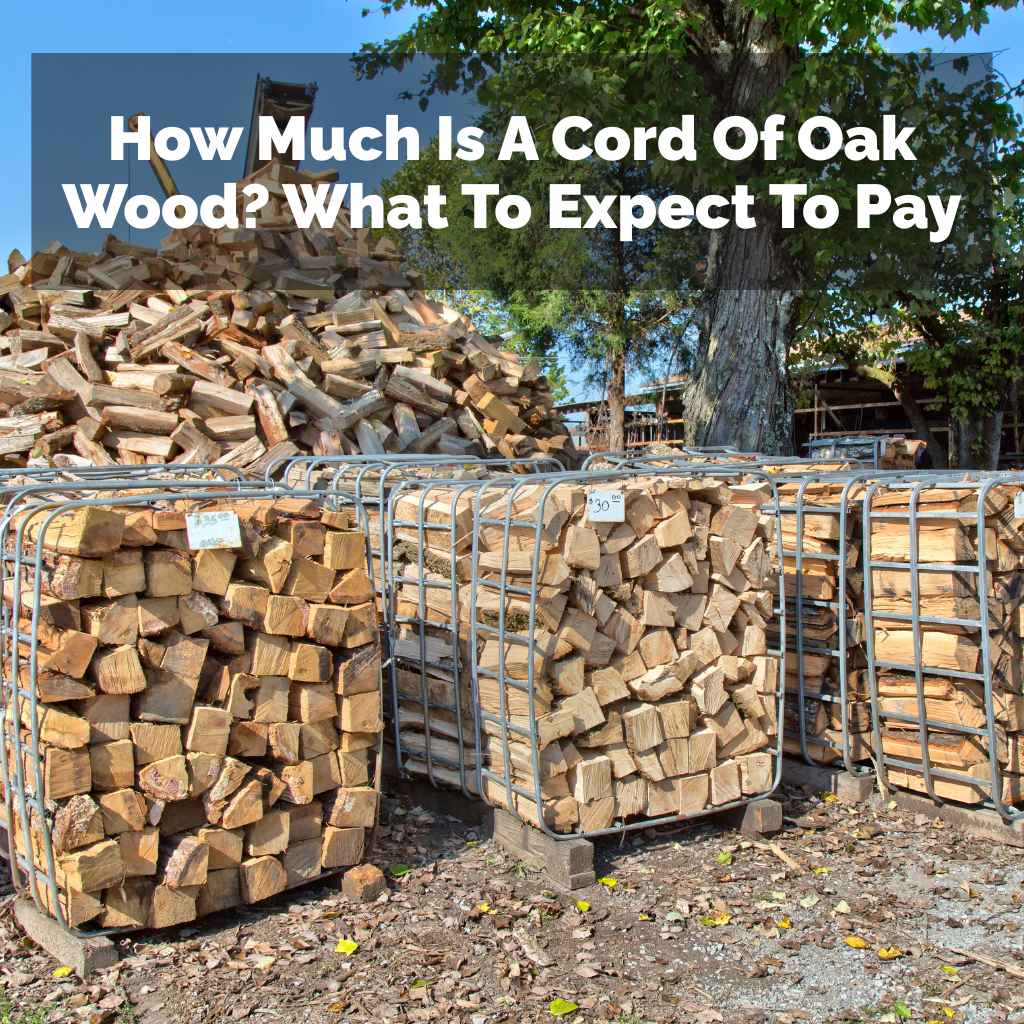
A cord of oak wood typically costs between $200 and $500. The final price depends on many things like location, quality of the wood, and if delivery is included. Seasoned oak usually costs more than green wood. Bulk purchases can also save you money.
Understanding What a Cord of Oak Wood Is
Before we talk about money, let’s be sure we know what we’re buying. A cord of wood isn’t just a random pile. It has a specific size.
Think of it as a neat stack. The standard cord is 4 feet high, 4 feet wide, and 8 feet long. That makes a big pile!
It’s about 128 cubic feet in total.
When you stack wood, there’s always some air in between. So, the actual wood volume is less than 128 cubic feet. It’s usually around 80 to 100 cubic feet.
This is important because some sellers might try to trick you with a loose, messy pile that looks bigger than it is. Always try to see how it’s stacked. A tightly stacked cord has less air and more usable wood.
Oak wood is special. It’s a hardwood. Hardwoods are dense.
They pack a lot of energy into a small space. This means oak burns slower. It makes more heat than softwoods like pine.
Because it’s so good for heating, oak is often in high demand. This demand plays a big part in how much it costs.
Why Oak Firewood Prices Vary So Much
You’ll see different prices for oak wood. It’s not just one number. Several things make the price go up or down.
Let’s look at the main reasons.
Seasoning: Green vs. Seasoned Wood
This is a big one. Wood needs to dry out before you burn it. This process is called seasoning.
Freshly cut wood is called “green” wood. It has a lot of water inside. Burning green wood is not ideal.
It smokes a lot. It doesn’t burn as hot. It can also create more creosote in your chimney.
Creosote is a sticky, flammable soot.
Seasoned wood has been dried. This usually takes at least six months, often longer. Some people season wood for a full year or two.
The longer it seasons, the drier it gets. Drier wood burns cleaner. It burns hotter.
It’s much more efficient for heating your home. Because it takes time and space to season wood, seasoned oak costs more than green oak.
Think about it like buying fruit. Freshly picked from the farm might be cheaper than the same fruit that’s been ripened and packaged nicely. For firewood, seasoning is that extra step that adds value and cost.
If you buy green wood, you’ll need to stack it yourself and wait for it to dry. That’s a trade-off between upfront cost and your time and effort later.
I remember one time I bought a load of wood that was advertised as “ready to burn.” It was a good price, but it was still pretty wet. I had to move it all into a dry, sunny spot and let it sit for another few months. That was a lot of work, and I learned my lesson.
It’s usually worth paying a bit more for wood that’s already well-seasoned. This way, you can use it right away when the cold weather hits.
Key Point: Well-seasoned oak burns better and is safer. It costs more because of the drying time and effort. Always ask if the wood is seasoned and for how long.
Wood Quality and Species of Oak
Not all oak is the same. There are different types of oak trees. Some burn better than others.
Red oak is very common. White oak is another popular choice. White oak tends to be denser.
It has a higher BTU (British Thermal Unit) output. This means it produces more heat. It also burns a bit longer and more evenly than red oak.
Other factors affect quality too. Was the tree healthy when it was cut? Was it cut from good soil?
These things can make a difference. Higher quality oak, like well-aged white oak, will command a higher price. It’s like buying a premium cut of meat versus a less expensive cut.
You pay for the better quality and performance.
When you talk to a firewood seller, don’t be afraid to ask what kind of oak it is. Knowing if it’s red oak or white oak can help you understand the price. Also, ask about the general condition of the trees they cut.
Was it deadfall from a storm, or was it live, healthy wood? Healthy wood generally burns better.
Location and Local Market Demand
Where you live makes a big difference. Firewood prices can vary a lot from one state to another. Or even from one county to another within the same state.
Areas with a lot of forests might have lower prices. This is because the wood is readily available. Areas where forests are scarce or protected might have higher prices.
Demand is a huge factor. If many people in your area rely on firewood for heat, the demand will be high. Especially as winter approaches.
High demand often means higher prices. Think about how gas prices go up when everyone wants to travel for holidays. Firewood is similar.
Rural areas might have lower prices than suburban or urban areas. This is partly due to supply and partly due to delivery costs. Delivering wood over long distances adds to the final price.
Some regions might have more competition among firewood sellers, which can keep prices down. Other areas might have only a few suppliers, giving them more pricing power.
I’ve seen this firsthand. When I lived further out in the country, firewood was much cheaper. We had local farmers selling it right off their land.
When I moved closer to a city, the same amount of wood cost almost double. The sellers were businesses, and they had to account for higher overheads, including delivery to more spread-out neighborhoods.
Pro Tip: Check local classifieds or community groups. Sometimes individuals sell firewood directly. You might find better prices this way.
Delivery Costs
Most people need their firewood delivered. Unless you have a truck and can pick it up yourself, delivery is a must. The cost of delivery is often added to the price of the wood.
How far does the seller have to travel? Do they have a special truck for dumping wood? These factors affect the delivery fee.
Some sellers include delivery in their price for a certain radius. If you’re outside that radius, you’ll pay an extra fee. Others might have a base price for the wood and then a separate charge for delivery.
Always ask about this when you get a quote. A lower wood price might not be such a good deal if the delivery fee is very high.
Some sellers might offer a discount if you pick up the wood yourself. This saves them the hassle of delivery. If you can manage it, this is a great way to save some money.
You’ll need a sturdy vehicle, like a pickup truck or a trailer. Make sure you know how much a cord weighs. It’s a lot of wood!
Who is Selling the Wood?
The source of the wood matters too. Are you buying from a large commercial firewood supplier? Or are you buying from a small local business, or even an individual?
Large companies often have higher overhead. They might also have more polished services, like convenient online ordering or guaranteed delivery times. This can translate to higher prices.
Small businesses or individuals might have lower costs. They might be cutting and splitting wood as a side job. They might not have the same marketing or delivery infrastructure.
This can mean lower prices for you. However, you might need to be more flexible with delivery times. You might also want to do a little more research to ensure they are reputable and selling good quality wood.
I once bought from a guy who was clearing out a fallen tree from his property. He charged me a very reasonable price because he just wanted it gone. The wood was decent, though not perfectly seasoned.
It was a good experience because I was willing to put in a little extra effort. Always trust your gut. If a deal seems too good to be true, it might be.
Consider This: Buying from a local, reputable dealer often balances price, quality, and reliable service. Check reviews if possible.
Estimating the Cost: What to Expect to Pay
Let’s put some numbers to it. What can you realistically expect to pay for a cord of oak firewood? As we’ve seen, it’s not a single figure.
But we can give you a good range.
In most parts of the U.S., you can expect to pay anywhere from $200 to $500 per cord. This is for a standard, well-stacked cord of seasoned oak. Prices can be lower, especially in areas with abundant supply and low demand.
They can also be higher in places where oak is scarce or demand is extremely high.
Price Ranges Breakdown
Here’s a more detailed look:
- Low End ($200 – $300): You might find prices this low in rural areas with a plentiful supply of wood. This could be for red oak or wood that is just seasoned (not aged for years). It might also be for pick-up only, without delivery. Sometimes, you might find deals on green wood at this price, but remember the risks.
- Mid-Range ($300 – $400): This is a common price range for well-seasoned oak, including delivery within a reasonable distance. You’re likely getting a mix of oak species or good quality red oak. This is often the sweet spot for value and convenience.
- High End ($400 – $500+): Prices can reach this level or higher in urban areas, regions with high demand, or when buying premium wood like well-aged white oak. You might also be paying for premium services, like immediate delivery or very precise stacking.
These numbers are estimates. Your local market will be the most accurate guide. It’s always best to get a few quotes from different sellers in your area.
What about buying less than a cord? Some sellers will sell “face cords” or “rick cords.” A face cord is usually 4 feet high, 8 feet long, but only 16 inches wide (the length of a single log split). This is about one-third of a full cord. Prices for face cords can range from $75 to $150 or more.
Buying a full cord is almost always more cost-effective per unit of wood.
Quick-Scan Cost Comparison
| Wood Type | Typical Price Range Per Cord | Notes |
|---|---|---|
| Seasoned Oak (General) | $200 – $400 | Most common range. Includes delivery in many areas. |
| Seasoned White Oak | $250 – $450 | Often burns hotter and longer. May cost more. |
| Green Oak | $150 – $250 | Requires seasoning. Cheaper upfront but needs work. |
| Oak Face Cord (16″ wide) | $75 – $150 | About 1/3 of a full cord. Less cost-effective overall. |
Important Note: These are general estimates. Always get current local pricing.
Factors Affecting Your Specific Price
Let’s dive a bit deeper into what can make your bill go up or down. These are the details that can swing the price for your cord of oak.
The “Stacking” Factor
How the wood is stacked can really change the value. A neatly stacked cord has very little air space. The wood is arranged precisely, often with pieces touching.
This maximizes the amount of actual wood you get for your money. A loosely stacked pile, on the other hand, can have a lot of gaps.
If you’re buying from a reputable dealer, they will usually stack it well. They want you to be happy and come back next year. Some might even stack it for you in your yard, which is a nice bonus.
If you’re picking it up yourself, pay attention to how it’s loaded. Does it look packed tight, or are there big empty spaces?
I once watched a guy dump a load of wood from the back of his truck. It was more of a loose pile than a stack. It looked like a lot of wood, but once it settled, I realized I didn’t get as much as I thought.
That was a tough lesson. Now I always ask how the wood is stacked and, if possible, see it before I buy.
The “Split” Decision
Is the wood already split into burning-sized pieces? Or are you buying full rounds that you’ll have to split yourself? Most firewood is sold pre-split.
This is a labor-intensive step. The splitting process itself takes time and energy. If the wood is already split, that work has been done for you.
You’re paying for that service.
If you are buying rounds, the price will be lower. But you will need a good quality axe or a log splitter. Splitting oak can be very hard work.
It’s dense and can have tough knots. Make sure you have the tools and the physical ability if you’re considering buying rounds. The savings might not be worth the effort for some.
Tip: If you have a neighbor with a log splitter, you might be able to arrange to split your own rounds and save money. Just be sure to ask first!
Payment Terms and Discounts
How and when you pay can sometimes affect the price. Some sellers offer a small discount for cash payments. This saves them credit card fees.
Others might offer a discount for early payment. If you buy your wood in the spring or summer, before the peak demand season, you might get a better price.
Buying in bulk is another way to save. If you have the space to store it, buying two cords instead of one might get you a better per-cord price. Some sellers also offer loyalty discounts if you’ve bought from them before.
Building a relationship with a good firewood supplier can pay off over time.
I always try to buy my firewood before October. The prices seem to creep up as the first frost approaches. Plus, when it’s cold, you really need the wood.
Ordering it ahead of time means I’m not desperate when the snow starts falling. It’s a planning thing that saves me money and stress.
Are You Buying from a Certified Dealer?
In some areas, firewood dealers might be certified by local or state organizations. These certifications often mean that the dealer adheres to certain standards for wood quality, seasoning, and measurement. While this might not always mean a lower price, it can offer extra assurance.
You know you’re getting what you pay for.
You can sometimes find lists of certified dealers through your local extension office or forestry department. If you want the peace of mind that comes with buying from a trusted source, look for these certifications. The price might reflect the quality assurance, but it’s often worth it.
Personal Experience: The Great Firewood Hunt of ’22
It was late October. The air had that crisp bite that tells you winter is coming fast. My old woodpile was looking pretty sad.
Panic started to set in. I’d procrastinated, assuming it would be easy to grab a cord of oak. I was so wrong.
The usual guy I bought from was totally booked. He said he was two weeks out, minimum.
So, I started calling around. The first few places I called had already sold out of seasoned oak. Others quoted prices that made my eyes water – $500 a cord!
For oak! I remember feeling a knot of anxiety tighten in my stomach. My house felt suddenly colder.
The thought of shivering through the first cold snap was awful. I saw a load being delivered to a neighbor and stopped them. They gave me a number, but that seller was also swamped.
That day felt like a wild goose chase. I ended up finding a small farmer way out in the country who had a few cords left. It wasn’t perfectly seasoned, but it was oak, and the price was much better.
Hauling it home myself was a workout, but at least I had wood. It taught me a valuable lesson about planning ahead and not waiting until the last minute!
Real-World Context: Where and How Firewood is Sold
Understanding the environment where firewood is sold helps explain the prices you see.
The Backyard Supplier
Many people get their firewood from small, local suppliers. These might be individuals who cut down trees on their own property or small businesses that specialize in firewood. They often sell by the face cord or full cord.
Habits: They usually cut and split wood in their spare time. They might sell from their home or arrange local drop-offs. Their pricing is often lower because they have less overhead.
User Behavior: You often need to call them, arrange a time, and sometimes pick it up yourself. They are great for finding more affordable options, but you need to be flexible.
Commercial Firewood Companies
These are larger operations. They might have dedicated yards, trucks, and staff. They often sell by the cord and can deliver to a wider area.
They may offer kiln-dried wood, which is an even faster and more efficient drying method, but costs more.
Design/Materials: They use professional equipment for cutting, splitting, and hauling. Their wood might be stored in more controlled environments. Their branding is often more professional.
User Behavior: You can usually order online or by phone. They often have set delivery days and times. They typically offer well-seasoned or kiln-dried wood.
Expect higher prices due to their operating costs.
Online Marketplaces
Sites like Craigslist, Facebook Marketplace, or even dedicated firewood apps can be places to find wood. You’ll see listings from both individuals and businesses.
Environment: The “environment” here is the digital space. You browse listings, compare prices, and contact sellers. It’s convenient but requires caution.
User Behavior: Read descriptions carefully. Look at seller reviews if available. Be wary of prices that seem too low.
Always try to inspect the wood if possible before paying.
Trustworthiness: This is where E-E-A-T is crucial. Check seller history, ask for photos, and understand their return policy (though unlikely for firewood). Ask about seasoning duration and wood type.
Informational Flow: From Tree to Fireplace
1. Tree Selection: Healthy, mature oak trees are ideal.
2. Cutting: Trees are felled and cut into manageable logs.
3. Splitting: Logs are split into smaller pieces suitable for burning.
4. Seasoning: Wood dries for 6-18 months, reducing moisture content.
5. Stacking: Wood is neatly piled to maximize density and airflow.
6. Delivery/Pickup: Wood is transported to the customer.
What This Means for You: When is a Price “Good”?
So, how do you know if you’re getting a fair deal on your cord of oak? It comes down to a few checks.
When It’s Normal to Pay More
You’ll likely pay more if:
- You need the wood delivered quickly, especially during peak season (fall/winter).
- You’re buying from a large company with high overhead or premium services.
- You’re in an area with high demand and limited local supply.
- You’re buying white oak or specially seasoned (e.g., kiln-dried) oak.
- You’re only buying a face cord or less.
When to Be Wary or Look for Better
If the price seems too low, it might mean:
- The wood is green (not seasoned) and will require significant drying time.
- The seller might be shorting you on the amount (loose stacking, shorting length/width).
- The wood quality is poor (rotten, moldy, or from unhealthy trees).
- There are hidden delivery fees that will increase the final cost.
- It’s a scam or a dishonest seller.
Simple Checks Before You Buy
Always try to:
- Ask: “Is this wood seasoned? For how long?”
- Ask: “What kind of oak is it?” (Red or White)
- Ask: “What does delivery cost, and is it included?”
- Ask: “How is the wood stacked?” (Tight vs. loose)
- Ask: “Do you offer any discounts for early payment or bulk orders?”
If you can, see the wood before it’s delivered or before you pay. Look for dry, cracked ends on the logs. Seasoned wood also sounds hollow when tapped, not dull.
It shouldn’t feel overly heavy or damp.
Quick Fixes & Tips for Buying Oak Firewood
Getting the best value for your firewood is about smart shopping. Here are some tips.
- Buy Off-Season: Purchase your wood in the spring or early summer. Prices are often lower because demand is low. You’ll also have it ready well before the first cold snap.
- Order a Full Cord: While a face cord might seem easier to handle, a full cord is more economical per unit of wood. Make sure you have the space to store it.
- Bundle Up for Savings: If you have neighbors who also need wood, consider placing a larger joint order. Some sellers offer discounts for very large quantities.
- Inspect Before You Pay: If possible, check the wood’s quality and quantity before it leaves the seller or before you hand over your money. Look for seasoning signs.
- Build Relationships: Find a reliable local supplier and stick with them. Good suppliers value repeat customers and may offer better deals over time.
- Know Your Needs: How much wood do you really use in a season? Buying too much can be a waste, but buying too little means an emergency trip in the cold.
- Consider Local Options: Sometimes, local government or forestry services can point you to sustainable firewood sources. This can be a good way to find quality wood at fair prices.
Experience Tip: I learned that asking neighbors where they get their wood is a goldmine. Someone always knows a great local guy who’s honest and fair. Word-of-mouth is powerful.
Frequently Asked Questions About Oak Firewood Costs
What is the difference between a cord and a face cord of wood?
A full cord is a stack of wood 4 feet high, 8 feet long, and 4 feet wide, totaling 128 cubic feet (including air space). A face cord is typically 4 feet high, 8 feet long, but only 16 inches wide (the length of one log split), making it about one-third of a full cord.
Is it better to buy green or seasoned oak firewood?
Seasoned oak is much better for burning. It has significantly lower moisture content, burns hotter, cleaner, and produces less smoke and creosote. Green wood requires you to season it yourself, which takes months and careful stacking.
Can I expect to pay more for white oak compared to red oak?
Yes, often you can expect to pay a bit more for white oak. White oak is generally denser and burns hotter and longer than red oak, making it a more premium firewood choice for many.
What are typical delivery fees for a cord of firewood?
Delivery fees vary widely by location and distance. Some sellers include delivery within a certain radius (e.g., 10-20 miles) in their price. Beyond that, you might pay an additional $1-$5 per mile or a flat fee ranging from $30 to $100+ for longer distances.
How can I tell if firewood is properly seasoned?
Properly seasoned firewood will have cracked ends, will be lighter in weight, and will make a hollow “thunk” sound when tapped. It should also have a grayish or faded color and feel dry to the touch. Green wood is heavy, damp, and has brighter, intact ends.
What’s the best time of year to buy firewood?
The best time to buy firewood is typically in the off-season, such as late spring or early summer. Demand is lower then, so sellers may offer lower prices. It also gives you plenty of time to season any green wood you might buy.
Conclusion: Getting Your Oak Wood for a Fair Price
Figuring out the cost of a cord of oak wood can seem tricky at first. But by understanding what goes into the price—like seasoning, type of oak, and where you are—you can make smart choices. Remember that quality, convenience, and local factors all play a role.
Don’t be afraid to shop around, ask questions, and inspect the wood. Getting the best deal means getting the best wood for your money and your needs. You’ll be warm and cozy before you know it!