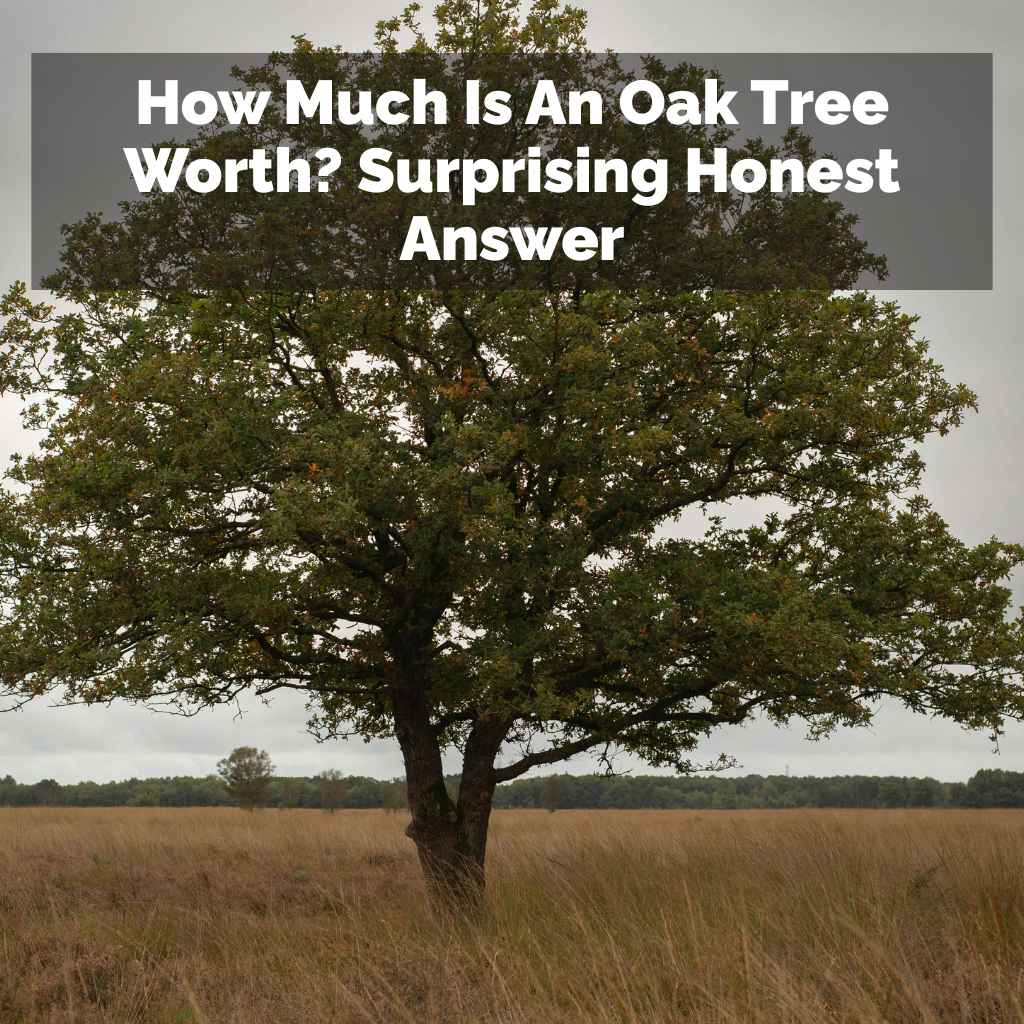
How Much Is An Oak Tree Worth? Surprising Honest Answer
The value of an oak tree depends on many factors, including its species, health, size, age, and potential use for timber or lumber. While a mature, healthy oak can be worth thousands of dollars for its wood, its aesthetic and ecological value is often immeasurable.
What Makes an Oak Tree Valuable?
Oaks are special trees. They are strong and last a long time. Many different kinds of oaks grow in the U.S.
Some are famous for their hard wood. Others give great shade. People also love them for how they look.
The real worth of an oak tree comes from several things. We can look at its wood. We can also think about the shade it gives.
Or how it helps nature. Understanding these parts helps us see the full picture.
The Story of My First Big Oak Assessment
I remember a call a few years back. A woman in Missouri had a huge oak. It was on the edge of her property.
She wanted to build a deck. She thought maybe she could sell the tree for some money. I went out there.
The sun was just coming up.
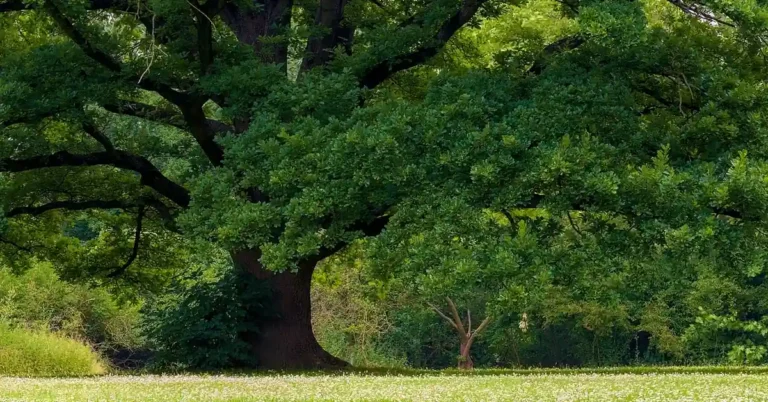
This tree was a giant. Its trunk was wide, like three people holding hands around it. The bark was rough and deep.
It had branches that spread out wide, reaching for the sky. It was a beautiful sight. But as I looked closer, I saw some issues.
There were a few dead branches up high. Some small holes near the base.
My heart sank a little. I knew I had to give her the honest truth. This wasn’t a perfect timber tree.
It had character. It had history. But selling it for lumber might not give her the big payday she hoped for.
It felt tough to tell her that. But being honest is key. We talked about its beauty instead.
And how it helped the birds and squirrels.
Oak Tree Value Factors: A Quick Look
Species Matters: Different oaks have different wood. White oaks are great for barrels. Red oaks are good for flooring.
Health is Key: A healthy tree is worth more. Look for strong branches and green leaves.
Size and Shape: Bigger trees often mean more wood. A straight trunk is best for lumber.
Age Tells a Story: Older trees can be valuable. But they might also have more problems.
Location, Location, Location: Where the tree is affects its value. Is it easy to get to for logging?
Species: The Foundation of Value
There are many types of oak trees. Each one has unique traits. This is important for its value.
Let’s look at a few common ones in the U.S.
White Oak (Quercus alba): This is a prized hardwood. Its wood is strong and doesn’t soak up water easily. This makes it great for things like whiskey barrels.
It’s also used for furniture and flooring. White oak often has a straighter, cleaner trunk. This is good for getting good lumber.
Red Oak (Quercus rubra): Red oaks are also very popular. Their wood is strong and has a nice grain. It’s used a lot for flooring, cabinets, and furniture.
Red oak can grow quite large. Sometimes its trunk isn’t as perfectly straight as white oak. This can affect the lumber grade.
Live Oak (Quercus virginiana): Common in the South. Live oaks are known for their spread. They don’t usually have long, straight trunks.
So, they are not as valuable for timber. But they are amazing for shade and their beauty. They are also very important for the local ecosystem.
Pin Oak (Quercus palustris): This oak has a more narrow shape. It’s often used as a street tree. Its wood is okay, but not as high-grade as white or red oak for fine lumber.
It’s more valuable for its ornamental qualities and shade in urban areas.
Knowing your oak species is the first step. An arborist or local forestry expert can help identify it. This knowledge is key for figuring out its worth.
Health and Vigor: The Tree’s Life Force
A tree’s health is a huge factor. A sick or weak tree has less value. Especially for timber.
A healthy oak shows good signs of life. Its leaves are a vibrant green in season. Its branches are sturdy, not broken or hanging low.
What are the signs of poor health? Look for these things:
- Dead branches: These are called deadwood. They can be a sign of disease or stress.
- Cracks or splits in the trunk: Big cracks can weaken the tree. They might let in pests or disease.
- Fungal growth: Mushrooms or shelf fungi on the trunk or roots are often bad news. They mean the wood inside might be rotting.
- Insect damage: Holes bored into the bark or sawdust-like frass are signs of trouble.
- Unusual leaf color or wilting: Leaves that turn yellow or brown too early can signal a problem.
A tree that has been struck by lightning can also lose value. Even if it survives, the damage might make its wood unusable for quality lumber.
Common Oak Tree Pests & Diseases to Watch For
Oaks:
- Aphids: Small insects that suck sap. They can cause leaves to curl.
- Borers: Larvae that tunnel into the wood. They can weaken or kill a tree.
- Powdery Mildew: A white fungus that grows on leaves. It’s usually not deadly.
- Oak Wilt: A serious disease that can kill oaks quickly. It affects water flow.
- Root Rot: Fungi that attack the roots. This can lead to wilting and death.
Size, Age, and Form: The Tree’s Physical Traits
The physical traits of an oak tree play a big role. Size is often the first thing people think of. Bigger trees generally mean more wood.
But not all wood is the same quality.
Diameter: This is measured at chest height. It’s called Diameter at Breast Height (DBH). A larger DBH usually means a bigger tree.
A common minimum for good timber is 10-12 inches DBH. But much larger is better for valuable lumber.
Height: How tall is the tree? A tall tree can yield more lumber. But the lower part of the trunk is often the most valuable.
This is because it’s straighter and has fewer knots.
Form: This refers to the shape of the tree. The ideal tree for lumber has a straight, clear trunk. It should have few large branches low down.
These branches create knots in the wood. Knots make the lumber weaker and harder to use for fine finishes. Trees with many forks or twists are less valuable for timber.
Age: Oak trees can live for hundreds of years. A young oak might not be big enough to be valuable for timber. Mature oaks are typically 50-100 years old or more.
Very old oaks can be valuable. But they might also be more prone to decay or disease. This can reduce their timber value.
An arborist can measure these traits. They can estimate how much usable lumber a tree might produce. This is often measured in board feet.
Timber Value: The Market Price
When people ask about an oak tree’s worth, they often mean its timber value. This is the money you could get if you sold the wood. This value changes a lot.
It depends on the market for hardwood lumber.
Factors that influence timber value:
- Species: As we saw, some oaks are more valuable than others. White oak and certain red oaks are often in high demand.
- Quality of wood: Clear, straight wood with few knots is most valuable. This is called “prime” or “select” grade.
- Market demand: If furniture makers, flooring companies, or barrel makers need oak, prices go up. If demand is low, prices drop.
- Location: The cost of getting the wood out matters. Trees in remote areas might be worth less because of high logging costs.
- Log scale: This is how lumber is measured. The Doyle, Scribner, or International log rules are used. They estimate board feet.
Getting an accurate timber appraisal is important. A certified forester or timber buyer can do this. They will assess the tree’s species, size, form, and health.
They will also know current market prices.
For a large, high-quality oak tree (like a mature white oak with a straight trunk), the timber value could range from hundreds to even thousands of dollars. A smaller or less healthy tree might be worth much less, or even nothing for timber.
Quick Timber Value Guide (Estimated)
Small to Medium Oak (Poor to Fair Form): $50 – $300 (for firewood or small projects)
Good Quality Oak (Decent Size, Some Knots): $300 – $1,000
Large, High-Quality Oak (Straight Trunk, Few Knots): $1,000 – $5,000+ (very rare for a single tree)
Note: These are rough estimates. Actual prices vary greatly.
Beyond Timber: Other Forms of Value
Not all value is measured in dollars from lumber. Oak trees provide other important benefits.
Aesthetic Value: Many people value oaks for their beauty. They provide shade in the summer. They have beautiful fall colors.
Their shape adds character to a landscape. This value is hard to put a price on. But it’s real for homeowners and communities.
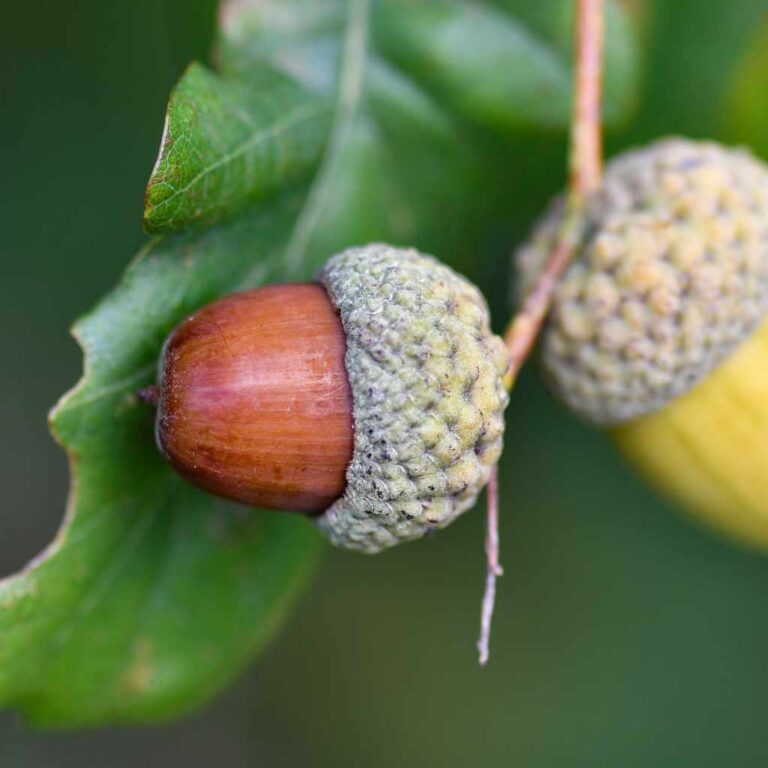
Ecological Value: Oaks are incredibly important for wildlife. They provide food for many animals. Acorns are a key food source for squirrels, deer, jays, and many other creatures.
Their leaves feed caterpillars. Their bark provides shelter. Their dense canopies offer nesting sites for birds.
A single large oak can support hundreds of insect species.
Environmental Benefits: Trees help clean the air. They absorb carbon dioxide. They release oxygen.
They help manage stormwater. This reduces erosion and improves water quality. They can also cool down areas through shade and transpiration.
These are public benefits that are hard to quantify financially for one tree, but vital for our planet.
Shade and Property Value: In a yard, a large, healthy oak tree can increase property value. It provides shade that cools a home in the summer. This can lower energy bills.
It creates a pleasant outdoor space.
When is an Oak Tree Not Worth Much?
Sometimes, an oak tree just doesn’t have much monetary value. This usually happens when:
- The tree is too small. It hasn’t reached a size where its wood is useful for lumber.
- The tree is in poor health. Significant rot, disease, or insect damage makes the wood unusable.
- The tree has poor form. Many forks, twists, or large branches low down mean lots of knots.
- The species is not valuable for timber. Some oaks are grown more for their ornamental look.
- The wood is compromised. Rot or decay might make it only good for firewood.
Even if a tree has little timber value, it can still be valuable for other reasons. Its shade, beauty, or role in the ecosystem might still be very important to you and your property.
My Experience with “Firewood Oaks”
I’ve seen many oaks that were perfect examples of this. One old farmstead had a line of oaks along the driveway. They were planted long ago, maybe as a windbreak.
Over the decades, they’d lost large limbs in storms. Their trunks were often bent or hollowed out. A timber buyer would have walked away.
But the homeowner got a lot of good firewood from them for many winters. So, even when the timber value is gone, there can still be a practical use.
Getting an Appraisal: Who to Call
If you want to know the true worth of your oak tree, you need an expert. Here are the main people to consider:
Certified Arborist: They are experts in tree health and care. They can assess the tree’s condition, species, and potential lifespan. They can tell you if the tree is healthy or has problems.
Some arborists can also estimate timber volume. But their primary focus is tree health.
Certified Forester: Foresters are trained in managing forest lands and timber resources. They are the best people to appraise a tree for its timber value. They can estimate board feet accurately.
They also know current market prices for logs.
Timber Buyers/Loggers: These people buy trees for lumber. They can often give you an estimate if they are interested in buying. However, their valuation might be focused on what they can get out of it.
It’s good to get a few opinions from different buyers.
Land Surveyors (sometimes): Some land surveyors have experience with timber cruising and valuation. It’s worth asking if they offer this service.
When you get an appraisal, make sure it’s written down. It should detail the tree’s species, size, condition, and estimated yield. It should also state the basis for the valuation.
Real-World Scenarios: When Value Comes into Play
Let’s look at some situations where people need to know an oak tree’s worth.
Property Development: If you plan to build on land with mature oaks, you’ll need to know their value. Sometimes, regulations require compensation for removing significant trees. Developers need to budget for this.
Homeowners might want to save them for shade and beauty.
Storm Damage: After a big storm, you might have fallen oaks. You’ll need to know if the fallen logs have any value for lumber or firewood. This can help offset the cost of cleanup.
Estate Planning: If you own land with valuable timber, it’s part of your estate. Knowing the value helps with planning and taxes.
Insurance Claims: If a tree falls on your house or a neighbor’s property, insurance will be involved. An appraisal might be needed to determine the value of the lost tree.
Selling Firewood: Even if an oak isn’t valuable for fine lumber, it can still be cut into firewood. This has a market value, though it’s much lower than timber value.
Each scenario highlights that value isn’t just one thing. It depends on why you’re asking.
Oak Tree Value: Myth vs. Reality
Myth: Every big oak tree is worth thousands of dollars. Reality: Only large, healthy oaks with straight trunks of valuable species command top timber prices. Most trees are worth more for shade or habitat.
Myth: You can sell any tree on your property. Reality: Buyers look for specific types and quality. Many trees are not suitable for commercial timber.
Myth: Old trees are always more valuable. Reality: Very old trees can be decaying or hollow, reducing their lumber value significantly.
What This Means For Your Oak Tree
So, what should you do if you have an oak tree you’re curious about? Here’s a simple guide.
1. Identify the Species: Try to figure out what kind of oak it is. Look at the leaves, bark, and acorns.
If you’re unsure, an arborist can help.
2. Assess its Health: Look for signs of disease, pests, or damage. Are its branches strong?
Is the bark intact?
3. Observe its Form: Is the trunk straight? Are there many large branches low down?
4. Consider its Size: How big is the trunk? How tall is the tree?
5. Think About Why You’re Asking: Do you need lumber? Or are you just curious about its beauty or environmental role?
If you have a large, healthy oak of a valuable species (like white oak) with a straight trunk, it might be worth getting a timber appraisal. If the tree is smaller, less healthy, or has a poor form, its timber value might be low. But its value for shade, beauty, or wildlife could still be very high.
When to Worry: If you notice rapid changes in the tree’s health, like sudden leaf drop, wilting, or oozing sap, it’s time to call a professional arborist. Early detection can sometimes save a tree.
Simple Checks: Walk around your tree regularly. Look up at the branches. Check the base for any new issues.
A few minutes each season can make a big difference in spotting problems early.
Quick Tips for Understanding Your Oak’s Value
Here are some final thoughts to help you gauge your oak tree’s worth.
- Don’t assume big equals valuable timber. Form and health are just as important.
- Research local market prices for firewood or timber if you think it might be an option.
- Consider the “hidden” value. Shade, beauty, and habitat are priceless to many.
- Get professional advice for any significant financial decisions about your trees.
- Talk to neighbors or local foresters. They might have experience with similar trees in your area.
Remember, a tree is a living thing. Its value can change over time. What seems like a nuisance now could be a treasure later, or vice versa.
Frequently Asked Questions About Oak Tree Value
How much is a typical backyard oak tree worth?
A typical backyard oak tree, if it’s healthy and mature, is often worth more for its shade, beauty, and ecological benefits than for its timber. Its timber value could range from $0 to a few hundred dollars, depending greatly on species, size, and health. Its aesthetic and environmental value is usually much higher.
Can I sell my oak tree for lumber myself?
You can sell firewood yourself if you have the means to cut and split it. Selling logs for lumber is more complex. You typically need to get them to a sawmill.
It often involves working with a timber buyer who will handle the logging and transport. Selling directly requires specialized equipment and knowledge.
What are the most valuable oak species for timber?
The most valuable oak species for timber in the U.S. are generally White Oak (Quercus alba) and select Red Oaks like Northern Red Oak (Quercus rubra). These species yield high-quality wood used for furniture, flooring, and barrels.
Their value comes from their strength, grain, and workability.
How does a tree’s age affect its value?
A tree’s age affects its value in different ways. Young trees are too small for most timber uses. Mature trees (50-100+ years) are often at their peak for lumber production.
Very old trees can be valuable, but they may also have rot or decay, reducing their timber value. Their historical and aesthetic value might increase with age.
What is “board foot” and how is it used?
A board foot is a unit of measure for lumber. It represents a piece of wood that is 1 foot long, 1 foot wide, and 1 inch thick. Timber appraisers estimate the number of board feet a tree can yield.
This estimate is then used to calculate its potential timber value based on current market prices per board foot.
When should I worry about oak wilt?
You should worry about oak wilt if you notice sudden wilting of leaves, especially from the top down. Other signs include rapid leaf discoloration (often turning brown or reddish-brown) and defoliation. It’s a serious disease.
If you suspect oak wilt, contact your local extension office or a certified arborist immediately. Do not prune oaks during the growing season, as this can spread the disease.
Is an oak tree with acorns more valuable?
An oak tree producing acorns is highly valuable for wildlife habitat. For timber purposes, the presence of acorns doesn’t directly increase the wood’s value. However, a tree healthy enough to produce abundant acorns is usually a healthy tree, which is good for timber potential.
The ecological value of acorns is significant but not usually a direct financial asset for the tree owner.
Conclusion: More Than Just Wood
Understanding an oak tree’s worth is a journey. It involves looking at its species, health, size, and the market. But don’t forget its other gifts.
The shade it casts, the life it supports, and the beauty it brings are truly priceless. Value is not always a number. It’s often about what the tree does for us and our world.
Sponsored / affiliate links. As an Amazon Associate I earn from qualifying purchases. I may earn additional commission from eligible campaigns.