Multitool vs Jigsaw: Which Tool Cuts Better? (They Don’t Compete)
They’re not competing for the same job, so “which cuts better” depends entirely on what you’re cutting. A jigsaw cuts faster, deeper, and handles curves and long lines a multitool physically can’t. An oscillating multitool can’t rip a board in half, but it can start a cut in the middle of a wall with zero kickback and reach into corners a jigsaw’s base plate will never fit into. Below is the actual decision framework, plus one practical buying detail — blade compatibility — that most comparisons skip entirely.
How Each Tool Actually Cuts
Best Jigsaw for Curves and Long Cuts
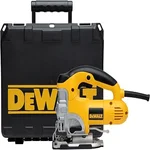 |
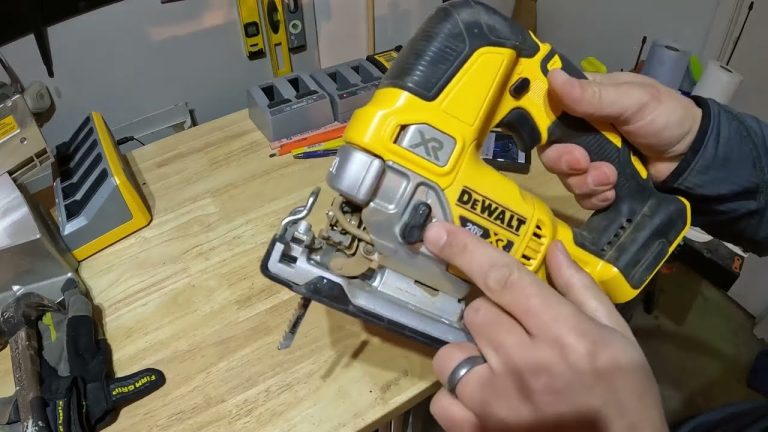
DEWALT Jig Saw, Top Handle, 6.5-Amp (DW331K) – $189.00 If your project needs curves, circles, or long straight lines rather than plunge cuts and tight corners, this is the tool from the comparison above you actually want.
|
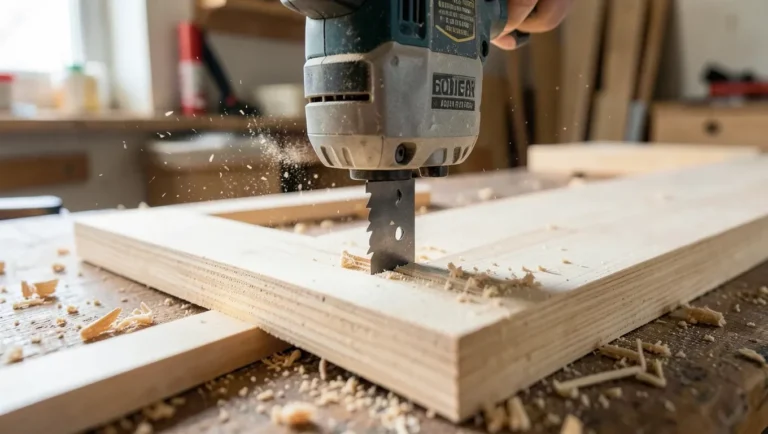
An oscillating multitool doesn’t spin or reciprocate in a long stroke — its head rocks back and forth through a tiny arc (typically 2–3’ of rotation) at 10,000–20,000 oscillations per minute. That tiny, fast motion is what lets it plunge straight into the middle of drywall or flooring with essentially no kickback and start a cut without a pilot hole. It’s also exactly why it’s slow and shallow: the blade only removes a sliver of material per stroke, so it’s built for precision and access, not volume.
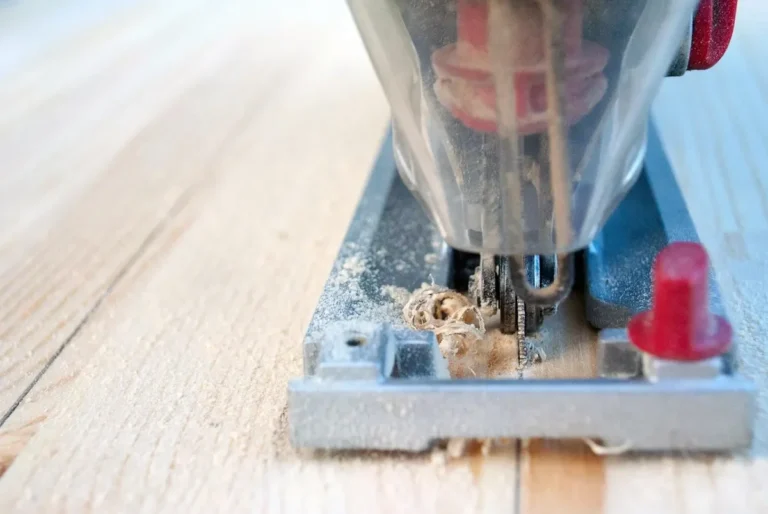
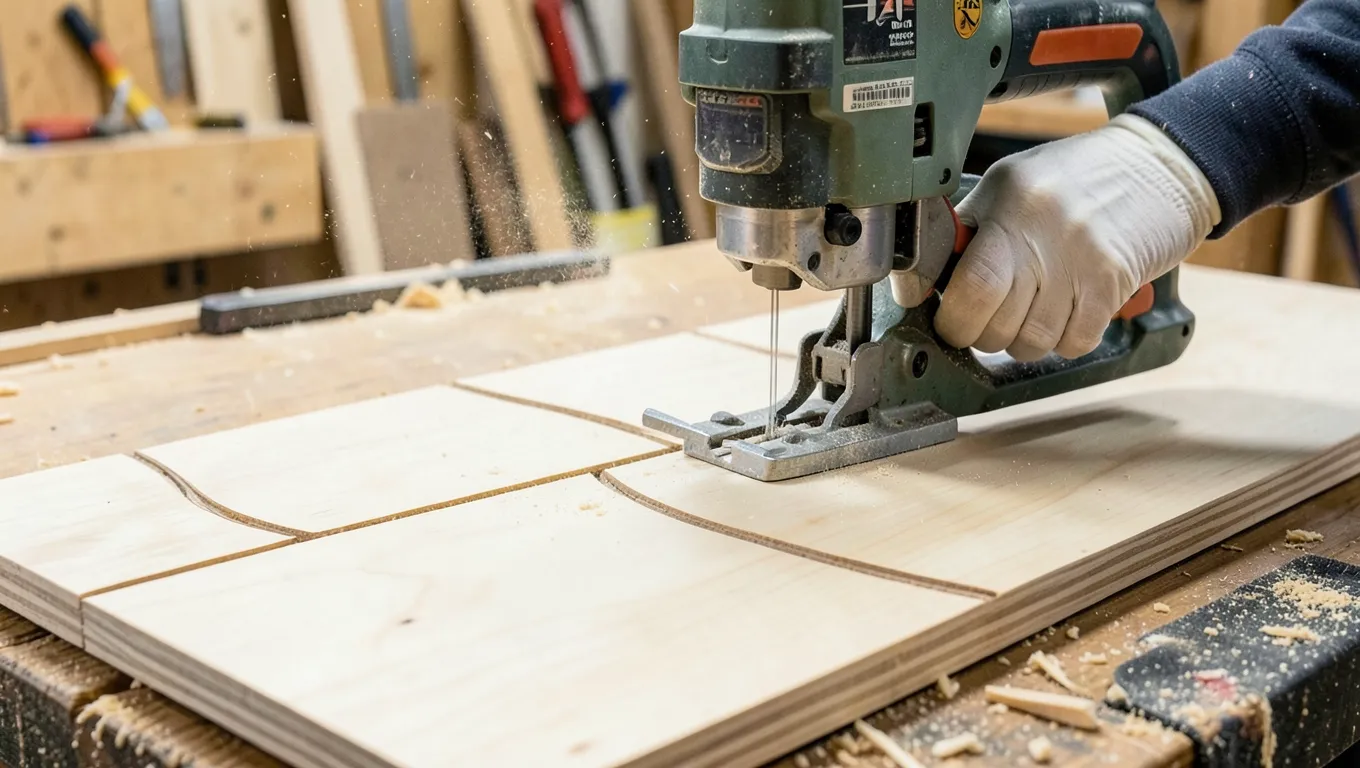
A jigsaw drives a blade up and down in a full reciprocating stroke, often with an adjustable “orbital” or pendulum action that also nudges the blade slightly forward and back — faster cutting in wood, at the cost of a rougher edge (turn orbital action off for cleaner cuts in acrylic, laminate, or thin metal). Its base plate rides flat on the material, giving it the stability to cut curves, circles, and long lines that a multitool’s small head can’t manage.
What Each Tool Is Actually Good For
| Task | Better tool |
|---|---|
| Cutting an outlet or vent hole in drywall | Multitool (plunge cut, no pilot hole) |
| Trimming a door jamb to slide flooring under | Multitool (flush, tight-space access) |
| Cutting a curve or circle in plywood | Jigsaw (built for curved cuts) |
| Cutting a sink or cooktop opening in a countertop | Jigsaw |
| Scraping old caulk, paint, or adhesive | Multitool (attachment-based) |
| Ripping a sheet of plywood down to size | Neither — use a circular saw or table saw |
| Removing grout without damaging tile | Multitool (specialized grout blade) |
The Buying Detail Most Comparisons Skip: Blade Compatibility
Jigsaw blades are largely standardized — the T-shank format fits the overwhelming majority of jigsaws regardless of brand, so blade choice is mostly about tooth count and material, not compatibility. Oscillating multitools are a different story: for years, major brands (DeWalt, Milwaukee, Bosch, Makita) each used their own proprietary blade-mount shape, so a blade bought for one brand’s tool often didn’t fit another’s. Most manufacturers have since adopted the “Starlock” mounting standard (a three-pronged star shape) specifically to fix this, but plenty of older tools and some budget brands still use the legacy proprietary mounts. If you’re buying a multitool today, check that it’s Starlock-compatible before you commit — it’s the difference between being able to buy generic replacement blades anywhere and being locked into one brand’s accessory line.
Safety: A Real Difference, Not Just a Feature Comparison
Kickback — the tool suddenly jerking back toward the user when a blade binds — is a real risk with reciprocating and rotary blades under load. A jigsaw’s short stroke and stable base plate make it much lower-risk than a circular saw, but binding in a knot or nail can still cause a jerk. An oscillating multitool’s small back-and-forth arc essentially eliminates kickback as a failure mode — there’s no continuous rotational or reciprocating force to bind up in the first place, which is part of why it’s the tool contractors reach for when cutting blind into a wall where they can’t see what’s on the other side (always check for wiring and pipes first regardless).
Bottom Line
If your project involves curves, circles, or cutting a shape out of a flat panel, get a jigsaw. If it involves plunge cuts, flush trims, tight corners, or scraping/sanding attachments on top of occasional cutting, get a multitool. Plenty of serious DIYers eventually own both, because they genuinely don’t overlap in what they’re best at — a multitool won’t replace a jigsaw for shaping plywood, and a jigsaw can’t do a clean flush cut against a wall the way a multitool can.
Frequently Asked Questions
Can a multitool replace a jigsaw?
No. A multitool’s small oscillating blade can’t manage the long, deep, or curved cuts a jigsaw is built for. It’s better suited to plunge cuts, flush trims, and tight-space work.
Can a jigsaw do what a multitool does?
Partially. A jigsaw can plunge-cut with practice, but its base plate needs a flat surface to ride on, so it can’t get into tight corners or flush against a wall the way a multitool can, and it doesn’t take scraping or sanding attachments.
What is Starlock on an oscillating tool?
Starlock is a universal three-pronged blade-mount standard most major brands now use, letting you buy generic replacement blades instead of being locked into one manufacturer’s proprietary accessory line.
Which tool has less kickback risk?
The oscillating multitool. Its small back-and-forth arc has essentially no kickback failure mode, while a jigsaw’s reciprocating blade can still jerk if it binds in a knot or fastener, though far less violently than a circular saw.
Should I buy both?
If you do a mix of renovation and building projects, yes — they cover genuinely different tasks rather than competing for the same one.
Sponsored / affiliate links. As an Amazon Associate I earn from qualifying purchases. I may earn additional commission from eligible campaigns.