How to Adhere Wood to Metal: Expert Tips for Strong Bonds
Are you struggling to join wood and metal in your project? Knowing how to adhere wood to metal can save you time, money, and frustration.
Whether you’re fixing furniture, building something new, or doing a DIY repair, getting a strong bond between these two materials is key. You’ll discover simple, effective methods that anyone can use. By the end, you’ll feel confident tackling your project with the right tools and techniques.
Keep reading to unlock the secrets to a lasting wood-to-metal connection!
Choosing The Right Adhesive
Choosing the right adhesive is key to joining wood and metal. The bond must be strong and last long. Picking the correct glue depends on many things. These include the materials, the environment, and the type of project. Understanding these factors helps to get the best results. Below, explore the main types of adhesives and what affects your choice.
Types Of Adhesives For Wood To Metal
Epoxy adhesives work well for wood and metal. They create a tough, lasting bond. Two-part epoxies mix resin and hardener before use. This glue resists water and heat.
Polyurethane glue expands slightly during curing. It fills gaps between wood and metal. This glue bonds well and handles moisture.
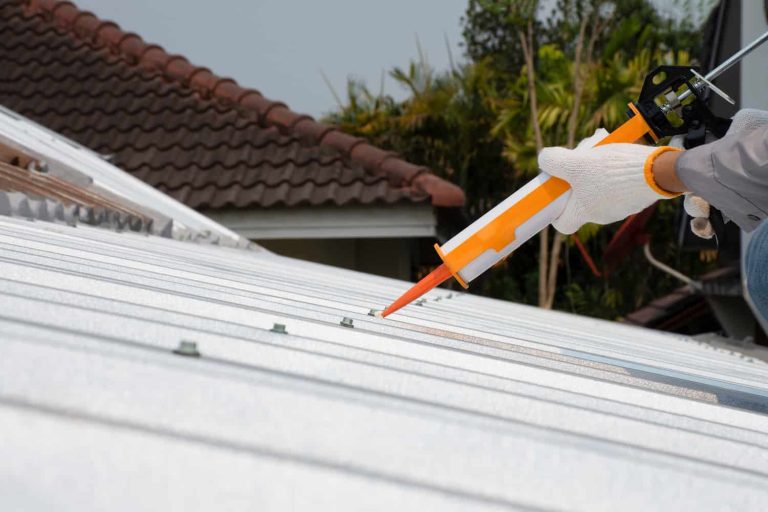
Construction adhesives come in tubes for easy use. They stick many materials, including wood and metal. These glues dry flexible and resist vibration.
Cyanoacrylate glue, also called super glue, dries fast. It bonds cleanly but may not hold under heavy stress.
Factors Influencing Adhesive Selection
Surface preparation affects how well the glue sticks. Clean, dry, and rough surfaces improve adhesion. Remove oil, dust, and rust before gluing.
Temperature and humidity impact drying and curing. Choose adhesives that work in your climate. Some glues fail in cold or wet conditions.
Load type matters. Shear, tension, or impact loads need different adhesives. Epoxies handle heavy loads better than others.
Gap size between wood and metal matters. Fill gaps with expanding glue or use clamps for tight joints.
Work time is important for complex projects. Some adhesives set quickly, others allow repositioning.
Preparing Surfaces For Bonding
Preparing surfaces for bonding is the first and most important step. Proper preparation ensures a strong and lasting bond between wood and metal. It helps the adhesive stick better and prevents future problems.
Both wood and metal need special care before applying glue. Cleaning, sanding, and removing contaminants are key tasks. These steps create a clean, rough surface that improves adhesion.
Cleaning Metal Surfaces
Start by wiping metal with a clean cloth. Remove dust, oil, and dirt. Use a solvent like rubbing alcohol for better cleaning. Avoid water, as it can cause rust. Dry the metal completely before proceeding.
Sanding And Roughening Wood
Lightly sand the wood surface with fine-grit sandpaper. This creates tiny grooves for the glue to grip. Sand in the direction of the wood grain. Remove sanding dust with a dry cloth to keep the surface clean.
Removing Contaminants
Check both surfaces for grease, wax, or paint. These contaminants block adhesion. Use a degreaser or solvent to clean them off. Make sure surfaces are dry and free of residue before bonding.
Techniques For Applying Adhesive
Applying adhesive correctly is key to bonding wood and metal. The right technique ensures a strong, lasting hold. This section covers essential methods for applying glue, holding the pieces together, and letting the bond set properly.
Proper Adhesive Application Methods
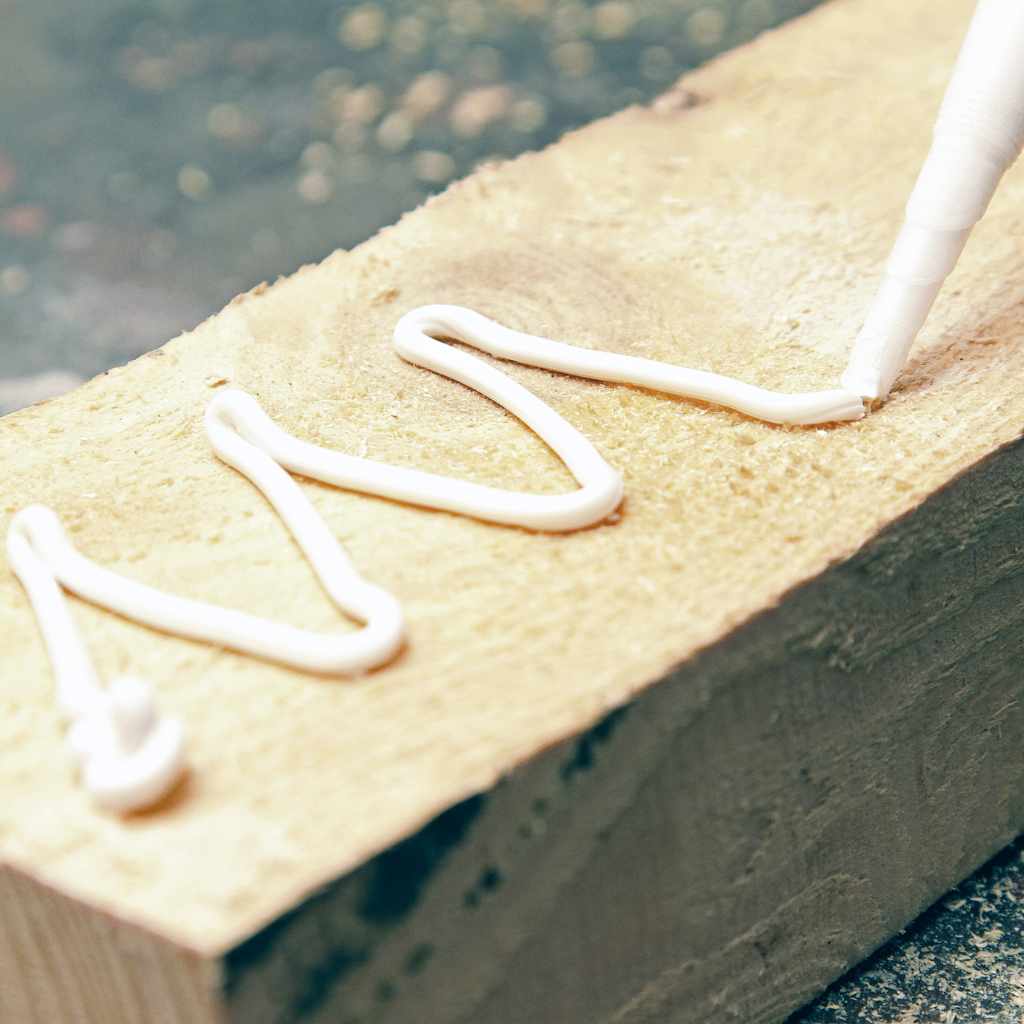
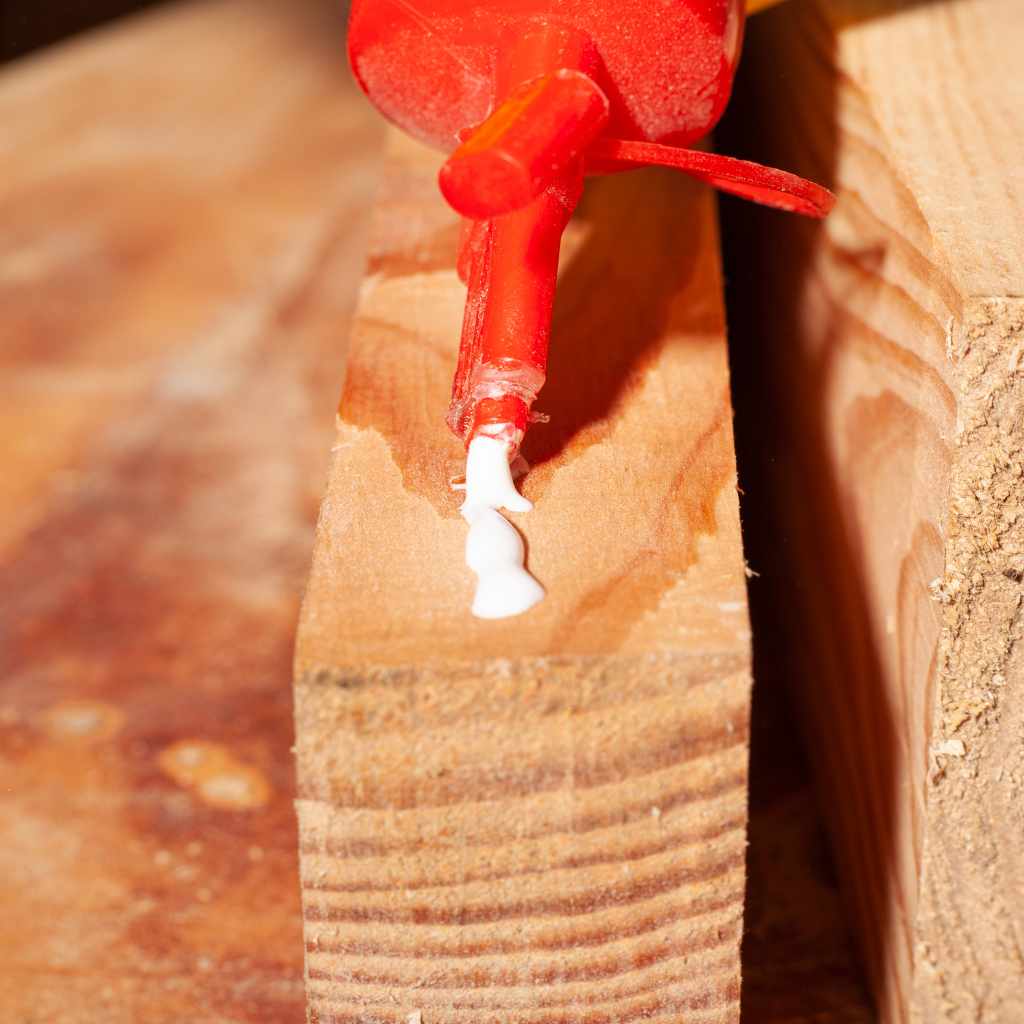
Start by cleaning both surfaces. Remove dust, oil, and rust for better grip. Use a brush or a spreader to apply adhesive evenly. Avoid thick layers to prevent weak spots. Apply adhesive in a thin, consistent coat on both wood and metal.
Clamping And Securing Materials
Hold the wood and metal tightly after applying glue. Use clamps or heavy objects to keep pieces in place. Proper pressure helps the adhesive fill gaps and bond well. Keep the materials still to avoid weak joints.
Curing Times And Conditions
Let the adhesive dry fully before moving the project. Follow the manufacturer’s curing time for best results. Keep the bonded pieces in a dry, stable environment. Avoid heat, moisture, or vibration during curing to ensure a strong bond.
Enhancing Bond Strength
Enhancing bond strength between wood and metal is crucial for durable projects. Strong adhesion prevents movement and damage over time. This section covers practical ways to improve the bond for lasting results.
Using Mechanical Fasteners
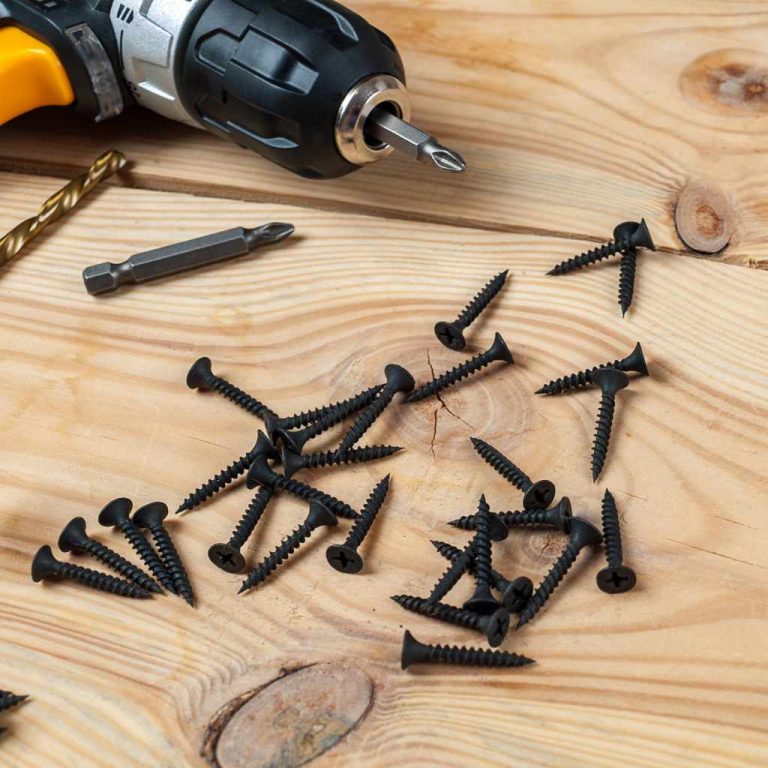
Mechanical fasteners add extra security to glued joints. Screws, bolts, or nails hold wood and metal firmly together. They reduce stress on the adhesive by sharing the load. Fasteners must be rust-resistant to last long outdoors. Pre-drilling holes in wood prevents splitting during installation.
Selecting Compatible Materials
Choose adhesives that work well with both wood and metal. Some glues are designed for porous and non-porous surfaces. Test a small area first to check adhesion strength. Smooth metal surfaces may need roughening for better grip. Use sandpaper or wire brushes to create texture.
Environmental Considerations
Temperature and humidity affect bond strength significantly. High moisture can weaken glue and cause wood to swell. Use weather-resistant adhesives for outdoor projects. Allow materials to dry completely before bonding. Avoid extreme temperatures during application and curing times.
Common Mistakes To Avoid
Adhering wood to metal can be tricky. Many people make common mistakes that weaken the bond or cause it to fail. Avoiding these errors saves time and effort. It also ensures a strong, lasting connection between wood and metal.
Improper Surface Preparation
Clean surfaces are crucial for a strong bond. Dirt, oil, or rust stop adhesives from sticking well. Sand the metal lightly to create texture. Wipe both wood and metal with a clean cloth. Use rubbing alcohol to remove grease or dust. Skipping this step leads to weak adhesion and peeling.
Using Wrong Adhesives
Not all glues work for wood and metal. Some adhesives dry too fast or do not stick well to metal. Choose an epoxy or polyurethane glue made for both materials. Avoid simple wood glue, as it cannot hold metal. Using the wrong glue means the bond will break easily.
Ignoring Curing Requirements
Adhesives need time to cure fully. Rushing to use the joined parts weakens the bond. Follow the glue instructions for curing time and conditions. Keep the pieces clamped or pressed firmly during curing. Ignoring curing rules causes the bond to fail under stress.
Maintenance And Longevity
Maintaining the bond between wood and metal ensures your project lasts longer. Strong adhesion resists wear from weather and use. Regular care keeps joints solid and prevents damage. Simple steps help protect and extend the life of your work.
Inspecting Joints Regularly
Check the wood-metal joints often for signs of wear. Look for cracks, gaps, or loose areas. Early spotting of problems helps fix them quickly. Use a flashlight to see hard-to-reach places. Touch the joints to feel if they are sturdy.
Repairing Weak Bonds
Fix weak spots as soon as you find them. Clean the area before applying new glue or adhesive. Clamp the joint tightly until it dries fully. Replace damaged parts if repair does not hold. Small repairs prevent bigger damage later.
Protecting Bonded Areas
Shield the bonded areas from water and dirt. Use sealants or protective coatings on both wood and metal. Keep the surfaces dry and clean to avoid decay. Avoid heavy impacts or stress on the joints. Proper protection keeps the bond strong longer.
Frequently Asked Questions
What Is The Best Adhesive For Bonding Wood To Metal?
Epoxy resin is the best adhesive for wood to metal bonding. It creates a strong, durable, and waterproof bond. It also resists temperature changes and vibrations, making it ideal for wood-metal projects. Proper surface preparation improves adhesion.
How To Prepare Wood And Metal Surfaces Before Gluing?
Clean both surfaces thoroughly to remove dirt, grease, and rust. Sand the metal lightly to create a rough texture for better grip. For wood, ensure it’s dry and smooth. Wipe surfaces with a solvent like alcohol before applying adhesive.
Can Wood Glue Work For Metal-to-wood Adhesion?
No, standard wood glue is not suitable for metal surfaces. It lacks the strength and flexibility needed for metal adhesion. Use specialized adhesives like epoxy or polyurethane glue designed for multi-material bonding.
How Long Should Adhesive Cure When Bonding Wood To Metal?
Curing time varies by adhesive type. Epoxy typically requires 24 hours to fully cure. Follow manufacturer instructions for best results. Avoid stressing the bond during curing to ensure maximum strength.
Conclusion
Adhering wood to metal is simpler than it seems. Choose the right adhesive and clean both surfaces well. Press the materials together firmly and let the glue dry completely. Small steps lead to strong bonds. With patience and care, your project will hold tight.
Keep these tips in mind for lasting results. Try it yourself and see how easy it can be.