Metal vs Wood Bunk Bed: Which Lasts Longer? (Weight + Safety)
Metal bunk beds resist warping and typically support up to 800 lbs total, while a solid hardwood frame built to ASTM F1427 can be rated for 500 to 2,000 lbs per sleeping surface — but a softwood pine model may cap out far lower. Picking the wrong material for a damp basement or an active toddler’s room can mean early rust or a wobbly frame within a year. This guide compares real weight ratings, wood-species lifespan, ASTM/CPSC safety rules, and true cost per bed.
Metal vs Wood Bunk Beds: Material Basics
The core difference comes down to what carries the load. Metal bunk beds are built from steel or iron tubing — strong, consistent, and resistant to warping regardless of humidity. Wood bunk beds are milled from a specific species, and that species choice (pine vs. oak vs. maple) changes the bed’s strength, weight capacity, and lifespan more than most shoppers realize — the same species tradeoffs that show up across our other woodworking projects guides.
Metal Bunk Bed Durability and Features
Metal bunk beds hold up well under heavy, repeated use. The steel frame doesn’t warp, swell, or attract wood-boring pests, and a scratch in the powder-coat finish rarely weakens the underlying tube. Many standard steel bunk frames are rated for roughly 250-400 lbs per bunk, with heavier-gauge frames supporting up to 800 lbs combined across both tiers.
They’re also lighter than most solid wood bed frames, which makes them easier to move for cleaning or a room rearrange, and the smooth painted or powder-coated finishes (black, white, silver, or bright colors) fit a modern or industrial room easily.
Pros of Metal Bunk Beds
- Won’t warp from humidity or attract wood-boring insects
- Lighter weight — easier to move or reconfigure
- Low maintenance — wipe clean, touch up rust spots as needed
- Rarely develops squeaks the way wood joinery does over time
Cons of Metal Bunk Beds
- Feels cold to the touch and can dent if heavy objects hit the frame
- A scratched finish can rust in humid rooms if not touched up
- Dents and bends usually can’t be repaired — the section gets replaced
Wood Bunk Bed Durability and Features
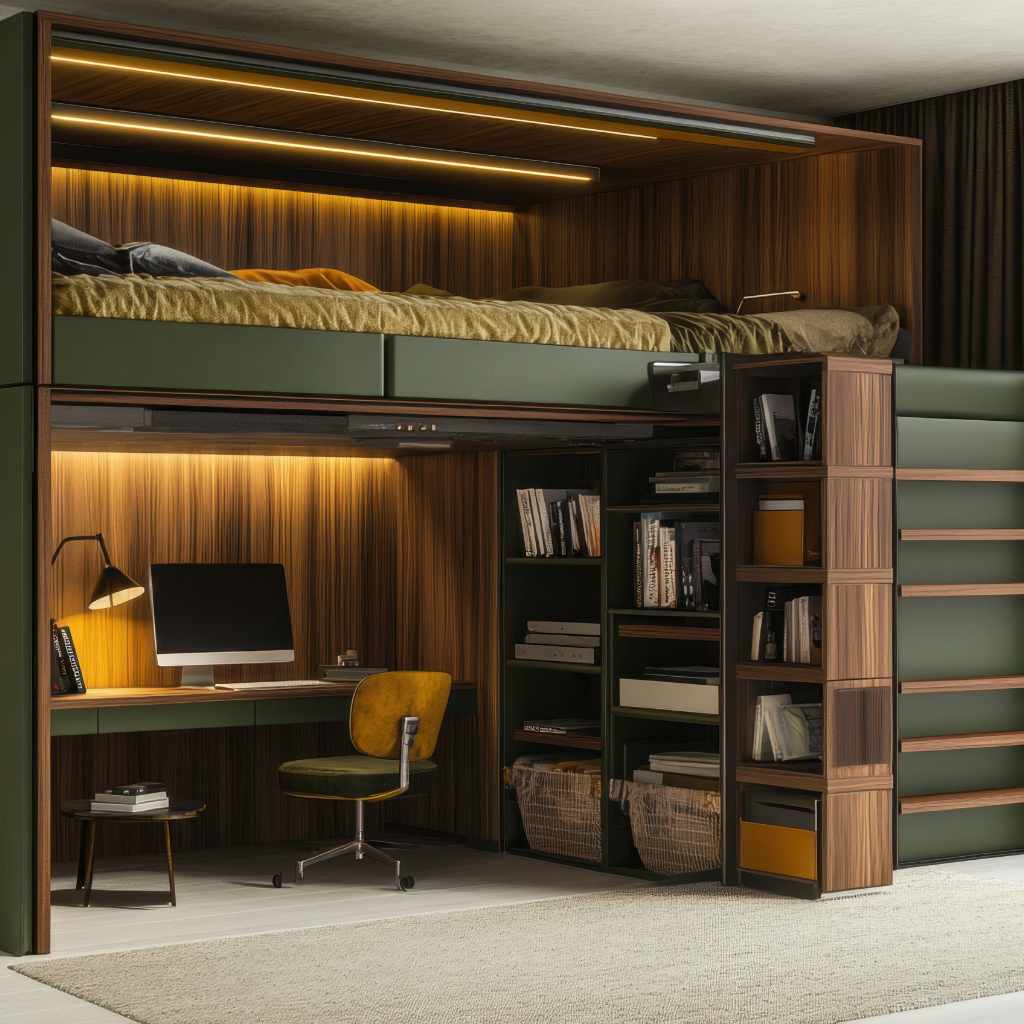
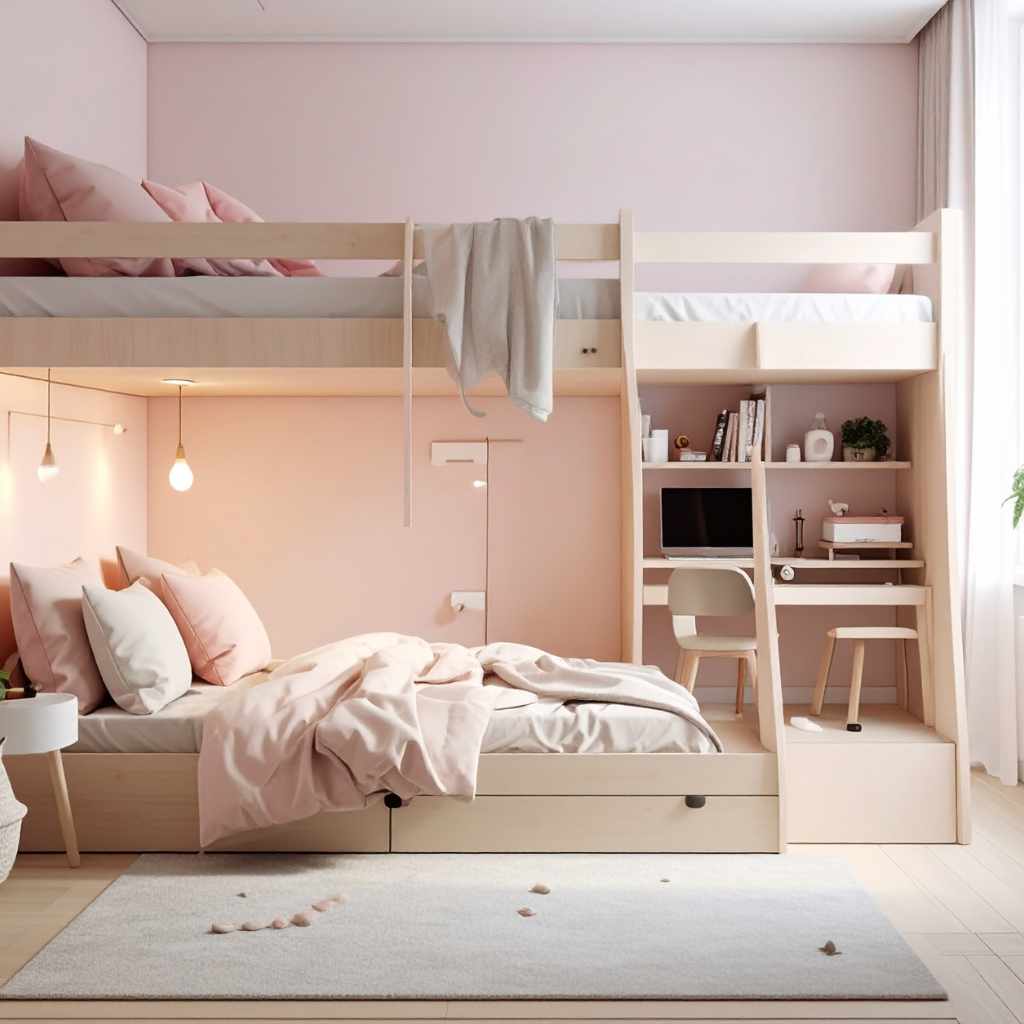
Wood bunk beds vary more than metal ones because the species matters. A hardwood like oak or maple can outlast a metal frame and be sanded and refinished for decades; a softwood like pine dents and scratches more easily and won’t carry the same weight rating. Built-in drawers, shelves, or a desk are common on wood models, adding real storage that metal frames rarely include.
Pros of Wood Bunk Beds
- Hardwood species can last for generations with basic care
- Scratches and dents can be sanded out and refinished
- Often includes built-in storage (drawers, shelves, desks)
- Warmer look and feel; wide range of stains and finishes
Cons of Wood Bunk Beds
- Heavier and harder to move or disassemble
- Softer species (pine, MDF composites) dent and scratch more easily
- Hardwood models cost more than comparable metal frames
- Joinery can loosen and creak over years of use if bolts aren’t checked
Wood Species Lifespan and Weight Capacity (Metal vs. Wood, by the Numbers)
Weight capacity is the load a bunk bed frame can safely hold without failing, and it depends far more on species and gauge than most listings make clear. Cheaper steel-tube frames commonly max out near 250-400 lbs per bunk, while heavier-gauge steel can reach 800 lbs combined. Wood is the wider range: pine-frame bunks often top out around 400-600 lbs per tier, while solid hardwood models built to ASTM F1427 can be rated for 500 to 2,000 lbs on a single sleeping surface.
| Material | Typical Weight Capacity | Re-Finish Interval | Realistic Lifespan |
|---|---|---|---|
| Steel (standard gauge) | 250-400 lbs/bunk | Touch-up paint as needed | 15-25 years |
| Steel (heavy gauge) | Up to 800 lbs combined | Touch-up paint as needed | 20-30 years |
| Pine (softwood) | 400-600 lbs/tier | Refinish every 5-8 years | 10-15 years |
| Oak / Maple (hardwood) | 500-2,000 lbs/tier | Refinish every 10-15 years | 25+ years |
📊 Solid hardwood bunk beds built to ASTM F1427 and kept in a stable, climate-controlled room can genuinely last 20-25+ years, while a comparable steel frame typically lasts 15-25 years before fatigue at the welds becomes a concern — Source: ASTM International, F1427-21 Standard Consumer Safety Specification for Bunk Beds.
Best Bunk Bed Safety Pick
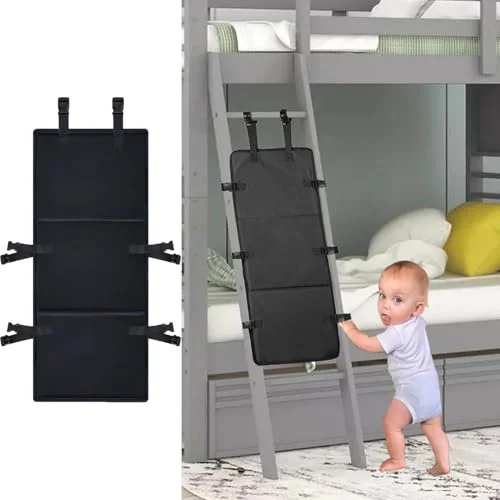 |
KALYVON Bunk Bed Ladder Cover, Stair Blocker (31×15 in) – $18.99 Straps over the ladder rungs on both tube-steel and wood-rail ladders — the exact “very young children” safety gap covered in the FAQ below.
|
As an Amazon Associate we earn from qualifying purchases.
Comparing Durability: Metal vs Wood
Durability depends on material quality and construction, not just the category. Heavier-gauge steel resists bending, humidity, and pests, and its finish can chip without weakening the frame underneath. Hardwood species like oak, maple, or cherry hold up just as well and can be sanded and refinished when scratched, which steel can’t do.
Environment matters more than most buyers expect. In a damp basement or a humid climate, metal avoids the warping risk that even a sealed hardwood frame can develop over years. In a climate-controlled bedroom, well-built wood holds up just as long as steel.
Style Considerations: Adding Personality
Style is where the two materials diverge the most. Metal and wood send very different signals in a bedroom, and the right pick often comes down to the room’s existing decor more than durability.
Modern and Minimalist with Metal
Metal bunk beds lean industrial or minimalist — clean lines, a sleek finish, and a light-reflecting surface that can make a small room feel more open. They come as bare-essentials frames or fully loaded designs with built-in ladders, guardrails, and slide attachments, in colors from classic black and white to vibrant blues and reds.
Cozy and Classic with Wood
Wood bunk beds bring warmth and texture that metal can’t replicate — the grain shows through a natural finish, or the frame can be painted any color to match the room. Carved headboards, shaped posts, and decorative trim are common upgrades on higher-end wood models.
Safety Standards: What ASTM F1427 Actually Requires
Regardless of material, every bunk bed sold in the US should meet ASTM F1427, the CPSC-recognized consumer safety specification for bunk beds. This standard sets hard numbers, not just general “be careful” advice.
- Guardrail height: the top edge of each guardrail must sit at least 5 inches above the mattress surface, measured with the thickest mattress the manufacturer allows.
- Guardrail coverage: any bunk with the foundation more than 30 inches off the floor needs guardrails on both sides, not just one.
- Gap limits: the space between the guardrail and the mattress can’t exceed 3.5 inches, to prevent entrapment.
- Ladder security: ladders or stairs must attach securely with no gaps large enough to trap a limb.
Weight Capacity
Check the manufacturer’s stated weight capacity for each bunk before buying, not just the combined total. This matters most for thinner-gauge metal frames, which can carry a much lower per-bunk weight limit than a heavy-gauge model, even though both look similar in a listing photo.
Construction Quality
Examine the joinery and fasteners before assembly. Metal frames should have clean, continuous welds with no visible gaps. Wood frames should have tight joints secured with real hardware, not just glue — a loose bolt or screw on either material is a genuine fall hazard, not just a cosmetic issue.
Maintenance and Care
Proper care is what actually determines whether a bunk bed hits its realistic lifespan or falls short of it. If the frame has already started to wobble, see our guide on how to reinforce a bed frame before assuming it needs replacing.
Metal Bunk Bed Care
Wipe down with a damp cloth and mild soap for regular cleaning. If rust spots appear — more common in humid rooms or where the finish is scratched — sand the spot with fine-grit paper and touch up with matching metal paint. Check that every bolt and fastener is still tight at least twice a year.
Wood Bunk Bed Care
Dust regularly with a soft cloth and wipe up spills immediately to prevent water staining. Sand out scratches or dents and reapply a matching stain or paint. Spray furniture polish onto the cloth rather than directly on the wood, and keep the bed away from direct sunlight and heating vents to prevent the wood from drying and cracking.
Real-World Cost Comparison
Upfront price tells only part of the story once refinishing and repairs are factored in over the bed’s lifespan.
| Type | Typical Price Range | Ongoing Cost Over 15 Years |
|---|---|---|
| Basic steel frame | $150-$350 | Low — occasional touch-up paint (~$10) |
| Heavy-gauge steel | $350-$700 | Low — rare rust touch-ups |
| Pine frame | $200-$450 | Moderate — 1-2 refinishing passes (~$40-80 each) |
| Solid hardwood (oak/maple) | $600-$1,500+ | Low — one refinish every 10-15 years (~$60-100) |
Metal wins on upfront cost and near-zero upkeep. Pine wood sits in the middle — cheaper than hardwood but needs more frequent touch-ups. Solid hardwood costs the most initially but rarely needs anything beyond an occasional refinish, and it typically holds resale value better than either option.
Choosing the Right Mattress
The mattress is part of the safety equation, not an afterthought. Bunk beds typically need a thinner mattress so the guardrail stays effective — check the manufacturer’s maximum mattress thickness before buying either a metal or wood frame.
For a twin-sized bunk, a standard twin mattress usually fits, but verify its thickness against the frame’s spec sheet. A mattress that’s too thick reduces the guardrail’s effective height, raising fall risk. Foam mattresses are often a good fit since they run thinner and lighter than innerspring models; memory foam or hybrid options work too if they meet the height requirement.
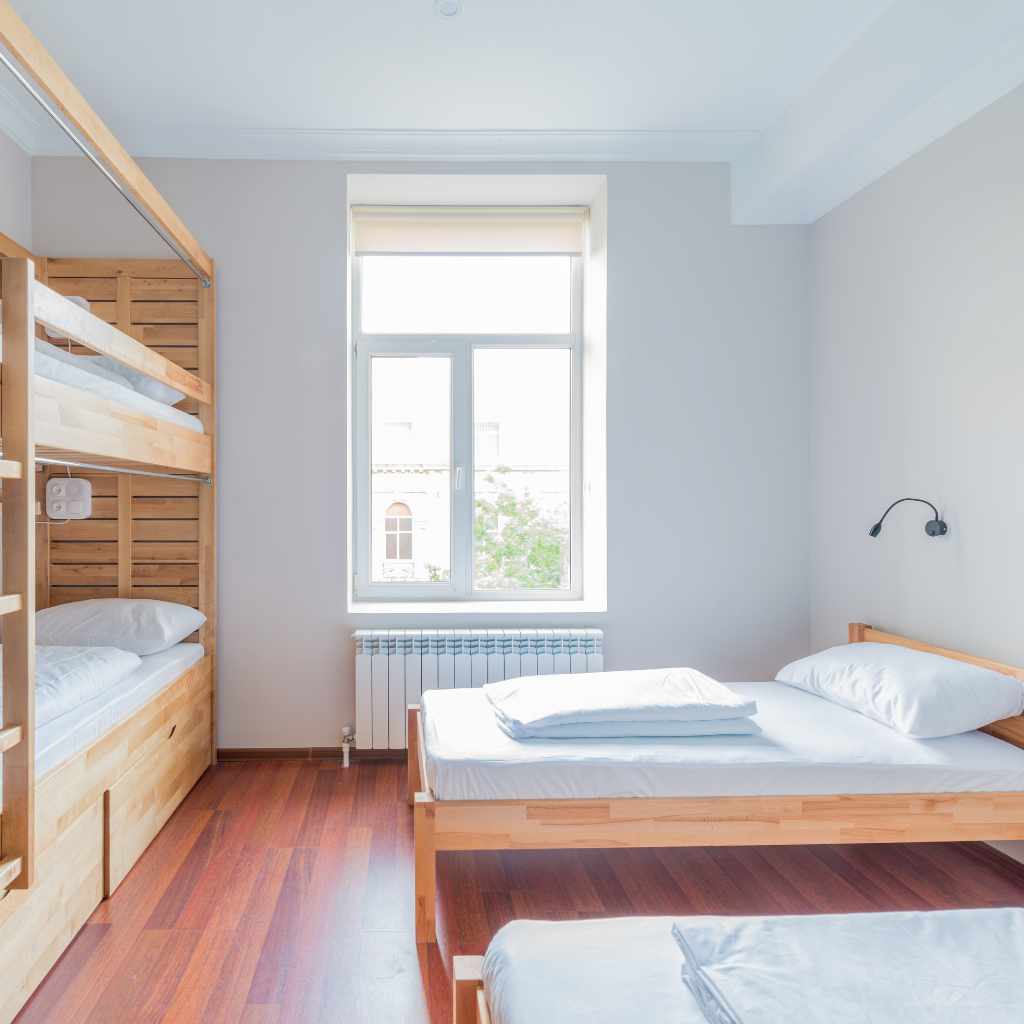
“The number one bunk bed mistake we see in the shop isn’t the frame material — it’s an oversized mattress that eats up the guardrail height. Always measure the actual guardrail-to-mattress-top gap after the bed is assembled, not just the box label.”
Frequently Asked Questions
Are metal bunk beds cheaper than wood bunk beds?
Yes, in most cases. Basic steel-frame bunks typically run $150-$350, while pine wood models cost $200-$450 and solid hardwood options run $600-$1,500 or more. Metal also needs less ongoing maintenance spend over time.
Can metal bunk beds rust?
Yes. Rust forms if the frame is exposed to moisture for extended periods or if the protective coating gets scratched and isn’t touched up. Regular cleaning and prompt touch-up paint on any exposed metal prevents most rust issues.
Is wood furniture safe for kids’ rooms?
Yes. Wood is a safe, durable material for children’s furniture as long as the finish and paint are non-toxic and lead-free. Solid hardwood in particular holds up to decades of use without releasing anything harmful.
How often should I check the stability of my bunk bed?
Check all bolts, screws, and joints at least twice a year, and immediately any time you notice new creaking or wobbling. This applies to both metal welds and wood joinery — neither material is maintenance-free.
Which bunk bed is better for very young children, metal or wood?
It depends on the specific design more than the material. Some wood beds offer wider stairs with handrails, which are easier and safer for toddlers than a standard ladder. A metal bed with a secure ladder, high guardrails, and a low-to-floor design can work just as well — check the ladder/stair design first.
How much weight can a bunk bed hold?
It varies widely by material and gauge. Standard steel frames are typically rated 250-400 lbs per bunk (up to 800 lbs combined on heavy-gauge models), while wood ranges from 400-600 lbs per tier on pine up to 500-2,000 lbs on solid hardwood built to ASTM F1427. Always check the specific model’s rated capacity rather than assuming based on material alone.
What does ASTM F1427 require for bunk bed guardrails?
ASTM F1427 requires the guardrail’s top edge to sit at least 5 inches above the mattress surface, guardrails on both sides of any bunk more than 30 inches off the floor, and no more than a 3.5-inch gap between the guardrail and the mattress. These numbers apply to both metal and wood bunk beds equally.
Final Thoughts
Metal wins on low maintenance, lighter weight, and lower upfront cost — a solid pick for humid rooms, active kids, or a tight budget. Solid hardwood wins on long-term lifespan, weight capacity, and resale value, at a higher price and with more upkeep. Pine splits the difference: cheaper than hardwood but needing more frequent touch-ups than either metal or hardwood.
Whichever material you choose, confirm it meets ASTM F1427’s guardrail height and gap requirements, check the manufacturer’s weight rating against your children’s actual weight, and re-check every bolt twice a year. Getting those three things right matters more for safety than the metal-versus-wood choice itself.
Sponsored / affiliate links. As an Amazon Associate I earn from qualifying purchases. I may earn additional commission from eligible campaigns.