
How To Achieve Flawless Wood Floors: Apply Water Based Polyurethane
To apply water-based polyurethane to wood floors, clean and prepare the surface, apply the polyurethane evenly using a roller or brush, and allow it to dry completely before applying additional coats or using the floor. Maintaining the beauty and durability of wood floors requires regular maintenance and protection.
One effective way to safeguard wood floors is by applying a water-based polyurethane coating. Unlike oil-based polyurethane, water-based polyurethane dries more quickly and emits fewer harmful fumes. In this guide, we will explore the process of applying water-based polyurethane to wood floors, ensuring a smooth and long-lasting finish.
By following these steps, you can enhance the lifespan of your wood floors while adding a protective layer that enhances their natural beauty.
Preparing The Wood Floors
Prior to applying water-based polyurethane to your wood floors, it’s crucial to prepare them properly to ensure a flawless finish. This step-by-step guide will walk you through the essential tasks of sanding the floors and cleaning them thoroughly.
Sanding The Floors
Start by sanding the wood floors to create a smooth and even surface. Use a drum sander or sanding machine to cover large areas quickly and efficiently. Begin with a coarse grit sandpaper, like 36-grit, to remove any existing finish or imperfections. Remember to follow the wood grain direction while sanding.
After the initial sanding, switch to a finer grit sandpaper, such as 80-grit, to refine the surface and remove any remaining roughness. Make sure to sand each area evenly and avoid creating uneven patches. You can use a hand sander or sanding block to reach edges and corners that the machine cannot access.
Cleaning The Floors
Once you have completed the sanding process, it’s crucial to thoroughly clean the wood floors to remove any dust, debris, or residue. Start by sweeping the entire floor with a soft-bristle broom to eliminate loose particles. This will prevent them from getting trapped in the polyurethane and affecting the final result.
After sweeping, use a vacuum cleaner with a brush attachment to remove any remaining dust and debris from all corners and hard-to-reach areas. Ensure that you vacuum every inch of the floor to attain a truly clean surface.
Next, go over the wood floors with a damp mop or cloth to eliminate any remaining dust or fine particles. Utilize a mild wood floor cleaner or a mixture of vinegar and water to ensure a thorough clean without damaging the wood. Make sure the floors are completely dry before proceeding to the next step.
By meticulously sanding the floors and thoroughly cleaning them, you can lay the groundwork for a successful water-based polyurethane application. Following these steps will help you achieve a beautiful, long-lasting finish that enhances the natural beauty of your wood floors.
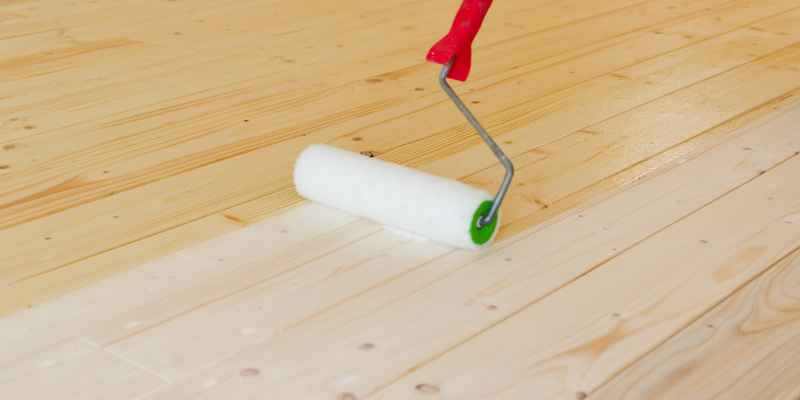
Choosing The Right Water Based Polyurethane
Choosing the right water-based polyurethane is essential for applying it to wood floors. Ensure a seamless application by following these tips for a flawless finish that enhances durability without harmful fumes.
When it comes to applying water-based polyurethane to wood floors, choosing the right product is crucial for achieving a beautiful and durable finish. Understanding the different types of water-based polyurethane and considering sheen levels are important aspects to consider. In this section, we will explore these factors in detail.
Understanding The Different Types Of Water-based Polyurethane
There are different types of water-based polyurethane available in the market, each with its own unique features and benefits. Here are the main types:
1. Single-component water-based polyurethane
This type of polyurethane is ready to use straight out of the can. It does not require any mixing or priming, making it convenient and easy to apply. It is a popular choice for DIYers and homeowners who are looking for a hassle-free application process.
2. Two-component water-based polyurethane
Unlike single-component polyurethane, two-component polyurethane requires mixing a base and an activator before application. This type of polyurethane provides a stronger and more durable finish, making it suitable for high-traffic areas like hallways and living rooms.
3. Moisture-cured water-based polyurethane
Moisture-cured polyurethane is known for its quick drying time and excellent durability. It reacts with moisture in the air to form a harder and more chemical-resistant finish. This type of polyurethane is recommended for commercial spaces or areas with heavy foot traffic.
Considering Sheen Levels
Sheen level refers to the level of shine or glossiness that the polyurethane coating will produce on the wood floor. Here are the common sheen levels available:
1. Gloss
Glossy finishes provide a high level of shine and reflection. This sheen level is perfect for adding a touch of elegance and sophistication to your floors. However, keep in mind that glossy finishes tend to show scratches and imperfections more easily compared to other sheen levels.
2. Semi-gloss
Semi-gloss finishes offer a moderate level of shine, striking a balance between high gloss and low gloss. This sheen level is a popular choice for many homeowners as it provides a subtle shine while still being easy to maintain.
3. Satin
Satin finishes provide a soft and smooth sheen, giving your floors a natural and understated look. This sheen level is versatile and can work well in various settings, from contemporary to traditional.
4. Matte
Matte finishes offer a low level of shine, almost appearing as if the surface is free of any gloss. This sheen level is great for those who prefer a more natural and rustic look for their wood floors. Matte finishes also have the advantage of being less prone to showing scratches and imperfections.
Remember, the choice of sheen level is subjective and ultimately depends on your personal preference and the overall aesthetic you want to achieve in your space. Consider the lighting conditions and the amount of foot traffic in the area when selecting the sheen level of your water-based polyurethane.
Now that you have a better understanding of the different types of water-based polyurethane and the various sheen levels available, you can make an informed decision when choosing the right product for your wood floors.
Applying The Water Based Polyurethane
Learn the step-by-step process of applying water-based polyurethane to wood floors for a durable and long-lasting finish. Achieve a professional result by following these expert tips and techniques.
Gathering The Necessary Materials
To apply water-based polyurethane to your wood floors, you’ll need to gather a few essential materials. Fortunately, these items are readily available and easy to acquire. Here’s what you’ll need:
- A bucket for mixing the polyurethane
- A paintbrush or foam applicator for applying the polyurethane
- Sandpaper or a sanding block for preparing the floor
- A vacuum cleaner or broom for cleaning the floor
- A microfiber cloth or mop for wiping the floor
- Painter’s tape for protecting walls and baseboards
- A stir stick for stirring the polyurethane
Preparing The Polyurethane
Before applying the water-based polyurethane to your wood floors, it’s important to properly prepare the product. Follow these steps to ensure optimal application:
- Read the manufacturer’s instructions and guidelines for the specific polyurethane product you are using.
- Ensure the polyurethane is at room temperature before use by letting it sit for about an hour.
- Thoroughly stir the polyurethane with a stir stick to mix it well. Be careful not to introduce air bubbles.
- If necessary, thin the polyurethane with a small amount of water according to the manufacturer’s recommendations.
Applying The Polyurethane
Now that you have gathered the necessary materials and prepared the polyurethane, it’s time to apply it to your wood floors. Follow these steps to ensure a smooth and even application:
- Start by thoroughly cleaning the wood floors using a vacuum cleaner or broom to remove any dust or debris.
- If there are any rough spots on the floor, use sandpaper or a sanding block to smooth them out.
- Use painter’s tape to protect walls and baseboards from accidental drips or spills.
- Dip the paintbrush or foam applicator into the bucket of polyurethane and gently tap it against the side to remove any excess.
- Apply the polyurethane to the wood floors using long and even strokes, working with the grain of the wood.
- Work in small sections, overlapping each stroke slightly to ensure complete coverage.
- Allow the first coat of polyurethane to dry according to the manufacturer’s instructions.
- If desired, lightly sand the floor between coats to promote adhesion.
- Apply additional coats of polyurethane in the same manner, allowing each coat to dry before applying the next.
- Once the final coat is dry, remove the painter’s tape and thoroughly clean any brushes or applicators used.
By following these steps and using the right materials, you can easily apply water-based polyurethane to your wood floors, enhancing their appearance and providing long-lasting protection.
Curing And Drying Process
Applying water-based polyurethane to wood floors is a popular choice to enhance their durability and protect their natural beauty. However, the key to achieving a flawless finish lies in properly allowing the polyurethane to cure and carefully monitoring the drying process. In this section, we will discuss these crucial steps in detail.
Allowing The Polyurethane To Cure
Once you have applied the water-based polyurethane to your wood floors, it is essential to allow it sufficient time to cure. Curing is the process in which the polyurethane chemically reacts, forming a durable protective barrier. Proper curing ensures that the polyurethane will adhere well to the wood surface, preventing premature wear and damage.
To ensure successful curing, it is recommended to follow the manufacturer’s instructions for the specific product you are using. Generally, water-based polyurethane requires about 24 to 48 hours to fully cure. During this time, it is crucial to keep the room well-ventilated and maintain a consistent temperature to promote optimal drying.
Monitoring The Drying Process
Monitoring the drying process is crucial to ensure that each coat of polyurethane dries evenly and thoroughly. By carefully observing and making necessary adjustments, you can achieve a professional-looking finish. Here are some key points to consider:
- Observe the sheen: As the polyurethane dries, its sheen changes from glossy to dull. This is an indication that it is gradually drying and curing. Avoid walking on or placing any objects on the floor until the sheen has completely dulled.
- Check for tackiness: After the recommended drying time, lightly touch the surface with a clean finger. If it feels sticky or tacky, the polyurethane needs more time to dry. Wait until the surface feels smooth when touched.
- Avoid direct sunlight: Exposing the drying polyurethane to direct sunlight can cause uneven drying and potential discoloration. Keep curtains or blinds closed during the drying process to maintain consistent drying conditions.
- Consider temperature and humidity: Both temperature and humidity levels can impact drying time. Ensure that the room temperature remains steady between 65-75°F (18-24°C) and humidity levels are around 40-50% for optimal results.
By following these monitoring techniques and being patient, you can achieve a smooth, durable, and professional finish when applying water-based polyurethane to your wood floors. Taking the time to allow for proper curing and carefully monitoring the drying process will ensure your floors remain protected and beautiful for years to come.
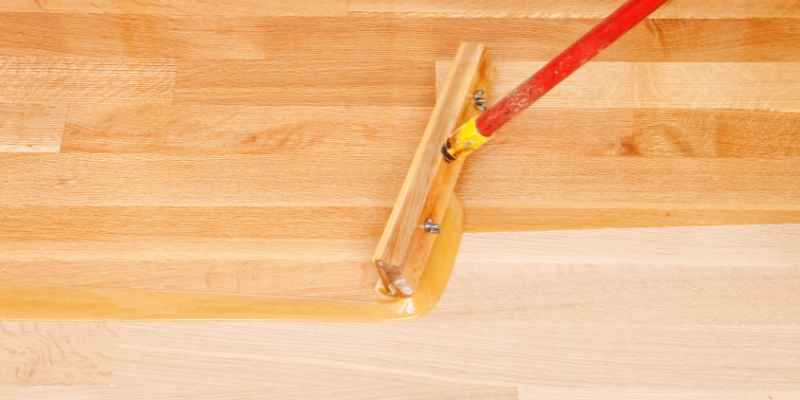
Maintaining Flawless Wood Floors
Discover the best way to apply water-based polyurethane to your wood floors for a flawless finish. Achieve long-lasting beauty with this step-by-step guide to preserving and maintaining your wooden surfaces.
When it comes to the beauty and longevity of your wood floors, proper maintenance is key. Regular cleaning and sweeping, avoiding abrasive cleaners, and periodic reapplication of polyurethane are crucial for keeping your wood floors in impeccable condition. By following these simple steps, you can ensure that your wood floors remain flawless for years to come.
Regular cleaning and sweeping
Regular cleaning and sweeping are essential for preventing dirt, dust, and debris from scratching or damaging your wood floors. To keep your floors looking their best, it’s recommended to sweep or vacuum them gently on a regular basis. Avoid using a vacuum cleaner with a beater bar, as this can potentially cause scratches. Instead, opt for a soft-bristled broom or a vacuum cleaner with a hard floor attachment.
In addition to regular sweeping, it’s important to mop your wood floors periodically. Do not use excessive amounts of water, as this can seep into the wood and cause damage. Instead, use a well-wrung mop or a microfiber cloth dampened with a mild wood floor cleaner. Be sure to follow the manufacturer’s instructions when choosing a suitable cleaning solution.
Avoiding abrasive cleaners
Abrasive cleaners can be detrimental to the appearance and integrity of your wood floors. Avoid using harsh chemicals or cleaning agents that contain ammonia, bleach, or vinegar, as these can strip away the protective layer of polyurethane and cause discoloration. Opt for gentle, pH-neutral wood floor cleaners that are specifically formulated for use on wood surfaces.
When cleaning your wood floors, do not use scrub brushes or abrasive pads. These can scratch the surface and leave unsightly marks. Instead, use a soft cloth or a mop with a microfiber pad to gently clean the floors. Always remember to dry the floors thoroughly after cleaning to prevent excessive moisture from damaging the wood.
Periodic reapplication of polyurethane
Over time, the protective layer of polyurethane on your wood floors can wear down, leaving the wood exposed to potential damage. Periodic reapplication of polyurethane is essential for maintaining the beauty and durability of your floors. The frequency of reapplication may vary depending on factors such as foot traffic and overall wear. As a general guideline, it’s recommended to reapply polyurethane every 3-5 years.
Before applying polyurethane, ensure that the floors are clean and free of any debris. You may need to lightly sand the surface to remove any imperfections or rough patches. Use a high-quality water-based polyurethane suited for wood floors, as it provides excellent protection while allowing the natural beauty of the wood to shine through.
When applying polyurethane, work in small sections and follow the instructions on the product label. Apply a thin, even coat using a brush or a lamb’s wool applicator. Avoid excessive application, as this can lead to drips or an uneven finish. Allow each coat to dry completely before applying the next.
In conclusion, maintaining flawless wood floors requires regular cleaning and sweeping, avoiding abrasive cleaners, and periodic reapplication of polyurethane. By following these simple steps, you can ensure that your wood floors remain beautiful and protected for years to come. So, go ahead and give your wood floors the care they deserve for a timeless beauty that lasts.
Conclusion
To sum up, applying water-based polyurethane to wood floors is a straightforward process that can greatly enhance their beauty and durability. By following the proper steps, such as preparing the surface, applying multiple thin coats, and allowing adequate drying time, you can achieve stunning results.
Remember to choose a high-quality product and use the appropriate tools for best outcomes. With this knowledge, you can confidently transform your wood floors into a long-lasting and aesthetically pleasing feature of your home.