How to Attach Metal to Wood Without Screws: Easy & Strong Methods
Are you facing the challenge of attaching metal to wood but don’t want to use screws? Maybe you’re worried about damaging the materials or simply want a cleaner, smoother finish.
Whatever your reason, finding the right method can save you time and frustration. You’ll discover simple and effective ways to join metal and wood without screws. These techniques will help you achieve strong, lasting bonds without the hassle of drilling or leaving visible holes.
Keep reading to learn how you can make your project look professional and sturdy with easy-to-follow tips.
Choosing The Right Adhesive
Choosing the right adhesive is key to attaching metal to wood without screws. The bond must be strong and last long. Some glues work better than others for this task. It depends on the materials and the conditions they face. Understanding the types of adhesives helps you pick the best one for your project.
Epoxy Resin Benefits
Epoxy resin creates a very strong bond between metal and wood. It fills gaps and holds tightly once it hardens. This adhesive resists water, heat, and chemicals well. It works great for outdoor and heavy-duty projects. Epoxy cures quickly and forms a solid, durable joint.
Polyurethane Glue Uses
Polyurethane glue expands as it dries, filling cracks and holes. It bonds wood and metal firmly and stays flexible. This glue works well in wet or dry environments. It also resists temperature changes and vibrations. It is ideal for crafts and light construction tasks.
Construction Adhesives For Metal And Wood
Construction adhesives are designed for strong, permanent bonds. They stick well to different surfaces like metal and wood. These adhesives often come in tubes for easy application. They dry fast and hold heavy materials firmly. Use them for building, repairs, and DIY projects.
Preparing The Surfaces
Preparing the surfaces is the first step to attach metal to wood without screws. Proper preparation helps glue or adhesive stick strongly. Clean, rough, and dry surfaces give the best results. Take time to prepare both metal and wood carefully.
Cleaning Metal And Wood
Remove dirt and grease from both surfaces. Use a cloth with mild soap and water for wood. For metal, use rubbing alcohol or a metal cleaner. Clean surfaces let glue grip better and last longer.
Sanding For Better Bonding
Lightly sand the metal and wood surfaces. Sanding creates tiny rough spots for glue to hold. Use fine-grit sandpaper for both materials. Do not sand too hard. The goal is to improve grip, not damage.
Removing Dust And Oils
Wipe away dust and oils after sanding. Use a clean, dry cloth or a tack cloth. Any leftover dust or oil weakens the bond. Ensure surfaces are dry and clean before gluing.
Using Mechanical Fasteners Without Screws
Attaching metal to wood without screws is easy using mechanical fasteners. These tools hold materials firmly together. They provide strong support and quick installation. You can choose from nails, staples, or brackets depending on your project.
This method works well for many DIY tasks and repairs. It avoids the need for drills or special tools. The options here are simple and effective. Each fastener type has its own strengths and uses.
Nails And Brads
Nails and brads are common choices for fastening metal to wood. They are thin, sharp, and easy to drive in with a hammer. Nails hold heavy metal pieces firmly in place. Brads are smaller and best for light metal sheets or trim.
Both provide a clean look without screws. Nails come in different lengths and thicknesses. Choose the right size to avoid splitting the wood. Use a nail set to sink the nail head below the surface. This gives a neat finish and prevents catching on the metal.
Staples And Clips
Staples and clips offer quick and strong attachment. Use a staple gun for fast work. Staples grip thin metal well and keep it flat against wood. Clips are metal fasteners that clamp metal edges to wood without piercing.
Staples work best for flexible metal or sheet materials. Clips are reusable and less damaging. They fit tightly and hold firmly under pressure. Both avoid the bulkiness of screws while providing solid support.
Metal Brackets And Straps
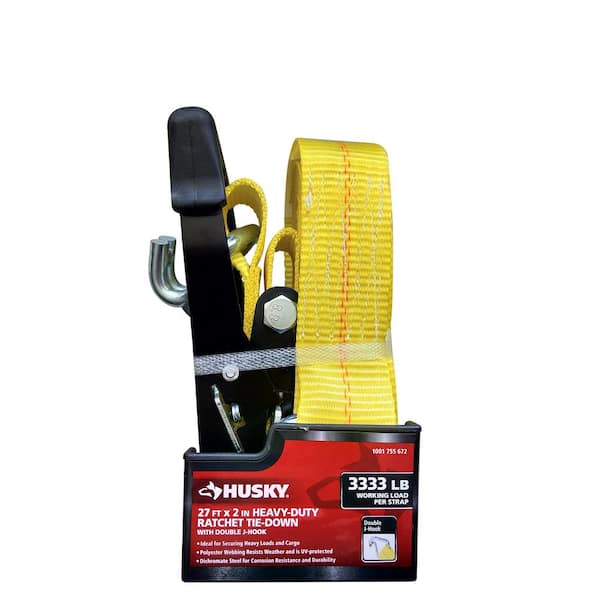
Metal brackets and straps give extra strength for heavier loads. Attach these with nails or small bolts to hold metal and wood securely. Brackets fit around corners or flat surfaces. Straps wrap around objects for tight fastening.
This method suits structural projects or outdoor use. Choose galvanized or stainless steel to prevent rust. Brackets and straps spread weight evenly. This reduces stress on wood and metal, improving durability.
Clamping And Curing Techniques
Attaching metal to wood without screws needs careful clamping and curing. These steps hold the materials tightly and let adhesives set properly. Strong bonds depend on good pressure and the right time to dry. Understanding clamping and curing helps create lasting connections.
Proper Clamping Methods
Use clamps that fit the size of your metal and wood pieces. Apply even pressure to avoid damage or gaps. Avoid over-tightening, which can warp wood or squeeze out glue. Place protective pads between clamps and surfaces. This prevents marks and keeps the bond clean.
Curing Time And Conditions
Allow adhesives to dry fully before moving the project. Curing time varies by glue type and thickness. Follow manufacturer instructions closely for best results. Keep the project in a warm, dry place during curing. Avoid touching or disturbing the bond until it hardens.
Avoiding Common Mistakes
Do not rush the curing process. Weak bonds form if glue dries too fast or unevenly. Avoid uneven clamping pressure that causes gaps or weak spots. Use clean surfaces free of dust and oil. Proper prep and patience lead to strong metal-to-wood joints.
Alternative Methods For Strong Bonds
Attaching metal to wood without screws is possible with several strong alternatives. These options can save time and avoid damage to materials. Each method offers a different level of strength and ease of use. Choose one based on your project needs and materials.
Double-sided Tape Options
Double-sided tape works well for light to medium metal pieces. It creates a clean bond without drilling holes. Choose heavy-duty tapes designed for outdoor or indoor use. Clean both surfaces before applying tape for better grip. Press firmly and allow time to set for a strong hold.
Magnets For Removable Joints
Magnets offer a flexible way to join metal and wood. They allow easy removal and repositioning of metal parts. Use strong neodymium magnets for a firm hold. Embed magnets in the wood or attach with adhesive. This method works great for decorative or functional pieces.
Velcro Strips And Hooks
Velcro strips provide a simple and adjustable bond. They hold metal to wood while allowing easy separation. Choose industrial-strength Velcro for heavy or outdoor use. Attach one side to the wood and the other to the metal. Press both sides together for a secure fit.
Testing Bond Strength
Testing bond strength is important when attaching metal to wood without screws. It helps ensure the materials hold together well. You want to be sure the bond can handle normal use. Testing also shows if the glue or method needs improvement. Simple tests can save time and prevent problems later.
Simple Pull Tests
Pull tests are easy to perform at home. Gently pull the metal away from the wood. Use steady pressure to check if the bond holds. If it separates easily, the bond is weak. Try pulling from different angles to test all sides. This quick test gives a clear idea of strength.
Monitoring Over Time
Check the bond regularly over days or weeks. Some adhesives get stronger after curing. Others may weaken with moisture or heat. Watch for any signs of loosening or gaps. Early detection helps fix issues before damage occurs. Keep notes on changes to understand durability.
Tips For Reinforcement
Reinforce the bond if it feels weak. Use clamps to hold pieces firmly while drying. Add more adhesive to edges for extra strength. Consider using wood glue along with metal glue. Cover the joint with tape to protect during curing. Small steps improve the bond’s life and safety.
Frequently Asked Questions
What Adhesives Work Best For Attaching Metal To Wood?
Epoxy and polyurethane glues are ideal for bonding metal to wood. They offer strong, durable adhesion and resist moisture. Apply both surfaces cleanly and clamp them until dry for best results.
Can Double-sided Tape Hold Metal To Wood Securely?
Heavy-duty double-sided tape can hold light metal to wood temporarily. However, it’s not suitable for heavy or load-bearing applications. Use it for crafts or small projects only.
How To Use Construction Adhesive For Metal-wood Bonding?
Apply construction adhesive evenly on the metal or wood surface. Press firmly together and clamp for 24 hours. This method provides a strong, long-lasting bond without screws.
Is Welding Or Soldering Metal To Wood Possible?
Welding or soldering metal directly to wood isn’t feasible. Wood burns at high heat, making these methods unsuitable. Instead, use mechanical fasteners or adhesives for joining metal and wood.
Conclusion
Attaching metal to wood without screws is easier than it seems. Strong adhesives and tapes work well for many projects. Clamps or nails can also help hold materials together. Choose the method that fits your tools and needs. Test the bond before using the item fully.
This approach saves time and avoids drilling holes. Try these simple tips to complete your work smoothly. Keep your workspace safe and clean as you go. Enjoy crafting with confidence and less hassle.