How to Clean Laminate Wood Floors Without Streaking: Expert Tips
Streaks on laminate wood floors almost always come from one of two things: leftover cleaning-solution residue drying on the surface, or a dirty mop redistributing grime instead of picking it up. The fix is a microfiber mop, a residue-free (not just “mild”) cleaner used sparingly, and immediate drying – skip any one of those three and streaks tend to come back.
Laminate is a fiberboard core (usually high-density fiberboard) topped with a printed decorative layer and a clear wear layer – it isn’t solid or engineered wood, which is exactly why it reacts differently to water and cleaning products than a hardwood floor does. Understanding that construction explains most of the “don’ts” below.
Choosing The Right Cleaning Products
Residue-Free Is The Key Word
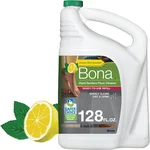 |
Bona Multi-Surface Floor Cleaner – $17.98 Formulated to leave no residue behind on laminate, tile, and vinyl – the actual cause of most streaking is a cleaner that isn’t rinsed off, not the floor itself.
|
Skip bleach, ammonia, and acid-based cleaners (including straight vinegar with no dilution) – they can dull the wear layer and, over repeated use, leave their own residue that shows up as streaking or a hazy film. A cleaner labeled specifically for laminate, or a residue-free multi-surface formula like the one above, avoids that problem by design rather than by careful dilution. If using a DIY vinegar solution, keep it heavily diluted (a capful in a bucket of water, not a strong mix) and always follow with a dry pass.
Preparing The Floor Before Mopping
Loose grit is what actually causes most micro-scratches during mopping, so a dry pass first matters more than most people expect. Use a soft broom or a vacuum on a hard-floor or low setting – a beater-bar setting meant for carpet can scuff the wear layer. Check corners and under furniture, where dust collects unnoticed, before wet-mopping the rest of the floor.
The Actual Mopping Technique
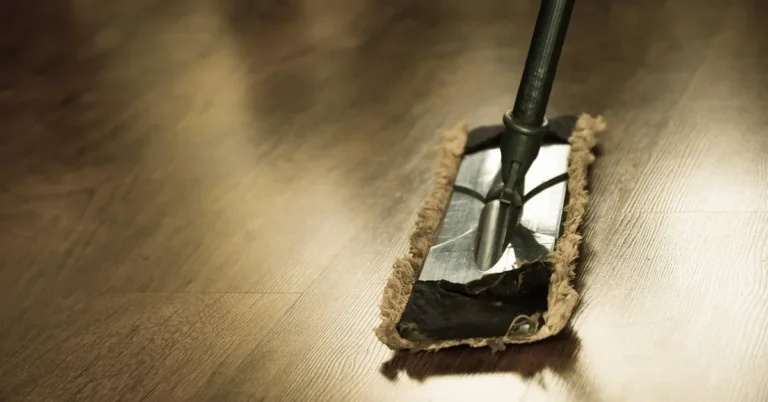
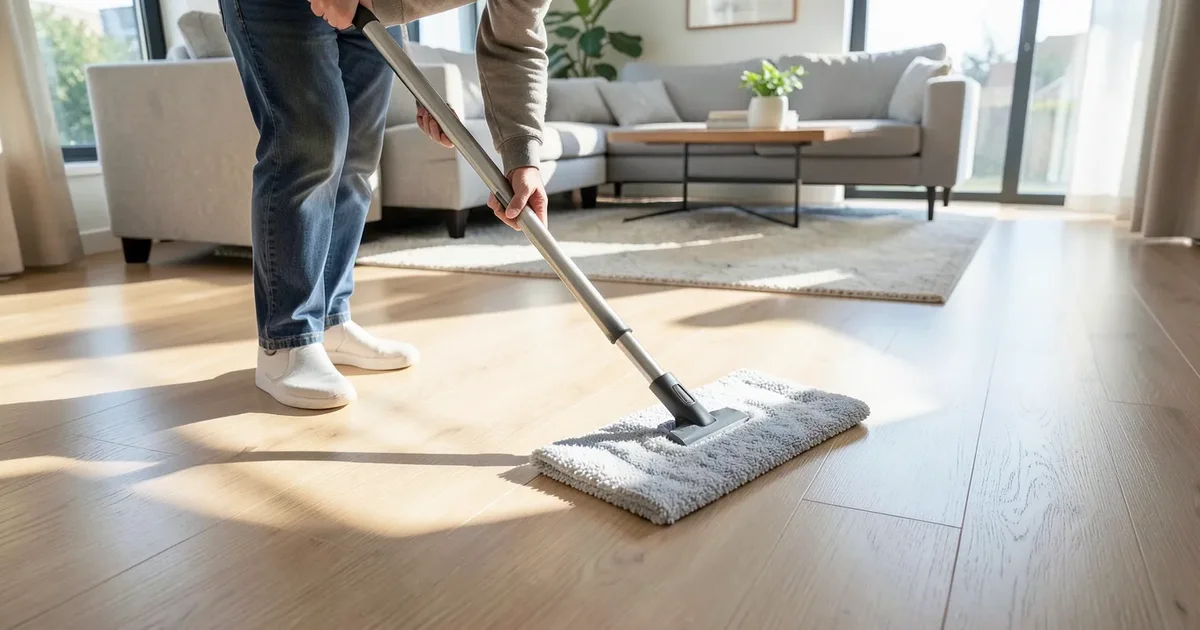
A flat microfiber mop, damp rather than wet, is the standard recommendation for laminate for good reason – it uses far less water than a string mop or sponge mop, and laminate’s fiberboard core swells if water gets past the wear layer at a seam or edge. Work in one consistent direction rather than scrubbing back and forth, which tends to redistribute dirty water rather than lift it. Rinse or swap the mop pad partway through a large room; a pad that’s picked up a full room’s worth of grime will start smearing it back onto the floor instead of removing it.
Drying For A Streak-Free Finish
Water left to air-dry on its own is what actually causes visible streaks and spots, since it dries unevenly and leaves mineral or residue marks behind exactly where it pooled last. Go over the floor with a dry microfiber cloth or a dry mop pad immediately after the damp pass, working in the direction of the plank rather than in circles. A fan or open window speeds up the last bit of evaporation in humid conditions, but the manual dry pass is what actually prevents streaking – don’t skip it and rely on air drying alone.
Regular Maintenance
A quick dry sweep or vacuum every day or two in high-traffic areas keeps grit from accumulating between full mopping sessions, which is typically needed weekly rather than daily for most households. Wipe up spills immediately rather than letting them sit – liquid sitting on a seam is the most common way laminate actually gets damaged, not routine cleaning. A shoes-off policy indoors reduces both the dirt tracked in and the risk of small scratches from grit caught in shoe treads.
Common Mistakes That Cause Real Damage
- Steam cleaners: avoid them entirely on laminate. The combination of heat and moisture can soften the adhesive and core, causing swelling or delamination that isn’t reversible.
- Standing water: laminate seams are the weak point – water sitting at a seam or edge for even a short time can wick into the fiberboard core and cause permanent swelling.
- Vacuum beater bars: a rotating brush designed for carpet pile can scratch a laminate wear layer; use a hard-floor attachment or a setting with the brush roll disabled.
- Excess cleaning solution: more product doesn’t mean cleaner – it means more residue left behind to dry into a streak. Less solution, applied evenly, outperforms a heavier application every time.
Handling Spills And Heavy-Traffic Areas
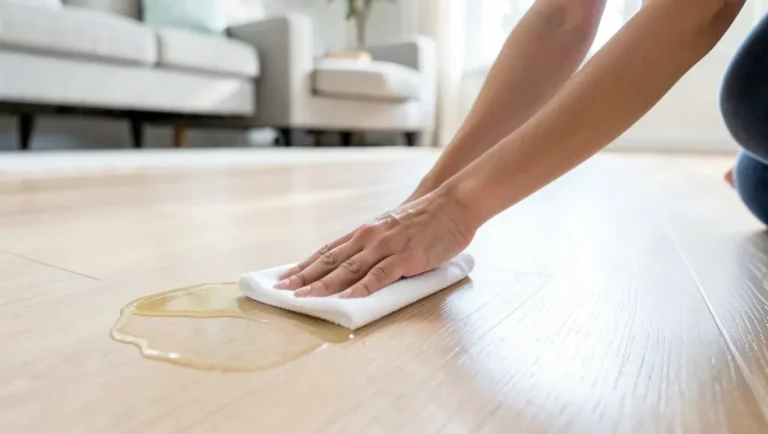
Blot spills with a soft cloth rather than rubbing, which can spread a liquid spill toward a nearby seam. For sticky residue, warm water usually lifts it; for a stubborn stain, a light vinegar-water mix applied briefly and then dried immediately works better than letting a stronger cleaner sit. In entryways and other heavy-traffic spots, a mat or rug both reduces grit reaching the floor and cuts down on how often that specific area needs a full wet clean.
Frequently Asked Questions
How Can I Clean My Laminate Floor Without Getting Streaks?
Use a damp (not wet) microfiber mop with a residue-free laminate-safe cleaner, applied sparingly rather than heavily. Dry the floor immediately afterward with a clean microfiber cloth or dry mop pad – air-drying alone is what usually leaves the visible streaks.
What Is The Best Thing To Clean Laminate Floors With?
A flat microfiber mop paired with a cleaner specifically labeled residue-free or laminate-safe. Avoid bleach, ammonia, and undiluted acid-based cleaners like straight vinegar, which can dull the wear layer or leave their own residue over repeated use.
Why Are My Laminate Floors Streaky After Mopping?
The most common causes are using too much cleaning solution, mopping with a dirty pad that redistributes grime, or letting the floor air-dry instead of drying it manually. Switching to a residue-free cleaner, rinsing or swapping the mop pad mid-room, and finishing with a dry cloth pass address all three.
Why Does My Laminate Floor Always Look Smudged?
A persistent smudged look is usually residue buildup from a cleaner that isn’t fully removed, layer after layer, rather than a one-time cleaning mistake. Switching to a residue-free formula and doing a thorough dry pass each time typically clears it up within a couple of cleanings as the old residue wears off.
Conclusion
Streak-free laminate comes down to three habits: a residue-free cleaner instead of whatever’s under the sink, a damp microfiber mop used sparingly rather than a wet one, and a deliberate dry pass right after mopping instead of letting the floor air-dry. Skip steam cleaners and standing water, since laminate’s fiberboard core reacts to both far worse than solid wood does, and the streaking problem mostly resolves on its own once residue stops building up.
Sponsored / affiliate links. As an Amazon Associate I earn from qualifying purchases. I may earn additional commission from eligible campaigns.