How To Care For Laminate Wood Floors Without Causing Damage
Caring for laminate wood floors involves simple, consistent practices. Avoid excess moisture, use the right cleaning tools, and choose gentle cleaning solutions. Regular dusting or sweeping, prompt spill cleanup, and avoiding abrasive materials are key to preventing damage and maintaining the floor’s lifespan and appearance.
Cleaning furniture, cabinets or countertops made from the same core materials? See the best way to clean manufactured wood for laminate, MDF and particleboard.
Understanding Laminate Wood Flooring
Prevents The Most Common Scratch Source
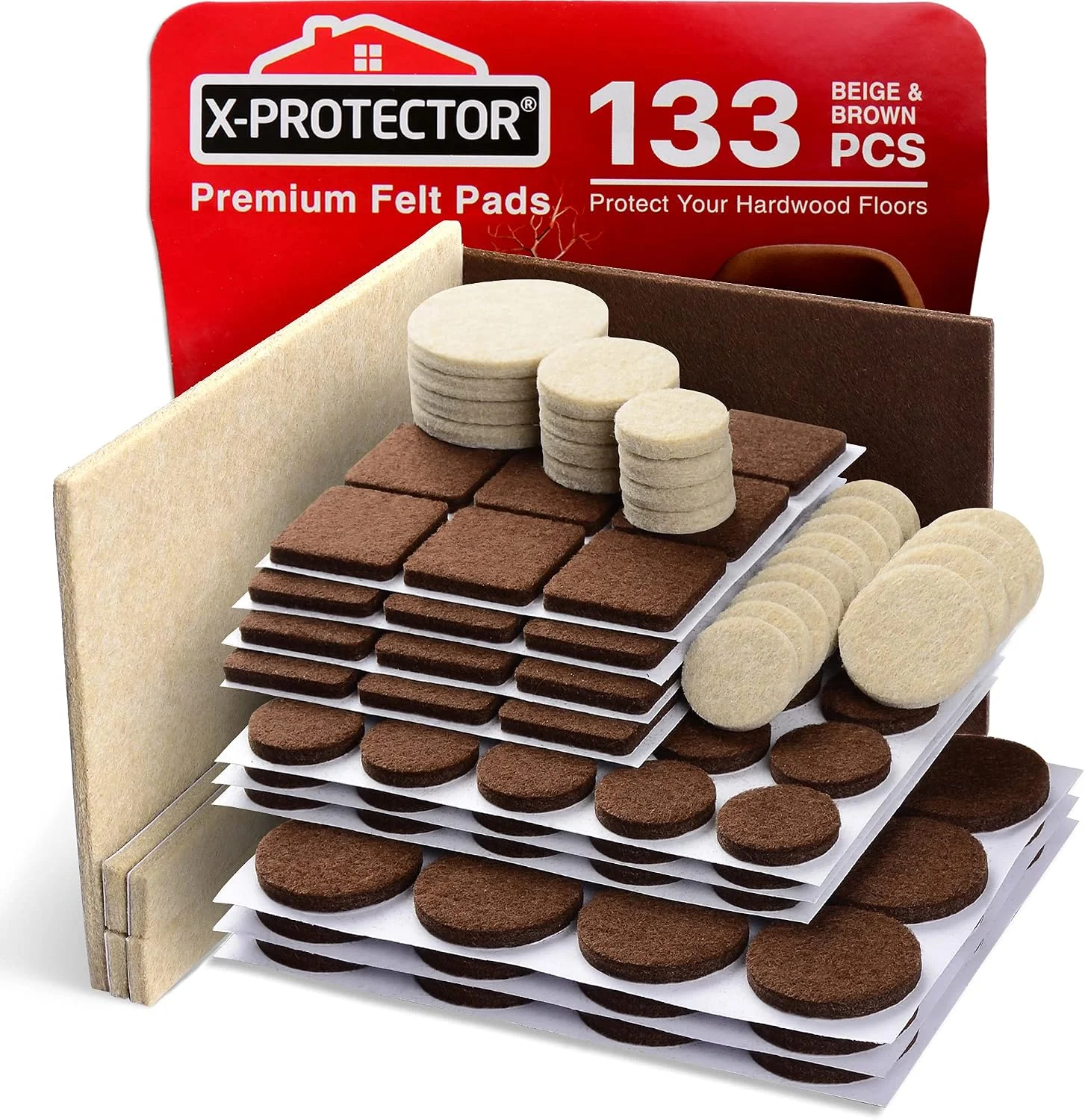 |
X-Protector Felt Furniture Pads, 133-Piece Variety Pack A mix of round and square sizes for chair legs, table legs, and cabinet feet – the fastest fix for the drag-mark scratches that show up on laminate first.
|
Laminate flooring is not real wood. It’s made of layers. The top layer has a clear protective coating.
This is called the wear layer. Below that is a printed image layer. This layer shows the wood grain pattern.
Then comes a core layer, usually made of high-density fiberboard. The bottom layer provides stability. This layered structure gives it strength.
This construction means laminate is tough. It resists scratches and dents better than some real woods. However, it has a weakness.
That weakness is moisture. The core layer can swell if it gets too wet. This can cause the planks to warp or buckle.
This is why you can’t just mop a laminate floor like you would a tile floor.
Knowing these layers helps you understand how to care for it. The wear layer protects the print. The core layer needs to stay dry.
Different types of laminate exist. Some have better water resistance. But all laminate needs careful handling.
Not sure your floor is actually laminate and not vinyl plank or engineered wood? Those faux-wood types have different water tolerances, so check our guide on how to clean faux hardwood floors to identify which one you have before choosing a cleaning method.
You want to protect that top wear layer too. It’s what keeps the floor looking good.
Why Moisture Is the Real Threat
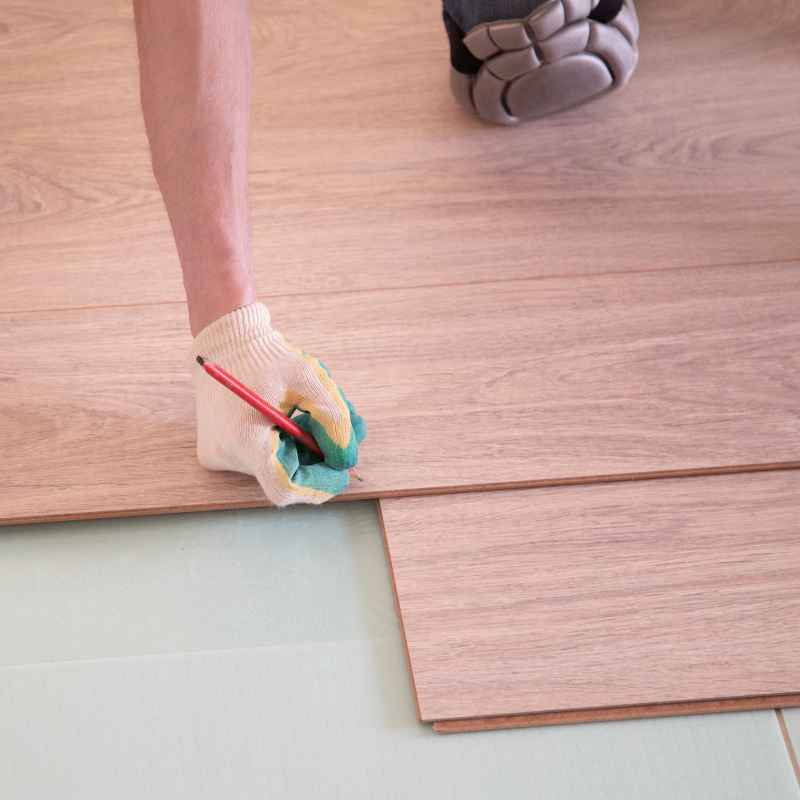
A common way laminate gets damaged early is mopping it the same way you would a tile or vinyl floor – a regular string or sponge mop, loaded with water, run across the whole room. Within days, moisture pushed into the plank seams can make the edges swell and lift, since the core layer has no way to dry out once it’s absorbed that much water.
This is the single most common cause of avoidable laminate damage, and it’s also the easiest to prevent: keep water off the surface in the first place, and know what to do the moment a spill happens rather than after it’s already soaked into a seam.
Key Components of Laminate Flooring
Wear Layer: The clear, tough top coating. It protects against scratches and stains. Its durability rating is important for how well the floor holds up.
Design Layer: A high-resolution photo of wood, stone, or tile. This gives laminate its realistic look.
Core Layer: Usually HDF (High-Density Fiberboard). This gives the plank its structure. It’s the part most vulnerable to moisture.
Backing Layer: Provides stability and moisture resistance from below.
Daily Care: Keeping It Clean and Dry
The best way to care for laminate is with daily attention. This prevents big problems later. Think of it as keeping things tidy.
A little effort each day goes a long way. You don’t need fancy tools. Simple habits work best.
These habits protect the floor’s surface. They also prevent moisture issues.
Start with sweeping or dust mopping. Do this every day or every other day. This removes dust, dirt, and grit.
These small particles act like sandpaper. They can scratch the wear layer over time. Use a soft-bristle broom or a microfiber dust mop.
They are gentle on the surface. They pick up debris well without scratching.
For the wet-mopping step afterward, see our guide to cleaning laminate floors without streaking for the technique and product picks that avoid leaving a residue film behind.
Pay attention to entryways. These areas get the most traffic. They track in dirt and moisture.
Use doormats inside and outside. This stops much of the dirt before it reaches the floor. Shake out mats often.
Consider taking shoes off at the door. This is a simple habit that saves floors.
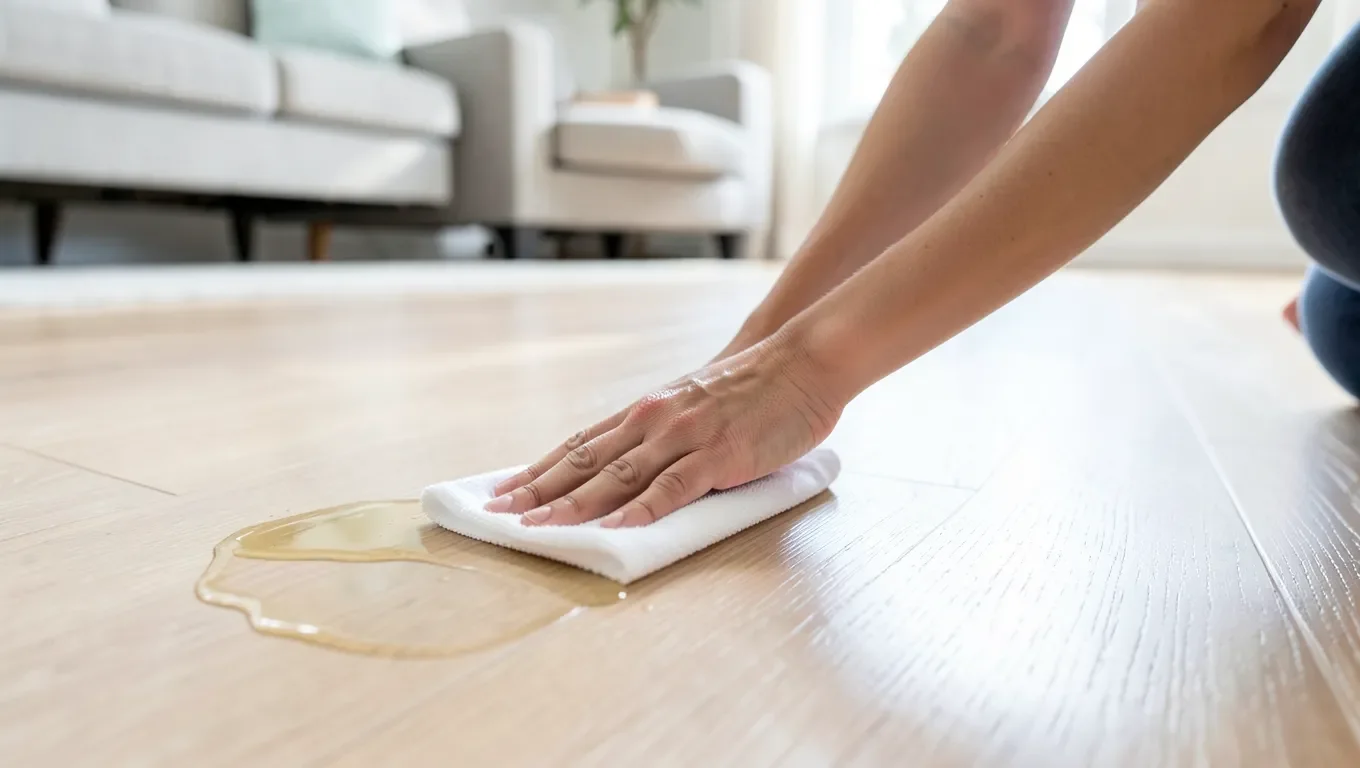
Clean up spills immediately. This is very important. Laminate hates standing water.
Even small spills can cause damage if left. Keep a soft cloth or paper towel handy. Wipe up any liquids right away.
Don’t let them sit and soak into the seams.
Quick Scan: Daily Floor Habits
| Action | Frequency | Why It Matters |
| Sweep or Dust Mop | Daily/Every Other Day | Removes grit that scratches |
| Clean Entryways | Constant | Traps dirt and moisture |
| Wipe Spills | Immediately | Prevents water damage and swelling |
Choosing the Right Cleaning Tools
The tools you use matter a lot. Using the wrong ones can cause damage. For daily cleaning, a soft broom or a microfiber dust mop is best.
A vacuum cleaner can also work. But you need to be careful. Make sure the vacuum has a hard floor setting.
It should not have a beater bar that spins. A spinning brush can scratch the laminate. If your vacuum has one, turn it off or switch to a brush roll off mode.
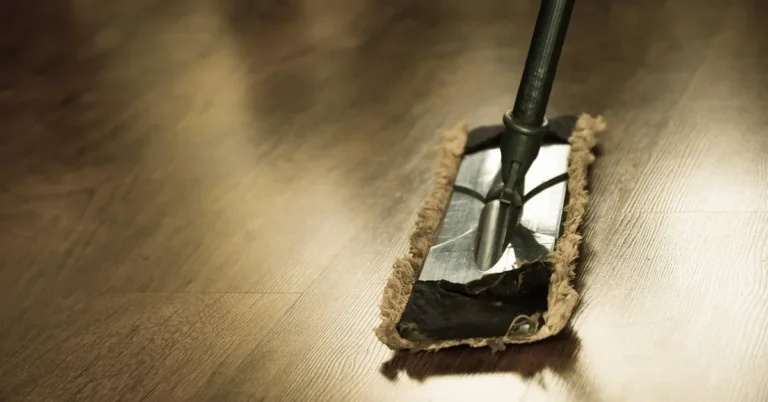
For damp cleaning, you need a special mop. A microfiber mop is ideal. These mops use less water.
They also clean well. Wring the mop out until it’s almost dry. It should feel barely damp.
This is called a “damp mop.” Never use a soaking wet mop. This is the quickest way to cause water damage.
Avoid mops that hold a lot of water. Think of sponge mops or string mops. They are too wet for laminate.
They push water into the seams. This can lead to swelling and warping. Also, avoid steam mops.
The heat and steam can damage the wear layer. They can also force moisture into the core. Always check your laminate manufacturer’s guidelines.
They might have specific tool recommendations.
Safe Cleaning Solutions for Laminate
When it comes to cleaners, less is more. Harsh chemicals can damage the protective wear layer. They can also leave a dull residue.
Many common household cleaners are too strong. You need gentle solutions. Often, plain water is enough for damp mopping.
For tougher spots, you can use a diluted cleaner.
Look for cleaners specifically made for laminate floors. These are pH-neutral. They are designed not to harm the wear layer.
Follow the dilution instructions on the bottle. Always mix the cleaner with water in a bucket. Never spray cleaner directly onto the floor.
This can lead to too much liquid.
What if you don’t have a special laminate cleaner? A very dilute solution of white vinegar can work. Use about a quarter cup of vinegar in a gallon of water.
Vinegar is acidic, so use it sparingly. Too much can dull the finish over time. Another option is a tiny drop of dish soap in a gallon of water.
Again, use very little. Too much soap leaves a sticky residue.
Always test any cleaning solution in an inconspicuous spot first. Wait for it to dry. Check for any dulling or damage.
Want the full step-by-step washing routine, including how to avoid streaks and why some cleaners work better than others? See our guide to washing fake wood floors.
Rinse the floor after cleaning if you use any soap. This removes any leftover cleaner. A clean, damp mop with just water should do the rinsing.
It’s about being careful with what you put on the floor.
Gentle Cleaning Choices
Water Only: Often the best choice for everyday damp mopping.
Laminate Floor Cleaner: Use pH-neutral products designed for laminate.
Diluted White Vinegar: About 1/4 cup per gallon of water. Use sparingly.
Mild Dish Soap: A single drop per gallon of water. Rinse well.
Avoid: Ammonia, abrasive cleaners, oil soaps, waxes, polishes, strong detergents, and steam mops.
The Dreaded Deep Clean: When and How
You don’t need to deep clean laminate often. Daily sweeping and occasional damp mopping usually suffice. Deep cleaning might be needed if the floor looks dull.
Or if there’s a build-up of grime. This typically happens in high-traffic areas. Over-cleaning can also cause issues.
So, stick to a needed basis.
When you do deep clean, follow the damp mopping rules. Use a highly diluted cleaner. Or just plain water.
The key is to use the least amount of moisture possible. Wring your mop out very well. The floor should dry within a minute or two after mopping.
If it stays wet longer, you are using too much water.
Work in small sections. This helps you control the moisture. Go over each section with the damp mop.
Then, use a dry microfiber cloth or mop to buff it dry. This ensures no water is left behind. It also helps restore shine.
This extra buffing step is crucial for preventing dullness.
If you have stubborn spots, try a laminate floor cleaner. Apply it to a cloth, not the floor. Gently rub the spot.
Then, wipe the area with a clean damp cloth. Finally, dry it thoroughly. Never scrub hard.
This can damage the wear layer. Patience and gentle techniques are your best friends here.
Deep Cleaning Focus
Minimal Moisture is Key
Always use a well-wrung-out mop. The floor should dry quickly.
Targeted Cleaning
Address stubborn spots with cleaner on a cloth. Don’t spray directly.
Dry and Buff
Follow damp mopping with a dry cloth to remove all moisture and add shine.
Protecting Your Laminate from Scratches
Scratches are a common enemy of laminate floors. Even tiny scratches can make the floor look worn. They also let dirt get into the floor’s surface.
Protecting your laminate from scratches is a big part of its care. This involves a few key strategies. Some are easy.
If you have vinyl plank flooring instead, the same kind of scratches respond to a baking-soda paste for light marks, or putty and fine-grit sanding for deeper gouges, rather than laminate’s wear-layer approach.
Others require a little planning.
Furniture pads are a must. For any furniture that sits on the floor, use felt pads. Sofas, chairs, tables, beds – all of them.
Apply them to the legs. Check them often. They can wear out or fall off.
Replace them as needed. This simple step prevents deep scratches from furniture moving.
Be careful with pets. Dogs and cats can scratch floors with their nails. Keep their nails trimmed short.
Consider using rugs in areas where pets play or walk often. This adds an extra layer of protection.
Avoid walking on laminate with stiletto heels. Or shoes with hard, sharp heels. They can create dents or deep scratches.
Consider a “no shoes” policy in the house. Or at least in rooms with laminate. This is one of the most effective ways to prevent sharp damage.
When moving heavy items, protect the floor. Don’t drag them. Lift them instead.
If you must slide something, place a blanket or moving pads underneath it. This distributes the weight. It prevents the item from directly scratching the floor.
Protect your floor when bringing in new appliances or furniture.
Scratch Prevention Checklist
Furniture
Action: Apply felt pads to all furniture legs. Why: Prevents drag marks and deep scratches.
Pets
Action: Trim pet nails regularly. Use rugs in play areas. Why: Stops claw marks.
Footwear
Action: Avoid high heels and hard-soled shoes. Consider a no-shoes rule. Why: Prevents impact damage and tiny scratches.
Moving Items
Action: Lift heavy items. Use protective blankets for sliding. Why: Avoids surface gouges.
Dealing with Stains and Tough Spots
Sometimes, spills happen. Or grease can drip. These can leave stains.
For most fresh spills, immediate cleanup is all you need. But if a stain sets in, you need a plan. The goal is to remove the stain without damaging the floor.
Always start with the gentlest method.
First, try a damp cloth with plain water. Rub the stain gently. If that doesn’t work, use a cleaner specifically for laminate.
Apply it to a cloth, not the floor. Gently rub the stained area. Then, wipe with a clean damp cloth to remove the cleaner.
Dry the spot immediately with a soft cloth.
For really tough stains like ink or paint, you might need a stronger approach. Try a bit of isopropyl alcohol (rubbing alcohol). Put a small amount on a clean cloth.
Gently rub the stain. Alcohol evaporates quickly. This is good for laminate.
Follow up by wiping with a damp cloth and then drying thoroughly.
Be cautious with food stains or grease. Sometimes a paste made of baking soda and water can help. Apply the paste to the stain.
Let it sit for a few minutes. Then, gently wipe it away with a damp cloth. Baking soda is mildly abrasive.
So, don’t rub too hard. Always test this in a hidden area first.
Never use abrasive cleaners or scouring pads. They will scratch the finish. Avoid harsh chemicals like bleach or acetone.
They can strip the color or damage the wear layer. If a stain is very deep or persistent, it might be permanent. In such cases, you might need to replace the plank.
But try all gentle methods first.
Stain Removal Steps
1. Fresh Spills
Action: Wipe up immediately with a cloth. Result: Usually no stain forms.
2. Stubborn Spots
Action: Use a laminate cleaner on a cloth. Wipe with damp cloth, then dry. Result: Most common stains removed.
3. Tough Stains (Ink, Paint, Grease)
Action: Try isopropyl alcohol on a cloth. Or a baking soda paste. Always test first.
Wipe and dry thoroughly. Result: May remove persistent marks.
4. What to Avoid
Action: Abrasive cleaners, steel wool, harsh chemicals. Result: Damage to floor finish and color.
When to Worry: Signs of Damage
Laminate floors are durable, but they can show signs of trouble. It’s good to know what to look for. Early detection can save your floor.
The most common issue is moisture damage. This often shows up as swelling or bubbling. Look at the edges of the planks.
Do they seem to be lifting? Is there a puffy appearance?
Another sign is warping. This happens when planks don’t lay flat. They might look uneven.
Or you might feel a difference underfoot. This is often caused by moisture getting into the core layer. Or by extreme temperature changes.
But moisture is the usual culprit.
Discoloration can also be a problem. If the floor looks faded in spots, it might be from too much direct sunlight. Or from using harsh cleaning chemicals.
The wear layer might be compromised. Check for dull spots. These can happen from residue or from wear over time.
Listen for creaking or squeaking sounds. This can mean the subfloor is uneven. Or that the planks are not properly installed.
It could also indicate moisture issues. Small gaps between planks can let dirt in. They can also be a sign of expansion or contraction.
Usually, these are normal. But if they grow, it might be an issue.
If you see any of these signs, act fast. For minor moisture issues, try to dry the area thoroughly. Use fans and dehumidifiers.
For more significant swelling or warping, you might need to contact a professional. Or the manufacturer of your flooring. It’s better to address it early.
Damage Warning Signs
Swelling/Bubbling:
What it means: Too much moisture. The core layer is expanding.
Warping/Unevenness:
What it means: Planks are not flat. Often due to moisture or installation issues.
Discoloration/Fading:
What it means: Sun damage or chemical damage to the wear layer.
Dull Spots:
What it means: Residue buildup or wear on the protective coating.
Creaking/Squeaking:
What it means: Installation or subfloor problems, or moisture.
Laminate in Different Areas of the Home
Laminate flooring can work in many rooms. It’s popular in living rooms and bedrooms. It’s also used in hallways.
For kitchens and bathrooms, you need to be extra careful. These rooms have higher moisture levels. Spills are more common.
Always check if your laminate is rated for high-moisture areas.
In kitchens, spills are frequent. Food, drinks, and grease can end up on the floor. Clean these up instantly.
Use a good doormat near the sink and stove. Make sure your cabinets are sealed well. Water can seep under appliances.
Bathrooms present an even bigger challenge. Toilets can leak. Showers can splash water.
The humidity is also higher. Some newer laminates have improved water resistance. But they are still not waterproof.
If you choose laminate for a bathroom, use a very high-quality, water-resistant type. And clean up any standing water immediately.
Consider rugs in kitchens and bathrooms. They add a layer of protection. They also make the floor warmer.
Just ensure the rugs don’t trap moisture underneath. And that they don’t slide around and cause falls. When in doubt, avoid laminate in very wet areas.
Or choose a material specifically made for those zones.
Maintaining Shine and Appearance
Keeping your laminate floor looking shiny and new requires consistent effort. It’s not just about cleaning. It’s about preserving the wear layer.
This layer is what gives the floor its luster. Once it’s damaged, the shine is hard to get back.
Regular dusting is key. As mentioned, grit acts like sandpaper. It dulls the finish.
So, sweep or dust mop often. This keeps the surface smooth. A clean floor reflects light better.
It looks brighter and more appealing.
Avoid polishes and waxes. These products are meant for real wood. They can create build-up on laminate.
This build-up attracts dirt. It also makes the floor slippery. Some polishes can actually damage the wear layer.
Stick to the recommended cleaners. Or just water.
Buffing can help. After damp mopping, if you use a dry microfiber cloth to buff the floor, you restore shine. This removes any faint water marks.
It also smooths out the surface. It makes the floor look freshly cleaned. This step is especially good for high-traffic areas.
Sunlight can cause fading over time. Use blinds or curtains to block direct sun. Especially during the sun’s peak hours.
This protects the color of your laminate. It helps maintain its original look for longer. UV protection for windows can also help.
This is a long-term strategy.
Shine Preservation Tips
Dust Regularly
Why: Grit dulls the finish. Keep it smooth.
No Waxes or Polishes
Why: They build up and damage the wear layer.
Buff Dry
Why: Restores shine and removes water marks.
Block Direct Sun
Why: Prevents fading and protects color.
Frequently Asked Questions About Laminate Flooring Care
Can I use a regular mop on my laminate floors?
No, you should not use a regular mop that holds a lot of water, like a sponge mop or string mop. These mops apply too much moisture. This can damage the laminate’s core layer, causing swelling and warping.
Always use a damp microfiber mop.
Is it okay to use vinegar to clean laminate floors?
A very diluted solution of white vinegar can be used sparingly. Mix about a quarter cup of white vinegar with a gallon of water. Too much vinegar can dull the finish over time.
Always test in a hidden spot first. Many experts recommend using cleaners made specifically for laminate or just water.
Can I use a steam mop on laminate flooring?
It is generally not recommended to use a steam mop on laminate floors. The heat and moisture from steam can penetrate the seams. This can cause the planks to swell, warp, or delaminate.
Always check your manufacturer’s warranty and recommendations, but most advise against steam mops.
How do I get rid of a dull film on my laminate floor?
A dull film is often caused by residue from cleaners or polishes. Try cleaning the floor with just plain water and a well-wrung-out microfiber mop. If that doesn’t work, use a highly diluted solution of a pH-neutral laminate cleaner.
Make sure to rinse with a clean, damp mop and buff dry with a soft cloth.
What is the best way to clean pet accidents on laminate?
Clean pet accidents immediately. Blot up as much liquid as possible with a paper towel. Then, use a damp cloth with a pH-neutral laminate cleaner to wipe the area.
Rinse with a clean, damp cloth. Finally, dry the spot thoroughly with a soft towel. Avoid harsh cleaners that could harm the floor or leave strong odors.
Can I refinish or sand laminate flooring like real wood?
No, you cannot sand or refinish laminate flooring. Laminate has a wear layer that cannot be sanded down. If the wear layer is damaged or scratched, it usually cannot be repaired by sanding.
In most cases, damaged planks need to be replaced.
Conclusion
Taking care of your laminate wood floors doesn’t have to be hard. It’s all about gentle habits and smart choices. Avoid too much water.
Use the right tools and cleaners. Protect the floor from scratches. With a little consistent effort, your laminate will stay beautiful.
It will last for many years. Enjoy your lovely floors!
Sponsored / affiliate links. As an Amazon Associate I earn from qualifying purchases. I may earn additional commission from eligible campaigns.