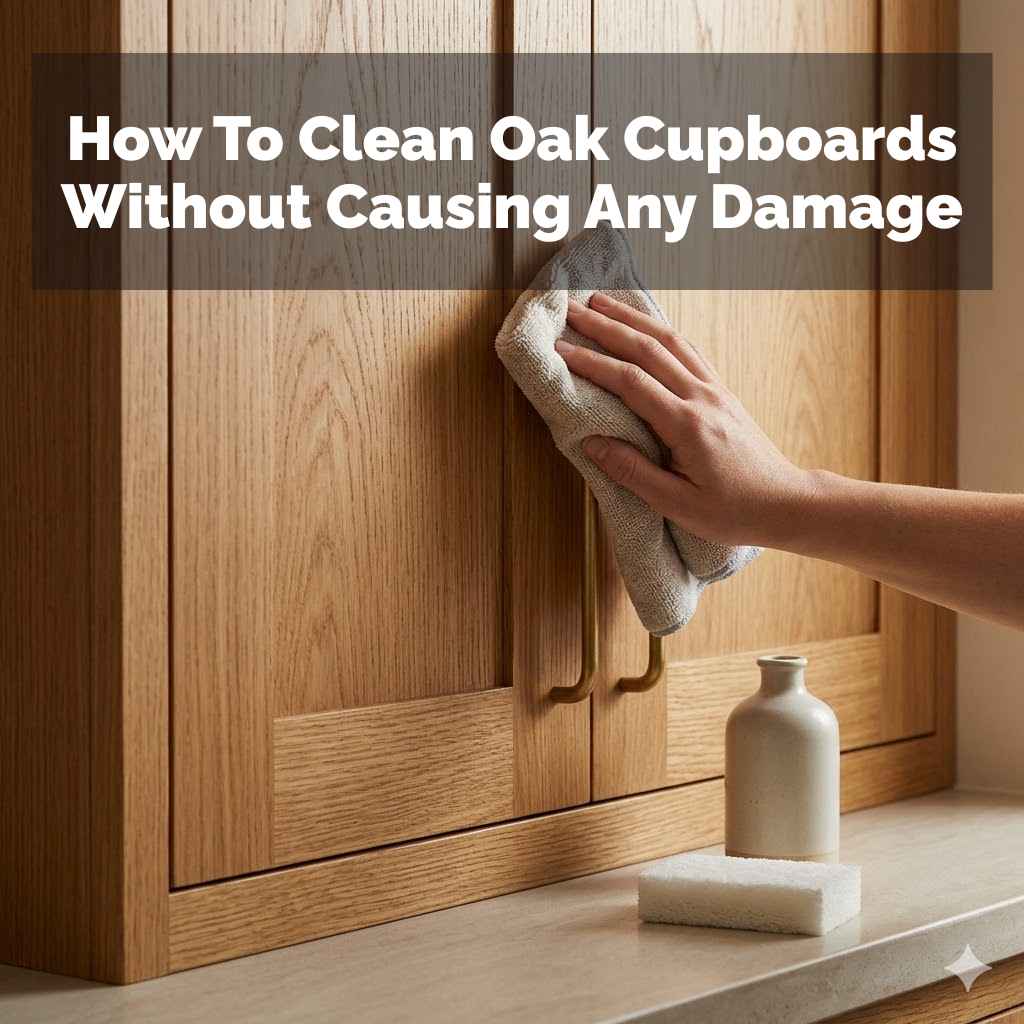
How To Clean Oak Cupboards Without Causing Any Damage
Oak cupboards can be beautiful. But they can also be tricky to clean. Many common cleaners can harm the wood.
They might strip away the finish. Or they can leave behind dull marks. It’s a common worry for homeowners.
You want your kitchen or bathroom to sparkle. But you don’t want to ruin your lovely oak. This guide will help you.
We will walk through simple, safe ways to clean your oak cupboards. You will learn what to do and what to avoid. Let’s get them looking their best again.
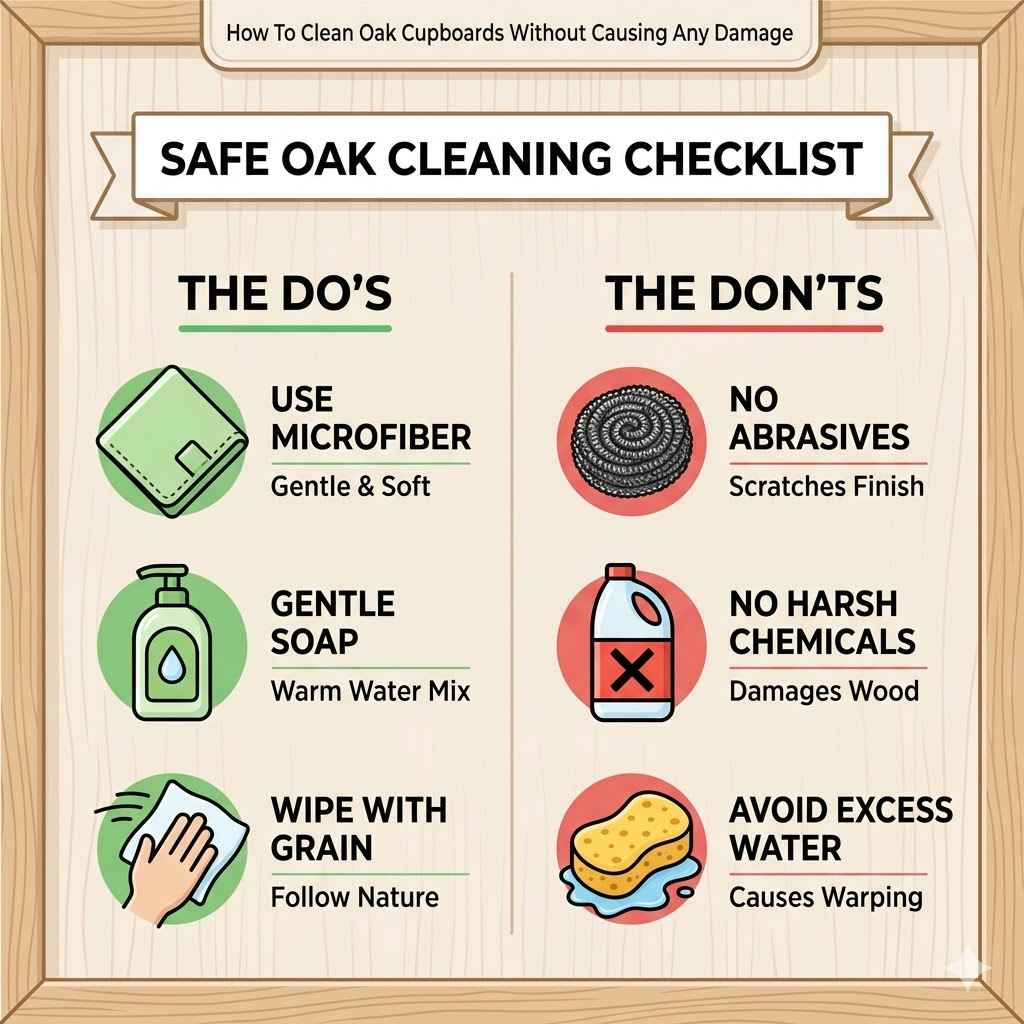
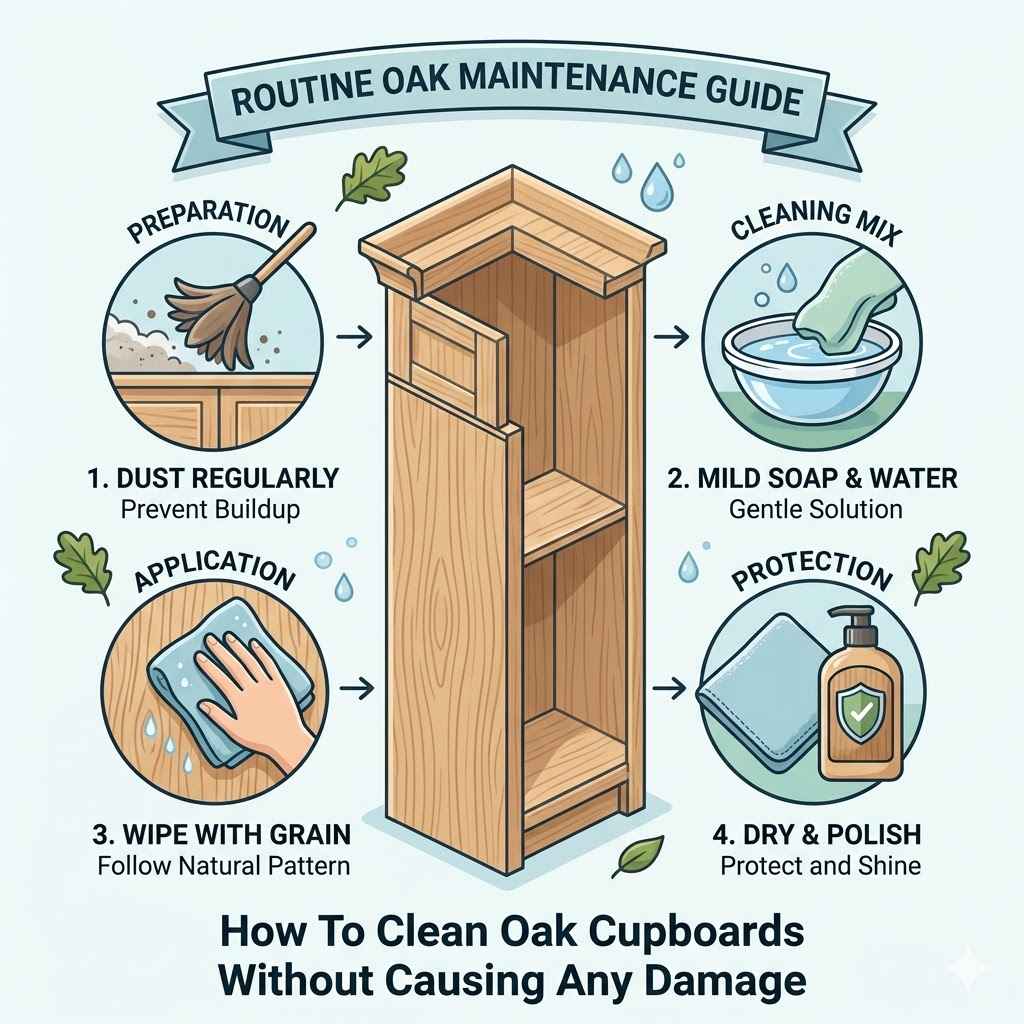
Oak cupboards need gentle cleaning. Use mild soap with water. Always test in a hidden spot. Avoid harsh chemicals. Wipe dry to prevent water spots. Regular dusting is key. For tougher spots, use a wood-specific cleaner sparingly.
Understanding Your Oak Cupboards
Oak is a strong wood. It’s popular for furniture and cabinets. It has a distinct grain pattern. This grain can be open or closed depending on the cut. Oak can be sealed with varnish, lacquer, or a water-based poly. The finish is what protects the wood. It also gives it its shine. Understanding this finish is vital. It tells you how the wood will react to cleaning.
Most oak cupboards have a protective topcoat. This is like a shield for the wood. It keeps out dirt and moisture. But this shield isn’t invincible. Some cleaners can break down this shield. This makes the wood vulnerable. Think of it like a good rain jacket. It keeps you dry. But if you use strong solvents on it, it might stop working.
My Own Oak Cupboard Scare
I remember one Saturday morning. I was determined to get my kitchen gleaming. My Oak Cabinets Outdated? Genius Guide” href=”https://woodworkingadvisor.com/are-oak-cabinets-outdated/” target=”_blank” rel=”noopener” data-wpil-monitor-id=”20792″>oak cabinets looked a bit dull. I grabbed what I thought was a good all-purpose cleaner. It smelled nice. I sprayed it on a particularly sticky spot. It seemed to work right away. But as I wiped it off, I saw a slight change. A small area looked… off. It was duller. A bit patchy. My stomach dropped.
I had just started my blogging journey then. I was still learning about home care. I panicked a little. What had I done? I quickly grabbed a damp cloth. I wiped the whole door. It helped a bit. But the damage was done. The finish was affected. It took some research and a lot of careful work with a wood restorer. I learned a vital lesson that day. Harsh chemicals are NOT friends with wood finishes. Ever since then, I’ve been super careful.
The Best Way to Clean Oak Cupboards
Let’s break down the safest and best methods. We’ll start with daily care. Then we’ll move to deeper cleaning.
Everyday Dusting and Wiping
This is the easiest step. But it makes a huge difference. Dust builds up quickly. It can get into the wood grain. Over time, it can look grimy.
What to do:
Use a soft, dry cloth. Microfiber cloths work wonders.
Gently wipe down all surfaces. Get into corners and edges.
Do this a few times a week.
This simple habit prevents deep dirt buildup. It keeps your cupboards looking fresh.
Mild Cleaning for Everyday Grime
For fingerprints or minor smudges, a little moisture helps.
What to do:
Get a clean, soft cloth.
Dampen it with plain water. Not soaking wet. Just a little damp.
Gently wipe the affected area.
Immediately follow with a dry cloth. This is super important. It prevents water spots.
This method works for most daily messes. It’s gentle and effective.
Quick-Scan Cleaning Guide
- Daily: Dry microfiber cloth.
- Weekly: Slightly damp cloth, then dry.
- Monthly/As Needed: Mild soap solution.
- Tough Spots: Wood cleaner or vinegar solution (carefully).
Cleaning with Mild Soap and Water
For tougher grease or food splatters, you need a bit more. But still, keep it mild.
What to do:
Mix a tiny amount of mild dish soap. Use maybe one or two drops.
Add it to a bowl of warm water.
Dip your soft cloth into the solution.
Wring the cloth out well. It should be barely damp.
Gently wipe the cupboard surface. Work in small sections.
Follow immediately with a clean cloth dampened only with water.
Then, dry the area completely with another dry cloth.
This is the go-to for most kitchen grime. The key is minimal water. And quick drying.
What to Absolutely Avoid
This is where many people go wrong. Certain products can damage your oak cupboards permanently.
Harsh Chemicals
Think ammonia, bleach, or strong degreasers. These are too strong for wood finishes. They can strip the protective layer. They might cause discoloration. Or they can leave a sticky residue that attracts more dirt.
Abrasive Cleaners or Scrubbers
Steel wool, scouring pads, or abrasive powders will scratch the finish. They will leave visible marks. Even a stiff brush can be too much. Always use soft cloths.
Excessive Water
Wood and water don’t mix well. Too much water can seep into the wood. It can cause swelling. It can lead to warping. It can ruin the finish. Always use a damp cloth, never a wet one. And always dry immediately.
Waxy or Oil-Based Polishes
These can build up over time. They create a sticky film. This film traps dirt. It can make your cupboards look dull and greasy. It’s hard to remove this buildup. Some “wood polishes” contain silicones. These can be very hard to remove later.
Furniture Polish Sprays
Many of these sprays contain silicone or wax. They can leave a residue. They might look good at first. But they cause problems later.
Specific Cleaning Challenges
Let’s look at some common issues you might face.
Grease Buildup in the Kitchen
Kitchens are prone to grease. Cooking splatters. Even just cooking fumes can leave a film.
What to try:
Start with the mild soap and water method. Use slightly more soap if needed. Wring the cloth very well.
If that’s not enough, try a solution of one part white vinegar to three parts water. Vinegar is acidic. It helps cut through grease.
Dampen a cloth with this vinegar mix. Wring it out thoroughly.
Wipe the greasy areas.
Immediately follow with a water-dampened cloth to rinse.
Dry thoroughly with a soft, clean cloth.
Always test vinegar in an inconspicuous spot first. Some finishes might react.
Water Stains or Rings
These are frustrating. They happen when water sits too long.
What to try:
For fresh water spots: Sometimes just buffing with a dry, soft cloth works.
For white rings (cloudy spots): Try gently rubbing the spot with a clean, dry cloth dipped in a tiny bit of toothpaste. Use non-gel white toothpaste. Rub lightly. Wipe clean with a damp cloth. Dry immediately.
Another trick is to use a hairdryer on a low setting. Hold it several inches away from the stain. Move it constantly. This can help dry out the moisture trapped in the finish.
For dark water stains (black rings): These often mean the water has gone through the finish and stained the wood itself. This is much harder to fix. You might need a wood restorer. Or you might have to refinish that section.
Sticky Residue from Labels or Tape
This is common on new cupboards. Or after applying something.
What to try:
Goo Gone or similar citrus-based removers are often effective. Use sparingly on a cloth. Rub the sticky spot.
Wipe away any residue with a damp cloth.
Dry well.
Make sure the product is safe for finished wood. Always check the label.
Myth vs. Reality: Wood Cabinet Cleaning
| Myth | Reality |
|---|---|
| Use a strong cleaner for tough stains. | Always start with the mildest method. Harsh cleaners damage the finish. |
| Soaking a cloth is fine if you wipe fast. | Never use a wet cloth. Moisture can ruin oak. |
| Wax polishes keep wood looking best. | Wax builds up and attracts dirt. Use wood-specific cleaners instead. |
| Bleach can brighten oak. | Bleach is too harsh. It can discolor and damage the finish. |
When to Use a Wood-Specific Cabinet Cleaner
Sometimes, you need something made for the job. Wood-specific cleaners are designed for finished wood. They usually contain mild soaps. Some might have a bit of gentle solvent. Others might have conditioners.
How to use them:
Always read the product label carefully.
Test the cleaner in a hidden spot first. Wait 24 hours to see the effect.
Spray the cleaner onto your cloth, not directly onto the cupboard.
Wipe the surface gently.
Use a clean, damp cloth to wipe away any cleaner residue.
Dry the surface thoroughly with a soft, dry cloth.
These cleaners are great for maintaining the finish. They add a layer of protection. But they are not a magic fix for damage.
Deep Cleaning Your Oak Cupboards
When do you need to do a deeper clean? Maybe once or twice a year. Or if you notice a dull film.
What to do:
Empty your cupboards. This is a good time to declutter.
Start with dusting. Get rid of all loose particles.
Use the mild soap and water solution. Work in small sections. Make sure your cloth is barely damp.
Wring out your cloth very well after each wipe.
Use a second cloth, dampened with plain water, to rinse away soap residue.
Immediately follow with a third, dry, soft cloth. Buff the surface dry.
Pay attention to corners and hardware. Use a soft brush or cotton swab for tight spots.
For stubborn spots, you can use the diluted vinegar solution. Again, test first and use sparingly.
Once all cupboards are cleaned and completely dry, you can consider a very light conditioning.
Light Conditioning for the Finish
After a deep clean, the finish might feel a bit dry. A light conditioner can help.
What to look for:
Look for products labeled as “cabinet polish” or “wood conditioner.”
Avoid anything with heavy waxes or silicones.
Apply a very small amount to a soft cloth.
Rub it into the wood grain in a thin, even layer.
Buff off any excess with a clean, dry cloth.
This step isn’t always necessary. But it can help restore a bit of sheen. It keeps the finish healthy.
My Personal Deep Clean Routine
I try to do this twice a year.
Step 1: Empty and Dust. Get everything out. Wipe all surfaces with a dry microfiber cloth.
Step 2: Gentle Wash. Mix a drop of mild soap in warm water. Dampen a cloth, wring it super dry. Wipe sections.
Step 3: Rinse. Use another slightly damp, clean cloth. Wipe away soap residue.
Step 4: Dry and Buff. A soft, dry cloth is your best friend. Buff until shiny.
Step 5: Tough Spots. For grease, a diluted vinegar mix (1:3 water) is my secret weapon. Always test it first!
Real-World Oak Cupboard Scenarios
Let’s think about where and why these issues pop up.
The Busy Family Kitchen
Kids’ sticky fingers. Food splatters from cooking. Accidental spills from drinks. These are constant battles.
What’s happening:
The high traffic means more touching.
Heat and steam from cooking can affect the finish over time.
Different foods and drinks can leave different types of stains.
The solution: Regular, gentle cleaning is key. A quick wipe-down after meals helps a lot. Using a slightly more potent (but still safe) cleaner for grease buildup is necessary.
The Bathroom Vanity
Toothpaste splatters. Hair spray mist. Hand soap residue. These are common in bathrooms.
What’s happening:
Humidity can be an issue. Make sure to dry thoroughly.
Some bathroom products can be quite harsh.
The solution: Similar to the kitchen, mild soap and water is usually best. For toothpaste marks, a damp cloth often suffices. Again, dry well. If you’re refinishing a bathroom cabinet rather than just cleaning it, our guide to the best wood finish for a bathroom vanity compares moisture-resistant options by real cost.
Oak Cupboards with Natural Oil Finishes
Some older or custom oak cupboards might have a natural oil finish. These are beautiful but need different care.
What to know:
Oil finishes penetrate the wood. They don’t form a hard surface layer like varnish.
They need to be re-oiled periodically to maintain their look and protection.
Avoid water-based cleaners. They can raise the grain.
Use cleaners specifically designed for oiled wood.
Check what finish you have. This is crucial for correct cleaning. Most modern cupboards have a polyurethane or lacquer finish.
What This Means for You
Knowing how to clean your oak cupboards is important. It saves you money. It saves your cupboards from damage.
When is it Normal?
Light dust and fingerprints are normal.
Minor smudges from cooking or daily use are normal.
Occasional needing a gentle wipe-down is normal.
When Should You Worry?
If a cleaner causes the finish to look dull, patchy, or sticky.
If you see deep scratches or gouges.
If dark stains appear that don’t wipe away.
If the wood starts to swell or warp.
Simple Checks to Do
Run your hand over the surface. Does it feel smooth? Or rough and gritty? Gritty means dust.
Look at the surface from an angle. Do you see streaks or dull spots?
Check hinges and hardware. Are they loose? Clean them gently too.
If you notice any signs of worry, stop what you’re doing. Do some more research. Or consult a professional.
Quick Tips for Sparkling Oak Cupboards
Here are some easy-to-remember tips.
Always dust first. This gets rid of loose dirt.
Use the mildest method first. Start with dry cloth, then damp, then soap.
Wring out your cloth well. Less water is more.
Dry immediately. This prevents spots and water damage.
Test new cleaners. Always in a hidden spot.
Clean hardware separately. Use a small brush for crevices.
Be patient. Don’t scrub hard. Gentle is better.
Maintain regularly. Small efforts prevent big problems.
Oak Cupboard Care Checklist
Daily/Weekly
Dust surfaces.
Wipe fingerprints.
As Needed
Mild soap and water for smudges.
Diluted vinegar for grease.
Use a wood cleaner if needed.
Avoid!
Harsh chemicals.
Abrasive scrubbers.
Soaking wet cloths.
Wax polishes.
Frequently Asked Questions About Oak Cupboard Cleaning
Can I use furniture polish on my oak cupboards?
It’s generally best to avoid most furniture polishes. Many contain silicones or waxes. These can build up over time.
They attract dirt and make the finish dull. Stick to mild soap and water or cleaners specifically made for wood cabinets.
What is the best way to remove tough grease from oak cabinets?
Start with a mild dish soap and water solution. Wring your cloth out very well. If that doesn’t work, try a mixture of one part white vinegar to three parts water.
Apply with a barely damp cloth. Always rinse with a water-dampened cloth afterward. Then, dry thoroughly.
Remember to test vinegar in a hidden spot first.
How often should I deep clean my oak cupboards?
For most homes, a deep clean once or twice a year is plenty. If you have a very active kitchen with lots of cooking, you might need to do it more often. Regular light cleaning is more important than infrequent deep cleaning.
My oak cabinets have a cloudy white film. What is it and how do I fix it?
A cloudy white film often means wax or polish buildup. It can also be from a cleaner that didn’t rinse off well. Try cleaning the cabinets with a mild soap and water solution.
Make sure to rinse well with a clean, damp cloth. You might need to repeat this a few times. Avoid using more polish or wax afterward.
Can I use a Magic Eraser on my oak cupboards?
It’s best to avoid using a Magic Eraser. These are made of melamine foam, which is a very fine abrasive. While they can remove marks, they can also wear away the finish on your oak cabinets.
This can lead to dull spots or damage the protective layer.
What if I accidentally used the wrong cleaner and damaged the finish?
If the damage is minor, like a slight dulling, sometimes buffing with a clean, dry cloth can help. For more noticeable issues, you might need a wood furniture restorer product. These can sometimes fill in or repair minor scratches or discoloration.
For severe damage, you may need to consult a professional refinisher.
Final Thoughts on Oak Cupboard Care
Keeping your oak cupboards looking beautiful doesn’t have to be hard. It’s all about being gentle. It’s about using the right tools and products. Think of it like caring for fine wood furniture. Avoid harsh chemicals and too much water. Stick to soft cloths and mild solutions. Regular dusting and quick wipe-downs go a long way. By following these simple steps, your oak cupboards will stay lovely for years. You’ll avoid costly mistakes. And enjoy a cleaner, brighter home.
Sponsored / affiliate links. As an Amazon Associate I earn from qualifying purchases. I may earn additional commission from eligible campaigns.