How to Clean Pressure Treated Wood before Staining: Expert Tips
Are you ready to transform your outdoor space with a fresh coat of stain on your pressure treated wood? Before you get started, it’s crucial to ensure the wood is perfectly clean.
Skipping this step can lead to uneven staining, poor absorption, and a finish that won’t last. Imagine the frustration of seeing your hard work fade away prematurely. But don’t worry, we’ve got you covered. In this guide, you’ll learn how to properly clean pressure treated wood before staining, ensuring a flawless and long-lasting finish.
Let’s dive into the details so you can achieve the results you’ve been dreaming of.
Credit: www.homedepot.com
Preparing The Workspace
Start with the right tools. You need a broomto sweep away dirt. Have a bucketfor mixing cleaning solutions. A scrub brushhelps remove stubborn spots. Keep a garden hoseready for rinsing. Always have a pair of glovesto protect your hands. Don’t forget a maskto avoid dust inhalation. A plastic tarpwill cover nearby plants.
Safety is very important. Always wear glovesto protect your skin. Use a maskto cover your nose. This keeps out dust and harmful chemicals. Make sure the area is well-ventilated. This prevents fumes from building up. Work in daylightfor better visibility. Keep a fire extinguisherclose by, just in case. Always have a first aid kitnearby for emergencies.
Understanding Pressure Treated Wood
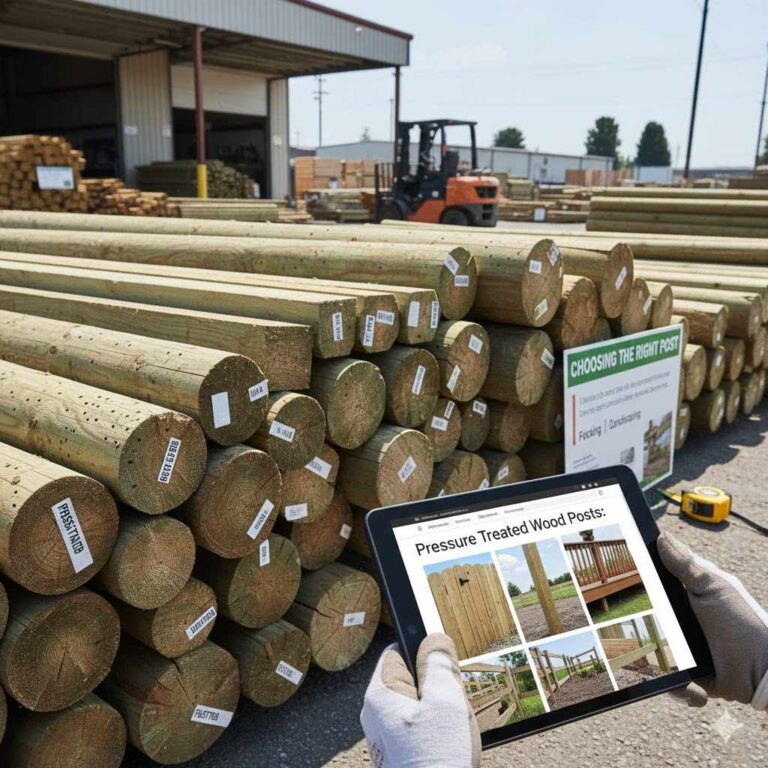
Pressure treated wood is strong and resistant to decay. It is often used in outdoor projects. This wood has chemicals that protect it from insects and rot. It feels smooth but has a greenish tint. Sometimes, it smells different than regular wood. It is heavier because of the treatment. The chemicals can make it last longer. Always wear gloves when handling it.
Many people use this wood for decks, fences, and playgrounds. It is very durable. It can handle tough weather. It is affordable and easy to find. This wood is strong and lasts for many years. It can be stained or painted for a nice look. It is safe for gardens and landscaping. It helps save money in the long run.
Initial Cleaning Steps
Start by clearing the wood surfaceof loose dirt. Use a soft broomor brush. Gently sweep away leaves and twigs. Avoid harsh scrubbing to protect the wood.
Use a garden hoseto rinse the wood. Spray water evenly across the surface. Ensure all areas are wet. This helps remove dust and grime. Don’t use high-pressure water. It might damage the wood.

Credit: heartfilledspaces.com
Choosing The Right Cleaner
Pressure treated wood needs a good cleaner. Wood cleaners come in two main types. Chemical-based cleaners work fast. They remove dirt and stains easily. But they can harm plants and animals. Eco-friendly options are safer. They use natural ingredients. They are gentle on the environment.
Some cleaners use lemons or vinegar. These are safe and smell good. Baking soda is another option. It cleans wood without harm. Oxygen bleach is another choice. It is powerful and safe. It kills mold and mildew. These options keep your wood safe and clean.
Deep Cleaning Techniques
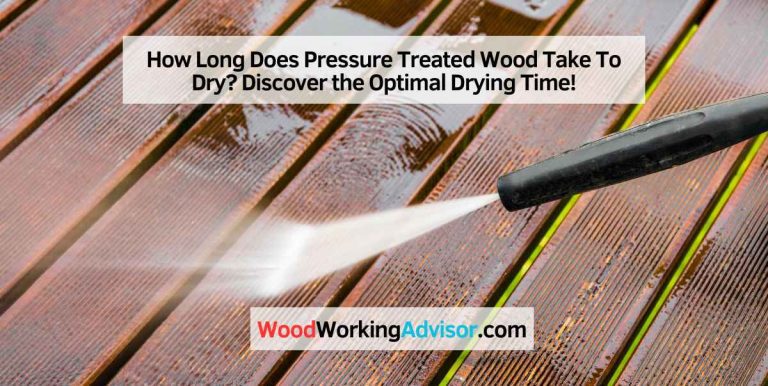
Pressure washers can clean wood fast. They use water at high speed. This removes dirt and old stains. First, set the machine to low pressure. High pressure can harm the wood. Keep the nozzle a few feet away. Move it in a sweeping motion. Wet the wood evenly.
Some stains need more work. Use a stiff brush for these. Mix mild soap with water. Dip the brush in this mix. Scrub the stains gently. Rinse with clean water. Let the wood dry fully before staining.
Drying The Wood
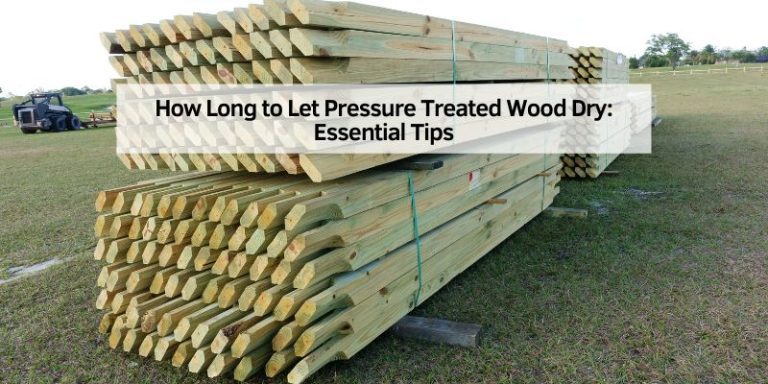
Dry wood is very important. Wet wood can cause problems. Proper drying prevents mold and rot. It keeps wood strong and safe. Staining needs dry wood. Wet wood can mess up the stain. Dry wood helps the stain stick better. It makes the wood look nice. Drying is the first step before staining.
Use sunlight for drying wood. Sunlight is natural and free. Place wood in the sun. It dries wood fast. Fans also help dry wood. They move air around. This speeds up drying. Use covers to protect wood from rain. Covers keep wood dry. Dry wood is ready for staining.
Inspection And Repairs
Pressure treated wood can have cracks or splinters. Look closely at the surface. Check for signs of rot or decay. Mold can grow on damp wood. Insects might leave holes. Use a flashlight for better viewing. Ensure the wood is dry before proceeding.
Repair small cracks with wood filler. Fill holes caused by insects. Use sandpaper to smooth rough spots. Replace rotten pieces with new wood. Seal any exposed ends. Ensure repairs are secure before staining. Safety goggles are important. Wear them to protect your eyes.
Preparing For Staining
Always check the wood’s surface before staining. Look for dirt, dust, and mold. These can ruin the stain. Use a soft brush to gently remove them. Ensure no old stain remains. Old stain can block new stain.
Ensure the wood is dryand smooth. Wet wood won’t take stain well. Feel the surface. It should be smooth. Sand rough spots if needed. Smooth wood takes stain better.
Pick a stain that’s right for your wood. Oil-based stains are strong. They last long. Water-based stains are eco-friendly. They dry fast. Choose the colorthat suits your style. Test the stain on a small spot. See how it looks.
Always read the stain’s instructions. Follow them carefully. Some stains need extra steps. Knowing these steps helps you do the job well.

Credit: thecraftsmanblog.com
Frequently Asked Questions
How Do You Prep Pressure Treated Wood For Stain?
Clean the wood with a deck cleaner to remove dirt and mildew. Allow it to dry completely. Sand any rough spots using medium-grit sandpaper. Check for moisture content, ensuring it’s below 15%. Apply a wood conditioner if necessary before staining for even absorption.
What Should Never Be Done With Pressure-treated Wood?
Avoid burning pressure-treated wood due to toxic chemicals. Don’t use it for cutting boards or food surfaces. Never compost or mulch treated wood. Keep it away from enclosed spaces to prevent inhaling fumes. Do not dispose of it improperly; follow local regulations for safe disposal.
What Is The Best Thing To Clean Wood With Before Staining?
Use a mixture of water and dish soap to clean wood before staining. Ensure the surface is dry.
What Is The Best Way To Clean Pressure Treated Wood?
Use a mild detergent and water solution for cleaning. Gently scrub with a soft brush. Rinse thoroughly with clean water. Allow the wood to dry completely. Avoid using high-pressure washers to prevent damage. Regular cleaning ensures longevity and maintains the appearance of pressure-treated wood.
Conclusion
Cleaning pressure treated wood is crucial before staining. It ensures a smooth finish. Dirt and grime can ruin the stain. Use a gentle cleaner. Scrub lightly. Rinse thoroughly. Allow the wood to dry completely. This prepares the surface well. Staining becomes easier.
Results look polished and fresh. Protect your wood investment. A clean start leads to a beautiful end. Follow these simple steps. Enjoy a lasting, vibrant look. Keep your wood looking great for years. Staining is an art. Clean first for the best outcome.
Your wood deserves the best care.