Acacia vs Teak: How to Tell Them Apart and Which to Buy
Teak and acacia can look alike in a showroom, but they behave very differently outdoors. Teak heartwood is rated very durable against decay, while acacia is a whole genus, and species such as koa are rated non-durable. Choose teak for permanent outdoor pieces and acacia for indoor furniture and kitchen boards. This guide covers the real numbers, how to tell them apart, upkeep and cost.
Acacia vs Teak at a Glance
Best Oil for Either Wood | |
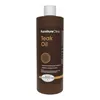 |
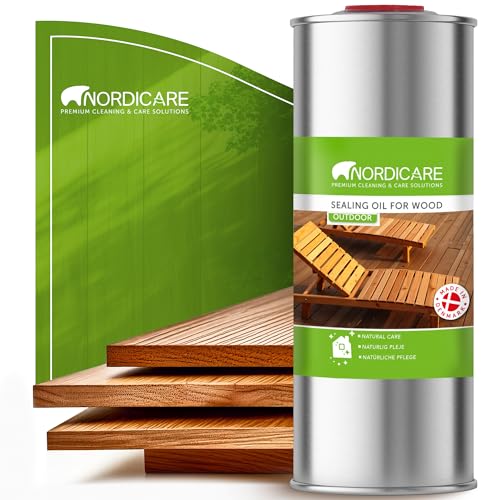
Furniture Clinic Teak Oil, $17.95 Acacia needs regular oiling outdoors and teak benefits from it if you want to keep the golden color instead of letting it gray. One clear tung and linseed oil covers both woods.
|
As an Amazon Associate we earn from qualifying purchases. | |
The short version: teak wins on weather resistance, acacia wins on price, and hardness is close enough that it should not decide the purchase. The table below uses Wood Database figures for teak and for the two acacia species it documents in detail.
| Property | Teak | Koa (Acacia koa) | Australian blackwood (Acacia melanoxylon) |
|---|---|---|---|
| Janka hardness | 1,070 lbf | 1,170 lbf | 1,160 lbf |
| Dried weight | 40.9 lbs/ft3 | 38 lbs/ft3 | 40.0 lbs/ft3 |
| Decay resistance | Very durable | Non-durable to perishable | Moderately durable, susceptible to insects |
| Volumetric shrinkage | 7.2% | 12.4% | 11.9% |
| Price outlook | Very expensive | Expensive and increasingly scarce | Fairly expensive |
Source: Wood Database, teak, koa and Australian blackwood species pages.
Acacia Is Not One Wood
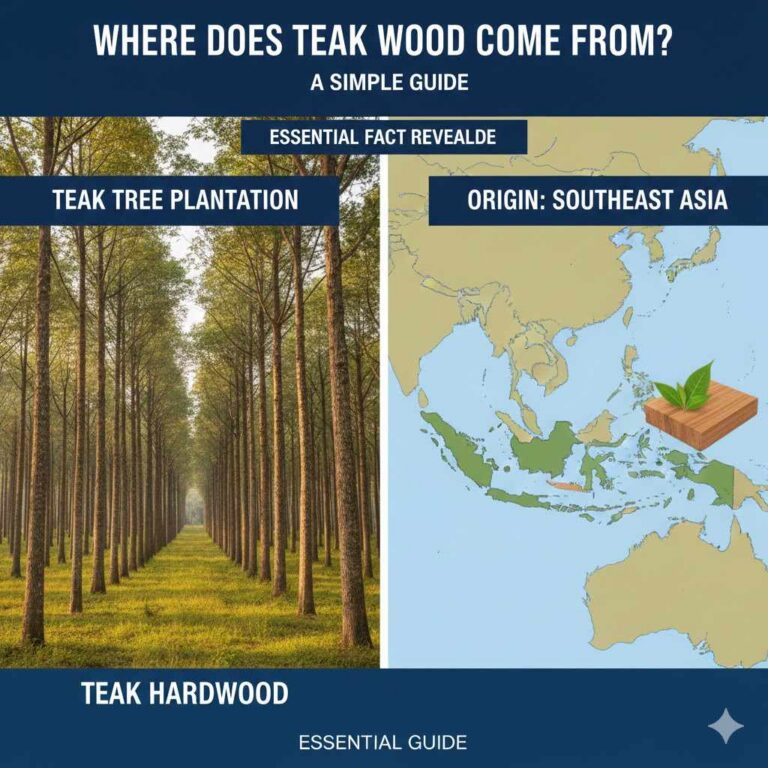
Most comparison articles treat acacia as a single material. It is not. Wood Database lists around 30 acacia species and notes that density is greatly variable, with some species very heavy and hard while most commercial species are of moderate weight. Teak, by contrast, is one species, Tectona grandis, so a teak chair from one supplier behaves much like a teak chair from another.
The Janka myth: harder does not mean tougher outdoors
Sellers of acacia furniture often quote Janka hardness ranges that run well above teak, such as 1,100 to 2,300 lbf. Those are seller-stated numbers rather than independent test data, and the named acacias above sit within about 100 lbf of teak. More importantly, the Janka test measures resistance to denting. It says nothing about rot. Koa is harder than teak in the table above and still rates non-durable for decay, while teak is called the gold standard for decay resistance.
What to ask before you buy “acacia”
- Which acacia species is it? A seller who cannot name one is telling you something.
- Is the top solid-sawn or finger-jointed? Finger joints and glue lines are where outdoor pieces tend to open up first.
- Is the finish factory-applied, and does the maker publish a care schedule?
- Are the fasteners stainless steel or coated, since bare steel stains and corrodes in wet wood?
If your project is a dedicated outdoor set, our shorter durability, cost and care comparison covers the same two woods from a pure buying angle.
How to Tell Acacia From Teak
People ask this when a set of chairs is unlabeled, when a listing is vague, or when a price looks too good. There is no single test, but these checks work together.
| Check | Teak tends to show | Acacia tends to show |
|---|---|---|
| Grain | Straight to slightly wavy, coarse texture | Wavy or interlocked, often with swirls |
| Color | Even golden-brown that darkens with age | Pale gold to deep brown, with large swings between boards |
| Surface feel | Slightly oily to the touch (oils may need solvent wiping before gluing, per Wood Database) | Drier, more like an ordinary hardwood |
| Weight | About 41 lbs/ft3 dried | Varies by species, from about 38 lbs/ft3 for koa upward |
| Price | Much higher than plantation acacia | Noticeably lower for plantation stock |
Color is the least reliable check, because stain and finish can disguise both woods. Grain consistency and the seller documentation tell you more. If you need certainty for a valuable piece, a woodworker or lumberyard can examine an end-grain cut, and the origin paperwork for solid teak should name Tectona grandis.
Teak also has a long history in mid-century design, which our guide to spotting real Danish teak furniture covers in more depth.
Outdoor Performance: Why Teak Wins and What Acacia Needs
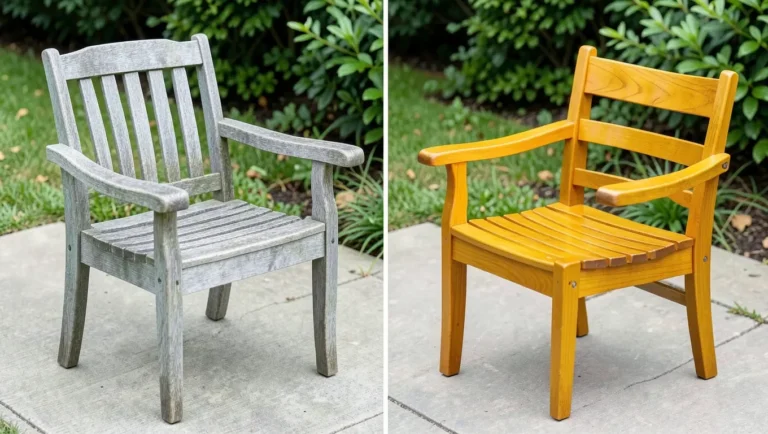
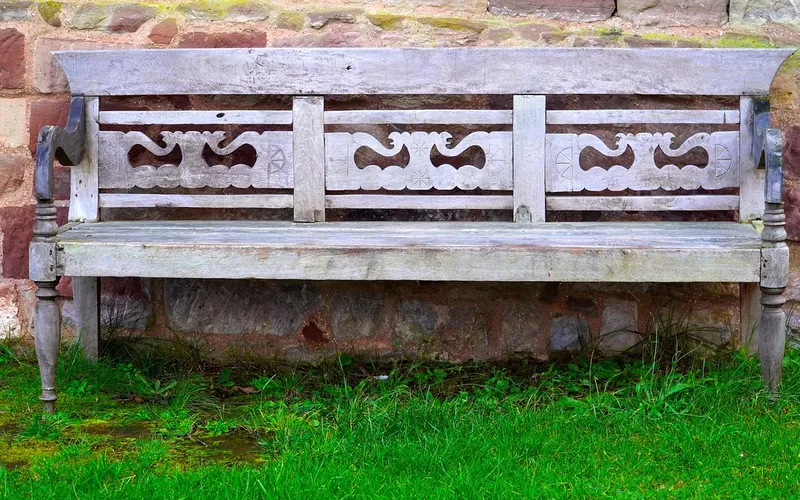
Left outside with no finish, teak heartwood stays sound and weathers to a silver-gray, which is cosmetic. Acacia does not get that free pass. Furniture makers commonly advise oiling acacia every few months in wet climates and less often in dry ones, and unsealed acacia is reported to develop surface checks within a season or two. Those intervals come from retailer and maker guidance rather than a controlled test, so treat them as a starting point and watch your own pieces.
A safety note on oiling
Teak oil and similar tung or linseed oil finishes can heat as they cure. The maker label on the pick above warns that oil-soaked materials may spontaneously ignite. Lay used rags flat outdoors to dry, or soak them in water in a sealed metal container, before disposal. Never bunch them in a pile or a trash bin.
Do you need to oil teak at all?
No. Oil on teak is for color, not survival. If you like the honey tone, a light coat once or twice a year keeps it, and if you like gray you can skip it. Our page on whether teak is water resistant explains why it still is not waterproof. For acacia, oil is protection, so budget the time. Our acacia outdoor furniture care guide gives a step-by-step routine.
Kitchen, Bathroom and Indoor Use
Cutting boards and serving boards
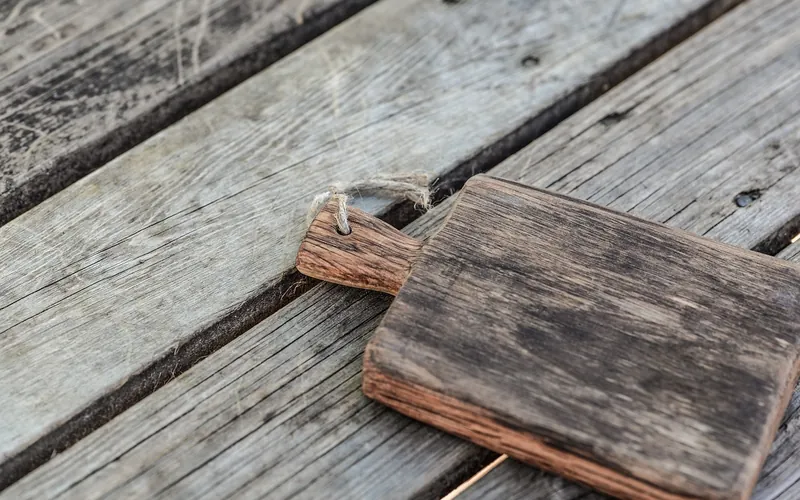
Acacia is a popular board wood because it is dense, affordable and attractive. Teak is rarely the first choice for knives, because Wood Database reports silica content up to 1.4 percent, which dulls cutting edges. Whichever wood you pick, use an oil sold as food-safe, such as mineral oil, not a teak oil finish. Our comparison of tung oil and mineral oil explains the difference.
Shower benches and bathrooms
Constant water is the hardest test for any wood, and it is where teak earns its reputation. Its heartwood is rated very durable against decay. Acacia can work in a bathroom if the species is durable enough and every face is sealed, but a species rated non-durable will eventually rot if it stays wet. When the bench sits in a shower, teak is the lower-risk choice. This is a judgment from the decay ratings rather than a head-to-head test.
Dry indoor furniture
Indoors, the durability gap mostly disappears. Both woods hold up well, both take finish, and the price difference becomes the main factor. Acacia gives the warm hardwood look at a lower cost, and it is the sensible choice for dining tables, shelves and chairs that never see rain.
Cost, Sourcing and Working With Each Wood
Wood Database describes teak as perhaps one of the most expensive lumbers on the market for large, clear pieces, even with plantation supply. It also notes that Myanmar sanctions imposed in February 2021 restrict some imports. Seller-reported pricing puts comparable acacia outdoor sets at 40 to 70 percent less than teak, though that range is marketing material, not a market survey. Premium acacia species such as koa are the exception and can also be expensive.
- Tool wear: teak is easy to work except that its silica dulls edges, so keep blades sharp and expect to sharpen sooner.
- Gluing teak: wipe the joint surfaces with a solvent just before gluing, as oils interfere with adhesion. See our guide to gluing oily woods.
- Dust safety: Wood Database reports teak as a sensitizer, so wear a dust mask and eye protection, especially when sanding.
- Acacia movement: species with high shrinkage, like koa at 12.4 percent volumetric, move more with humidity, so leave expansion gaps in panels.
Which Should You Buy?
| Your project | Better pick | Why |
|---|---|---|
| Permanent outdoor dining or lounge set | Teak | Very durable decay rating, can be left unfinished |
| Patio set on a covered porch, tight budget | Acacia | Lower cost, and cover reduces the upkeep penalty |
| Shower bench or wet bathroom | Teak | Constant moisture is the worst case for a less durable wood |
| Indoor dining table, shelves, chairs | Acacia | Same warm look for less money |
| Cutting or serving board | Acacia | Easier on knives, plenty of choice |
| Heirloom piece you plan to refinish for decades | Teak | Stable species and a long record of use outdoors |
For a broader view of species choices, see our overview of the main types of wood.
Frequently Asked Questions About Acacia vs Teak
Is acacia wood harder than teak?
It can be, but it depends on the species. Wood Database lists teak at 1,070 lbf on the Janka scale, koa at 1,170 lbf and Australian blackwood at 1,160 lbf, so the named acacias in its database are only slightly harder. Furniture sellers quote higher ranges for plantation acacia, but those are seller-stated figures. Hardness also says nothing about rot resistance.
Can acacia wood be used outdoors?
Yes, with upkeep. Some acacias, such as koa, are rated non-durable to perishable for decay resistance, so outdoor acacia needs a sealer or oil and a spot where water can drain away. Teak heartwood is rated very durable and can be left to weather to gray with no finish at all.
How can I tell if furniture is acacia or teak?
Look at the grain and color, then check the paperwork. Teak tends to have straight grain and an even golden-brown tone, while acacia often shows wavy or interlocked grain with big color swings between boards. No single look is proof, so check the product description for the species name and be wary of a price far below what teak normally costs.
Is acacia or teak better for a shower bench or bathroom?
Teak is the safer pick for constant water because its heartwood is rated very durable against decay. If you choose acacia, seal every surface including the underside, rinse off soap residue, and let the bench dry between uses, since a species rated non-durable will rot if it stays wet.
Is teak or acacia better for cutting boards?
Acacia is common for boards because it is dense and affordable, but any wood board needs regular food-safe oiling. Teak’s high silica content, up to 1.4 percent according to Wood Database, dulls knife edges faster, which is a reason many cooks pick maple, walnut or acacia instead.
Why is teak so expensive?
Teak is a slow-growing tropical hardwood with a long record of use in boats and outdoor furniture, and Wood Database calls it perhaps one of the most expensive lumbers on the market. Import limits on Myanmar teak since 2021 also affect supply.
Teak is the better wood where water and sun are constant, and acacia is the better value for dry or covered use. If you buy acacia, ask for the species, plan to oil it, and keep it off standing water. If you buy teak, you are paying for a species rated very durable, and you can choose between gray and golden without risking the wood.
Sponsored / affiliate links. As an Amazon Associate I earn from qualifying purchases. I may earn additional commission from eligible campaigns.