How to Connect Wood to Metal: Easy & Strong Joint Techniques
Are you struggling to join wood and metal in your projects? Connecting these two materials might seem tricky at first, but with the right techniques, you can create strong, lasting bonds that hold up over time.
Whether you’re building furniture, fixing something around the house, or tackling a creative DIY project, knowing how to properly connect wood to metal will save you time and frustration. Keep reading, and you’ll discover simple methods and expert tips that make this task easier than you think.
By the end, you’ll feel confident handling your next wood-to-metal connection like a pro.
Choosing The Right Joint
Choosing the right joint is key to a strong wood-to-metal connection. The joint type affects the strength and durability of your project. It also impacts how easy it is to build and maintain. Selecting the proper joint makes your work last longer and look better.
Common Wood-to-metal Joints
There are several popular joints for joining wood to metal. One common option is the screw and washer joint. It uses screws with washers to hold the wood and metal tightly. Another choice is the bracket joint, which uses metal brackets to secure both materials.
Welding metal plates to wood-mounted anchors is also common. This method offers strong support for heavy loads. Adhesive bonding can work too, especially for light or decorative projects. Each joint type suits different needs and project types.
Factors Influencing Joint Selection
Consider the project’s weight and stress when choosing a joint. Heavy loads need stronger joints like welding or bracket connections. For lighter projects, screws or adhesives may be enough. The environment matters as well.
Outdoor projects face weather and moisture, requiring rust-resistant joints. Indoor projects allow simpler joint types. Tool availability and skill level also guide your choice. Pick joints that match your tools and experience for best results.
Preparing Materials
Preparing materials is the first step to connect wood to metal. Proper preparation ensures a strong and lasting bond. This phase involves choosing the right materials and cleaning their surfaces carefully. The better you prepare, the easier the assembly process will be. Let’s explore how to select suitable wood and metal and how to prepare their surfaces correctly.
Selecting Suitable Wood And Metal
Choose wood that is dry and free of cracks or knots. Softwoods like pine are easier to work with but may not hold screws well. Hardwoods such as oak or maple provide stronger connections. Pick metal types like steel or aluminum that fit your project needs. Avoid metals with thick coatings that may prevent adhesion. Consider the weight and strength required for your project.
Surface Preparation Tips
Clean both wood and metal surfaces thoroughly. Remove dust, grease, and rust to improve bonding. Sand the wood lightly to create a rough texture. Use sandpaper with medium grit for best results. For metal, use a wire brush or sandpaper to remove rust and paint. Wipe surfaces with a cloth dampened with alcohol or acetone. Allow surfaces to dry completely before joining.
Mechanical Fastening Methods
Mechanical fastening methods are popular for joining wood to metal. They create strong, reliable connections. These methods use physical parts like screws, bolts, rivets, brackets, and plates. They do not need heat or glue. Fastening is often quick and easy. The parts can be removed or replaced if needed.
Using Screws And Bolts
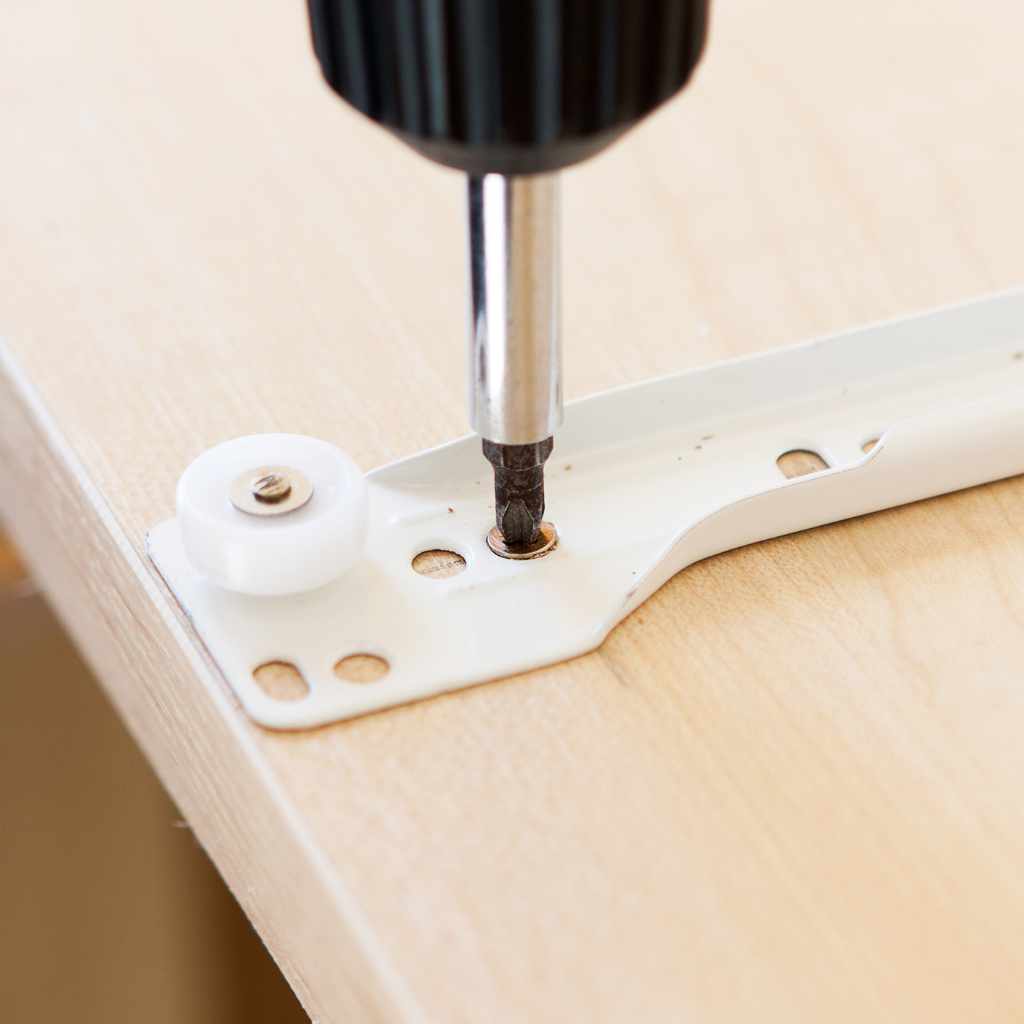
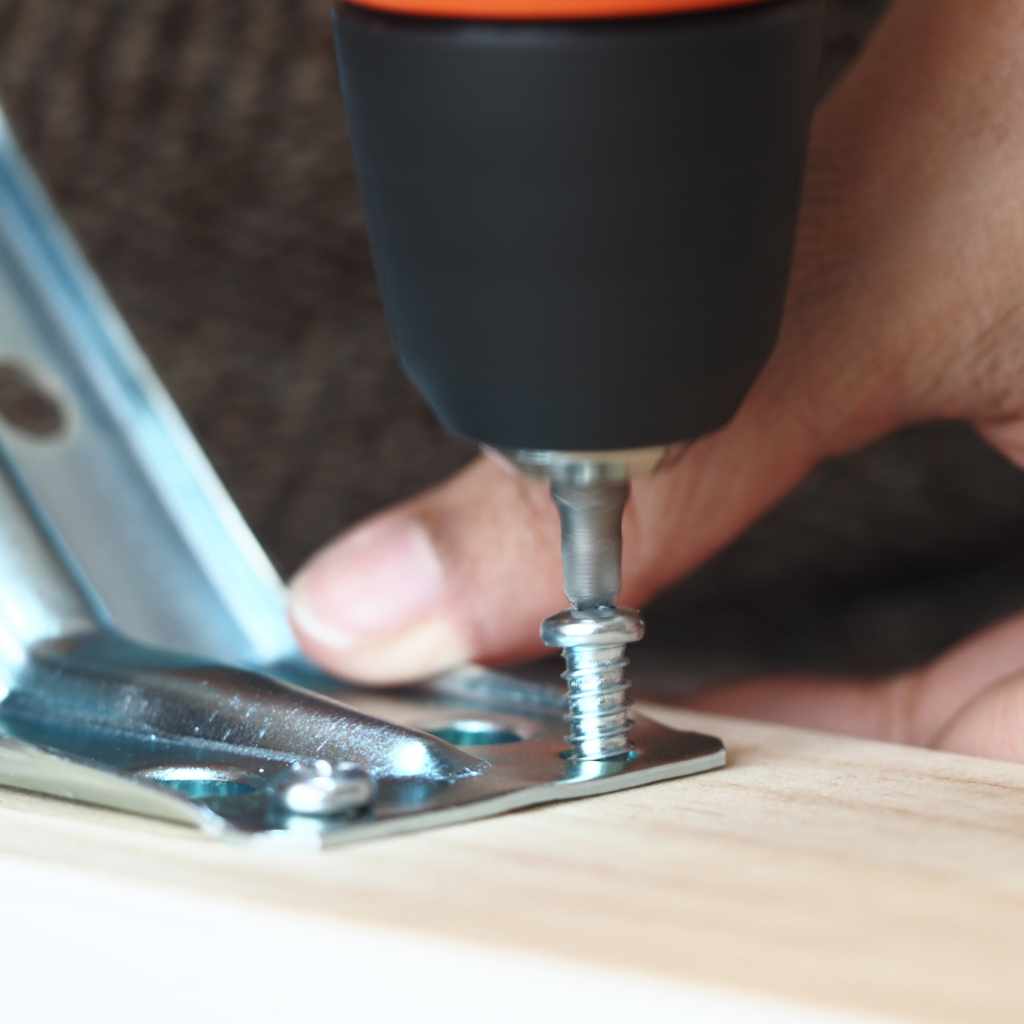
Screws and bolts are common fasteners for wood-to-metal joints. Screws have threads that grip the wood tightly. Bolts require a nut on the metal side to hold parts together. Pre-drill holes to avoid splitting the wood. Choose screws or bolts made of rust-resistant materials. Tighten them firmly but avoid over-tightening. This method is strong and allows easy adjustments.
Employing Rivets
Rivets join wood and metal by holding pieces with a metal pin. Insert the rivet through drilled holes in both materials. A tool then spreads the rivet’s end to lock it in place. Rivets create a permanent bond that resists vibration and movement. This method is useful for thin metal sheets and lightweight wood. Riveting requires special tools but offers a neat finish.
Applying Brackets And Plates
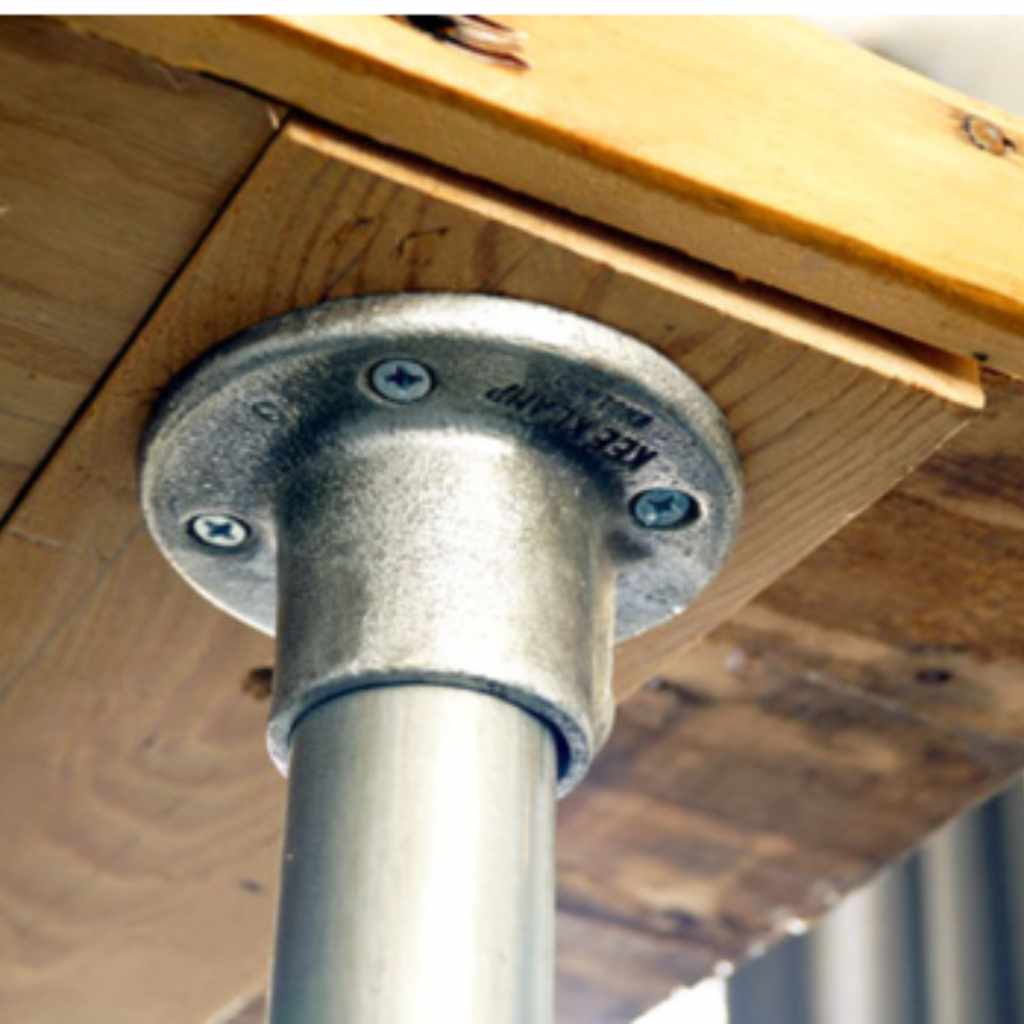
Brackets and plates support wood and metal connections. Attach metal brackets to the wood using screws. Secure the metal part to the bracket with bolts or screws. Brackets add strength and keep parts aligned. Plates can cover larger areas for more support. This method works well for framing, shelves, and furniture. Brackets and plates make the joint stable and durable.
Adhesive Bonding Techniques
Adhesive bonding is a popular way to join wood and metal. It creates strong, lasting connections without screws or nails. This method works well for many projects, from furniture to repairs. Understanding the right techniques ensures the bond holds tight and lasts long.
Proper preparation and the correct adhesive choice are key. Small steps can make a big difference in strength and durability. Let’s explore how to bond wood to metal using adhesives.
Choosing The Right Adhesive
Select an adhesive designed for both wood and metal. Epoxy glues offer strong bonds and resist heat and moisture. Polyurethane adhesives also work well and provide flexibility. Avoid simple wood glues, as they may fail on metal surfaces.
Check the drying time and strength ratings. Choose one that fits your project’s needs and conditions. Proper adhesive choice ensures a reliable and durable joint.
Surface Cleaning And Priming
Clean both surfaces before bonding. Remove dirt, grease, and dust for better adhesion. Use rubbing alcohol or a mild detergent for cleaning. Let the surfaces dry completely before the next step.
Priming metal can improve adhesive grip. Use a metal primer suitable for your chosen adhesive. Lightly sanding the wood and metal helps create a rough surface. This roughness allows the glue to hold better.
Application Tips For Strong Bonds
Apply adhesive evenly on both surfaces. Use enough glue to cover the area but avoid excess. Press the wood and metal pieces firmly together. Clamp them to hold the bond while drying.
Follow the adhesive’s curing time for best results. Avoid moving the pieces during this period. Patience ensures a strong, lasting connection.
Welding And Brazing Options
Welding and brazing are common methods to join metals. They create strong, lasting bonds by melting or heating metals. But wood is different. It burns or chars under high heat. This makes welding and brazing tricky for wood-to-metal connections.
Suitability For Wood-to-metal Connections
Welding usually melts the metal parts together. It needs very high heat. Wood cannot survive this heat. It will burn or catch fire. So, welding is not a good choice for direct wood-to-metal joints.
Brazing uses lower heat than welding. It melts a filler metal that sticks to both parts. Still, the heat can damage wood. Brazing works better if the metal parts join first. Then, wood attaches separately using screws or adhesives.
Both methods suit metal-to-metal connections best. Wood should stay away from direct heat. Protect wood by using plates or brackets to hold it to metal.
Precautions And Alternatives
Avoid welding or brazing near wood surfaces. Heat will cause burning or warping. Use heat shields or fireproof materials if needed.
Consider mechanical fasteners like screws or bolts. They hold wood and metal safely without heat. Strong adhesives also work well for many projects. Glues made for wood and metal create solid bonds.
Combining methods often works best. Join metal parts by welding or brazing first. Then, attach wood using screws, bolts, or glue. This keeps wood safe and ensures a strong connection.
Hybrid Joint Techniques
Hybrid joint techniques mix two ways to join wood and metal. These methods use both mechanical parts and glue. This mix makes the joint stronger and lasts longer. It works well in many projects where wood and metal meet.
Using two methods together fixes some problems that each method has alone. This makes the connection more stable and reliable. Hybrid joints are good for furniture, frames, and other crafts.
Combining Mechanical And Adhesive Methods
Start by choosing the right mechanical fasteners. Screws, bolts, or nails hold the pieces tight. Then apply a strong adhesive to the contact surfaces. The glue fills small gaps and adds extra grip. Together, they stop movement and reduce wear. This mix helps the joint resist vibrations and shocks better.
Benefits Of Hybrid Joints
Hybrid joints last longer than using just glue or screws. They keep wood and metal from loosening over time. The glue protects the wood from splitting. Mechanical parts make the joint easy to disassemble if needed. This method also improves the look by hiding some fasteners. Hybrid joints are strong and neat, perfect for many wood-metal projects.
Testing Joint Strength
Testing joint strength is crucial when connecting wood to metal. It ensures the bond holds under pressure and use. Proper testing avoids weak spots and potential failures. This step helps confirm the joint’s durability and safety. Both simple and professional methods can measure this strength accurately.
Simple Diy Tests
Start with a visual check for gaps or cracks. Press or pull the joint by hand to feel its firmness. Use a clamp and add weight to test hold. Tap gently with a hammer to listen for loose sounds. These tests reveal weak areas without special tools.
Try twisting the joint carefully to check for movement. If it shifts or creaks, the bond may be weak. Use everyday items like a scale or weights for pressure tests. Simple tests help catch issues early before heavy use.
Professional Testing Methods
Engineers use machines to measure joint strength precisely. Tensile testers pull the joint until it breaks, recording force needed. Shear testers apply sideways pressure to check resistance. These tests provide exact data on how strong the joint is.
Ultrasonic testing detects hidden cracks or flaws inside the joint. X-ray imaging reveals internal bonding quality without damage. Professionals use these methods to ensure safety in critical projects. Such tests are best for important or commercial wood-metal connections.
Maintenance And Longevity
Connecting wood to metal creates strong, useful structures. To keep these joints lasting long, regular care is important. Proper maintenance helps avoid damage and keeps the connection tight. Simple steps protect your work and save time and money later.
Protecting Joints From Wear
Use sealants or paint on metal parts to stop rust. Apply wood finishes to avoid moisture damage. Check joints often for signs of rust or cracks. Clean dirt and dust off surfaces to reduce wear. Avoid heavy loads that strain the connection. Use rubber pads or washers to reduce friction and shocks.
Repairing And Reinforcing
Tighten screws and bolts regularly to keep joints firm. Replace any rusty or broken fasteners quickly. Add metal brackets or plates for extra strength if needed. Use wood glue or epoxy to fix small cracks in wood. Sand rough edges to prevent splinters and damage. Reinforce weak spots before they get worse.
Frequently Asked Questions
What Is The Best Method To Join Wood And Metal?
The best method is using mechanical fasteners like screws or bolts. They provide strong, durable connections and are easy to install. Choose screws designed for metal and pre-drill holes in wood to prevent splitting. This ensures a secure bond between wood and metal surfaces.
Can Adhesives Effectively Bond Wood To Metal?
Yes, certain adhesives like epoxy and polyurethane work well. They create strong, lasting bonds when surfaces are clean and dry. Adhesives are ideal for projects where mechanical fasteners are impractical or would be visually unappealing. Proper surface preparation improves adhesion significantly.
How Do You Prevent Rust When Connecting Wood To Metal?
To prevent rust, use rust-resistant metal fasteners or coatings. Applying primer and paint on metal parts protects from moisture. Keeping wood sealed prevents water infiltration that can cause metal corrosion. Regular maintenance also extends the connection’s lifespan.
Are There Special Screws For Attaching Wood To Metal?
Yes, self-tapping metal screws with sharp threads are designed for this. They cut into metal while securing wood firmly. These screws reduce installation time and improve joint strength. Always select screws with corrosion-resistant coatings for durability.
Conclusion
Connecting wood to metal is easier than it seems. Choose the right tools and fasteners for your project. Clean both surfaces well before joining. Drill pilot holes to avoid splitting the wood. Use screws or bolts designed for both materials.
Tighten carefully but do not overdo it. Check the joint for strength and stability. Small steps lead to strong, lasting connections. Practice makes the process smoother each time. You can create sturdy, reliable wood-to-metal joins with patience and care.