How to Cut Wood Wedges: A Step-by-Step DIY Guide
To cut wood wedges, use a sharp axe or a wedge tool. Aim for a clean cut at a 30-degree angle for optimal efficiency.
Wood wedges serve various purposes, from splitting logs to creating space in construction projects. Mastering the technique of cutting wood wedges can enhance your woodworking skills and improve efficiency. Selecting the right type of wood is crucial; hardwoods like oak are ideal for durability.
Proper safety measures, such as wearing gloves and goggles, protect against potential injuries. Understanding the grain direction also helps achieve cleaner cuts. Whether you’re a DIY enthusiast or a professional, knowing how to cut wood wedges effectively can save time and effort in your projects. Get ready to enhance your woodworking capabilities!
Introduction To Woodworking Basics
Woodworking is fun, but safety is key. Keep your workspace clean and organized. Remove any clutter to avoid accidents. Always wear protective gear like gloves and goggles.
Choose the right tools for cutting wood. A hand saw is perfect for small projects. For bigger cuts, a power saw works well. Make sure tools are sharp and in good condition. Always read the manual for safety instructions.
Here are some essential tools:
| Tool | Use |
|---|---|
| Hand Saw | For small cuts and detailed work |
| Power Saw | For larger, quicker cuts |
| Chisel | For shaping and fine details |
| Measuring Tape | For accurate measurements |

Understanding Wood Wedges
Wood wedges are simple tools used for splitting and lifting. They work by applying force to a narrow edge, creating a gap. This gap helps to separate the wood fibers. Wedges are often made from strong materials.
Different types of wood can be used for wedges. Common choices include oak, maple, and birch. These woods are durable and can withstand heavy pressure. Softwoods like pine can also be used but may not last long.
| Type of Wood | Characteristics |
|---|---|
| Oak | Strong and durable |
| Maple | Hard and resistant |
| Birch | Flexible and tough |
| Pine | Soft and lightweight |
Marking Your Wood Correctly
Start by measuring the wood accurately. Use a tape measure for precise results. Mark the points where you want the wedge to be. Make sure the measurements are clear and easy to see.
Next, draw the wedge outline on the wood. Use a pencil for easy corrections. Start with a straight line for the base. Then create the angled sides to form the wedge shape. Ensure all lines are connected and smooth.
Check your markings again for accuracy. A clear outline will help during cutting. Take your time to avoid mistakes that can waste wood.
Choosing The Right Saw
Choosing the right saw is important for cutting wood wedges. Hand saws are simple and affordable. They work well for small projects. Power saws are faster and more efficient. They can handle larger pieces of wood.
Consider your comfort level when selecting a saw. Hand saws require more physical effort. Power saws need electrical power and safety precautions.
Maintaining your saw keeps it in good shape. Clean the blade after each use to remove debris. Check the sharpness regularly and sharpen when needed. Store the saw in a dry place to prevent rust.
Using the right tools makes your work easier. Choose a saw that fits your needs.
The Cutting Process
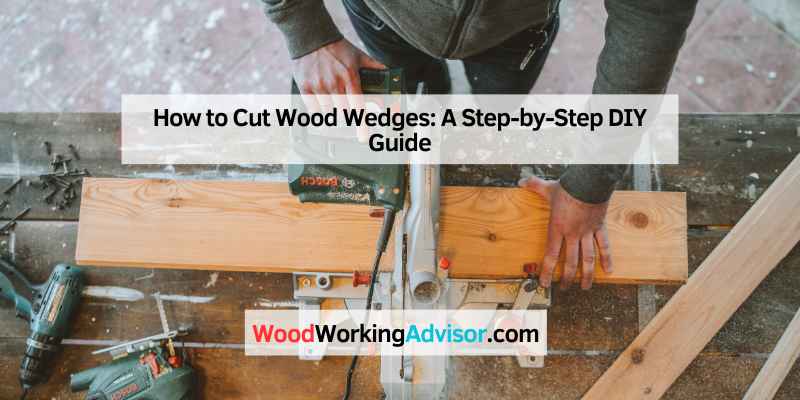
Securing the wood is a crucial step in the cutting process. Use clamps to hold the wood firmly in place. This prevents movement and ensures a clean cut. Check the stability before starting to cut.
Mark your cutting lines clearly on the wood. A straight edge or ruler helps create accurate lines. Follow these lines closely while cutting. This keeps the wedges uniform in size.
Remember to wear safety gear. Goggles and gloves protect against flying debris. Always use a sharp saw for better precision. A dull saw can cause accidents.
Finishing The Wood Wedges
To finish the wood wedges, start with sanding the edges. Use fine-grit sandpaper for a smooth surface. Sand in the direction of the grain to avoid scratches. Make sure to remove any rough spots.
After sanding, treat the wood surface. Apply a wood conditioner for better absorption. This step helps in achieving a nice finish. Choose a stain or sealant that suits your project. Apply it evenly using a clean cloth or brush.
Let the wood dry completely before using it. Proper treatment will enhance the appearance and durability of the wedges.
Safety Tips And Tricks
Always wear safety goggles and gloves when cutting wood wedges. Keep your workspace clean and organized to avoid accidents. Use a sharp saw for a clean cut. Dull tools can slip and cause injuries.
Check the wood grain before cutting. Cutting against the grain can lead to splitting. Measure twice and cut once to avoid mistakes. Mark your cut line clearly for better accuracy.
Hold the wood securely using clamps. This prevents it from moving while you cut. Always use both hands to control the saw properly. Never rush the cutting process; take your time.
Store tools properly after use. Keep them out of reach of children. Regularly inspect tools for damage or wear. Replace any damaged tools immediately to stay safe.
Creative Uses For Wood Wedges
Wood wedges can be used in many fun ways at home. They are great for home improvement projects. Use wedges to help lift heavy furniture or doors. They can also fix squeaky floors by keeping them stable.
For crafts and decorations, wood wedges shine. Create unique bookends with painted wedges. Use them as parts in a birdhouse project. Wedges can also add a rustic touch to centerpieces.
Here are some ideas:
- Furniture leveling
- Door stops
- DIY bookends
- Unique planters
- Crafty decorations
Maintaining Your Tools Post-project
Cleaning your tools is very important after cutting wood wedges. Use a soft brush to remove dirt and sawdust. Wipe down surfaces with a damp cloth. This helps prevent rust and keeps them in good shape.
Store your equipment in a dry place. A tool box or pegboard works well. Keep sharp tools separated to avoid accidents. Use protective covers for blades and saws. Label storage areas for easy access.
| Tool | Cleaning Method | Storage Solution |
|---|---|---|
| Saw | Soft brush and damp cloth | Protective cover in a toolbox |
| Chisel | Wipe with oil | Separated in a drawer |
| Hammer | Wipe with a cloth | Hanging on a pegboard |

Frequently Asked Questions
How Do You Make Wood Wedges?
To make wood wedges, start with a sturdy piece of wood. Use a saw to cut a triangular shape. Ensure the base is wide for stability. Sand the edges for a smooth finish. This technique provides effective splitting and lifting capabilities for various projects.
What Tools Are Needed For Cutting Wood Wedges?
You will need a saw, such as a hand saw or band saw. A chisel can help refine the shape. Additionally, a measuring tape ensures accurate dimensions. Safety gear, like gloves and goggles, is essential while working to prevent injuries.
What Type Of Wood Is Best For Wedges?
Hardwoods, such as oak or maple, are ideal for wedges. They offer durability and strength, making splitting easier. Softwoods can work too but may not provide the same effectiveness. Choose wood that fits your specific project requirements for optimal results.
How To Use Wood Wedges Effectively?
To use wood wedges, insert them into the material you wish to split. Tap them gently with a mallet for effective penetration. Ensure they are positioned correctly for maximum leverage. Always use them in conjunction with proper safety measures to avoid accidents.
Conclusion
Cutting wood wedges can enhance your woodworking skills. With the right tools and techniques, anyone can create precise cuts. Remember to prioritize safety and practice regularly. Mastering this skill opens up new project possibilities. Embrace the art of wood cutting, and enjoy the satisfaction that comes from your craftsmanship.
Happy woodworking!